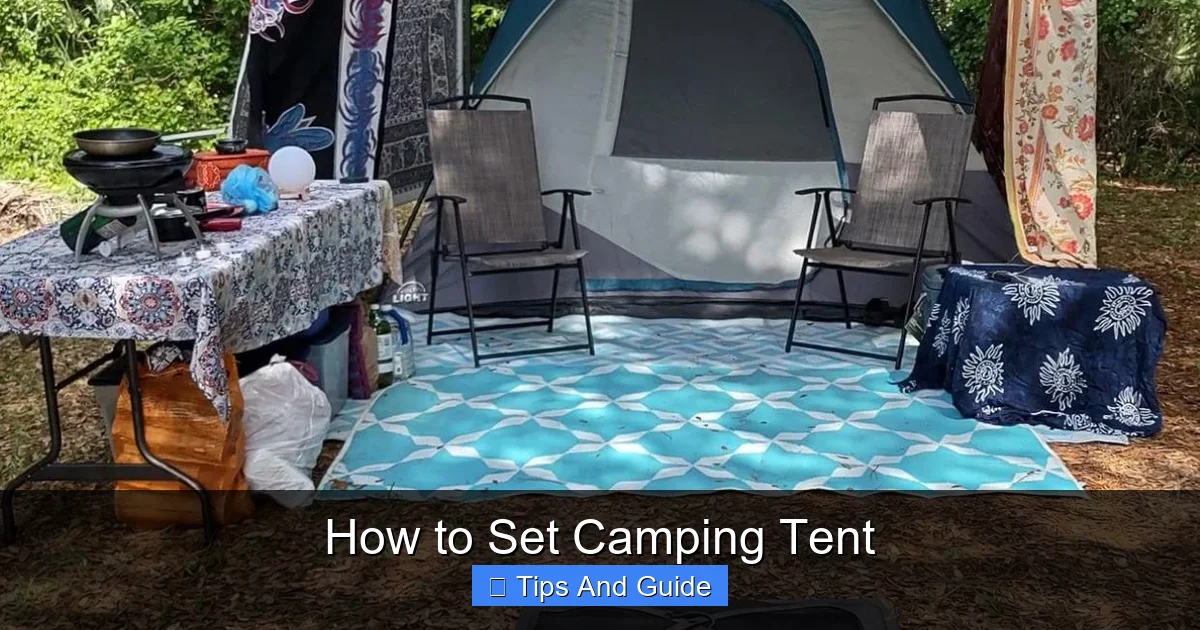
How to Set Camping Tent
Setting up a camping tent is an essential skill for any outdoor adventurer. This comprehensive guide will walk you through the process, from choosing the right spot to securing your shelter. We’ll cover everything you need to know to ensure your tent is sturdy, waterproof, and ready for your adventures. Learn to pitch your tent like a pro and enjoy a comfortable camping experience.
Ready to embark on your next outdoor adventure? One of the most crucial skills to master is setting up your camping tent. A well-pitched tent provides shelter, comfort, and protection from the elements, making your camping trip enjoyable and memorable. Whether you’re a seasoned camper or a complete beginner, this guide will equip you with the knowledge and confidence to set up your tent quickly and effectively. We’ll break down the process into simple, actionable steps, covering everything from site selection to the final stake. Let’s get your home away from home ready!
## Step 1: Choosing the Perfect Campsite
The first step to a successful tent setup begins before you even unpack your gear. Selecting the right spot for your tent is paramount.
### Scout for Level Ground
Look for a patch of ground that is as flat as possible. Sleeping on a slope can be uncomfortable, and water can pool in low spots during rain. Gently feel the ground for rocks, roots, or other debris that could poke through your tent floor or make sleeping uncomfortable.
### Consider Drainage
Avoid setting up your tent in depressions or areas where water is likely to collect. Even a light rain can turn a poorly chosen spot into a muddy puddle. Higher ground with a slight natural slope is usually best.
### Think About Shade and Wind
In hot weather, some shade can be a lifesaver. However, avoid setting up directly under large trees, especially those with dead branches (widowmakers) that could fall. Consider the prevailing wind direction; pitching your tent with the narrowest end facing the wind can help reduce its impact.
### Proximity to Amenities and Hazards
Think about how close you are to water sources, restrooms, and other campers. While being near water is convenient, avoid setting up too close to rivers or streams, as they can flood. Also, be aware of potential animal trails or areas where wildlife might frequent.
## Step 2: Unpack and Organize Your Gear
Once you’ve found your ideal spot, it’s time to get your tent ready for assembly.
### Lay Everything Out
Carefully unpack your tent bag and lay out all the components. This includes the tent body, rainfly, poles, stakes, and any guy lines or tensioners. This allows you to do a quick inventory and ensure you have everything.
### Identify the Parts
Familiarize yourself with each piece. The poles will likely be color-coded or have distinct lengths. The rainfly is the waterproof outer layer, and the tent body is the inner shelter. Understanding these parts will make assembly smoother.
### Check for Damage
Before you start, give your tent a quick inspection for any tears, holes, or broken zippers. It’s better to discover these issues at home or before you need the tent, rather than in the middle of your camping trip.
## Step 3: Lay Down the Footprint or Ground Tarp
Protecting your tent’s floor is essential for its longevity and to keep the inside dry.
### What is a Footprint?
A footprint is a custom-fit ground cloth designed specifically for your tent model. It’s typically made of durable, waterproof material. If you don’t have a dedicated footprint, a heavy-duty tarp or even a plastic sheeting can serve the same purpose.
### Placement is Key
Lay the footprint on your chosen campsite, ensuring it is spread out flat. Make sure the footprint is slightly smaller than the base of your tent. If it’s larger, the edges can collect rainwater and funnel it underneath your tent.
### Why Use a Footprint?
A footprint shields your tent floor from abrasive surfaces like rocks and twigs, preventing punctures and wear. It also adds an extra layer of waterproofing, keeping moisture from the ground from seeping into your tent. For more information on keeping your tent comfortable and dry, check out our guide on the best camping pads for tents.
## Step 4: Assemble the Tent Poles
Tent poles are the backbone of your shelter. Assembling them correctly is a critical step.
### Connect the Sections
Most tent poles are shock-corded, meaning they are connected by an elastic cord running through them. Simply align the ends of the pole sections and push them together until they feel secure. You should hear or feel a slight “snap” as they lock into place.
### Handle With Care
Be gentle when assembling poles, especially in windy conditions. Avoid letting the sections snap together forcefully, as this can damage the shock cord or the pole ends.
### Identify Pole Types
Many tents have different types or lengths of poles. Refer to your tent’s instructions or look for color-coding on the poles and the tent fabric to ensure you are using the correct poles for the correct sleeves or clips.
## Step 5: Erect the Tent Body
This is where your tent starts to take shape.
### Method 1: Pole Sleeves
Some tents have fabric sleeves sewn onto the tent body. You will need to carefully thread the assembled poles through these sleeves.
Tip: If you are struggling to push a pole through a sleeve, especially in windy conditions, try having a friend help feed it from the other end or gently twist the pole as you push.
### Method 2: Pole Clips
Many modern tents use clips that attach to the poles. Once the poles are in place, you simply snap these clips onto them. This method is generally quicker and easier, especially in windy conditions.
### Raise the Tent Structure
As you thread poles through sleeves or attach clips, you will start to see the tent structure rise. Work your way around the tent, ensuring all poles are correctly seated in their grommets or anchors at the base. For dome tents, you’ll typically insert pole tips into grommets at the corners, then bend the poles to create the dome shape.
## Step 6: Stake Down Your Tent
Securing your tent to the ground is vital for stability and wind resistance.
### Orient the Tent
Before staking, ensure your tent is oriented correctly, with the doors and windows positioned as you desire.
### Stake the Corners First
Start by driving stakes through the loops at the corners of the tent floor. Drive the stakes into the ground at an angle (about 45 degrees) pointing away from the tent. This provides the best holding power. Use a rock or the heel of your boot to push them in firmly.
### Stake the Fly (If Applicable)
If your tent has a separate rainfly, you’ll stake it out after the body is up. Ensure the fly is taut and not touching the tent body, as this is crucial for ventilation and waterproofing.
### Use Guy Lines
Guy lines are ropes that attach to points on the rainfly and stake into the ground. They provide additional stability, especially in windy conditions, and help keep the rainfly taut and away from the tent body. Adjust the tensioners on the guy lines to achieve optimal tightness. A well-tensioned guy line system can make a huge difference in how your tent performs in bad weather.
Tip: If the ground is particularly hard or rocky, you may need to use a mallet or a sturdy rock to drive the stakes in. In very soft ground, consider using longer stakes or bringing sand stakes.
## Step 7: Attach the Rainfly
The rainfly is your tent’s shield against rain and dew.
### Drape it Over
Carefully drape the rainfly over the erected tent body. Ensure it’s oriented correctly, with the doors of the rainfly aligning with the doors of the tent body.
### Secure the Rainfly
Most rainflies attach to the tent poles or the tent body with buckles, Velcro straps, or grommets. Secure all attachment points, ensuring the fly is snug.
### Tension and Ventilation
Once secured, pull the rainfly taut using the stake loops and guy lines. Pay attention to ventilation. Many rainflies have vents that can be opened or closed to control airflow. Proper ventilation helps reduce condensation inside your tent. If you find condensation is a persistent issue, consider looking into a camping fan to improve air circulation.
## Troubleshooting Common Tent Setup Issues
Even experienced campers can run into snags. Here are a few common problems and how to solve them.
### Tent Poles Won’t Fit Through Sleeves
* Cause: The sleeve might be twisted, or you might be trying to force a pole that isn’t meant for that sleeve.
* Solution: Untwist the sleeve. Double-check that you are using the correct pole for the correct sleeve. If it’s still difficult, try wiggling the pole gently or using a lubricant like a silicone spray (use sparingly and test first).
### Tent is Sagging or Loose
* Cause: Stakes are not driven in deeply enough, or guy lines are not properly tensioned.
* Solution: Re-stake the tent, driving the stakes deeper at a better angle. Adjust the tension on all guy lines and stake points until the tent is taut. Ensure the rainfly is not touching the inner tent.
### Rainfly is Difficult to Attach
* Cause: The rainfly may have shifted, or the tent body may not be perfectly aligned.
* Solution: Loosen the stakes slightly, realign the tent body, and then re-stake. Ensure the rainfly’s buckles or Velcro straps align correctly with their counterparts on the tent.
### Dealing with Wind
Wind is the bane of tent setup.
* Preparation: Always have your stakes and guy lines ready before you start erecting the tent.
* One Person at a Time: If one person is inside holding the tent down, the other can work on the poles and stakes.
* Stake Early and Often: Get the corners staked down as soon as possible.
* Use Guy Lines: Don’t skip the guy lines; they are crucial for wind stability.
## Final Touches for Comfort
Once your tent is securely pitched, you can focus on making it a comfortable living space.
### Add Your Sleeping Gear
Now is the time to bring in your sleeping pad or camping mattress, sleeping bag, and pillow. A good setup ensures a restful night’s sleep.
### Organize Interior Space
Use the tent’s pockets and loops to organize your gear. A small lantern or camping light can illuminate the interior.
### Ventilation Check
Ensure your ventilation is set up according to the weather. Open vents in dry, warm conditions and close them (but perhaps leave a small gap) in cold or wet conditions.
## Conclusion
Setting up a camping tent might seem daunting at first, but with practice and this step-by-step guide, you’ll be pitching your shelter like a pro in no time. Remember to choose your campsite wisely, organize your gear, and secure your tent properly. A well-pitched tent is the foundation of a great camping experience, providing a safe and comfortable haven amidst nature. So, next time you head out for an adventure, you’ll be fully prepared to set up your home away from home with confidence and ease. Happy camping!
Key Takeaways
- Choose the Right Campsite: Select a flat, well-drained area away from hazards like dead trees or water sources.
- Organize Your Gear: Lay out all tent components, poles, stakes, and the rainfly to ensure nothing is missing and for easy access.
- Lay the Footprint: Use a ground tarp or footprint to protect the tent floor from abrasion and moisture.
- Assemble the Poles: Connect the tent poles securely, ensuring they are the correct length and orientation.
- Erect the Tent Body: Thread the poles through the tent sleeves or attach them to the clips, raising the tent structure.
- Stake Down Your Tent: Securely anchor the tent to the ground using stakes, ensuring proper tension for stability.
- Attach the Rainfly: Drape the rainfly over the tent body and secure it, paying attention to ventilation options.