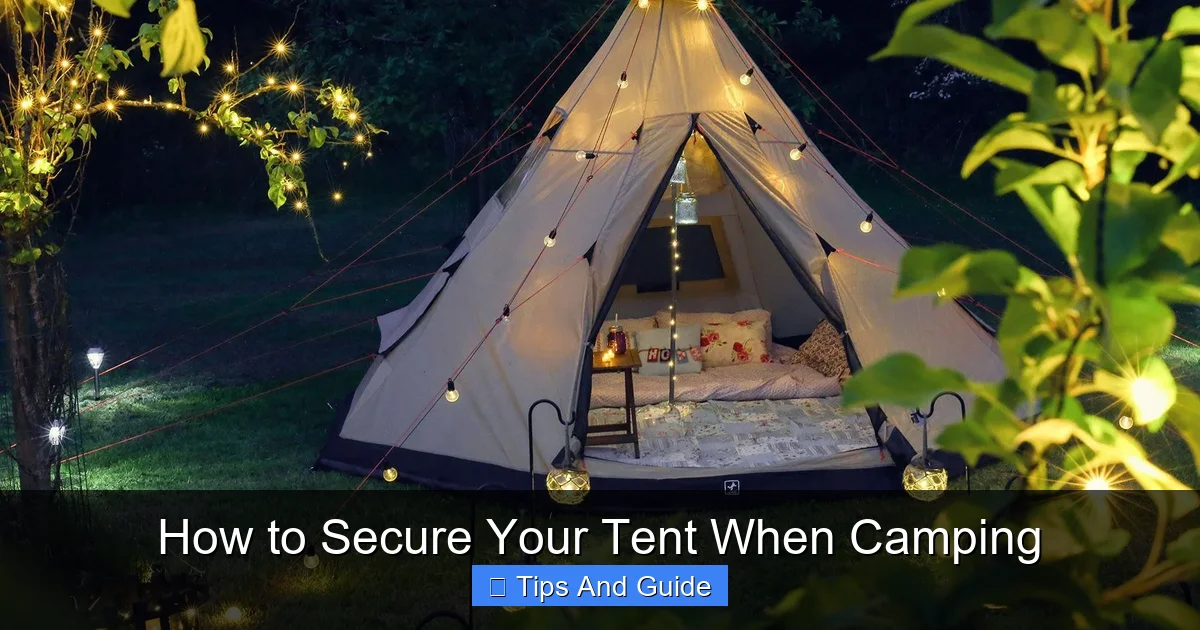
How to Secure Your Tent When Camping
Don’t let a flimsy tent ruin your outdoor adventure! This guide provides a comprehensive overview of how to secure your tent effectively, ensuring it stays put in various weather conditions. We cover everything from proper stake placement and guy line tensioning to advanced techniques for stronger anchoring. Mastering these methods will give you peace of mind and protect your campsite from unexpected gusts and storms.
Camping is an incredible way to connect with nature, but a poorly secured tent can quickly turn a dream trip into a soggy, wind-battered nightmare. Imagine waking up to a collapsed shelter or finding your gear scattered across the campground because a sudden gust of wind decided to redecorate. It’s not a fun scenario! Fortunately, with the right knowledge and techniques, you can ensure your tent remains a secure and cozy sanctuary, no matter what the elements throw at you.
This comprehensive guide will walk you through everything you need to know to properly secure your tent. We’ll cover the fundamentals of site selection, the essential role of stakes and guy lines, and dive into more advanced methods for those times when you need extra reassurance. By the end, you’ll be confident in your ability to create a stable and reliable shelter for all your camping adventures.
Key Takeaways
- Proper Site Selection is Crucial: Choose a level spot protected from strong winds, avoiding areas with loose soil or potential water runoff.
- Mastering Stakes and Guy Lines: Utilize all available stake points and guy line loops, tensioning them correctly to create a taut and stable structure.
- Understanding Different Ground Types: Adapt your staking strategy based on whether you’re on soil, sand, or rocky terrain to ensure maximum hold.
- Adding Extra Anchors: Employ additional methods like rock anchors or deadman anchors for significantly increased stability in challenging conditions.
- Regular Checks and Adjustments: Periodically inspect your tent’s security, especially after changing weather, and make necessary adjustments to stakes and lines.
- The Importance of Tent Footprints: Using a footprint not only protects your tent floor but can also provide an additional anchor point in certain situations.
Choosing the Right Spot: Your First Line of Defense
Before you even start unpacking your tent, the most critical step in securing it is selecting the right location. A little foresight here can save you a lot of trouble later.
Assessing the Terrain
Start by looking for a level patch of ground. Sleeping on a slope is uncomfortable, but more importantly, it can affect how water drains, potentially leading to a flooded tent if it rains. Avoid low-lying areas that are prone to collecting water. Also, look out for potential hazards like dead trees or branches that could fall.
Wind Protection
Consider the prevailing wind direction. If possible, pitch your tent so the narrowest end faces the wind. This presents a smaller profile and reduces the force the wind exerts on your tent. Natural windbreaks like large rocks, dense shrubs, or the side of a hill can also be incredibly beneficial. However, be cautious not to pitch too close to large trees, as falling branches are a risk, especially in windy or stormy weather.
Soil Stability
The type of soil significantly impacts how well your stakes will hold. Soft, sandy soil offers less grip than firm, loamy soil. If you’re camping in an area with particularly loose ground, you might need to use longer stakes or employ additional anchoring techniques.
Mastering the Stakes: The Foundation of Stability
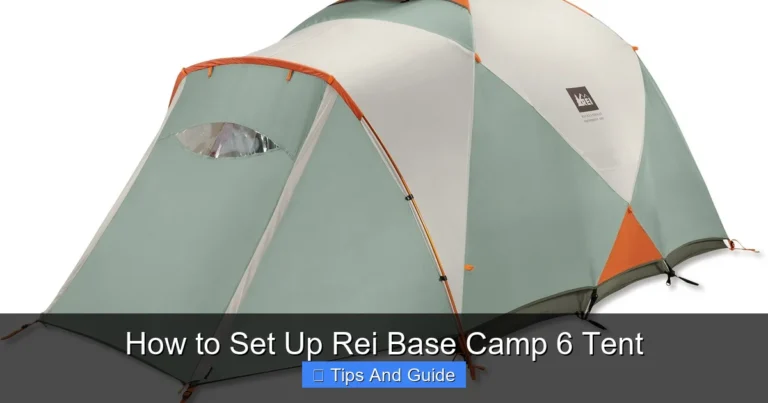
Visual guide about How to Secure Your Tent When Camping
Image source: m.media-amazon.com
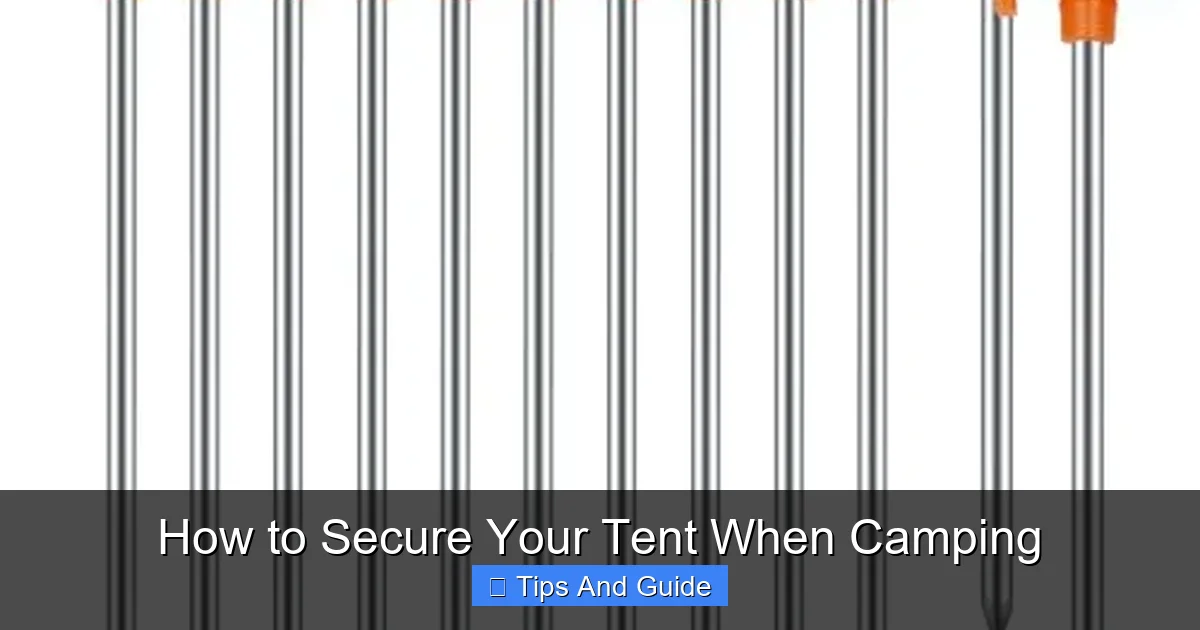
Tent stakes are your primary connection to the ground. Using them correctly is paramount for a secure tent.
Understanding Different Stake Types
Most tents come with standard stakes, often made of aluminum or steel. These are usually sufficient for most conditions. However, for specialized ground types, you might consider investing in:
- Sand Stakes: These are longer and wider with a larger surface area to grip loose sand.
- Screw-In Stakes: Ideal for very soft ground or sandy conditions, they offer excellent holding power.
- Rock Stakes: Designed to be hammered into cracks in rocks or used with cordage to tie around large rocks.
Proper Stake Placement
The angle at which you drive your stakes makes a huge difference.
The 45-Degree Rule
The golden rule for tent stakes is to drive them into the ground at a 45-degree angle, pointing away from the tent. This creates the strongest possible hold as the stake is pulled outwards by the tent. If you just pound them straight down, they are much more likely to pull out under tension.
Using All Stake Loops
Your tent likely has numerous stake loops around its base. Don’t be shy about using them all! Each stake point distributes the tension and adds to the overall stability of your tent. Ensure the tent fabric is taut before hammering in each stake.
Driving Stakes Effectively
Use a mallet or a sturdy rock for driving stakes. If you hit a rock or root, try to move the stake a few inches and try again. Don’t force a stake into impenetrable ground; it’s better to find a slightly different spot.
The Art of Guy Lines: Adding Strength and Support
Visual guide about How to Secure Your Tent When Camping
Image source: i.pinimg.com
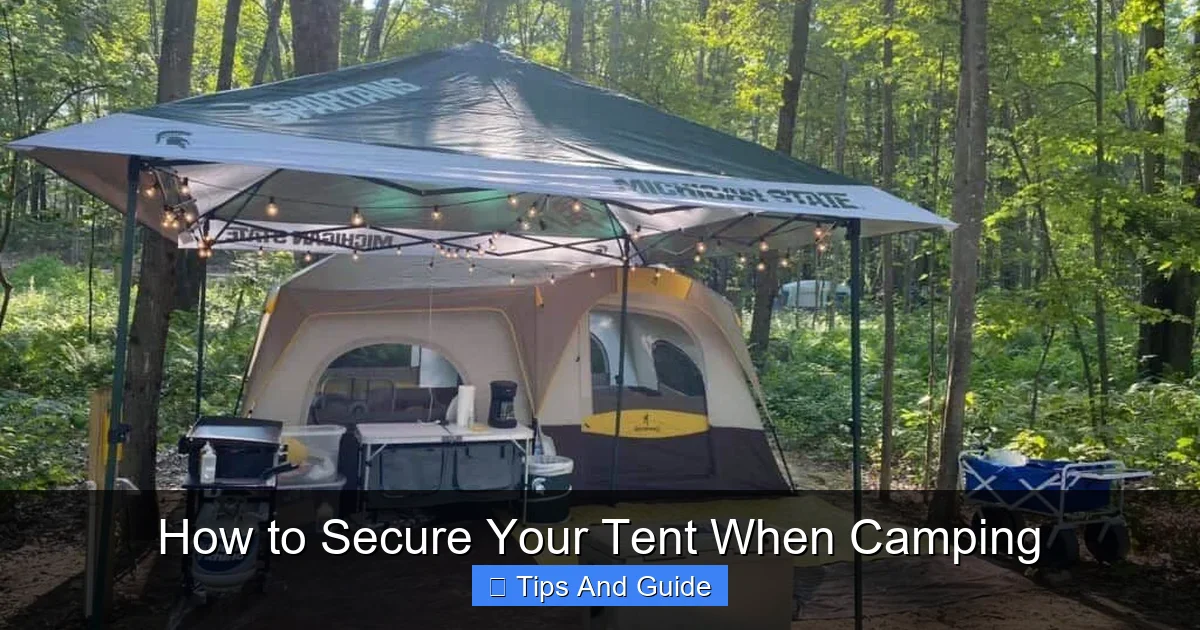
Guy lines are the ropes that attach to your tent’s fly and provide crucial stability, especially in windy conditions. They are often overlooked but are vital for a secure setup.
Understanding Guy Line Attachment Points
Most tents have loops specifically designed for guy lines, often found on the flysheet at strategic points. These are usually located where the poles create tension or at the corners of the tent.
Tensioning Guy Lines Correctly
This is where many campers make mistakes. Guy lines should be taut, but not so tight that they distort the shape of the tent or put excessive strain on the poles and fabric.
The “Finger Tight” Method
A good starting point is to tension them until they feel firm when you tug them with your fingers. As the temperature drops, fabric can contract, and lines can loosen. Conversely, in heat, they might stretch slightly.
Using Tensioners
Most guy lines come with a small plastic or metal slider. This is used to adjust the tension. You can also purchase aftermarket tensioners that make adjustments easier, especially with cold hands or gloves.
Positioning Guy Lines
For maximum effectiveness, guy lines should be angled away from the tent at roughly 45 degrees from the tent wall, similar to your stakes. This ensures they pull away from the tent and provide stability. If you have a particularly windy spot, you might want to angle them slightly more outwards.
Advanced Anchoring Techniques for Challenging Conditions
Visual guide about How to Secure Your Tent When Camping
Image source: campingsitesinbritain.co.uk
Sometimes, standard staking and guy lines aren’t enough. Here are some methods to beef up your tent’s security when the weather forecast looks iffy.
Rock Anchors
If you’re camping in rocky terrain or on a sandy beach where stakes won’t hold, rock anchors are a lifesaver.
Tying Around Rocks
Find a large, stable rock. Wrap a length of paracord or webbing around it, ensuring it’s secure. Then, tie the end of this cord to your tent’s guy line or stake loop. Make sure the rock is truly immovable.
Cordage Through Boulders
If there are suitable holes or gaps in large boulders, you can thread cordage through them and tie off your tent’s guy lines. This provides a very secure anchor.
Deadman Anchors
This is a clever technique often used in snow or very soft sand. You bury an object, like a sturdy stick, a small bag filled with rocks or sand, or even a spare stuff sack, horizontally in the ground. Then, you tie your guy line to the middle of the buried object. As tension is applied, the object is pulled deeper into the ground, creating a very strong anchor. For this to work effectively, you need to bury the object deep enough and ensure the ground is suitable for it to “dig in.”
Using Your Gear as Anchors
In a pinch, you can use heavy items inside your tent to add weight and stability. Place heavy backpacks, water jugs, or even your camping mat weighted down near the tent poles or stake points. This isn’t a primary anchoring method but can help prevent a tent from lifting if a stake partially pulls out.
Tent Footprints: An Underappreciated Security Boost
While primarily used to protect your tent floor, a tent footprint can also contribute to security.
Extra Ground Protection
A footprint prevents abrasion and punctures to your tent’s floor, extending its lifespan. It also adds a layer of waterproofing.
Potential for Additional Anchoring
Some footprints have grommets or loops that align with your tent’s stake points. In very windy conditions, you can stake through the footprint’s grommets and into the ground, adding an extra layer of secure attachment. This is especially useful if your tent’s stake loops are starting to show wear and tear.
Maintaining Security: Regular Checks and Adjustments
Your tent’s security isn’t a set-it-and-forget-it affair. Weather can change, and ground conditions can shift.
The Post-Setup Check
Once your tent is pitched, walk around it and give each stake and guy line a firm tug. Check that the fabric is taut and there are no visible sags. Ensure guy lines are properly tensioned and not flapping loosely.
Monitoring During Your Stay
If the weather turns windy or rainy, it’s crucial to check your tent’s security. Stakes can loosen in wet or saturated ground. Guy lines might become slack as fabric absorbs moisture or stretches in the damp. Be prepared to re-tension lines and even re-stake if necessary. A quick check before you go to sleep is always a good idea.
After a Storm
If you experience strong winds or heavy rain overnight, thoroughly inspect your tent in the morning. Check for any signs of stress on the fabric, poles, or guy lines. Re-stake any loose points and re-tension lines as needed.
Troubleshooting Common Tent Security Issues
Even with the best intentions, you might encounter problems. Here are solutions to common tent security issues:
Stakes Pulling Out of Soft Ground
- Solution: Use longer or wider stakes (sand stakes, screw-in stakes). Bury stakes horizontally like a deadman anchor if possible. Place heavy rocks on top of the stakes.
Guy Lines Becoming Slack
- Solution: Re-tension the guy lines using the slider. If the fabric has stretched significantly (especially with nylon in damp conditions), you may need to tie a taut-line hitch knot to further adjust the line.
Tent Fabric Ripping Near Stake Points
- Solution: This usually means the tension was too high or the ground is too soft for the stake. If the rip is small, you can often repair it with tenacious tape or a patch kit. For future setups, ease up on the tension or use a different anchoring method. Consider using a footprint with reinforced grommets.
Wind Lifting the Tent Off the Ground
- Solution: This is a serious situation. Immediately try to re-stake all points, using longer stakes or deadman anchors if possible. If you have heavy gear, place it inside the tent to add weight. If the wind is extreme and your tent cannot be secured, it may be safer to pack up and seek shelter elsewhere.
Conclusion
Securing your tent is a fundamental skill for any camper. It’s not just about comfort; it’s about safety and protecting your valuable gear. By paying attention to site selection, mastering the use of stakes and guy lines, and being prepared to use advanced anchoring techniques when needed, you can ensure your tent remains a steadfast haven. Remember to always perform post-setup checks and monitor your tent’s security throughout your trip, especially when the weather is unpredictable. With practice, these steps will become second nature, allowing you to focus on enjoying the great outdoors, knowing your shelter is safe and sound. Happy camping!