How to Run Ac in a Tent
Learn how to run AC in a tent for a more comfortable outdoor experience. This guide covers essential considerations like power sources, ventilation, and choosing the right AC unit. Discover practical steps and tips to keep your tent cool and enjoyable, even on the hottest days.
How to Run AC in a Tent
Camping is an incredible way to connect with nature, but let’s be honest, sweltering heat can quickly turn a dream trip into a miserable one. Imagine being able to enjoy the great outdoors without sacrificing comfort. That’s where running an air conditioner in your tent comes in! While it might sound like a luxury reserved for RVs, with the right preparation and equipment, you can indeed enjoy a cool and refreshing sanctuary within your tent. This guide will walk you through everything you need to know to successfully run AC in a tent.
Key Takeaways
- Power is Paramount: You’ll need a reliable and sufficient power source, like a portable power station or generator, to run an air conditioner in a tent.
- Ventilation is Crucial: Proper airflow is key to prevent the AC from overheating and to ensure a comfortable temperature inside your tent.
- AC Unit Choice Matters: Select a tent-friendly AC unit that is portable, energy-efficient, and appropriately sized for your tent.
- Sealing for Success: Minimize air leaks in your tent to maximize the efficiency of your AC unit and maintain a cooler environment.
- Safety First: Always prioritize safety by ensuring proper ventilation for generators and avoiding electrical hazards.
- Consider Alternatives: Sometimes, simpler solutions like fans or shade can be sufficient for cooling a tent.
Understanding the Possibility
Can you really run an AC unit inside a tent? The answer is a resounding yes, but it’s not as simple as just plugging it in. Several factors need careful consideration. The primary challenges are power supply, ventilation, and the type of AC unit you use. We’ll break down each of these in detail.
Step 1: Powering Your Portable Oasis
This is arguably the most critical step. Air conditioners are power-hungry devices. You can’t simply rely on a small battery pack. You need a robust and consistent power source.
Choosing the Right Power Source
There are a few main options for powering your tent AC:
- Portable Power Stations: These are rechargeable battery packs that can power various devices. Look for one with a high wattage output (especially continuous wattage) and a substantial battery capacity (measured in watt-hours). Many modern power stations are designed to be quiet and safe for indoor use, making them ideal for tent camping. Some can even be recharged via solar panels, offering an eco-friendly solution.
- Generators: Traditional generators provide ample power but come with significant drawbacks for tent camping. They are noisy, produce exhaust fumes (making them unsafe to run inside or near a tent), and require fuel. If you opt for a generator, it must be a safe distance from your tent, and you’ll need a long, heavy-duty extension cord rated for outdoor use. Inverter generators are quieter and produce cleaner power than conventional ones.
- Vehicle Power (Limited): Some vehicles have AC outlets that can power small devices. However, running an air conditioner, even a small portable one, will likely drain your car battery very quickly. This is generally not a sustainable or recommended solution for extended AC use.
Calculating Power Needs
Before buying a power source, you need to know how much power your AC unit will draw. Look for the wattage rating on the AC unit. Portable AC units designed for camping or small spaces typically range from 500 to 1500 watts. Your power station or generator must have a continuous wattage output that exceeds the AC unit’s requirement. It’s also wise to have a buffer – aim for a power source that can provide at least 20-30% more wattage than your AC unit’s continuous draw.
Step 2: Selecting the Right AC Unit
Not all air conditioners are created equal, especially when it comes to camping. You need a unit that is designed for portability and efficiency.
Types of Portable AC Units
- Evaporative Coolers (Swamp Coolers): These are very energy-efficient and use water to cool the air. However, they work best in dry climates and add humidity to the air, which might not be ideal for everyone. They are generally not as powerful as refrigerant-based ACs.
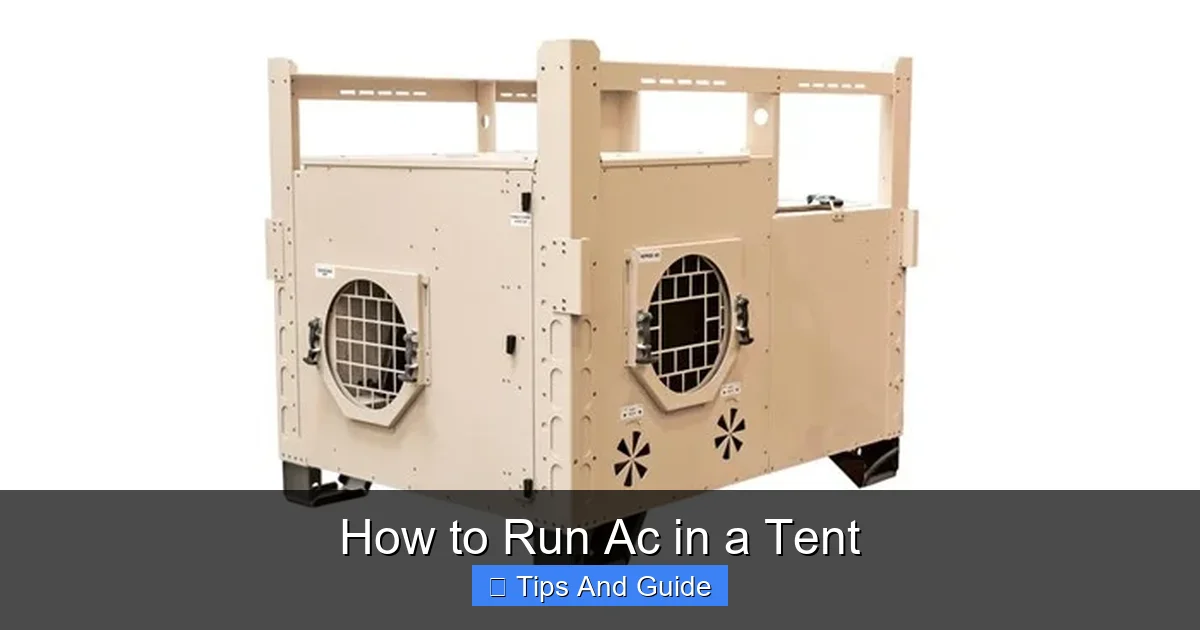
- Portable Refrigerant ACs: These are the most common type. They use a refrigerant to cool the air and typically require an exhaust hose to vent hot air outside. Look for models specifically marketed for RVs, vans, or small spaces, as these are often more compact and energy-efficient. Some newer models are designed to be quieter and lighter for portable use.
- 12V DC Air Conditioners: These are becoming increasingly popular for off-grid applications like RVs and vans. They run directly off a 12V DC power system (like those found in vehicles or from large battery banks). They are generally more energy-efficient than their AC counterparts but may offer less cooling power.
Features to Look For
- Portability and Weight: You’ll be moving this unit, so it should be as light and compact as possible. Wheels and handles are a big plus.
- Energy Efficiency (BTUs): Look for a unit with a BTU (British Thermal Unit) rating appropriate for the size of your tent. A small tent might only need 5,000-8,000 BTUs, while a larger one might require 10,000 BTUs or more. Over-sizing can lead to inefficient cycling and higher power consumption.
- Noise Level: Camping is about peace and quiet. Choose an AC unit with a low decibel (dB) rating. Many portable ACs can be quite loud, so read reviews carefully.
- Exhaust Hose: If you choose a refrigerant AC, ensure it has a manageable exhaust hose. You’ll need to vent this hot air outside your tent.
If you’re unsure which unit is best for your needs, researching the best camping AC unit for a tent can provide valuable insights.
Step 3: Strategic Tent Setup and Ventilation
How you set up your tent makes a big difference in how well your AC unit performs.
Positioning Your Tent
If possible, set up your tent in a shaded area. This will significantly reduce the heat load on your tent and AC unit. Utilizing natural shade from trees is best. If no natural shade is available, consider bringing a shade canopy or tarp to erect over your tent.
Maximizing Airflow
This is crucial for both the AC unit and your comfort.
Ventilating the AC Unit
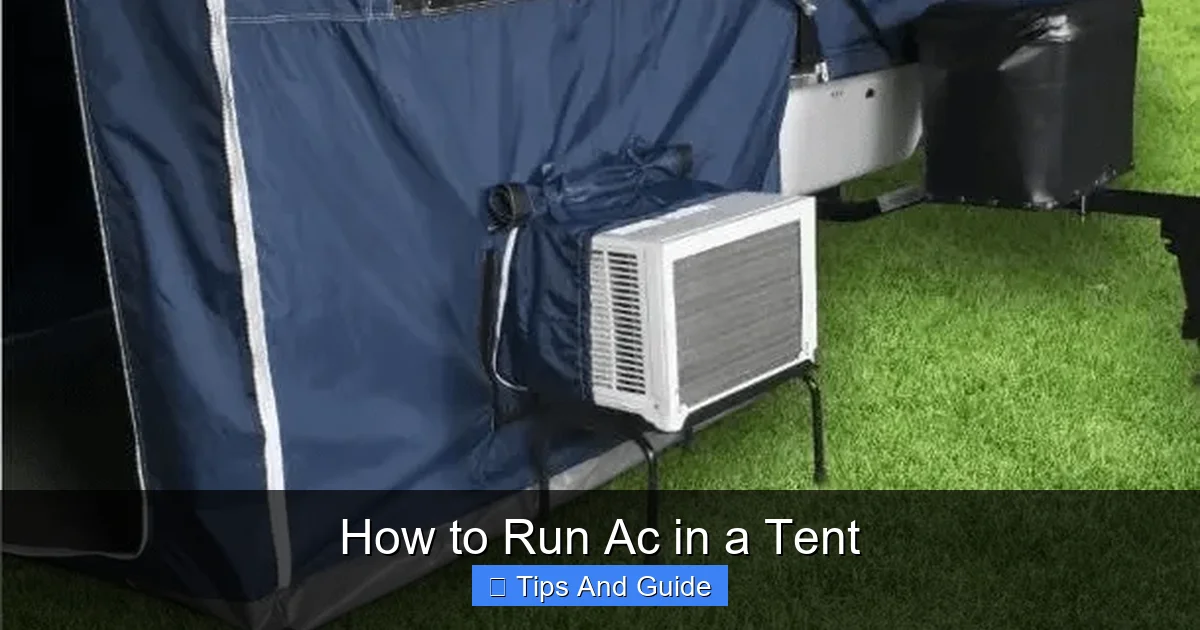
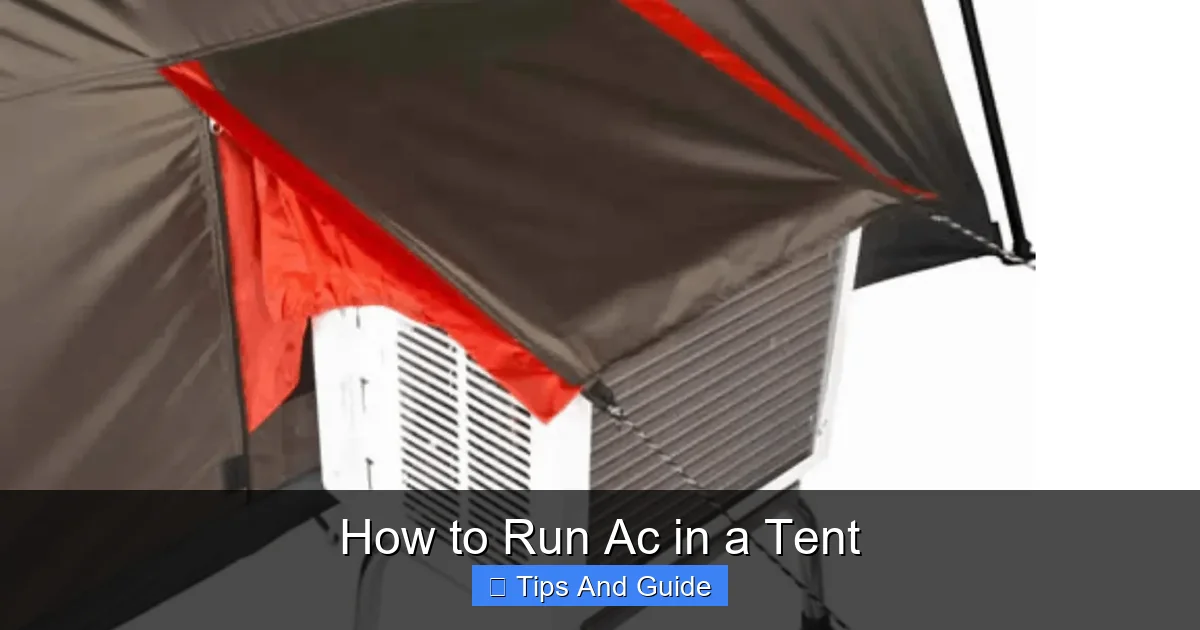
Refrigerant ACs: The exhaust hose must be routed outside the tent. Ensure it’s not kinked or blocked. If you have a window flap or vent, that’s the ideal place to position the hose. You might need to create a temporary seal around the hose with a towel or duct tape to prevent warm air from re-entering.
Visual guide about How to Run Ac in a Tent
Image source: airsystems.ge
Visual guide about How to Run Ac in a Tent
Image source: campingtentshub.com
Visual guide about How to Run Ac in a Tent
Image source: outsidepulse.com
Evaporative Coolers: These need fresh air to work effectively. Ensure there’s some airflow into and out of the tent. Don’t seal the tent completely.
Ventilating the Tent Interior
Even with AC, some airflow inside the tent is beneficial. If your AC unit is blowing cool air directly into the tent, great. If not, consider using a small battery-powered fan to circulate the cool air from the AC unit around the tent. Make sure there are other small openings (like slightly unzipped vents) to allow for a gentle air exchange and prevent condensation buildup. This also helps prevent the AC unit from overheating due to lack of fresh air intake.
Sealing Your Tent
To keep the cool air in and the hot air out, you want to minimize air leaks.
- Check all zippers and ensure they are fully closed.
- Use any available Velcro or tie-downs to secure flaps and vents.
- If there are significant gaps, temporary solutions like strategically placed towels can help seal them.
For those looking for the best pop-up tent that offers good seals and insulation, checking out guides on the best pop up tent reviews can be a great starting point.
Step 4: Setting Up Your AC Unit
Once you have your power source and AC unit, it’s time to set it up inside or near your tent.
Placement Considerations
- Inside the Tent: If your AC unit is compact and designed for indoor use (like some 12V DC units or very small evaporative coolers), you can place it inside. Ensure there’s space around it for proper ventilation.
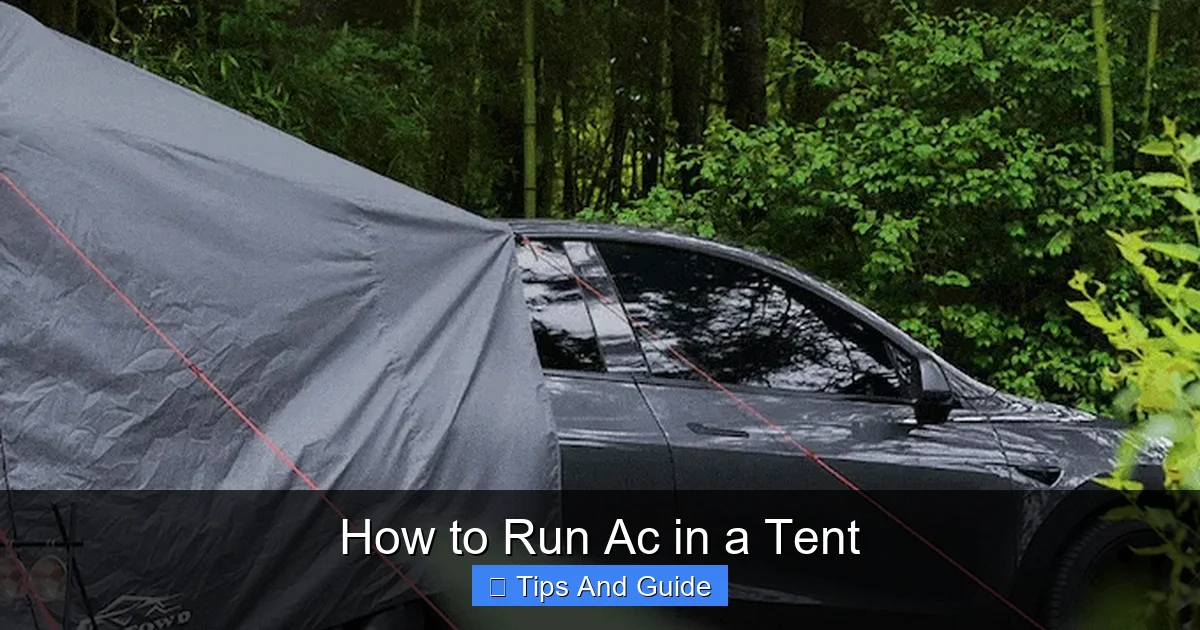
- Outside the Tent: Most portable refrigerant AC units are best placed just outside the tent, with the cool air directed inside through an open vent or a specially cut opening. This keeps the heat and noise of the unit outside.
Connecting Power
- Connect your power source to the AC unit using the appropriate cables.
- If using a generator, ensure it’s running smoothly and placed at a safe distance. Use a heavy-duty outdoor-rated extension cord.
Operating the AC Unit
- Turn on the AC unit.
- Set your desired temperature.
- Monitor the exhaust hose to ensure it’s venting properly and not getting too hot.
Step 5: Safety First
Running electrical appliances in a tent environment requires a focus on safety.
Generator Safety
NEVER run a generator inside a tent or enclosed space. Carbon monoxide poisoning is a serious risk. Generators should be placed at least 20 feet away from any occupied structure, and the exhaust should be directed away from your tent.
Electrical Safety
- Ensure all cords are in good condition and properly rated for outdoor use.
- Keep electrical connections dry. Avoid running cords through puddles or areas where water might collect.
- Do not overload your power source.
Electrical Appliances and Tents
While it might seem like a novelty, running AC in a tent is a practical way to enhance comfort, especially for those who are sensitive to heat. For families or longer trips, it can make a significant difference. If you are looking for a tent that can better accommodate such amenities, consider looking into the best pop up tent you can stand up in, which often have more space and features.
Troubleshooting Common Issues
Even with the best preparation, you might encounter problems.
AC Unit Not Cooling Effectively
- Check Power: Is the unit receiving enough power? Is the power source functioning correctly?
- Ventilation Blocked: Is the exhaust hose clear? Is the unit getting enough fresh air intake?
- Tent Leaks: Are there too many air leaks in the tent?
- Unit Size: Is the AC unit appropriately sized for the tent and the ambient temperature?
- Dirty Filters: Check and clean the AC unit’s filters.
Power Source Draining Too Quickly
- Unit Too Large: The AC unit might be drawing more power than your source can provide efficiently.
- Inefficient Unit: Some AC units are less energy-efficient than others.
- Battery Health: Ensure your power station battery is in good condition.
Excessive Condensation
- Poor Ventilation: Ensure there’s some minimal air exchange in the tent.
- Humidity Levels: In very humid conditions, condensation is more likely. An AC unit might not be the best solution in extremely humid environments; an evaporative cooler could exacerbate this.
Alternatives for Staying Cool
If running a full AC unit seems too complicated or power-intensive, consider these alternatives:
- Camping Fans: Battery-powered fans are a simple and effective way to create airflow and a cooling breeze. You can find many great options in our guide to the best camping fan for a tent.
- Strategic Shading: Use tarps and canopies to shade your tent during the hottest parts of the day.
- Cooling Towels: These evaporative towels can provide significant relief when placed around your neck or on your head.
- Timing Your Activities: Plan strenuous activities for cooler parts of the day (early morning, late evening).
- Hydration: Staying well-hydrated is crucial for managing body heat.
Conclusion
Running an AC unit in a tent is achievable and can transform your camping experience from uncomfortable to enjoyable. The key lies in careful planning, selecting the right equipment, and prioritizing safety. By understanding your power needs, choosing an appropriate AC unit, and setting up your tent strategically, you can create a cool and refreshing haven amidst the great outdoors. While it requires an investment in equipment and thought, the reward of a comfortable night’s sleep or a cool retreat during a hot day is well worth the effort for many campers.