How to Repair Tent Rip
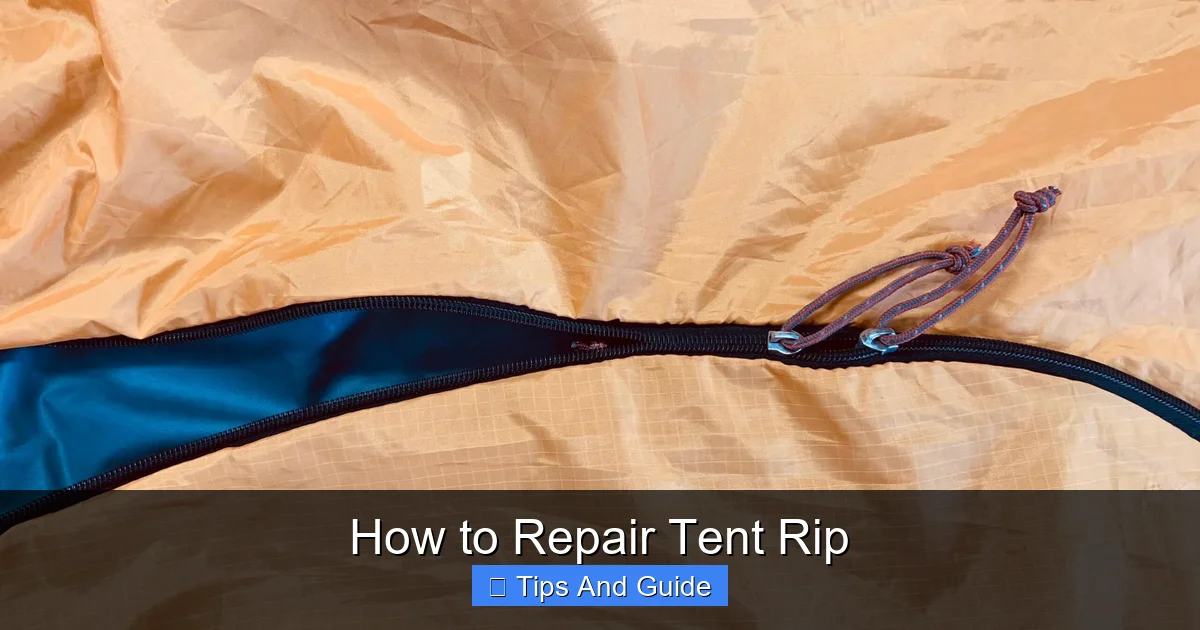
Don’t let a tent rip cut your adventure short! This guide provides clear, step-by-step instructions on how to repair tent rips, ensuring your shelter remains strong and waterproof. Learn about essential repair materials and techniques, from patching small tears to mending larger gashes. With these tips, you’ll be able to save your tent and get back to enjoying the outdoors.
### How to Repair Tent Rip
There’s nothing quite like the feeling of setting up your tent, ready to embrace the great outdoors. Whether you’re embarking on a weekend camping trip or a long-term backpacking adventure, your tent is your sanctuary. But what happens when that sanctuary is compromised by a rip or tear? A small rip can quickly become a big problem, potentially leading to leaks, drafts, and a ruined camping experience.
The good news is that most tent rips are easily repairable. With the right tools and a little bit of know-how, you can mend your tent and extend its lifespan significantly. This comprehensive guide will walk you through everything you need to know to tackle tent repairs, from identifying the type of damage to performing a professional-looking fix. You’ll learn how to assess the rip, choose the right repair method, and ensure your tent is ready for its next adventure.
#### Understanding Tent Fabric and Damage
Tents are typically made from synthetic fabrics like polyester, nylon, or canvas. These materials are chosen for their durability, water resistance, and lightweight properties. However, even the toughest fabrics can succumb to wear and tear. Rips can occur from sharp objects, abrasion against rough surfaces, or even excessive tension on the fabric.
It’s important to differentiate between a simple rip, a puncture, and a seam separation. A rip is a tear in the fabric itself, while a puncture is a small hole. Seam separation involves the stitching coming undone. This guide will focus primarily on repairing rips and tears, but some techniques can be adapted for punctures.
#### Essential Repair Supplies
Before you begin, gather your repair arsenal. Having these items on hand will make the repair process smooth and efficient.
* **Tent Patch Kit:** Many outdoor gear brands offer specialized tent repair kits. These often include pre-cut patches of various sizes and colors, along with adhesive.
* **Ripstop Nylon Fabric:** If you don’t have a kit, you can purchase ripstop nylon fabric. This material is strong and resistant to tearing.
* **Fabric Glue or Tent Repair Adhesive:** Look for a strong, flexible, and waterproof adhesive specifically designed for outdoor fabrics.
* **Seam Sealer:** This is crucial for ensuring your repair is waterproof. It’s a liquid or tape that seals the seams of your tent to prevent water from penetrating.
* **Rubbing Alcohol (Isopropyl Alcohol):** For cleaning the area around the rip.
* **Clean Cloth or Paper Towels:** For cleaning and drying.
* **Scissors or a Craft Knife:** For cutting patches and trimming loose threads.
* **Rubbing Alcohol:** For cleaning the area around the rip.
* **Fine-Grit Sandpaper (optional):** For roughening the fabric surface slightly to improve adhesive adhesion.
* Sewing Kit (optional): If you’re dealing with a larger rip or prefer a sewn repair, you’ll need a strong needle and UV-resistant thread.
#### Step-by-Step Guide to Repairing Tent Rips
Now, let’s get down to the nitty-gritty of repairing your tent.
##### Step 1: Assess and Prepare the Damaged Area
The first and most crucial step is to thoroughly inspect the rip.
* **Locate the Rip:** Find the exact location and extent of the damage. Is it a small snag or a gaping hole?
* **Clean the Area:** This is vital for a strong, lasting repair. Use rubbing alcohol and a clean cloth to thoroughly clean the fabric on both the inside and outside of the tent around the rip. This removes dirt, oils, and any water-repellent treatments that might prevent the adhesive from sticking. Allow the area to dry completely.
* **Trim Loose Threads:** If there are any frayed threads around the rip, carefully trim them with scissors or a craft knife.
##### Step 2: Choose Your Repair Method
The best repair method depends on the size and location of the rip.
Method 1: Using Adhesive Tent Patches (for small to medium rips)
This is the most common and often the easiest method.
* **Cut Your Patch:** If your kit comes with pre-cut patches, select one that is at least one inch larger than the rip in all directions. If you’re using a roll of patch material, cut a piece to size. Rounding the corners of the patch can help prevent it from peeling up later.
* **Apply the Patch (Inside): Peel the backing off the adhesive patch. Carefully center it over the rip on the inside of the tent. Press down firmly, ensuring there are no air bubbles. Work from the center outwards to smooth the patch.
* Apply the Patch (Outside): If the rip goes all the way through, apply a second patch to the outside of the tent, mirroring the one on the inside. Ensure this patch is also well-centered and pressed down firmly.
* Apply Pressure: For optimal adhesion, place a heavy, flat object (like a book) on top of the patched area for several hours or overnight. This ensures the adhesive makes full contact with the fabric.
Method 2: Using Fabric Glue and Patch Material (for small to medium rips)
This method offers more flexibility if you don’t have a pre-made patch kit.
* **Cut Your Patch:** Cut a piece of ripstop nylon fabric that is at least one inch larger than the rip in all directions. Round the corners.
* **Apply Glue to the Patch:** Apply a thin, even layer of fabric glue to the edges of the patch that will contact the tent fabric.
* Position the Patch: Carefully place the glued patch over the rip on the inside of the tent. Press down firmly from the center outwards.
* Apply Glue to the Second Patch (if needed): If the rip goes through to the outside, apply glue to the edges of a second patch and place it on the outside, mirroring the inner patch.
* Smooth and Press: Ensure both patches are smooth and free of wrinkles. Apply pressure as described in Method 1. Allow the glue to cure completely according to the manufacturer’s instructions.
Method 3: Sewing and Patching (for larger or stress-point rips)
For rips that are longer, wider, or located in areas of high stress (like near zippers or guy-out points), sewing can provide extra reinforcement.
* **Prepare as Above:** Clean the area and trim loose threads.
* **Apply an Inner Patch:** Use Method 1 or 2 to apply an adhesive patch to the inside of the tent first. This provides a stable base for sewing.
* **Sew Around the Rip:** Using a strong, UV-resistant thread and a sturdy needle, begin sewing around the edges of the rip. A running stitch or a whipstitch works well. Make sure your stitches are close together and create a secure closure.
* **Sew Over the Patch:** Once the rip itself is stitched closed, sew over the edges of the inner patch to further secure it to the tent fabric.
* Apply an Outer Patch (optional but recommended): For added strength and weather protection, apply a second patch to the outside of the tent, using either an adhesive patch or fabric glue. You can sew around the edges of this outer patch as well for maximum durability.
##### Step 3: Seal the Repair
This step is critical for maintaining the waterproof integrity of your tent.
* **Apply Seam Sealer:** Once your patch is firmly adhered and any glue or thread is dry, apply a thin, even layer of seam sealer over the edges of the patch and any stitching. This creates a waterproof barrier.
* **Allow to Cure:** Let the seam sealer dry completely according to the product’s instructions. This can take several hours or even overnight.
##### Step 4: Test Your Repair
Before you pack your tent away or head out on your next trip, it’s wise to test your repair.
* **Water Test:** Set up your tent in a dry place or take it outside on a calm day. Using a spray bottle, lightly spray water over the repaired area. Watch closely for any signs of water penetration. If you see any beads of water forming on the inside, you may need to reapply seam sealer or reinforce the patch.
#### Troubleshooting Common Tent Rip Issues
Even with careful work, you might encounter a few hiccups.
* **Patch Won’t Stick:** This is usually due to improper cleaning. Ensure the area was thoroughly cleaned with rubbing alcohol and allowed to dry completely. Oily residue from your hands can also interfere with adhesion.
* **Patch Peeling Up:** This can happen if the patch wasn’t pressed down firmly enough, or if the corners weren’t rounded. Try applying more pressure, or consider sewing around the edges of the patch for extra security.
* **Repair Leaks:** If water is still seeping through, your seam sealer might not have been applied correctly or might need a second coat. Also, check for any tiny pinholes you might have missed.
#### Maintaining Your Tent for Longevity
Preventing rips and tears in the first place is always the best strategy.
* **Choose a Good Campsite:** Avoid setting up your tent near sharp rocks, thorny bushes, or low-hanging branches. When looking for the perfect spot, consider a flat surface that’s free from potential hazards.
* **Be Mindful When Setting Up and Packing Down:** Take care not to snag the fabric on tent stakes, poles, or zippers.
* **Store Properly:** Always ensure your tent is completely dry before storing it. Damp tents can develop mildew, which weakens the fabric. Store it loosely in a breathable bag, rather than crammed into a stuff sack.
* **Regular Inspection:** Give your tent a quick inspection before and after each trip. Catching small problems early can prevent bigger repairs later.
For those seeking ultimate comfort and a good night’s sleep in their tent, consider investing in a quality [Best Camping Mattress For Tent](https://tentrm.com/best-camping-mattress-for-tent/) or a [Best Camping Mat For Tent](https://tentrm.com/best-camping-mat-for-tent/). A well-maintained tent, coupled with comfortable sleeping gear, makes for a truly enjoyable outdoor experience.
#### Conclusion
A ripped tent doesn’t have to signal the end of your camping adventures. By following these simple steps, you can confidently repair most common tent rips and tears, saving yourself money and ensuring your shelter remains a reliable home away from home. Regular maintenance and prompt repairs will keep your tent in top condition, ready to accompany you on countless future explorations. So, gather your supplies, embrace your DIY spirit, and get ready to patch it up and get back outside!
- Assess the Damage: Before you start, carefully examine the rip to determine its size, location, and severity. This will guide your repair strategy.
- Gather Your Supplies: Essential repair items include a tent patch kit, fabric glue, seam sealer, rubbing alcohol, and a clean cloth.
- Clean the Area: Thoroughly clean the area around the rip with rubbing alcohol to remove dirt, oils, and any waterproofing treatments.
- Patching Small Tears: For minor rips, use adhesive tent patches or create your own patch from ripstop nylon. Ensure the patch overlaps the tear by at least an inch.
- Mending Larger Rips: Larger gashes may require sewing in addition to patching. Use strong, UV-resistant thread and a sturdy needle.
- Sealing Seams: After patching, apply seam sealer to the repaired area to ensure it remains waterproof.
- Test Your Repair: Once the repair is complete and dry, test it by applying a small amount of water to the patched area to check for leaks.