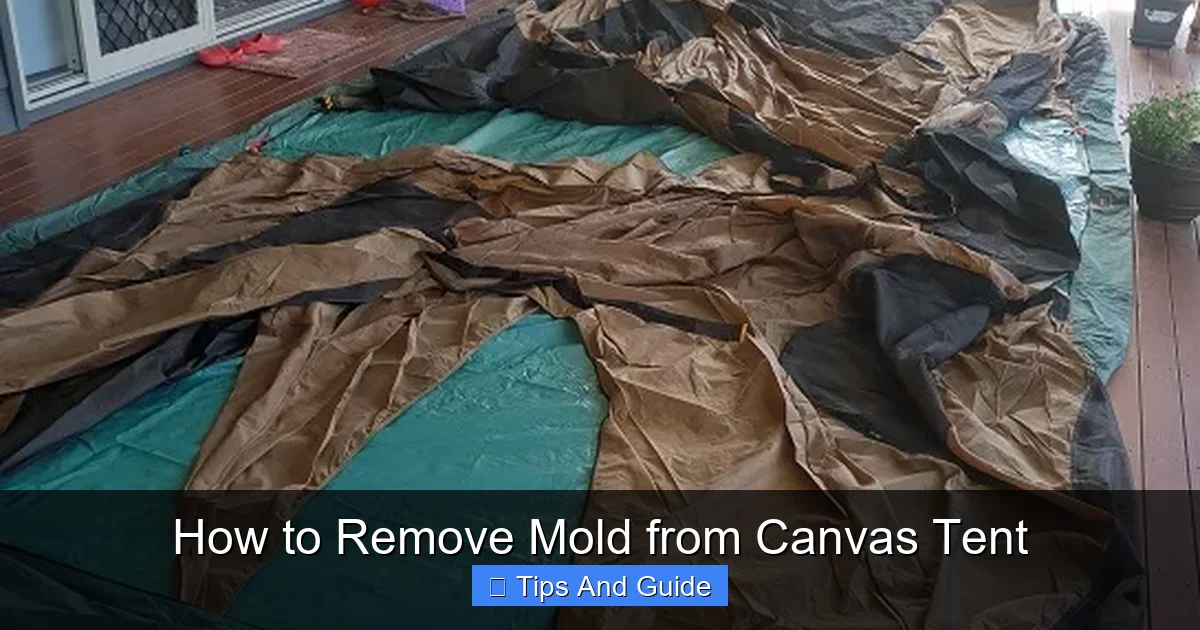
How to Remove Mold from Canvas Tent
Discover how to effectively remove mold and mildew from your canvas tent. This guide provides step-by-step instructions using common household items and gentle cleaning techniques to restore your tent to its pristine condition. Proper cleaning ensures longevity and prevents further damage, so you can confidently enjoy your outdoor adventures.
Mold on your canvas tent can be disheartening. It’s not just an unsightly issue; it can also weaken the fabric and create a musty odor that can ruin your camping trip. But don’t despair! Removing mold from a canvas tent is a manageable process, and this guide will walk you through everything you need to know. You’ll learn how to identify mold, choose the right cleaning solutions, clean effectively, and, most importantly, prevent it from coming back. By the end of this guide, you’ll have the knowledge and confidence to restore your canvas tent and keep it in great condition for many adventures to come.
## Understanding Mold on Canvas Tents
Before we dive into the cleaning process, it’s important to understand what mold is and why it appears on canvas tents. Mold is a type of fungus that thrives in damp, dark, and poorly ventilated environments. Canvas, being a natural fiber, is particularly susceptible to mold growth, especially when stored while still wet or in humid conditions. Common culprits include:
* **Improper Drying:** Not fully drying your tent after a trip, especially if it rained, is the most common reason for mold.
* **Humid Storage:** Storing your tent in a damp basement, garage, or shed creates a perfect breeding ground.
* **Spills and Debris:** Leftover food particles or dirt can also provide nutrients for mold.
* **Condensation:** Even without rain, condensation can build up inside a tent, especially if it’s packed away warm.
Recognizing mold is usually straightforward. It often appears as fuzzy or slimy patches, ranging in color from black, green, and blue to white or gray. A distinct musty smell is also a tell-tale sign.
## Safety First: Preparing for Mold Removal
Working with mold requires precautions. Mold spores can be harmful if inhaled or come into contact with skin. Always prioritize safety:
### Wear Protective Gear
* Gloves: Wear sturdy rubber or disposable gloves to protect your skin.
* Mask: Use a dust mask or a respirator (N95 or higher) to avoid inhaling mold spores.
* Eye Protection: Safety glasses or goggles will prevent spores from getting into your eyes.
* Old Clothing: Wear clothes you don’t mind getting dirty or potentially stained.
### Choose a Safe Workspace
* Ventilation is Key: Work outdoors in a well-ventilated area. Avoid enclosed spaces.
* Sunlight: If possible, work in direct sunlight. UV rays can help kill mold and dry the tent.
* Protect the Ground: Lay down a tarp or old sheets to protect your lawn or patio from cleaning solutions and mold spores.
## Step-by-Step Guide to Removing Mold from Your Canvas Tent
Now that you’re prepared, let’s get to the cleaning. We’ll start with gentler methods and move to stronger ones if necessary.
## Step 1: Initial Cleaning and Inspection
Before applying any cleaning solutions, it’s essential to remove as much loose debris and surface mold as possible.
### Brush Away Loose Mold and Debris
* Use a soft-bristled brush or a stiff broom to gently brush away any visible surface mold and dirt.
* Brush away from the tent fabric to avoid pushing spores deeper into the canvas.
* Do this outside so that the dislodged spores are dispersed into the environment, not within your home.
### Inspect for Hidden Mold
* Carefully examine all seams, corners, and folds where mold might be hiding.
* Pay close attention to areas that may have been more exposed to moisture.
## Step 2: Choose Your Cleaning Solution
There are several effective cleaning solutions you can use, depending on the severity of the mold and your preference for natural or commercial products. Always test any solution on an inconspicuous area of the tent first to ensure it doesn’t damage or discolor the fabric.
### Option A: White Vinegar Solution (Natural & Effective)
White vinegar is a fantastic natural disinfectant and mold killer. It’s acidic enough to kill mold but generally gentle on canvas.
* Ratio: Mix equal parts white vinegar and water (e.g., 1 cup vinegar to 1 cup water).
* Application: Pour the solution into a spray bottle.
### Option B: Mild Soap and Water
For very light mold or as a first step, a mild soap can help lift surface mold.
* Type of Soap: Use a pH-neutral soap like a gentle dish soap or a specialized canvas cleaner. Avoid harsh detergents.
* Ratio: Mix a small amount of soap with warm water. You don’t want excessive suds.
* Application: You can use this solution with a sponge or cloth.
### Option C: Specialized Canvas Cleaners
There are commercial products designed specifically for cleaning canvas tents. These are often effective and formulated to be safe for treated canvas.
* Follow Manufacturer Instructions: Always read and follow the specific directions on the product label.
* Check for Water Repellency: Some cleaners also help restore water repellency, which is a bonus.
### Option D: Diluted Bleach (Use with Extreme Caution!)
Bleach is a powerful mold killer but can be harsh on canvas, potentially weakening fibers and removing any waterproofing treatments. **Use this as a last resort and only if other methods fail.**
* Ratio: Dilute bleach significantly. A common recommendation is 1 part bleach to 9 or 10 parts water.
* Application: Apply sparingly with a sponge or cloth.
* Rinse Thoroughly: This is absolutely critical with bleach.
## Step 3: Applying the Cleaning Solution
Once you have your chosen solution, it’s time to apply it to the affected areas.
### For Vinegar or Canvas Cleaner Solutions:
1. Spray Generously: Lightly spray the moldy areas with your chosen solution. Ensure the fabric is damp but not saturated.
2. Let it Sit: Allow the solution to work on the mold for about 10-15 minutes. This gives it time to break down the mold.
3. Scrub Gently: Use a soft-bristled brush or a sponge to gently scrub the moldy spots. Work in small sections. Avoid aggressive scrubbing, which can damage the canvas.
### For Mild Soap and Water Solution:
1. Dampen Cloth/Sponge: Dip your cloth or sponge into the soapy water and wring it out well.
2. Wipe the Area: Gently wipe the moldy areas.
3. Scrub Lightly: Use light circular motions to lift the mold.
### For Diluted Bleach Solution (Last Resort):
1. Apply Carefully: Using a sponge or cloth, dab the diluted bleach solution onto the moldy spots. Avoid dripping.
2. Work Quickly: Don’t let the bleach sit for too long. A few minutes should suffice.
3. Scrub Very Gently: If needed, scrub with extreme gentleness.
## Step 4: Rinsing the Tent Thoroughly
This is a critical step to remove all traces of the cleaning solution and any loosened mold. Residual cleaning agents can damage the fabric over time or attract new mold growth.
### Thorough Water Rinse
* Use a Hose: The easiest way to rinse is with a garden hose on a gentle setting.
* Rinse from All Sides: Ensure you rinse both the inside and outside of the tent, paying attention to seams and corners.
* Multiple Rinses: You may need to rinse multiple times to ensure all residue is gone. You should not smell any vinegar, soap, or bleach after rinsing.
## Step 5: Drying the Tent Completely
Drying is arguably the most important step to prevent mold from returning. A canvas tent must be **bone dry** before it is stored.
### Air Dry in Sunlight
* Hang it Up: Drape your tent over a clothesline, a sturdy railing, or the frame of a pop-up canopy tent. Ensure air can circulate around all surfaces.
* Direct Sunlight: Sunlight is your best friend here. UV rays help kill any lingering mold spores and accelerate the drying process.
* Flip and Rotate: Periodically flip and rotate the tent to ensure all sides are exposed to air and sun.
* Check for Dampness: Feel the fabric thoroughly. Pay close attention to seams, pockets, and areas where poles might have been. If you can’t detect any hint of moisture, it’s dry. This can take several hours, or even a full day or two, depending on humidity and temperature.
### Using Fans (If Sunlight is Limited)
If you can’t rely on direct sunlight, use fans to improve air circulation around the tent. This will help speed up the drying process, but it will likely take longer than air-drying in direct sun.
## Step 6: Restoring Water Repellency (Optional but Recommended)
Cleaning, especially with harsher solutions, can degrade the tent’s water-repellent finish. Reapplying a waterproofing treatment will protect your tent from future moisture issues.
* Choose a Canvas Waterproofer: There are many effective spray-on or paint-on waterproofing products available for canvas.
* Apply Evenly: Follow the product instructions carefully. Ensure you apply an even coat over the entire tent, inside and out.
* Allow to Cure: Let the waterproofing treatment cure completely according to the manufacturer’s recommendations.
## Preventing Future Mold Growth
The best way to deal with mold is to prevent it from ever forming. Implementing a good maintenance routine is key.
### Proper Drying After Every Use
* Never Pack a Wet Tent: This is the golden rule. Always dry your tent completely after every camping trip, even if it didn’t rain. Condensation from breathing inside the tent can be enough to start mold.
* Drying at Home: If you can’t dry it at the campsite, bring it home immediately and set it up in a well-ventilated area (preferably outdoors) until it’s completely dry.
### Smart Storage Practices
* Store in a Dry Place: Keep your tent in a cool, dry location. Avoid damp basements, garages, or sheds. A climate-controlled interior space is ideal.
* Breathable Storage: If possible, store your tent loosely in a breathable fabric bag rather than a tightly sealed plastic container. This allows for some air circulation.
* Regular Inspection: Even when stored, it’s a good idea to unpack and air out your tent every few months, especially if you live in a humid climate.
### Regular Cleaning and Maintenance
* Spot Clean Spills: Clean up any spills or food debris promptly.
* Annual Deep Clean: Consider a gentle annual cleaning of your tent, even if you don’t see mold, to remove accumulated dirt and residues.
* Check for Damage: Periodically inspect your tent for any rips or tears that could allow moisture to penetrate the fabric.
## Troubleshooting Common Issues
### Stubborn Mold Stains
If mold stains remain after cleaning, you might need to repeat the process or try a slightly stronger solution. However, be mindful of the fabric’s integrity. Sometimes, very old or deep stains are permanent.
### Mold Inside Tent Poles or Zippers
* Poles: If your tent poles have channels where moisture can collect, try running a dry cloth or paper towel through them. A diluted vinegar solution can be used if necessary, followed by thorough drying.
* Zippers: Use a soft brush to clean zippers. A bit of paraffin wax can help them run smoothly after cleaning.
### Persistent Musty Odor
Even after cleaning, a musty odor can linger.
* Sunlight and Fresh Air: Airing the tent out in direct sunlight for an extended period is often the best remedy.
* Baking Soda: Place open boxes of baking soda inside the tent while it’s airing out. Baking soda absorbs odors effectively.
* Odor Absorbing Sprays: Specialized odor-absorbing sprays for fabric can also help.
## When to Consider Professional Help
If you have a very old, large, or severely mold-infested tent, or if you’re concerned about damaging it, consider consulting a professional tent restoration service. They have specialized knowledge and equipment to tackle tough mold problems.
## Conclusion
Mold on your canvas tent doesn’t have to mean the end of its usability. With the right approach, patience, and consistent maintenance, you can effectively remove mold and prevent its return. By following these steps, you’ll not only restore your tent’s appearance and smell but also ensure its longevity, allowing you to create many more wonderful memories under its shelter. Remember, a well-maintained canvas tent is a loyal companion for all your outdoor explorations.
Key Takeaways
- Identify and Safely Remove Mold: Always wear protective gear and work in a well-ventilated area when dealing with mold.
- Gentle Cleaning Solutions are Key: Start with the mildest cleaning agents, like diluted vinegar or specialized canvas cleaners, before escalating.
- Thorough Rinsing is Crucial: Ensure all cleaning solutions are completely rinsed out of the canvas to prevent fabric damage or residue.
- Complete Drying is Non-Negotiable: A damp tent is a breeding ground for mold. Ensure your tent is bone dry before storing it.
- Prevention is Better Than Cure: Regular maintenance, proper drying after each use, and appropriate storage are vital to prevent mold.
- Know When to Seek Professional Help: For severe or persistent mold issues, consider professional restoration services.