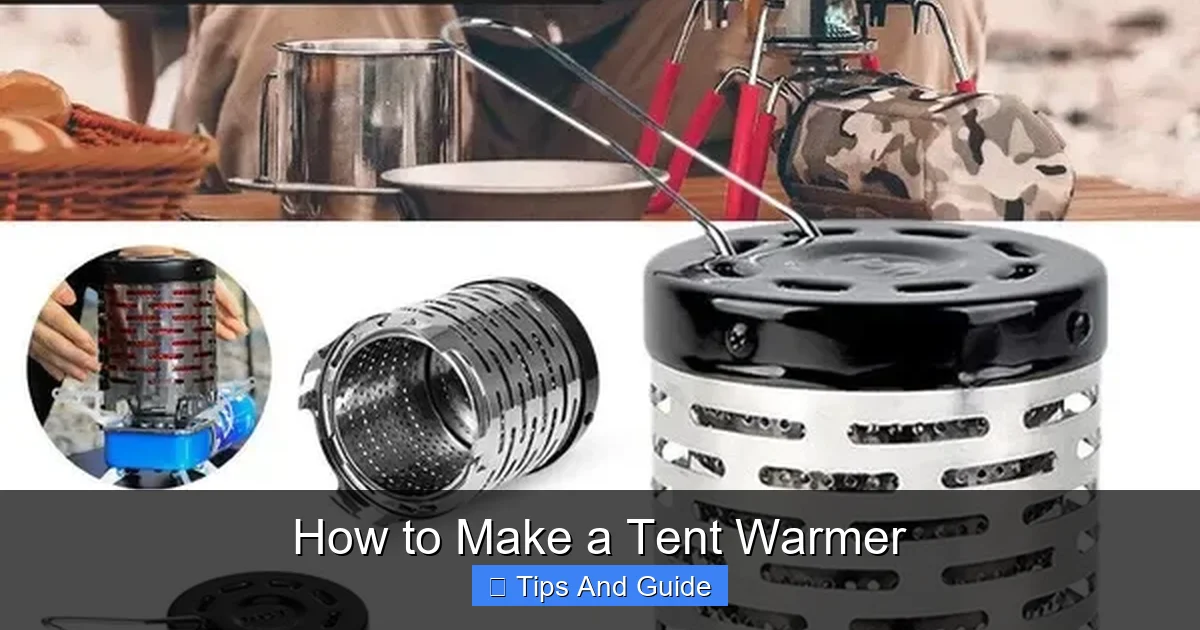
How to Make a Tent Warmer
Don’t let the cold ruin your camping adventure! This guide provides practical and effective methods to significantly increase the warmth inside your tent. From improving insulation to using personal heating solutions, you’ll discover how to create a cozy sanctuary even in chilly weather. Read on to learn how to make your tent warmer and enjoy your outdoor excursions year-round.
Camping is an incredible way to connect with nature, but nobody enjoys being cold and miserable. When the temperature drops, your tent can quickly become an icy box. Fortunately, making your tent warmer doesn’t require a lot of expensive gear or complicated setups. With a few smart strategies and readily available items, you can transform your tent into a toasty haven. This guide will walk you through everything you need to know about how to make a tent warmer, ensuring your camping trips are comfortable, no matter the season. We’ll cover insulation techniques, methods for sealing drafts, effective personal heating solutions, and crucial tips for maximizing your body’s natural warmth.
- Layering is Key: Multiple layers of insulation, both under and around you, are crucial for trapping body heat and preventing it from escaping.
- Seal Air Leaks: Identifying and sealing drafts is a primary step to prevent cold air from entering your tent.
- Ground Insulation Matters: The cold ground can steal your body heat. Proper under-tent insulation is vital.
- Personal Heating Solutions: Utilizing body heat, hot water bottles, and safe camping heaters can provide direct warmth.
- Ventilation is Still Important: While sealing drafts is key, proper ventilation is necessary to prevent condensation buildup.
- Proper Clothing is Essential: Wearing the right thermal layers will help your body generate and retain its own heat.
Why is Your Tent Cold? Understanding the Problem
Before we dive into solutions, let’s understand why tents get cold in the first place. Tents are typically made from thin, synthetic materials that offer little natural insulation. The primary ways heat is lost are:
- Conduction: Heat transfers directly from your body to the cold ground, sleeping bag, and tent floor.
- Convection: Cold air circulates around you, drawing heat away from your body.
- Radiation: Heat radiates outwards from your body into the colder air within the tent.
- Conduction (Air Leaks): Cold outside air enters the tent through gaps and openings, displacing warmer air.
Addressing these heat loss pathways is the core of making your tent warmer.
Step 1: Insulate Your Tent Floor – The Foundation of Warmth
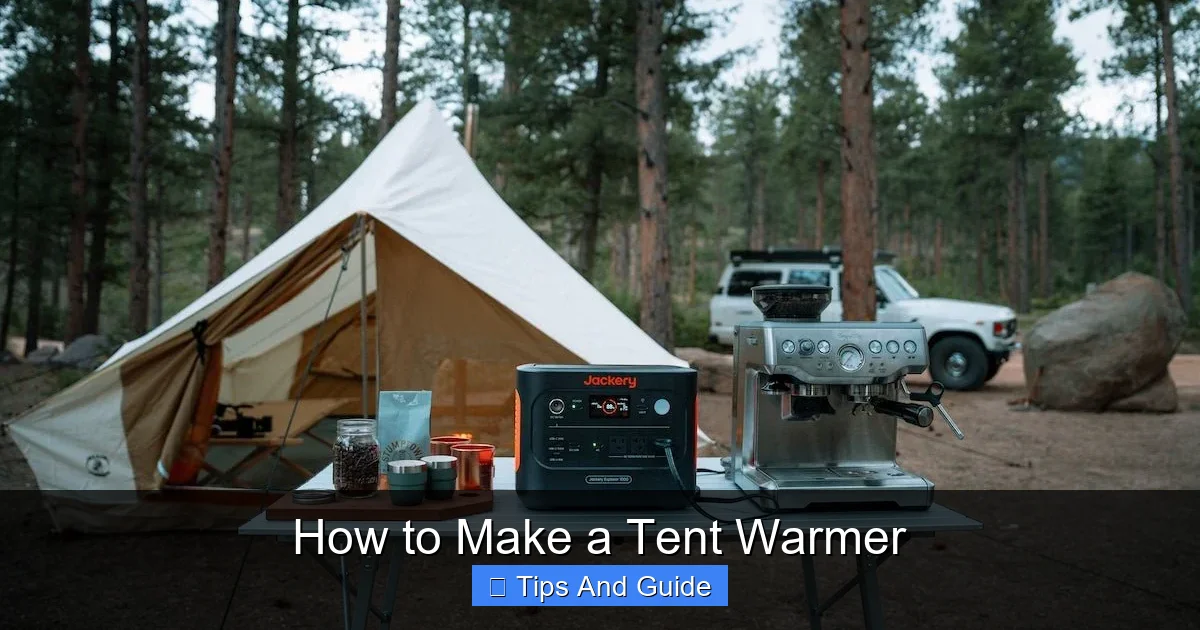
Visual guide about How to Make a Tent Warmer
Image source: jackery.com
The ground is a notorious heat thief. It can be significantly colder than the air temperature, and it’s in direct contact with your sleeping setup. Proper ground insulation is perhaps the most critical step to making your tent warmer.
Adding Extra Ground Layers
* Closed-Cell Foam Pad: These are lightweight, durable, and provide excellent insulation. They don’t compress easily, so they maintain their insulating properties. They are a fantastic choice for colder weather.
* Inflatable Sleeping Pad: These offer more comfort and often higher R-values (a measure of thermal resistance) than foam pads. Look for ones specifically rated for colder temperatures. You can even layer a foam pad *under* an inflatable pad for maximum insulation.
* Camping Mats: Various camping mats are available, offering different levels of insulation and comfort. Consider a thicker mat for winter camping. For a more comfortable sleep, you might look into the best camping mattress for a tent, though these are often bulkier.
* Reflective Material: Placing a reflective insulation barrier (like an emergency blanket or foil-backed insulation) between your tent floor and your sleeping pad can reflect your body heat back up towards you.
* Extra Tarps or Blankets: In a pinch, an extra tarp, ground cloth, or even a thick blanket placed under your tent can add an extra layer of insulation from the cold earth.
Practical Tip:
If you’re using multiple ground layers, ensure they are snug against each other with no gaps for cold air to seep in.
Step 2: Insulate Your Tent Walls and Ceiling
Visual guide about How to Make a Tent Warmer
Image source: wildernessredefined.com
While the floor is paramount, insulating the tent walls and ceiling can also make a significant difference. This helps to trap any heat you generate inside the tent and prevents it from escaping through the thin fabric.
Creating an Inner Tent Layer
* Emergency Blankets: Silver emergency blankets are excellent for reflecting heat. You can strategically drape them inside your tent, securing them with clips or tape. Be careful not to create too much condensation, however.
* Additional Tarps or Fabric: If you have a larger tent, you can hang a lightweight tarp or even a fabric sheet from the tent’s interior poles or guy lines to create an extra air gap between you and the outer tent wall. This trapped air acts as an insulator.
* Bubble Wrap: For extreme cold and if you don’t mind the aesthetic, large-bubble packing wrap can be cut to size and attached to the inside of your tent walls. The trapped air bubbles provide surprising insulation.
Practical Tip:
Ensure any added interior layers don’t obstruct ventilation points, which are still crucial for managing moisture.
Step 3: Seal Air Leaks – Stop the Drafts!
Visual guide about How to Make a Tent Warmer
Image source: deepertrails.com
Tents are rarely perfectly sealed. Zippers, seams, and poorly fitting doors can let in a surprising amount of cold air. Identifying and sealing these leaks is a straightforward yet highly effective way to make your tent warmer.
Finding and Sealing Drafts
* Check Zippers: Ensure tent zippers are fully closed. You can even use a small piece of duct tape or a clothespin to keep zippers from sliding open, especially those on the main door.
* Inspect Seams: Look for any gaps or worn areas in the seams of your tent. Small tears can be patched with seam sealant or repair tape.
* Ventilation Flaps: Many tents have adjustable vents. In colder weather, you’ll want to close these down as much as possible, but not entirely. Leaving a slight crack can help prevent condensation.
* Door Seals: Make sure the overlapping fabric or Velcro strips on your tent door are aligned and sealing properly.
* Use Duct Tape or Seam Sealer: For any persistent drafts, good old duct tape or specialized tent seam sealer can work wonders. Apply it from the inside to prevent it from being exposed to the elements.
Practical Tip:
On a windy day, you can often feel drafts easily. If it’s not windy, try holding a lit incense stick or a very thin piece of tissue near suspected leak points to see if the smoke or tissue moves.
Step 4: Optimize Your Sleeping Setup
Your sleeping bag and mattress are your primary personal insulation. Ensuring they are used effectively is key to staying warm.
Maximizing Sleeping Bag Performance
* Choose the Right Sleeping Bag: Ensure your sleeping bag is rated for the temperatures you expect. A bag that’s too warm can be unzipped or aired out, but a bag that’s too cold is a problem.
* Wear Dry, Thermal Layers: Never sleep in the clothes you wore during the day, especially if they are damp. Wear dry, clean base layers made of wool or synthetic materials. Avoid cotton, as it holds moisture and makes you colder.
* Wear a Hat and Socks: A significant amount of body heat is lost through your head and feet. Wear a warm hat and dry, wool socks to bed.
* Use a Sleeping Bag Liner: A fleece or silk sleeping bag liner can add several degrees of warmth to your existing sleeping bag and also keeps your bag cleaner.
* Stuff Clothing Inside Your Sleeping Bag: Any loose clothing or spare dry items can be stuffed into the bottom of your sleeping bag to act as extra insulation for your feet.
* Don’t Over-Compress Your Bag: Your sleeping bag relies on loft (fluffiness) to trap air and insulate. If your sleeping bag is too tight, it can compress the insulation, reducing its effectiveness.
Practical Tip:
Warming up your sleeping bag before you get in can make a big difference. Do some jumping jacks or a quick walk outside to get your circulation going. You can also place a hot water bottle (secured in a waterproof bag) inside your sleeping bag about 15-20 minutes before you plan to go to sleep.
Step 5: Personal Heating Solutions – Safe and Effective
While insulating your tent is crucial, sometimes you need a little extra boost of warmth. There are several safe and effective ways to generate heat inside your tent.
Utilizing Safe Heating Methods
* Hot Water Bottle: As mentioned, a robust, leak-proof hot water bottle is a fantastic, low-tech way to warm up your sleeping bag or your core. Ensure the lid is screwed on tightly and it’s wrapped in a towel or sock to prevent burns.
* Hand Warmers and Foot Warmers: Disposable chemical hand warmers can be a lifesaver for cold feet or hands. Place them in your sleeping bag, pockets, or shoes. Reusable chemical or gel warmers are also an option.
* Small Camping Heater (Use with Extreme Caution): This is where you need to be most careful. If you decide to use a camping heater, **always ensure it is specifically designed for indoor tent use** and follow the manufacturer’s instructions meticulously.
* Propane Heaters: These can be very effective but require good ventilation. Never use them overnight while sleeping. Always place them on a stable surface away from flammable materials. It’s wise to have a carbon monoxide detector if using any fuel-burning heater. Many experts recommend looking at the best camping heater for a tent and carefully reading reviews and safety guidelines. For specific types, consider the best pop up tent heater.
* Electric Heaters: If you have access to electricity (e.g., at a campsite with power hookups), a small electric heater can be a safe and efficient option. Ensure it has an auto-shutoff feature.
* Body Heat: The more people in a tent, the warmer it can become due to shared body heat. If you’re camping with others, cuddling up can provide significant warmth.
Safety First!
* **Never use outdoor heaters or grills inside a tent.** They produce dangerous carbon monoxide.
* **Ensure adequate ventilation** even when using a tent-safe heater. This is crucial to prevent carbon monoxide buildup and condensation.
* **Have a carbon monoxide detector** if you are using any fuel-burning heating device.
* **Never sleep with a fuel-burning heater on.**
Step 6: Manage Condensation
As you heat your tent, moisture from your breath and body will condense on the cooler tent walls. This condensation can then drip down, making things feel colder and damp.
Tips for Reducing Condensation
* **Ventilate: ** This might seem counterintuitive when trying to keep warm, but proper ventilation is essential. Open your tent’s vents slightly, even in cold weather. This allows moist air to escape and drier air to enter. You can also slightly unzip the top of your tent door.
* **Minimize Moisture Sources: ** Try not to cook inside your tent, as this adds a lot of moisture. If you must, ensure maximum ventilation.
* **Wipe Down: ** If you notice condensation, use a towel to wipe down the tent walls.
Step 7: Clothing and Personal Comfort
Beyond your sleeping setup, your clothing choices play a significant role in your overall warmth.
Dress for the Cold
* **Base Layers: ** As mentioned, wear moisture-wicking base layers (wool or synthetic) to bed.
* **Mid Layers: ** Fleece or down jackets can be worn around camp and even in your sleeping bag if it’s very cold.
* **Outerwear: ** While you won’t sleep in your bulky outerwear, having it readily available for quick trips outside the tent is important.
* **Warm Socks and Gloves: ** Keep your feet and hands warm. Bring extra pairs of dry wool socks.
Practical Tip:
Keep your spare clothes for sleeping in a dry bag inside your sleeping bag. This ensures they are warm and dry when you need them.
Troubleshooting Common Tent Warming Issues
* **Still too cold?** Double-check your ground insulation. This is often the biggest culprit. Layer more pads or blankets. Ensure your sleeping bag is fully lofted.
* **Waking up damp?** Increase ventilation slightly. Make sure you’re not breathing directly onto the tent walls.
* **Cold feet?** Ensure you have warm, dry socks. A hot water bottle at the foot of your sleeping bag can work wonders. Make sure your sleeping bag isn’t too tight, which can restrict circulation.
* **Feeling drafts?** Go on a draft hunt and seal them with tape or appropriate sealants.
Conclusion
Making your tent warmer is about smart insulation, draft prevention, and utilizing your body’s natural heat effectively. By implementing the steps outlined in this guide – focusing on your ground setup, insulating walls, sealing leaks, optimizing your sleeping gear, and using safe personal heating methods – you can ensure your camping trips are cozy and enjoyable, even when the mercury plummets. Remember that layering, both in your sleeping system and your clothing, is your best friend when it comes to staying warm outdoors. So, gear up, layer up, and get ready to embrace the great outdoors in comfort!