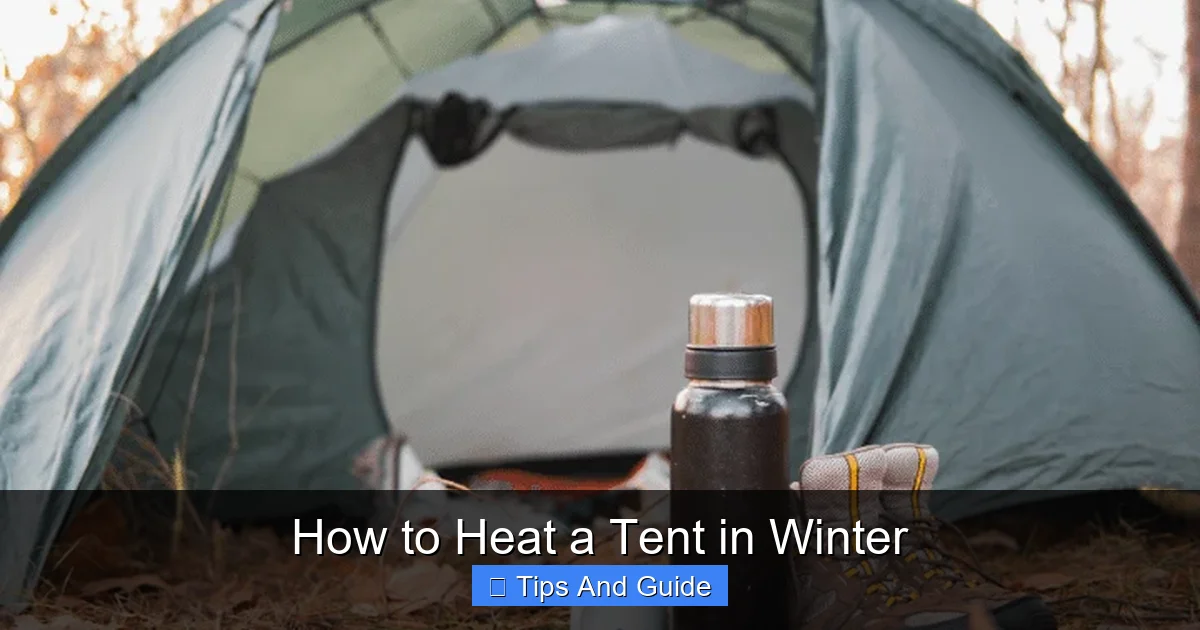
How to Heat a Tent in Winter
Staying warm in a tent during winter is crucial for a comfortable camping experience. This guide offers practical, safe, and effective methods to heat your tent, from insulation techniques to choosing the right heating equipment. Learn how to prepare your campsite, layer your clothing, and utilize innovative solutions to combat the cold and ensure you have a cozy winter adventure.
Heading out into the wilderness during the winter months can be an incredibly rewarding experience. The crisp air, stunning snowy landscapes, and fewer crowds offer a unique kind of peace. However, one of the biggest challenges of winter camping is staying warm inside your tent. A cold tent can quickly turn a dream trip into a miserable ordeal. But fear not! With the right knowledge and preparation, you can transform your winter tent into a cozy sanctuary.
This comprehensive guide will walk you through everything you need to know about how to heat a tent in winter. We’ll cover essential preparation steps, effective insulation techniques, safe methods for external heating, and important safety considerations. By the end of this guide, you’ll be equipped with the knowledge to enjoy your winter camping adventures in comfort and warmth.
- Insulation is Key: Proper tent insulation is your first line of defense against the cold. Focus on sealing drafts, using ground insulation, and selecting a well-insulated tent.
- Body Heat is a Resource: Your own body warmth can significantly contribute to heating your tent. Proper sleeping gear and avoiding heat loss are essential.
- Safe Heating Devices: When using external heating devices, prioritize safety. Opt for purpose-built camping heaters and ensure proper ventilation to prevent carbon monoxide poisoning.
- Layering is Crucial: While not directly heating the tent, wearing appropriate layers of clothing will help you retain body heat and stay warm, indirectly contributing to the tent’s internal temperature.
- Ventilation is Non-Negotiable: Even with heating, proper ventilation is vital to prevent condensation buildup and the dangerous accumulation of carbon monoxide.
Preparing Your Campsite for Winter Warmth
Before you even think about setting up your tent, the campsite itself needs some preparation to maximize warmth. The ground can be a significant source of heat loss.
Choosing the Right Location
The spot you choose can make a difference.
- Seek Shelter: Whenever possible, set up your tent in a location that offers natural windbreaks, like behind a dense stand of trees or a large rock formation. This will reduce the amount of cold wind hitting your tent.
- Avoid Low-Lying Areas: Cold air sinks. Setting up in a hollow or valley can mean you’re camping in a cold air pocket. Opt for slightly elevated ground if possible.
- Consider the Sun: If you’re camping in an area that gets sunlight during the day, positioning your tent to catch those rays can provide passive solar heating.
Ground Insulation: Your First Layer of Defense
The ground beneath your tent will suck heat away from you like a sponge. Proper ground insulation is absolutely critical for keeping your tent warm.
Using a Ground Tarp or Footprint
Most tents come with or can be fitted with a footprint, a custom-made tarp that goes under the tent. This adds an extra layer between your tent floor and the cold ground.
Adding a Layer of Natural Insulation
If you’re in an area with pine needles, dry leaves, or even snow, you can use these to create an additional insulating layer on the ground before you lay down your footprint and tent. A thick layer of dry leaves or pine needles can be surprisingly effective. If you have snow, you can pack it down firmly around the base of your tent and even slightly up the sides.
The Importance of a Good Sleeping Pad
This is arguably the most important piece of gear for staying warm at night. Your sleeping pad provides insulation between your body and the tent floor.
- R-Value: Look for sleeping pads with a high R-value. The R-value measures thermal resistance; the higher the number, the better the insulation. For winter camping, aim for a pad with an R-value of 4 or higher.
- Thickness: Thicker pads generally offer more comfort and insulation.
- Layering Pads: For extreme cold, consider using two sleeping pads – a closed-cell foam pad topped with an inflatable insulated pad. This combination offers excellent insulation and comfort. A good sleeping mat for your tent is a must-have.
Maximizing Your Tent’s Insulation
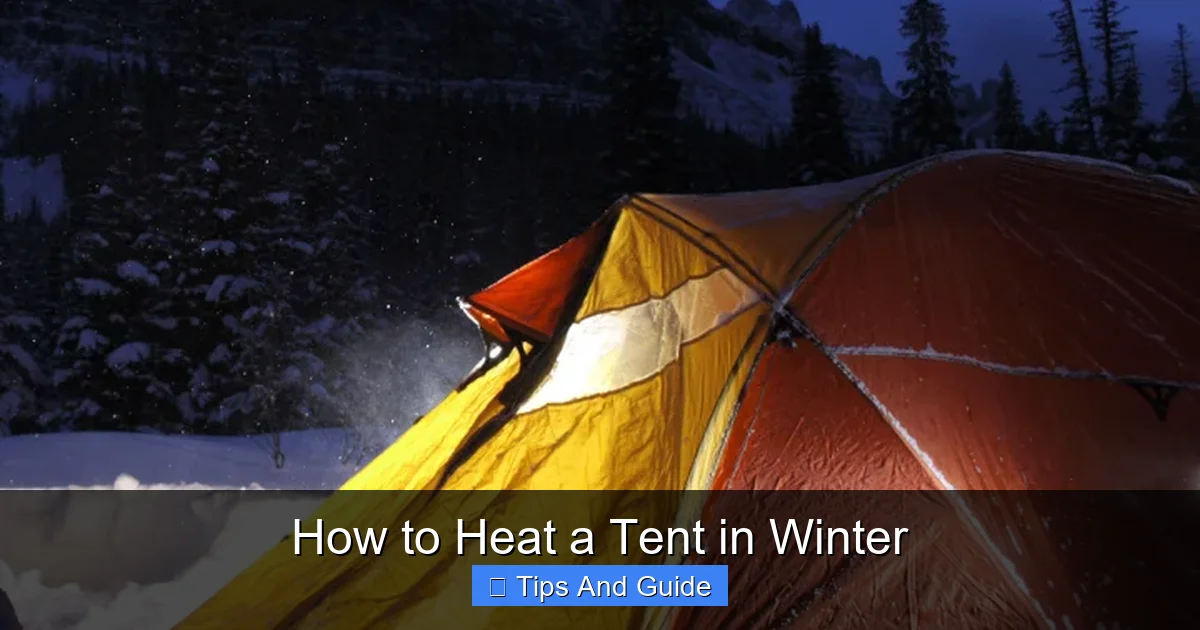
Visual guide about How to Heat a Tent in Winter
Image source: packyourtent.com
Once your tent is set up, you can take further steps to improve its thermal efficiency.
Sealing Drafts
Anywhere cold air can enter, warm air can escape.
- Check Zippers and Seams: Ensure all zippers are fully closed and that there are no obvious gaps in the tent seams.
- Use Draft Stoppers: You can improvise draft stoppers using rolled-up towels, sleeping bags, or spare clothing to place along the base of tent walls, especially around the entrance.
- Ventilation Flaps: While you need ventilation, ensure that any adjustable ventilation flaps are not wide open if they are letting in direct, cold drafts.
Condensation Management
This is a critical, often overlooked, aspect of winter tent heating. When you breathe inside a tent, you release moisture. If this moisture can’t escape, it will condense on the cold tent walls, turning into frost or water droplets. This can drip down, making your sleeping bag damp and you cold.
Ventilate, Ventilate, Ventilate!
It sounds counterintuitive when you’re trying to stay warm, but proper ventilation is crucial. Open your tent’s vents slightly, even on the coldest nights. This allows moist air to escape and fresh, drier air to enter.
- Vent Placement: Position vents so that air can flow through without creating direct drafts on your sleeping area. Often, opening vents on opposite sides of the tent helps create a cross-breeze.
- Managing Frost: If frost builds up on the inside of your tent, you can sometimes gently brush it away from the inside to prevent it from melting and dripping later.
Utilizing Your Gear for Insulation
Think creatively about how your camping gear can help retain heat.
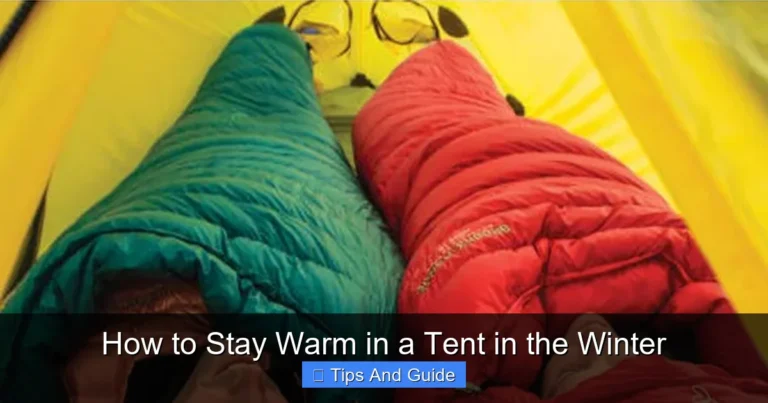
Sleeping Bags: The Inner Warmth System
Your sleeping bag is your primary personal heater.
- Temperature Rating: Ensure your sleeping bag is rated for the temperatures you expect to encounter. It’s always better to have a bag that’s too warm than one that’s too cold.
- Sleeping Bag Liners: A sleeping bag liner can add several degrees of warmth to your bag. They are lightweight and easy to pack.
- Wear Warm Layers to Bed: Wearing clean, dry base layers (thermals) to sleep in helps trap body heat within your sleeping bag. Avoid wearing too many layers, as this can compress the loft of your sleeping bag and reduce its insulating ability.
- Hat and Socks: Wearing a warm hat and clean, dry wool socks to bed can make a significant difference, as you lose heat from your extremities.
Extra Insulation Inside the Tent
You can add extra layers of insulation inside your tent, particularly around your sleeping area.
- Spare Clothing: Stuff spare dry clothes, extra blankets, or even a spare sleeping pad around the perimeter of your sleeping area.
- Duffel Bags: Empty duffel bags can be stuffed with clothing and used as draft blockers or extra padding.
Safe and Effective Tent Heating Methods
Visual guide about How to Heat a Tent in Winter
Image source: packyourtent.com
While insulation and body heat are your primary strategies, sometimes you’ll need a bit more warmth. This is where heating devices come in, but safety must be paramount.
Body Heat: The Natural Heater
Don’t underestimate the power of your own body.
- Hydration: Staying hydrated is important for your body to regulate temperature effectively.
- Eat Well: Your body burns calories to generate heat. Eating warm, calorie-dense foods before bed can help keep you warm throughout the night.
- Light Activity: If you’re feeling chilly, a few minutes of light exercise, like jumping jacks or walking in place inside your tent (if space allows), can generate body heat. Avoid strenuous activity right before bed, as it can make you sweat, leading to a chill later.
Hot Water Bottle Trick
This is a simple, safe, and effective way to add warmth to your sleeping bag or tent.
- Use a Sturdy, Leak-Proof Water Bottle: A wide-mouth Nalgene bottle is ideal. Ensure it’s securely closed.
- Fill with Hot Water: Fill it with hot, but not boiling, water. Boiling water can damage the bottle and pose a burn risk.
- Wrap it Up: Wrap the bottle in a sock or a small towel before placing it in your sleeping bag or near your feet.
- Refill if Needed: The water will cool over time, but it provides a good initial boost of warmth.
Chemical Hand/Body Warmers
These single-use packets provide instant heat and can be a lifesaver for keeping extremities warm.
- Placement: Place them in your pockets, gloves, or even inside your sleeping bag (ensure they don’t directly touch your skin for extended periods to avoid burns).
- Types: They come in various sizes and durations, so choose what suits your needs.
Purpose-Built Tent Heaters (Use with Extreme Caution)
This is where safety becomes critically important. **Never use a camping heater that is not specifically designed for indoor tent use.** Even then, always follow manufacturer instructions religiously.
Propane Heaters
These are common but require careful handling.
- Ventilation is Non-Negotiable: Always ensure adequate ventilation. Most propane heaters are designed to operate with a certain amount of fresh air intake and exhaust. Never seal your tent completely when using one.
- Carbon Monoxide Detectors: This cannot be stressed enough: **always use a battery-powered carbon monoxide detector inside your tent when using any fuel-burning heater.** Propane combustion produces deadly carbon monoxide gas, which is odorless and colorless.
- Placement: Place the heater on a stable, non-flammable surface, away from sleeping bags, tent walls, and other flammable materials.
- Model Selection: Look for models specifically designed for enclosed spaces, like those with tip-over shut-off features and oxygen depletion sensors. Reading reviews on the best camping heater for a tent can be very helpful here.
- Consider Alternatives: For many campers, the risks associated with propane heaters outweigh the benefits.
Kerosene Heaters
Similar safety concerns to propane heaters.
- Ventilation: Crucial.
- Carbon Monoxide Detectors: Absolutely essential.
- Fuel Storage: Store fuel safely and away from the tent.
Electric Heaters
These are only an option if you have a reliable power source, such as a generator or a campsite with electrical hookups.
- Power Consumption: They can be power-hungry, so ensure your power source can handle the load.
- Safety Features: Look for models with automatic shut-off features if they overheat or are tipped over.
- Ventilation: While they don’t produce carbon monoxide, they can still consume oxygen, so some ventilation is still advisable.
Buddy Heaters (e.g., Mr. Heater Buddy)
These are popular propane heaters.
- Safety Features: They typically have a low-oxygen sensor and a tip-over safety switch.
- Ventilation: Still a requirement. Never operate in a completely sealed tent.
- Size: They are quite powerful and can heat a medium-sized tent quickly.
Choosing the Right Tent for Winter
While this guide focuses on heating any tent, the tent itself plays a significant role.
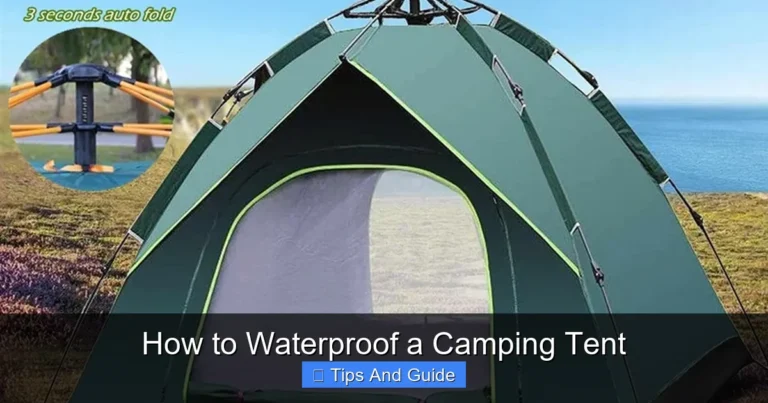
- Four-Season Tents: These are designed for harsh weather, with sturdier poles, more durable fabric, and better wind resistance. They also tend to have better insulation and ventilation options for winter use. If you plan on frequent winter camping, investing in a good winter tent is highly recommended. You can find great options, including the best pop up tent for winter.
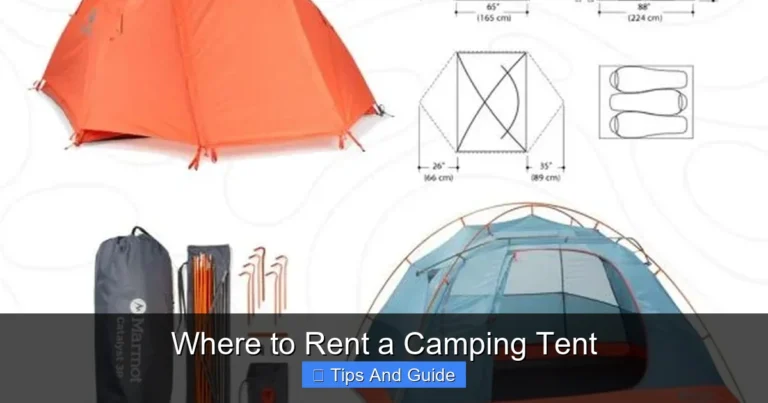
- Tent Size: A smaller tent is easier to heat with body heat, as there’s less volume of air to warm up.
- Tent Material: Tents made with thicker, more robust fabrics can offer better insulation.
Troubleshooting Common Winter Tent Problems
Visual guide about How to Heat a Tent in Winter
Image source: packyourtent.com
Even with the best preparation, you might run into issues.
Excessive Condensation
If you wake up to a dripping tent:
- Increase Ventilation: Open vents further, even if it feels too cold.
- Wipe Down Walls: Use a towel to wipe down the inside walls of your tent.
- Dry Out Gear: If possible, hang damp gear inside the tent during the day when it’s warmer, or dry it out near a heat source (safely!).
Feeling Chilly Despite Efforts
If you’re still cold:
- Re-evaluate Sleeping Bag: Is it warm enough? Is it lofting properly?
- Check Ground Insulation: Is your sleeping pad sufficient? Are there gaps?
- Warm Drink: A warm, non-alcoholic beverage can help raise your internal temperature.
- Hot Water Bottle: As mentioned, this is a reliable option.
Conclusion
Heating a tent in winter is a balance of insulation, personal warmth, and safe, supplemental heating. By focusing on preparing your campsite, maximizing your tent’s insulation, and utilizing your own body heat effectively, you can create a comfortable winter camping environment. When considering external heaters, always prioritize safety by ensuring proper ventilation and using carbon monoxide detectors. With these strategies, you can embrace the beauty of winter camping without sacrificing comfort. Remember, a well-prepared camper is a warm and happy camper!