How to Close Tent
Learn how to close your tent efficiently and properly to ensure its longevity and ease of transport. This guide covers everything from detaching accessories to folding and storing your tent correctly. Following these steps will make future camping trips smoother and protect your investment.
# How to Close Tent
Camping is an amazing way to connect with nature, and having a reliable tent is your cozy home away from home. But just like setting up your tent is an important skill, knowing how to close it properly is equally vital. A well-packed tent is easier to carry, takes up less space, and, most importantly, lasts much longer. This guide will walk you through everything you need to know to close your tent like a pro, ensuring it’s ready for your next adventure.
We’ll cover cleaning, disassembling, folding, and storing your tent. By following these simple steps, you’ll protect your gear, avoid frustrating packing sessions, and keep your tent in top condition for years to come. Let’s get started!
## Step 1: Prepare for Packing – Cleanliness and Dryness First
This is arguably the most important step, and it’s often overlooked. Trying to stuff a dirty or damp tent back into its bag is a recipe for disaster. Mold, mildew, and unpleasant odors are common consequences of improper storage.
### H3: Shake Out Debris
Before you even think about folding, give your tent a good shake.
- Inside: Turn the tent inside out and shake out any dirt, leaves, sand, or other debris that has accumulated inside. Pay attention to corners and pockets.
- Outside: Flip the tent back over and shake out anything clinging to the exterior fabric.
If you have a brush or a small hand vacuum, now is a great time to use it for stubborn dirt.
### H3: Dry Your Tent Thoroughly
If your tent is even slightly damp from dew, rain, or condensation, you must dry it completely. This is critical for preventing mold and mildew.
- Air Dry: The best method is to set up your tent again, even if it’s just for a few hours, in a sunny, breezy spot. Open all doors and windows to maximize airflow.
- Wipe Down: If you can’t set it up, use a dry towel to wipe down all surfaces, inside and out. If it’s very wet, a slightly damp cloth can be used for a quick wipe, but ensure it dries afterward.
- Sunlight is Your Friend: A little bit of sunlight can help dry the fabric and also has natural disinfectant properties. However, don’t leave it out in direct, harsh sunlight for too long, as it can degrade the fabric over time.
Ensure the rainfly and footprint (if you use one) are also completely dry. If you’re packing up in the morning after a rainy night and can’t dry it, take it home as soon as possible to air it out properly.
## Step 2: Systematically Disassemble Your Tent
Think of this as reversing the setup process. Taking things apart in a logical order makes packing much smoother.
### H3: Remove Stakes and Guy Lines
- Carefully pull out all tent stakes from the ground. If the ground is hard, you might need a stake puller or a sturdy stick to help leverage them out.
- Untie or detach any guy lines that are still attached to the stakes or anchor points. Keep stakes together; many tents come with a small bag for them.
### H3: Detach Poles
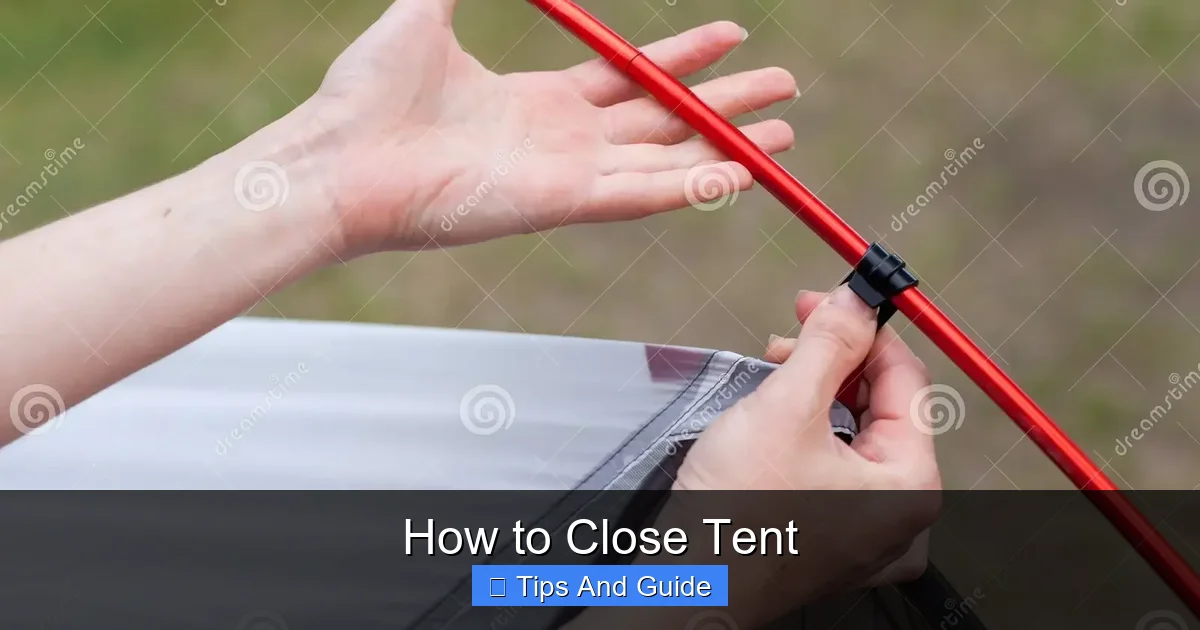
- Most modern tents use shock-corded poles that easily snap together and apart.
- Gently pull the pole sections apart. Avoid yanking, as this can damage the elastic cord inside.
- If your tent has sleeves, carefully slide the poles out. For clips, simply unclip them.
- Bunch the poles together. Many tents have a dedicated pouch or strap for the poles.
### H3: Remove the Rainfly and Footprint
- Carefully unclip or untie the rainfly from the tent body.
- If you used a footprint, detach it from the tent as well.
- Lay the rainfly and footprint flat and give them a quick shake to remove any remaining debris. If they are still damp, ensure they are dried thoroughly before packing.
### H3: Take Down the Tent Body
- Once all poles, stakes, and the rainfly are removed, the tent body should be easier to manage.
- Gently pull the tent fabric away from any remaining stakes or anchor points.
## Step 3: Folding Your Tent
This is where the magic happens – transforming your spacious shelter into a compact bundle. The exact folding method can vary slightly depending on your tent’s design, but the general principles are the same.
### H3: The “Lay Flat and Fold” Method
This is a common and effective technique.
- Lay the tent body flat on the ground.
- Smooth out any major wrinkles.
- Fold the tent in half lengthwise, bringing one side over to meet the other. Try to align the edges as neatly as possible.
- Fold it in half again, lengthwise. You should now have a long, narrow strip of fabric.
- Now, fold this strip into thirds or quarters, depending on how wide the tent is and how small you need it to be to fit into its bag. Aim for a consistent width.
### H3: The “Rolling” Method
Some people find rolling the tent easier, especially for larger tents or those with a more rigid pole structure.
- Lay the tent flat.
- Fold the tent in half lengthwise, as described above, creating a long strip.
- Starting from one end, tightly roll the tent fabric up. Try to keep the roll as compact and even as possible.
- Once rolled, you can secure it with the tent’s compression straps if it has them, or use separate straps.
### H3: Incorporate Poles and Stakes
- **Poles:** Most tents have a specific stuff sack or bag for poles. Slide the bundled poles into this bag. If not, place them alongside the folded tent.
- **Stakes:** Gather all your tent stakes and place them in their designated stake bag.
- Rainfly and Footprint: These can be folded separately and placed on top of the rolled or folded tent, or folded and tucked into the main tent bag if space allows. For better organization and to avoid sharp edges, some people prefer to stuff them loosely into the main tent bag after the tent body and poles are in.
### H3: Stuffing vs. Folding into the Bag
Many tents come with a “stuff sack” which is less about precise folding and more about just getting everything in. If your tent has a stuff sack, you can loosely roll or fold the tent and then stuff it in. This is often quicker. However, for longer-term storage, a more precise fold can prevent unnecessary creasing of the fabric. The original carry bag is usually designed to be a snug fit, so don’t be discouraged if it takes a little effort to get everything in.
## Step 4: Secure and Store Your Tent
Once everything is folded and organized, it’s time to put it away safely.
### H3: Place Everything in the Carry Bag
- Carefully place the folded tent, pole bag, and stake bag into the main tent carry bag.
- Zip it up securely.
### H3: Choose the Right Storage Location
The storage location for your tent is crucial for its lifespan.
- Cool and Dry: Avoid hot attics, damp basements, or garages prone to extreme temperature fluctuations. A climate-controlled closet or a dedicated storage bin in a cool, dry room is ideal.
- Away from Sunlight: UV rays can degrade tent fabric over time. Ensure the storage area is dark.
- Off the Ground: If possible, store the tent off the floor to protect it from potential water damage or pests.
- Ventilated: While the bag should be closed, avoid sealing it in an airtight container for extended periods, especially if there’s any residual moisture, as this can trap odors or moisture. Some breathable storage bags are available if you’re concerned about mold.
### H3: Periodic Checks
If you store your tent for long periods, it’s a good idea to take it out every 6-12 months.
- Air it out for a day or two to ensure no moisture has accumulated.
- Check for any signs of damage or pests.
This simple practice can prevent issues from developing unnoticed.
## Practical Tips for Closing Your Tent
* **Read Your Tent’s Manual:** Different tents have specific folding recommendations. Check your owner’s manual for any unique instructions.
* **Practice Makes Perfect:** The first few times you close your tent might feel awkward. The more you do it, the faster and more efficient you’ll become.
* **Don’t Force It:** If something isn’t fitting easily, don’t force it. Re-fold or adjust until it slides in smoothly. Forcing can rip seams or tear fabric.
* **Consider a Ground Tarp/Footprint:** Using a footprint not only protects the bottom of your tent but also makes cleanup easier. You can often just fold it up with the tent.
* **Deal with Gear Inside:** Remove all personal gear, sleeping bags, pads, and cooking equipment. Remember that even a good camping mattress for tent needs to be rolled or folded properly.
* **Separate Accessories:** If you use accessories like a camping kitchen tent or a special camping light for tent, pack them separately.
## Troubleshooting Common Issues
* **Tent Smells Musty:** This is a classic sign of being packed while damp. Air the tent out thoroughly outdoors for a day or two. If the smell persists, you might need to wash it with a tent-specific cleaner. Ensure it dries completely afterward.
* **Stuck Zipper:** Apply a bit of lubrication like graphite pencil lead, lip balm, or a silicone spray. Gently work the zipper back and forth. Never force a stuck zipper, as you can easily damage it.
* **Difficult to Fit Back in the Bag:**
* Is the tent fully dry and free of debris?
* Did you fold it as compactly as possible? Try re-folding, ensuring you push out as much air as you can.
* Are the poles and stakes neatly packed?
* If it’s a stuff sack, sometimes a looser, more random stuffing method can work better than precise folding.
* **Tears or Rips:** Small tears can often be repaired with seam sealer or patch kits. Larger tears might require professional repair or replacement.
## Conclusion
Closing your tent isn’t just about getting it into its bag; it’s a vital part of maintaining your camping gear. By taking the time to clean, dry, and fold your tent properly, you’re investing in its longevity and ensuring that your next camping trip starts off without a hitch. A well-cared-for tent will provide you with comfortable shelter and memorable experiences for many adventures to come. So, remember to treat your tent with care, and it will serve you faithfully for years on the trail and at the campsite. Happy camping!
Key Takeaways
- Cleanliness is Crucial: Always ensure your tent is clean and dry before packing it away to prevent mold, mildew, and damage.
- Systematic Disassembly: Work backward from setting up your tent, removing poles, stakes, and rainfly methodically.
- Proper Folding Technique: Fold your tent according to its design, typically in thirds or by rolling, to fit back into its original bag.
- Secure Storage: Store your folded tent in a cool, dry place, away from direct sunlight and pests, to maintain its condition.
- Pole and Stake Care: Store poles in their sleeve or bag and keep stakes organized to avoid loss or damage.
- Rainfly and Footprint Management: Pack these separately or together with the tent, ensuring they are also clean and dry.