

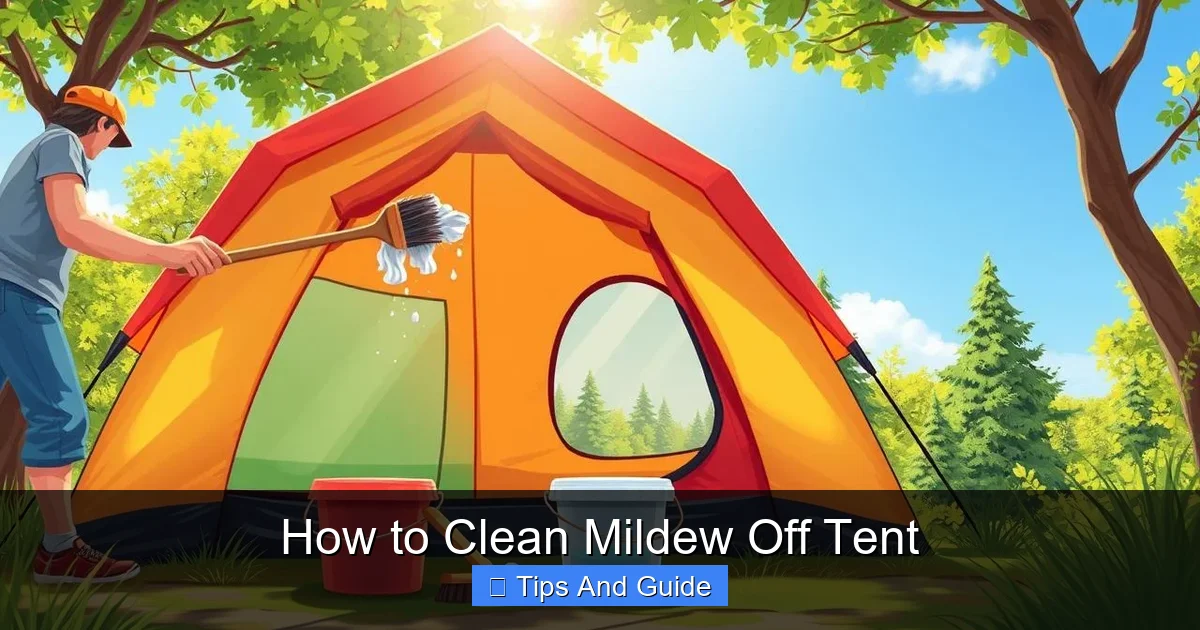
Don’t let mildew ruin your camping gear! This comprehensive guide provides easy-to-follow steps for effectively cleaning mildew off your tent. From preparation to drying and prevention, you’ll learn how to restore your tent and keep it in top condition for your next outdoor escapade. With simple household items, you can tackle mildew and enjoy a fresh, clean tent.
Heading outdoors for a camping trip is an exhilarating experience. The fresh air, the starry nights, and the freedom of being in nature – it’s all part of the adventure. But imagine setting up your beloved tent, only to be greeted by unsightly mildew spots and a musty smell. It’s a common problem for campers, especially if a tent hasn’t been stored properly. Mildew thrives in damp, dark environments, and a packed-away tent is the perfect breeding ground. But don’t despair! Cleaning mildew off a tent is a manageable task. This guide will walk you through everything you need to know to effectively tackle mildew and restore your tent to its former glory, ensuring it’s ready for your next adventure. We’ll cover what you’ll need, step-by-step cleaning instructions, drying techniques, and essential prevention tips.
Key Takeaways
- Identify and Inspect: Before cleaning, thoroughly inspect your tent for the extent of mildew growth.
- Gather Supplies: You’ll need mild soap, water, a soft brush, a sponge, and a well-ventilated outdoor space.
- Gentle Cleaning: Use a mild soap solution and avoid harsh chemicals that can damage tent fabric.
- Thorough Rinsing: Ensure all soap residue is completely rinsed away to prevent future mildew issues.
- Proper Drying: This is a crucial step; air dry the tent completely in a well-ventilated area, out of direct sunlight.
- Preventative Measures: Store your tent dry and in a breathable bag to minimize the risk of mildew returning.
Why Mildew Forms on Tents
Before we dive into cleaning, it’s helpful to understand why mildew likes your tent so much. Mildew is a type of mold that grows on organic materials, like the fabric and coatings of your tent. It typically appears as black, green, or white spots and often comes with a distinctive musty odor. The primary culprits behind mildew growth are:
- Moisture: This is the biggest factor. If a tent is packed away while still damp from rain, dew, or condensation, it creates the perfect humid environment for mildew. Even residual moisture from humidity in the storage area can contribute.
- Lack of Ventilation: Tents stored in airtight bags or containers in damp places can trap moisture and prevent air circulation, accelerating mildew growth.
- Dirt and Organic Matter: Leaves, soil, and other organic debris left on a tent can provide a food source for mildew spores.
- Warmth: While not as critical as moisture, warmer temperatures can speed up the growth process.
Preparing Your Tent for Cleaning
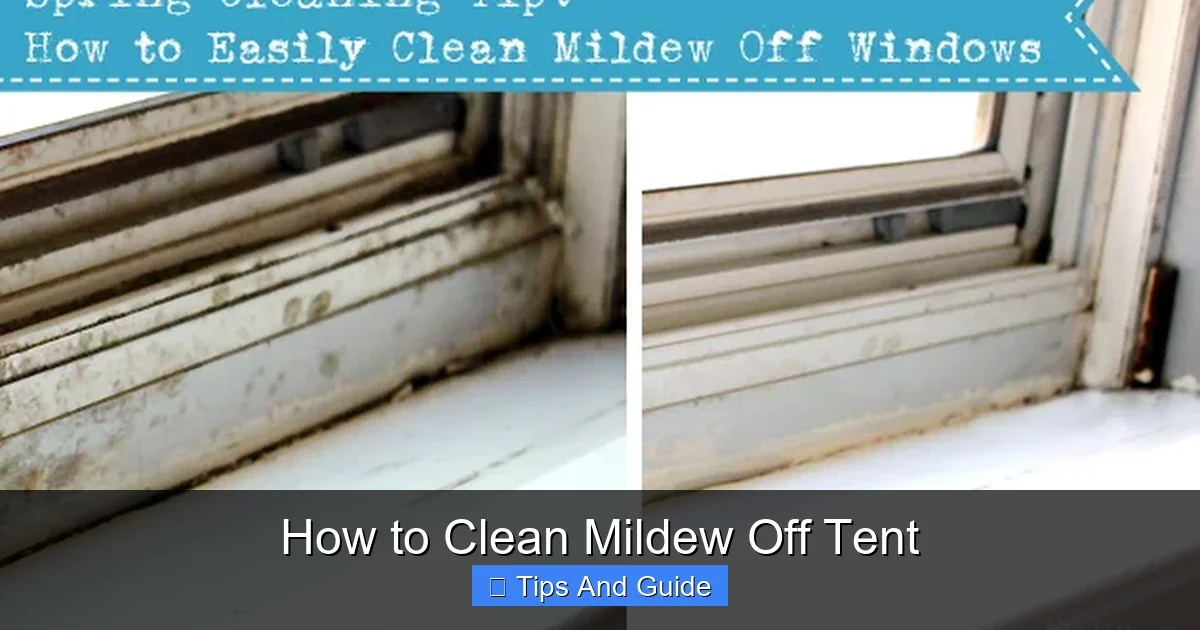
Visual guide about How to Clean Mildew Off Tent
Image source: prettyhandygirl.com
A little preparation goes a long way in making the cleaning process smoother and more effective. Before you start scrubbing, take these steps:
Step 1: Inspect the Tent
Visual guide about How to Clean Mildew Off Tent
Image source: prettyhandygirl.com
Assess the Damage
Before you begin cleaning, carefully inspect your tent. Look for all areas affected by mildew. You might find spots on the tent body, fly, or even the poles or zippers. Note the severity of the mildew – is it just a few small spots, or is it widespread? This will help you determine the best cleaning approach and how much time you’ll need.
Choose a Suitable Location
Find a spacious, well-ventilated outdoor area for cleaning. A sunny spot is ideal, but avoid direct, intense sunlight for prolonged periods once the tent is wet, as it can sometimes degrade certain tent fabrics. A driveway, patio, or a clean patch of grass can work well. Ensure you have access to a water source.
Step 2: Gather Your Cleaning Supplies
Visual guide about How to Clean Mildew Off Tent
Image source: moldhelpforyou.com
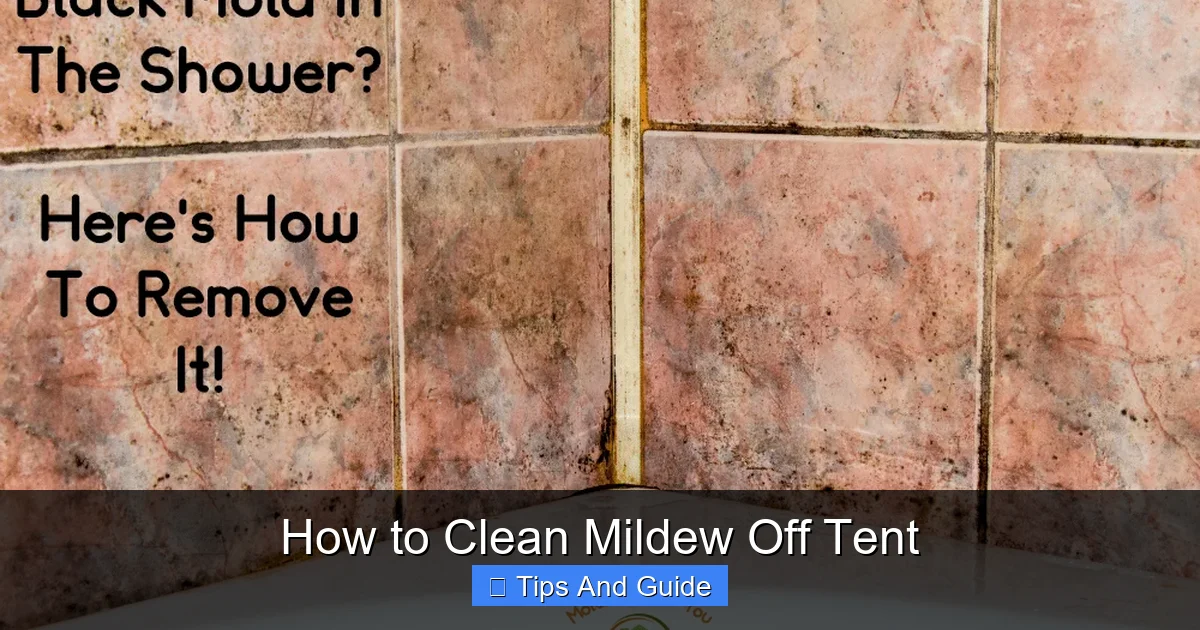
You don’t need specialized, expensive products to clean mildew off a tent. Most common household items will do the trick. Here’s what you’ll likely need:
- Mild Soap: Use a gentle, biodegradable camp soap, dish soap, or a specially formulated tent cleaner. Avoid harsh detergents or bleach, as these can damage the waterproof coatings and fabric of your tent.
- Water: Plenty of clean water for washing and rinsing.
- Soft Brush or Sponge: A soft-bristled brush (like a dish brush or a clothes brush) or a soft sponge is ideal for gently scrubbing the mildew spots. Avoid stiff brushes that could abrade the fabric.
- Clean Cloths or Towels: For wiping down and absorbing excess moisture.
- Bucket or Hose: For mixing your cleaning solution and rinsing the tent.
- Optional: White Vinegar Solution: For tougher mildew spots, a solution of equal parts white vinegar and water can be effective. Vinegar is a natural disinfectant.
- Optional: Waterproof Gloves: To protect your hands, especially if using a vinegar solution.
- Optional: Protective Eyewear: To shield your eyes from soap or cleaning solutions.
Step 3: Set Up Your Cleaning Station
Lay your tent out flat. If you’re using a hose, connect it and ensure it’s set to a gentle spray. If using a bucket, fill it with your cleaning solution. Make sure you have enough space to work around the entire tent.
The Cleaning Process: Step-by-Step
Now that your tent is prepped and you have your supplies ready, it’s time to get down to cleaning. The key is to be gentle but thorough.
Step 4: Pre-Rinse the Tent
Start by giving the tent a good rinse with clean water. This will remove loose dirt and debris and also help to dampen the fabric, making it easier to work on the mildew spots.
Step 5: Prepare the Cleaning Solution
In your bucket, mix your chosen mild soap with water. A good starting point is about 1-2 tablespoons of soap per gallon of water. If you’re opting for the vinegar solution for stubborn spots, mix equal parts white vinegar and water in a separate spray bottle or bucket.
Step 6: Apply the Cleaning Solution and Scrub
For Light Mildew Spots
Dip your soft brush or sponge into the soapy water. Gently scrub the affected areas in a circular motion. Work on small sections at a time. Don’t scrub too aggressively, as this could damage the fabric.
For Stubborn Mildew Spots
If the light soap solution isn’t enough, try the white vinegar solution. Spray it directly onto the mildew spots or apply with a sponge. Let it sit for about 10-15 minutes, then gently scrub. The acidity of the vinegar helps to break down the mildew.
Step 7: Rinse Thoroughly
This is a critical step. Once you’ve scrubbed the mildew away, you need to rinse the tent thoroughly with clean water. Make sure to rinse out all the soap and vinegar residue. Any remaining soap can attract dirt and potentially lead to future mildew growth. Use your hose on a gentle setting or fill your bucket multiple times to rinse every area. Pay close attention to seams and corners where residue can hide.
Step 8: Repeat if Necessary
For very stubborn or widespread mildew, you might need to repeat the cleaning and rinsing process. Don’t be discouraged if it’s not perfect after the first try. Patience is key when dealing with tough mildew stains.
Step 9: Clean Other Tent Components
Don’t forget about other parts of your tent.
Tent Poles
Wipe down tent poles with a damp cloth. If they have any dirt or grime, you can use a mild soapy water solution and then rinse and dry them.
Zippers
Clean zippers with a damp cloth or an old toothbrush. Ensure they are free of dirt and debris that could cause them to snag. You can lubricate them with a silicone-based lubricant or beeswax after they are completely dry.
Stakes
Clean tent stakes and ensure they are free of mud and debris.
Step 10: Drying Your Tent Properly
This is arguably the most important step in preventing mildew from returning. Improper drying is a major cause of mildew.
Air Dry Everything
Hang your tent, fly, and poles up to air dry completely. The best way to do this is to set up your tent in a well-ventilated area. If setting up is not an option, you can hang the tent components over a clothesline, railing, or chairs. Ensure that air can circulate freely around all parts of the tent.
Avoid Direct Sunlight for Extended Periods
While a bit of sun can help with drying and disinfection, prolonged exposure to intense direct sunlight can degrade tent fabrics and coatings over time. Dry your tent in a spot with good airflow, and if the sun is very strong, consider positioning it so it’s not in direct rays for hours on end.
Ensure Complete Dryness
This cannot be stressed enough: your tent must be 100% dry before you store it. Feel the fabric, especially in seams and corners. If it feels even slightly damp, let it dry longer. Any trapped moisture will lead to mildew.
Step 11: Post-Cleaning Inspection
Once the tent is completely dry, do one last inspection. Check for any remaining mildew spots or stains. If any small spots persist, you can try gently dabbing them with a cloth dipped in the vinegar solution and then letting them air dry again.
Storing Your Clean Tent
Proper storage is your best defense against future mildew.
Use a Breathable Storage Bag
Most tents come with a stuff sack. If it’s not breathable, consider transferring your tent to a cotton sack or a mesh bag. Avoid storing your tent in plastic bags or airtight containers, as these trap moisture.
Choose a Cool, Dry Location
Store your tent in a place that is cool, dry, and well-ventilated. Avoid damp basements, garages, or attics. A closet in a climate-controlled part of your home is ideal.
Troubleshooting Common Mildew Issues
Sometimes, mildew can be particularly stubborn, or you might encounter other issues.
Persistent Stains
If, after cleaning, you still see faint stains, they might be permanent discoloration. While unsightly, they might not affect the tent’s performance. You can try spot-treating with a specialized tent cleaner, but be very cautious and follow product instructions. Sometimes, accepting a minor cosmetic imperfection is better than risking damage to the fabric.
Damage to Waterproof Coatings
Harsh cleaning chemicals can damage the DWR (Durable Water Repellent) finish and PU (Polyurethane) coatings that make your tent waterproof. If you notice peeling or sticky coatings, it’s a sign that the fabric might be compromised. Gentle cleaning methods are crucial to avoid this. If the coating is significantly damaged, you might need to reapply a waterproofing treatment.
Mold vs. Mildew
While often used interchangeably, mold and mildew are both types of fungi. Mildew typically grows on surfaces, while mold can penetrate materials more deeply. The cleaning methods described are generally effective for both, but severe mold infestations might require professional attention or replacement of the tent.
Preventing Mildew in the Future
The best way to deal with mildew is to prevent it from forming in the first place. Here are key preventative measures:
- Always Dry Your Tent Completely: After every camping trip, no matter how short, set up your tent at home to dry thoroughly before packing it away. Even if it didn’t rain, condensation can form inside.
- Shake Out Debris: Before packing, shake out leaves, dirt, and other debris.
- Ventilate During Use: During camping trips, especially in humid conditions, open tent vents to allow for air circulation and reduce condensation buildup.
- Pack Appropriately: If you must pack a damp tent, unpack it as soon as you get home. Don’t leave it balled up in your gear for days.
- Regular Cleaning: Periodically clean your tent, even if you don’t see mildew. This removes accumulated dirt and potential food sources for spores.
Cleaning mildew off your tent is a necessary part of tent maintenance. By following these steps, you can effectively remove mildew and ensure your tent remains a reliable shelter for many adventures to come. A clean tent not only looks better but also contributes to a healthier and more enjoyable camping experience. Remember that proper care and prevention are your best allies against this common camping foe. A well-maintained tent will serve you for years, offering comfort and protection on your explorations. Consider investing in good quality camping gear, like a comfortable camping mattress or a reliable camping light, to enhance your overall outdoor experience.
