How to Clean a Tent That Smells
Don’t let a stinky tent ruin your outdoor adventures! This guide provides a comprehensive approach to cleaning a tent that smells, covering simple airing-out techniques to more intensive cleaning solutions. You’ll learn how to identify the source of the odor and apply the right methods to make your tent smell fresh and inviting again, ensuring comfortable and pleasant camping experiences.
Camping is an amazing way to connect with nature. But what happens when your trusty tent starts to smell, well, less than fresh? That musty, damp odor can really put a damper on your outdoor spirit. Whether it’s from mildew, sweat, dirt, or something else entirely, a smelly tent is no fun. Fortunately, you don’t have to toss it! This guide will walk you through everything you need to know about how to clean a tent that smells, so you can get back to enjoying the great outdoors with a clean-smelling sanctuary.
We’ll cover identifying the source of the smell, the best cleaning methods for different materials, and how to prevent those unwelcome odors from returning. Let’s dive in!
Key Takeaways
- Identify the Odor Source: Pinpointing whether the smell comes from mildew, sweat, dirt, or something else is crucial for choosing the most effective cleaning method.
- Airing Out is Essential: Always start by thoroughly airing out your tent in a well-ventilated area to allow moisture and initial odors to dissipate.
- Gentle Cleaning for Fabric: Use mild soap and water or specialized tent cleaners for most fabric parts to avoid damaging waterproof coatings or materials.
- Address Zippers and Seams: Pay special attention to zippers and seams, as trapped moisture and debris in these areas can harbor significant odors.
- Drying is Key to Prevention: Ensure your tent is completely dry before storing it to prevent mildew and recurring smells in the future.
- Storage Matters: Proper storage in a cool, dry place, ideally not in a stuff sack, helps maintain freshness and prevent odors from developing.
Why Does My Tent Smell? Understanding the Odor
Before you grab the soap and sponge, it’s helpful to understand what’s causing that unpleasant smell. The most common culprits include:
- Mildew and Mold: This is probably the most frequent offender. It thrives in damp, dark environments. If you’ve packed your tent away while it was still wet or stored it in a humid place, mildew is likely the cause. It often has a musty, earthy smell.
- Sweat and Body Odors: During strenuous activities or warm nights, body sweat can soak into the tent fabric, leading to a stale, lingering odor.
- Dirt and Grime: After a few trips, general dirt, mud, and debris can accumulate, creating an unpleasant smell.
- Food Smells: If you’ve cooked or eaten inside your tent, food particles and aromas can get trapped in the fabric.
- Pet Odors: If your furry friends have joined you on adventures, their scent can become embedded in the tent.
- Damp Storage: Even without visible mildew, storing a tent in a damp basement or garage can lead to a general stale smell.
Knowing the source helps you target your cleaning efforts more effectively.
Step-by-Step Guide to Cleaning a Smelly Tent
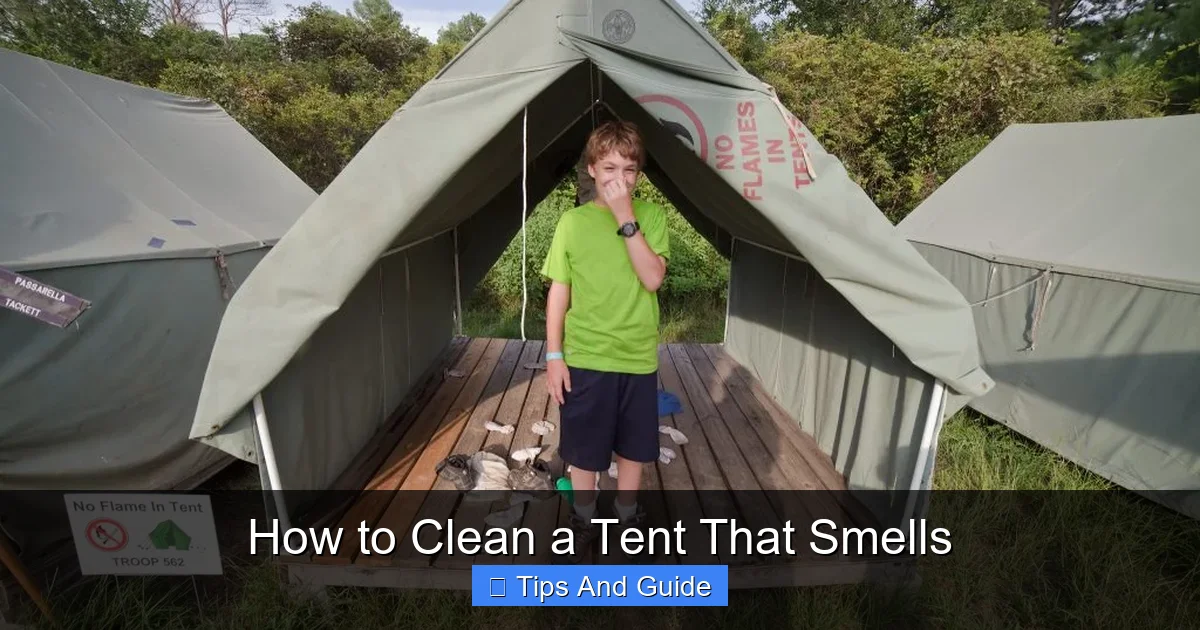
Visual guide about How to Clean a Tent That Smells
Image source: outdoorwithj.com
Cleaning a tent doesn’t have to be a huge chore. Follow these steps to bring your tent back to smelling fresh.
Step 1: Assess and Air Out

Visual guide about How to Clean a Tent That Smells
Image source: beingnomadic.com
This is the crucial first step and often, it’s surprisingly effective on its own.
H3: Find a Suitable Location
Choose a dry, sunny, and well-ventilated spot. A backyard on a breezy day is ideal. If you don’t have outdoor space, a large, open room with windows and fans can work, though sun exposure is beneficial.
H3: Set Up the Tent
Fully pitch your tent. This allows air to circulate through all parts of the tent, including the interior, rainfly, and floor.
H3: Let It Breathe
Leave the tent pitched and open for at least a full day, or even longer if possible. If it’s a sunny day, the UV rays from the sun can also help kill odor-causing bacteria and spores. Open all doors and windows to maximize airflow. This step alone can often resolve mild musty smells.
Step 2: Gentle Cleaning of the Tent Body
Visual guide about How to Clean a Tent That Smells
Image source: beingnomadic.com
For most tents, especially those made of nylon or polyester, a gentle approach is best. Harsh chemicals can damage the fabric’s waterproofing.
H3: Prepare Your Cleaning Solution
* **Mild Soap and Water:** Mix a small amount of mild, non-detergent soap (like a gentle dish soap or a specialized tent cleaner) with lukewarm water. Avoid harsh detergents, bleach, or fabric softeners, as these can strip away the tent’s protective coatings. A ratio of about 1 tablespoon of soap to 1 gallon of water is a good starting point.
* **Vinegar Solution (for stubborn odors): For stronger odors, a diluted vinegar solution can be effective. Mix equal parts white vinegar and water. Vinegar is a natural disinfectant and deodorizer.
H3: Clean the Interior Surfaces
Use a soft sponge or cloth dipped in your cleaning solution to wipe down the inside of the tent. Pay attention to areas where you sleep, sit, or where food might have been. Don’t saturate the fabric; a good wipe-down is usually sufficient.
H3: Clean the Exterior Surfaces
Wipe down the outside of the tent, including the rainfly, with the same solution. This helps remove accumulated dirt and environmental odors.
H3: Rinse Thoroughly
This is a critical step. After cleaning, use a clean cloth or sponge dampened with plain water to wipe down all surfaces again. Any soap residue left behind can attract dirt and potentially damage the fabric over time.
Step 3: Tackle the Tent Floor
The tent floor often bears the brunt of dirt and moisture.
H3: Scrubbing the Floor
Use a stiffer brush or scrub pad (but not one that’s too abrasive) with your mild soap and water solution to gently scrub the tent floor. Focus on any stained or particularly dirty areas.
H3: Dealing with Ground-In Grime
For stubborn dirt, you might need to let the cleaning solution sit for a few minutes before scrubbing. Rinse very thoroughly to remove all soap.
Step 4: Clean Zippers and Seams
These areas are often overlooked but are prime spots for trapped dirt and moisture.
H3: Zipper Care
* **Brush Away Debris:** Use a small brush (like an old toothbrush) to gently brush away any dirt, sand, or debris from the zipper teeth.
* **Lubricate:** After cleaning, you can lubricate the zippers with a bit of graphite pencil or a specialized zipper lubricant to ensure they run smoothly. This also helps prevent them from sticking due to moisture.
H3: Seam Care
Inspect seams for any visible dirt or mildew. You can use a damp cloth or your gentle cleaning solution with a soft brush to carefully clean along the seams. Ensure they are rinsed well.
Step 5: The All-Important Drying Process
This is perhaps the most crucial step in preventing future smells. A damp tent is a breeding ground for mildew.
H3: Air Dry Completely
Once cleaned, it’s essential to let the tent air dry completely. This means no residual moisture whatsoever.
H3: Hang or Pitch for Drying
* **Pitch the tent:** If possible, pitch it again in a dry, airy location, just like you did for the initial airing out. Open all doors and windows.
* **Hang it up:** If pitching isn’t an option, you can hang the tent (if it’s small enough) or large sections of it over a clothesline or sturdy furniture. Ensure there’s good airflow all around.
H3: Check Thoroughly
Pay special attention to the seams, corners, and the underside of the floor. Gently feel the fabric to ensure it’s bone dry before packing it away. This can take a full day or even two, depending on humidity and temperature. A portable fan can help speed up the drying process.
Step 6: Storage for Freshness
How you store your tent significantly impacts its longevity and how it smells.
H3: Store Loosely
Never store your tent tightly packed in its stuff sack for extended periods. This traps moisture and prevents air circulation, leading to mildew. Instead, loosely fold or roll the tent and store it in a large breathable bag, a mesh sack, or even a pillowcase.
H3: Choose a Dry Location
Store your tent in a cool, dry place. Avoid basements, garages, or sheds that are prone to dampness. A closet inside your home is usually the best option.
Advanced Cleaning for Stubborn Smells
If the basic cleaning steps haven’t entirely banished the odor, you might need to try some more targeted methods.
H3: Sunning and Deodorizing
* **Extended Sun Exposure:** For persistent musty smells, leaving the tent pitched in direct sunlight for several consecutive days can be very effective. The UV rays are powerful natural deodorizers.
* **Baking Soda:** Sprinkle a generous amount of baking soda inside the tent and leave it overnight. Baking soda is excellent at absorbing odors. Vacuum it up thoroughly the next day. You can also place open boxes of baking soda inside the tent while it’s stored.
H3: Specialized Tent Cleaners
There are many commercial tent cleaners available that are specifically designed to clean and refresh tent fabrics without damaging them. Follow the product instructions carefully.
H3: Odor Absorbers
Activated charcoal bags or commercial odor absorbers can be placed inside the tent when it’s in storage or during the airing-out process.
Troubleshooting Common Tent Odor Issues
**Q: My tent smells strongly of mildew, and I see some black spots.**
A: Mildew spots can be tough. Try using a diluted bleach solution (1 part bleach to 10 parts water) *only* on the affected spots. **Test this on an inconspicuous area first** to ensure it doesn’t damage the fabric color. After treating, rinse thoroughly and ensure the tent is absolutely dry. For severe mildew, you might need a specialized mildew remover for tents. If the mildew is extensive, it may have compromised the fabric’s integrity, and a professional cleaner or replacement might be necessary.
**Q: The inside of my tent smells like stale sweat.**
A: This is common after heavy use. The baking soda treatment is excellent for this. Also, ensure you are washing any sleeping bag liners or interior mats that might be contributing to the smell – these often harbor more odor than the tent fabric itself. Consider using a gear wash product specifically designed for technical fabrics. For sleeping gear, checking out the best camping mattress for tent can also help with overall comfort and hygiene.
**Q: My tent smells faintly of smoke from a campfire.**
A: Smoke odors can be persistent. Airing out the tent extensively in fresh air is your best bet. You can also try the baking soda method or a vinegar solution wash. Sometimes, it takes multiple cycles of airing and cleaning to fully remove smoke smells.
**Q: The rainfly smells worse than the main tent body.**
A: The rainfly is the first line of defense against the elements and can accumulate a lot of moisture and environmental odors. Treat it with the same cleaning and drying methods as the main tent body. Ensure it’s completely dry before packing away.
Preventing Tent Odors in the Future
The best way to deal with a smelly tent is to prevent it from smelling in the first place!
* **Always Dry Your Tent:** This is the golden rule. Never pack a wet or damp tent away. If you have to pack up in the rain, set it up again to dry as soon as you get home.
* **Ventilate During Use:** Open tent doors and windows whenever possible during your camping trips to allow fresh air to circulate and moisture to escape. If you have a tent fan, use it! See our guide on the best camping fan for tent for options.
* **Keep Food Outside the Tent:** If possible, avoid cooking or eating messy foods inside your tent. If you must, clean up spills immediately and air out the tent thoroughly afterward.
* **Shake Out Debris:** Before packing up, give your tent a good shake to remove dirt, leaves, and other debris.
* **Regular Cleaning:** Don’t wait for your tent to smell bad. Give it a light clean and airing out after every few trips, or at least once a year.
* **Proper Storage:** As mentioned, store your tent loosely in a cool, dry place.
By following these preventative measures, you’ll significantly reduce the chances of your tent developing unpleasant odors.
Conclusion
A smelly tent can quickly turn a great camping trip sour. However, with a bit of effort and the right techniques, you can effectively clean your tent and restore its freshness. Remember to always start with thorough airing, use gentle cleaning methods suitable for your tent’s material, and prioritize complete drying before storage. By understanding the causes of tent odors and implementing consistent preventative care, you can ensure your tent remains a clean and comfortable home away from home for many adventures to come. Happy camping!