

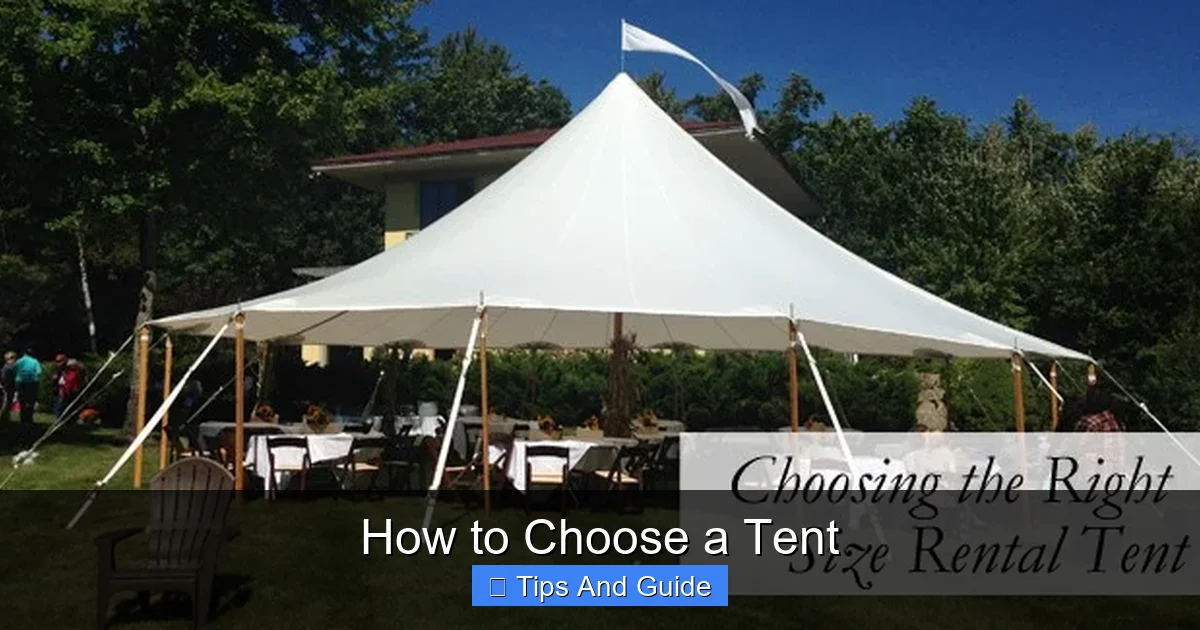
Finding the ideal tent can significantly enhance your outdoor adventures. This guide breaks down how to choose a tent by considering factors like capacity, weather resistance, and your intended activities. Making the right choice ensures comfort and durability for all your camping needs.
Embarking on a camping trip is an exciting prospect, filled with fresh air, starry nights, and the great outdoors. But before you can pitch your cozy abode under the stars, you need to select the right shelter. Choosing a tent can feel overwhelming with the sheer variety available. This guide will walk you through everything you need to know, helping you pick the perfect tent for your next adventure. We’ll cover everything from understanding capacity and seasonal ratings to materials and essential features.
## Step 1: Define Your Camping Style and Needs
The first and most important step is to understand what kind of camping you’ll be doing. Your intended use will heavily influence the type of tent that’s best for you.
### Backpacking vs. Car Camping
* **Backpacking Tents:** These are designed for hikers who carry everything on their backs. Weight and packed size are paramount. They are typically lightweight, compact, and built for durability to withstand the rigors of being carried for miles. You might sacrifice a little headroom or extra living space for a lighter load. For tips on carrying your gear, consider exploring options for the best camping mattress for tent to ensure comfort on the trail without adding excessive weight.
* **Car Camping Tents:** If you’re driving to your campsite, weight is less of a concern. You can opt for larger, more comfortable tents with more headroom, multiple rooms, and greater durability. These tents are often more robust and may include features like vestibules for gear storage and ample ventilation.
### Solo Trips vs. Group Adventures
* **Solo Tent:** A small, lightweight tent is perfect for a single person. It offers a minimalist shelter without unnecessary bulk.
* **Two-Person Tent:** This is a popular choice for couples or individuals who like extra space for gear. Many two-person tents can comfortably fit two people plus their essentials.
* **Family Tents:** These are larger, often with multiple rooms and significant headroom, designed to accommodate families of three or more. They prioritize space and comfort for extended stays.
### Expected Weather Conditions
The climate you’ll be camping in is a critical factor in tent selection.
* **Three-Season Tents:** These are the most common and versatile tents. They are designed for spring, summer, and fall camping. They offer good ventilation to keep you cool in warm weather and adequate protection from rain and moderate winds. They are usually not built to withstand heavy snow loads or extreme cold. If you’re looking for a good all-around option, researching the best camping dome tent can be a great starting point for 3-season use.
* **Three-to-Four Season Tents:** These tents offer more robust construction and can handle lighter snow loads and stronger winds than standard three-season tents. They often have more poles and less mesh for better heat retention.
* **Four-Season Tents:** Designed for extreme conditions, four-season tents are built to withstand heavy snow, high winds, and freezing temperatures. They have stronger poles, fewer mesh panels (to trap heat), and a more aerodynamic shape. These are generally more expensive and can be less comfortable in warm weather due to reduced ventilation. If you plan on winter camping, look into the best pop up tent for winter that can offer the necessary protection.
## Step 2: Determine the Right Tent Size (Capacity)
Tent capacity refers to the number of people it’s designed to sleep. However, it’s often wise to go one size up for comfort and gear storage.
### The “Plus One” Rule
A common recommendation is to add one person to the tent’s stated capacity. For example, if you are two people, consider a three-person tent. This extra space is invaluable for storing gear, having room to move around, and making your sleeping arrangements more comfortable. If you’re a solo camper, a two-person tent can provide a luxurious amount of space.
### Consider Your Gear
Think about how much gear you typically bring. If you’re a minimalist, the stated capacity might be fine. However, if you have bulky sleeping bags, multiple backpacks, and other camping essentials, you’ll want that extra room. For car camping, having a separate area for gear can be a game-changer. Some larger car camping tents offer vestibules or even separate rooms.
## Step 3: Evaluate Tent Features and Materials
The construction and materials used in a tent greatly impact its performance, durability, and comfort.
### Tent Poles
* **Materials:** Tent poles are typically made from aluminum, fiberglass, or carbon fiber.
* Aluminum is strong, durable, and relatively lightweight. It’s a common choice for quality tents.
* Fiberglass is less expensive but can be heavier and more prone to breaking, especially in extreme cold.
* Carbon Fiber is the lightest and strongest but also the most expensive.
* Design: The number and design of poles affect a tent’s stability. Freestanding tents (poles create the structure on their own) are easier to set up and move around before staking. Non-freestanding tents rely on stakes and guy lines for support, often offering a lighter weight but requiring more skill to pitch.
### Tent Fabric
* Body: The tent body is usually made of nylon or polyester.
* Nylon is strong and lightweight but can stretch when wet and is susceptible to UV damage.
* Polyester is more resistant to UV rays and stretching when wet, making it a popular choice for durability.
* Rainfly: The rainfly is the waterproof outer layer. It’s typically made of coated nylon or polyester. Look for a high denier (D) rating, which indicates thicker, more durable fabric.
* Floor: The tent floor is crucial for keeping water out. It’s usually made of a thicker, waterproof material. A bathtub-style floor, where the fabric extends up the sides, offers excellent protection against ground moisture.
### Waterproofing and Ventilation
* Waterproof Ratings: Look for hydrostatic head ratings (HH) for the rainfly and floor. A higher HH means better waterproofing. Aim for at least 1,500mm for the rainfly and 3,000mm for the floor.
* Seam Taping: Taped seams are essential to prevent water from seeping through stitch lines.
* Ventilation: Good ventilation prevents condensation buildup, which can make your tent feel damp and cold. Look for mesh panels, roof vents, and adjustable vents on the rainfly. Even a small pop-up tent can benefit from good airflow. If you’re considering a pop-up, check out the best pop up tent waterproof options available.
### Doors and Windows
* Number of Doors: More than one door is convenient, especially in larger tents, as it prevents you from having to climb over your tent mates.
* Vestibules: These are covered areas outside the main tent body, created by the rainfly. They are perfect for storing muddy boots, backpacks, or cooking gear, keeping your main living space clean and dry.
### Zippers and Guy Lines
* Zippers: Durable, smooth-operating zippers are a must. Larger zipper pulls can be easier to use, especially with gloves.
* Guy Lines: These are essential for stabilizing your tent in windy conditions. Ensure your tent comes with plenty of strong guy lines and that they are easy to adjust. For windy conditions, a best pop up tent for wind can be a wise investment.
## Step 4: Consider Weight and Packability
This is particularly important for backpackers and bikepackers.
* **Trail Weight:** This is the minimum weight of a tent, usually including only the main body, rainfly, and poles.
* Packed Weight: This includes all components that come with the tent, such as stakes, guy lines, and stuff sacks.
* Fast & Light or Ultralight: These terms refer to tents specifically designed to minimize weight. They often use lighter materials and simpler designs, but can come with a higher price tag.
For car campers, the weight is less critical, and you might even want a heavier, more robust tent for better stability and features.
## Step 5: Setting Up Your Tent
While not a factor in choosing, ease of setup is a significant consideration for convenience.
* Color-Coded Poles and Sleeves: These features make it much easier to orient the poles correctly.
* Simple Designs: Dome tents and some pop-up tents are known for their straightforward assembly.
* Practice Makes Perfect: Always set up your new tent at home before your trip. This allows you to familiarize yourself with the process and identify any missing parts or issues.
## Step 6: Budget and Durability
Tents range in price from budget-friendly options to high-end expedition shelters.
* **Invest Wisely:** While it might be tempting to go for the cheapest option, investing in a slightly more expensive tent often means better quality materials, improved waterproofing, and greater durability, which will save you money in the long run. A well-maintained tent can last for many years.
* Read Reviews: Online reviews from other campers can provide valuable insights into a tent’s performance in real-world conditions.
## Troubleshooting Common Tent Issues
Even the best tents can encounter problems. Here are a few common issues and how to address them:
* **Condensation:**
* Problem: Water droplets forming on the inside of your tent.
* Solution: Improve ventilation by opening vents, unzipping the rainfly slightly (if conditions allow), or sleeping with your head away from the tent walls. Avoid cooking inside the tent.
* Leaking Seams:
* Problem: Water seeping through stitched areas.
* Solution: Apply seam sealer to the affected areas. This is a repair product available at most outdoor gear stores.
* Bent or Broken Poles:
* Problem: Tent poles can bend or break, especially in strong winds or due to improper handling.
* Solution: Many tent poles have repair sleeves that can temporarily fix a broken section. For bent poles, try to gently straighten them. Always handle poles with care.
## Conclusion
Choosing the right tent is a foundational step for any successful camping trip. By carefully considering your camping style, the number of people, expected weather, and desired features, you can find a shelter that will provide comfort, protection, and a great basecamp for your adventures. Don’t rush the decision; take your time, do your research, and you’ll be rewarded with a tent that serves you well for years to come. Remember, a good tent is an investment in your outdoor experiences. Happy camping!
Key Takeaways
- Understand Your Needs: The most crucial step is to identify the type of camping you’ll be doing, who you’ll be camping with, and the expected weather conditions.
- Size Matters: Tents are rated by capacity, but always consider adding extra space for gear and comfort, especially for longer trips.
- Seasonality is Key: Choose a tent designed for the climate you’ll be camping in – a 3-season tent is versatile, while a 4-season tent is for harsh winter conditions.
- Weight and Portability: For backpacking, a lightweight tent is essential. For car camping, weight is less of a concern, allowing for more spacious and feature-rich options.
- Durability and Weather Protection: Look for sturdy poles, quality fabrics, strong zippers, and good waterproofing to ensure your tent can withstand the elements.
- Ease of Setup: Some tents are designed for quick, simple assembly, which is a major plus after a long day of hiking or traveling.
