How Do You Stop Condensation in a Tent
Dealing with condensation in your tent can make camping uncomfortable. This guide provides practical, easy-to-implement strategies to minimize and eliminate tent condensation. We’ll cover ventilation, site selection, gear choices, and simple habits that make a big difference, ensuring a drier and more enjoyable outdoor experience.
How Do You Stop Condensation in a Tent
There’s nothing quite like waking up to a damp, clammy tent interior, especially after a night of sleep. Condensation in a tent is a common camping problem, but it doesn’t have to ruin your trip. Understanding what causes it and learning how to prevent it are the keys to staying dry and comfortable under the stars. In this comprehensive guide, we’ll walk you through everything you need to know to stop condensation in your tent, from simple ventilation tricks to smart site selection and gear choices. Get ready to say goodbye to that unpleasant, soggy feeling!
- Proper Ventilation is Key: Maximizing airflow by opening vents and doors helps expel moist air and prevent condensation buildup.
- Site Selection Matters: Choosing a campsite away from water sources and in a breezy spot reduces humidity inside your tent.
- Understand Your Breath: Human respiration is a primary source of moisture; managing this is crucial for a dry tent.
- Gear Choices Make a Difference: Using breathable tent fabrics and appropriate sleeping gear can significantly impact moisture levels.
- Minimize Internal Moisture Sources: Avoid cooking or drying wet gear inside your tent to reduce the humidity it generates.
- Pre-Trip Preparation and Maintenance: Ensuring your tent is in good condition and treating it for waterproofing can help.
Understanding Tent Condensation
Before we dive into solutions, let’s quickly understand why condensation forms in a tent. It’s a simple science lesson: warm, moist air comes into contact with a cooler surface, causing the water vapor to turn back into liquid. In a tent, this moisture comes from several sources:
* Your Breath: Every time you exhale, you release warm, moist air. In an enclosed space like a tent, this moisture accumulates.
* Body Heat: Your body naturally emits heat and moisture.
* Outside Humidity: If the air outside your tent is already humid, that moisture can seep in.
* Ground Moisture: Damp ground can transfer moisture into your tent through the floor.
* Cooking and Wet Gear: Boiling water, drying wet clothes, or even just breathing heavily after exertion can add significant moisture to the tent’s interior.
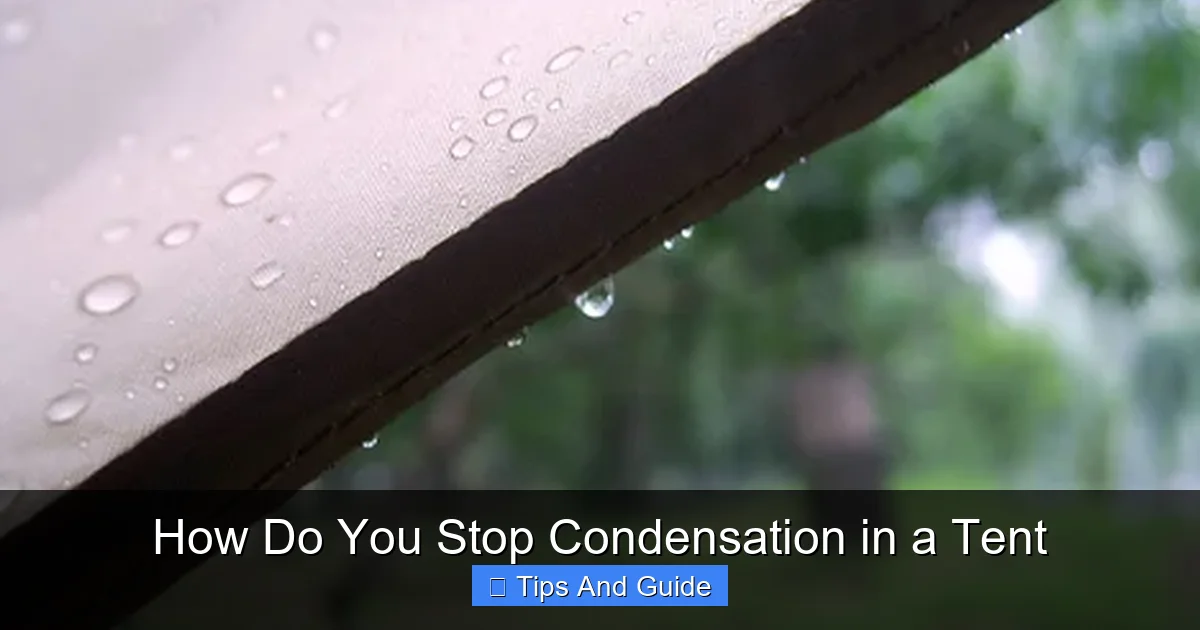
When this moist air hits the cooler fabric of your tent (especially at night when temperatures drop), it condenses into water droplets, which can then drip down onto you and your gear.
Step-by-Step Guide to Stopping Tent Condensation
Preventing tent condensation is all about managing moisture and airflow. Here’s how you can tackle it:
1. Maximize Ventilation
This is the single most important factor in controlling tent condensation. Proper ventilation allows moist air to escape and be replaced by drier outside air.
Open Tent Vents
Almost all modern tents come with built-in vents. Make sure they are open and clear of debris. These are strategically placed to promote airflow without letting in rain.
Tip: Don’t underestimate the power of these small openings. They are designed to be functional.
Visual guide about How Do You Stop Condensation in a Tent
Image source: lionbuildings.com
Visual guide about How Do You Stop Condensation in a Tent
Image source: stouttent.com
Utilize Mesh Panels
Many tents have mesh windows and doors. If the weather permits (i.e., it’s not raining heavily or extremely cold), leave your rainfly unzipped as much as possible or open up the mesh panels. This creates a significant pathway for air exchange.
Example: On a cool, dry evening, you might be able to open the main door mesh and leave the rainfly slightly unzipped at the top.
Use the Doors Strategically
If your tent has two doors, opening both can create a cross-breeze. Even opening one door slightly can help significantly, especially if it creates a draft through the tent.
Pro Tip: When you first set up your tent, identify the prevailing wind direction and position your tent so that a door or vent faces it.
Consider Your Tent Type
Some tents are inherently better ventilated than others. For example, tents with a lot of mesh or multiple doors tend to be more breathable. If you frequently camp in humid conditions, you might consider a tent designed for maximum airflow. If you’re looking for a spacious and airy option, exploring some of the best pop-up tents you can stand up in might offer more ventilation options due to their larger size and multiple openings.
2. Smart Site Selection
Visual guide about How Do You Stop Condensation in a Tent
Image source: hvacseer.com
Where you pitch your tent can make a big difference in controlling condensation.
Avoid Low-Lying Areas
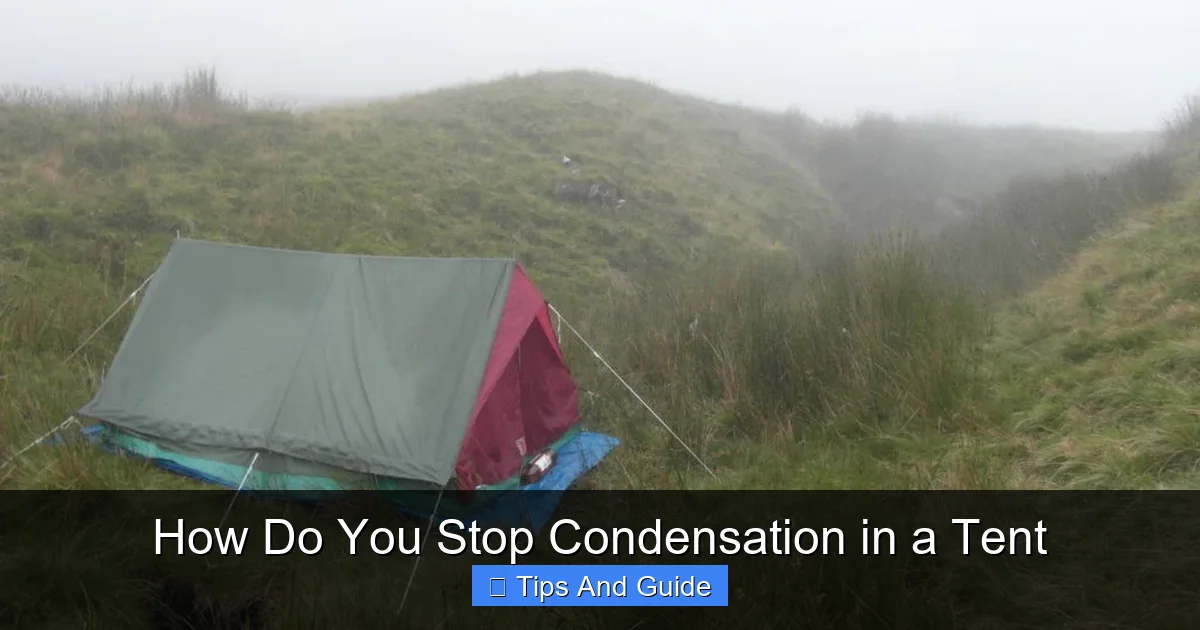
Cold air sinks. If you pitch your tent in a hollow or a low-lying area, cold air will pool there, making the surface of your tent colder and more prone to condensation. Aim for slightly elevated spots.
Stay Away from Water Sources
Rivers, lakes, and even wet ground increase ambient humidity. This moist air will naturally find its way into your tent. Try to pitch your tent at least 50-100 feet away from large bodies of water.
Seek Breezy Spots
A location that catches a gentle breeze will help to keep the air moving around your tent, constantly replacing the humid air inside with drier air from outside.
Consider Sun Exposure
Pitching your tent where it can catch the morning sun can help dry it out faster after a dewy night. However, be mindful of overheating during the day, which can also lead to condensation issues.
3. Manage Moisture Sources Inside the Tent
Be conscious of what you bring into and do inside your tent.
No Cooking Inside
Never cook inside your tent, especially with a stove. The combustion process and boiling water produce a massive amount of moisture and carbon monoxide. Use a camping kitchen tent or cook outside.
Dry Wet Gear Outside
If you have wet clothes, towels, or gear, try to dry them outside your tent. Hang them on a line, drape them over a bush, or store them in a waterproof bag if absolutely necessary. If you must bring wet items inside, try to put them in a waterproof stuff sack or hang them from a carabiner near a vent if possible.
Wipe Down Excess Moisture
When you wake up and notice droplets on the inside of your tent walls, take a towel or a dedicated absorbent cloth and gently wipe them down. This removes the water before it has a chance to drip on you or pool on the floor.
Limit How Many People Breathe in the Tent
The more people breathing inside a tent, the more moisture is introduced. If you’re in a very small tent with multiple people, ventilation becomes even more critical.
4. Choose the Right Gear
Your tent and sleeping gear play a role in condensation management.
Tent Material
Modern tents are often made from breathable fabrics like ripstop nylon or polyester. While these materials are durable and water-resistant, they can still form condensation. Higher-end tents may incorporate more breathable membranes or designs that better manage airflow.
Footprints and Tarps
Using a footprint or ground tarp is essential for protecting your tent floor from abrasion and moisture. However, ensure that your footprint is slightly smaller than the tent floor. If it extends beyond the tent walls, it can collect rain and funnel it underneath your tent, increasing ground moisture.
Breathable Sleeping Bags and Mats
While not directly related to tent condensation, your sleeping comfort is affected. A good camping mattress for your tent or camping mat for your tent can provide insulation from the cold ground, which can indirectly help reduce temperature differentials that lead to condensation. Similarly, choosing a sleeping bag appropriate for the conditions can help you regulate your body temperature, potentially reducing excess moisture from overheating.
5. During the Night
Sometimes, condensation happens. Here’s what to do.
Adjust Ventilation
If you notice condensation forming during the night, try slightly opening a vent or a door. You might need to get out of your sleeping bag to do this. It’s often worth a few minutes of discomfort to ensure a drier night.
Check Internal Conditions
Are you too warm? If you’re sweating inside your sleeping bag, you’re adding a lot of moisture to the tent. Adjust your sleeping layers or open your sleeping bag slightly.
6. Post-Camping Care
Properly caring for your tent after a trip is crucial for its longevity and performance.
Dry Your Tent Thoroughly
This is non-negotiable! Always dry your tent completely before storing it. If you can’t dry it at the campsite, set it up again at home in your yard, garage, or even on a clothesline. A damp tent left packed away will encourage mold and mildew growth, and can also worsen condensation issues on future trips.
Waterproof and Treat
Over time, tent fabrics can lose their water repellency. Reapplying a waterproofing spray or treatment can help maintain the fabric’s integrity and reduce the chances of external moisture seeping in, which indirectly contributes to condensation.
Troubleshooting Common Condensation Issues
* “My tent is always damp, even when it’s dry outside!”
This usually points to a ventilation issue. Ensure all vents are open and that you aren’t blocking them with gear. Also, consider the number of people inside and their activities.
* “Condensation only happens on my rainfly, not the inner tent.”
This is normal and good! The inner tent is usually made of breathable mesh, while the rainfly is waterproof. Condensation often forms on the cooler outer layer first. As long as your inner tent stays dry, you’re generally okay. The ventilation system is designed to manage this.
* “It drizzles all night, and my tent is soaked inside.”
This can happen in very humid or rainy conditions, especially if there’s a significant temperature difference. Focus on maximizing ventilation as much as possible without letting in rain. Sometimes, a slightly less breathable but more robust tent, like a good pop-up tent for rain, might be a better choice for consistently wet weather if it also has excellent ventilation features.
* “I have a small tent and condensation is a constant battle.”
Smaller tents offer less interior volume for moisture to dissipate. Ventilation is paramount. Consider if your tent is the right size for the number of occupants and the expected conditions. For instance, if you often camp with family, a larger tent like a camping dome tent might offer better air circulation.
Conclusion
Condensation in a tent is a natural phenomenon that can be effectively managed with the right approach. By prioritizing ventilation, making smart site selections, being mindful of internal moisture sources, choosing appropriate gear, and maintaining your equipment, you can significantly reduce or even eliminate that unwelcome dampness. Remember, a little bit of effort before and during your camping trip can lead to a much more comfortable and enjoyable experience. So, on your next adventure, put these tips into practice and wake up refreshed, dry, and ready to explore!