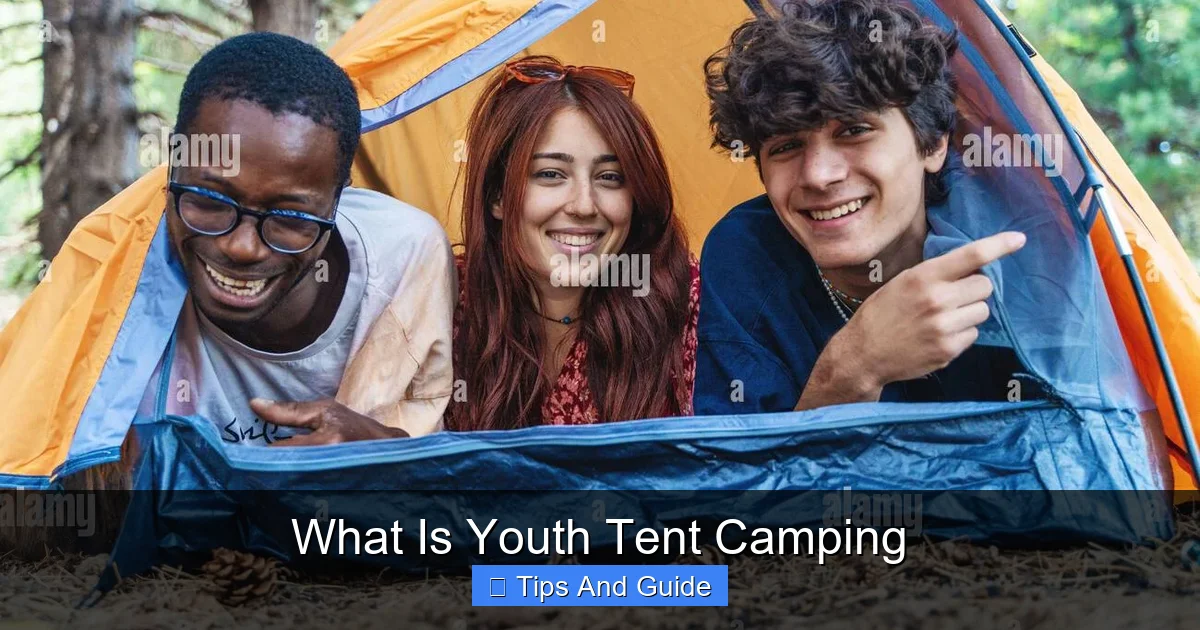
What Is Youth Tent Camping
Youth tent camping is a fun, educational outdoor activity where children and teens sleep in tents, often with adult supervision, to build confidence, teamwork, and nature appreciation. It’s more than just sleeping under the stars—it’s a chance for young people to unplug, explore, and grow through hands-on outdoor experiences.
Key Takeaways
- Youth tent camping introduces kids to nature: It encourages outdoor exploration, physical activity, and environmental awareness in a safe, supervised setting.
- It builds life skills: Campers learn responsibility, teamwork, problem-solving, and independence through hands-on tasks like setting up tents and cooking meals.
- Age-appropriate gear is essential: Lightweight, easy-to-use tents and sleeping bags designed for kids make the experience more comfortable and manageable.
- Safety and supervision are top priorities: Trained adults should always be present to guide activities, manage risks, and ensure everyone follows camp rules.
- It strengthens social bonds: Group camping fosters friendships, communication, and cooperation among peers in a relaxed, screen-free environment.
- Start small and local: Begin with backyard or short overnight trips to build confidence before moving to longer wilderness adventures.
- Preparation is key: Planning meals, packing the right gear, and practicing camp skills at home help ensure a smooth and enjoyable trip.
📑 Table of Contents
What Is Youth Tent Camping?
Youth tent camping is a supervised outdoor activity where children and teenagers sleep in tents, typically as part of a group such as a school trip, summer camp, scout troop, or family outing. Unlike adult camping, youth camping is designed with safety, education, and fun in mind. It often includes structured activities like hiking, storytelling, stargazing, and team-building games—all centered around the experience of sleeping under the stars in a tent.
This type of camping is more than just an overnight adventure. It’s a powerful way to help young people develop confidence, resilience, and a deeper connection to nature. Whether it’s a weekend at a state park or a week-long wilderness expedition, youth tent camping offers a break from screens and routines, replacing them with fresh air, physical activity, and real-world learning.
Why Is Youth Tent Camping Important?
In today’s digital world, many kids spend more time indoors than ever before. Youth tent camping helps reverse that trend by offering a hands-on way to explore the outdoors. It’s not just about fun—though there’s plenty of that. It’s about growth. Camping teaches kids how to solve problems, work as a team, and care for themselves and others.
Building Confidence and Independence
When kids help set up their own tent, cook a simple meal, or navigate a trail, they gain a sense of accomplishment. These small victories build self-esteem and encourage independence. For example, a 10-year-old who successfully pitches a tent for the first time feels proud and capable—skills that carry over into school and home life.
Encouraging Teamwork and Social Skills
Youth camping is rarely a solo activity. Most trips involve groups, which means kids must communicate, share responsibilities, and support one another. Whether it’s taking turns gathering firewood or helping a friend zip up their sleeping bag, these interactions strengthen social bonds. Camp counselors often design group challenges that require cooperation, reinforcing the value of working together.
Fostering a Love for Nature
Spending time in natural settings helps kids develop environmental awareness. They learn to identify plants, observe wildlife, and understand weather patterns. This connection to nature can inspire lifelong stewardship of the planet. Imagine a child spotting a deer at dawn or learning how to read a compass—these moments create lasting memories and curiosity about the world.
Who Participates in Youth Tent Camping?
Youth tent camping is for kids and teens of all ages, typically starting as young as 5 or 6 and continuing through high school. It’s common in organizations like the Boy Scouts, Girl Scouts, 4-H clubs, church groups, and school outdoor education programs. Even families are getting in on the action, using camping as a way to bond and unplug together.
Age-Appropriate Experiences
Not all youth camping is the same. Younger children might enjoy short backyard camping trips with parents, while teens may be ready for multi-day backpacking adventures. Programs are designed to match the physical and emotional maturity of the group. For example, a 7-year-old might focus on identifying animal tracks, while a 15-year-old might learn basic survival skills like fire-building or water purification.
Supervision and Safety
Adult leaders play a crucial role in youth camping. They ensure safety, manage group dynamics, and teach essential skills. Most reputable programs require background checks, first aid training, and experience working with children. This level of oversight gives parents peace of mind and allows kids to explore with confidence.
Essential Gear for Youth Tent Camping
Having the right gear makes all the difference in a successful youth camping trip. The goal is to keep things simple, lightweight, and kid-friendly. Overpacking or using complicated equipment can overwhelm young campers and take the fun out of the experience.
Choosing the Right Tent
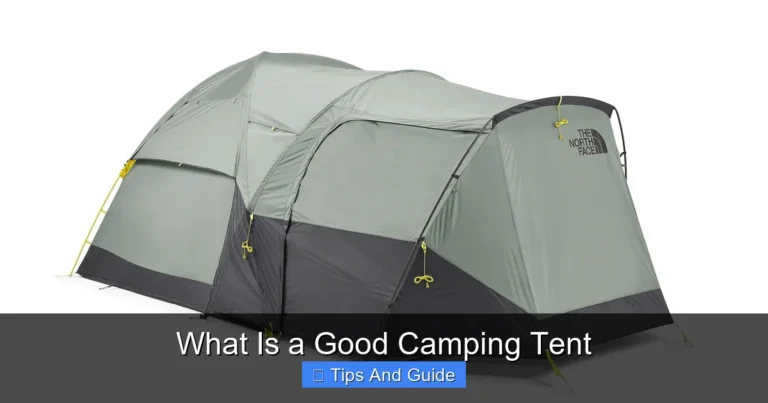
A good youth camping tent should be easy to set up, durable, and appropriately sized. For small groups or families, a best big family camping tent offers space and comfort. Look for models with color-coded poles, quick assembly, and waterproof materials. For younger kids, pop-up or instant tents can reduce frustration and make setup a team activity.
Sleeping Gear and Comfort
Sleeping bags should match the season and climate. A lightweight, compact bag is ideal for summer trips, while a warmer, insulated version is better for cooler weather. Pair it with a sleeping pad or best air mattress for tent camping to add cushioning and insulation from the ground. Don’t forget a small pillow or travel pillow for comfort.
Practical Clothing and Footwear
Layering is key. Kids should wear moisture-wicking base layers, a warm mid-layer like a fleece, and a waterproof outer shell. Sturdy, broken-in hiking boots or trail shoes provide support and grip. Always pack extra socks and clothes—kids get dirty and wet! A hat, sunglasses, and sunscreen protect against sun exposure.
Safety and Navigation Tools
Every camper should carry a small backpack with essentials: a flashlight or headlamp, whistle, basic first aid kit, and a reusable water bottle. Older kids can learn to use a compass or GPS device. Make sure all gear is labeled with the child’s name to avoid mix-ups.
Planning a Successful Youth Camping Trip
Good planning turns a good trip into a great one. Start by choosing a location that matches the group’s experience level. State parks, national forests, and designated youth campsites are ideal for beginners. Check if permits are required and reserve spots in advance—popular areas fill up quickly.
Packing Smart
Create a checklist for each child, including clothing, toiletries, medications, and personal items. Use clear, labeled bins or bags to organize gear. Teach kids to pack their own bags—this builds responsibility and ensures nothing is forgotten. Don’t forget fun extras like books, cards, or a journal for downtime.
Meals and Snacks
Plan simple, nutritious meals that are easy to prepare. Think foil packet dinners, trail mix, granola bars, and instant oatmeal. Involve kids in meal planning and cooking—it’s a great learning opportunity. Always pack extra food in case of delays. And remember: leave no trace—pack out all trash and food scraps.
Activities and Downtime
Balance structured activities with free time. Plan hikes, nature scavenger hunts, campfire stories, and stargazing sessions. But also allow space for quiet reflection or spontaneous play. Over-scheduling can lead to burnout, especially for younger campers.
Safety Tips for Youth Tent Camping
Safety is non-negotiable. Always follow the buddy system—no child should ever be alone. Establish clear rules about staying within boundaries, fire safety, and wildlife encounters. Teach kids what to do if they get lost: stay put, blow a whistle, and wait for help.
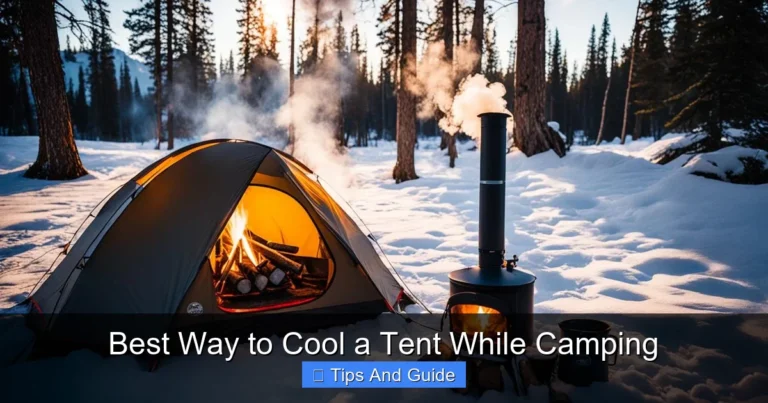
Weather can change quickly, so monitor forecasts and have a plan for storms or extreme heat. Bring a best way to stay cool tent camping solution like battery-powered fans or cooling towels for hot days. In cold weather, layer clothing and use insulated sleeping pads to prevent heat loss.
Finally, communicate with parents. Share the itinerary, emergency contacts, and any medical needs. A little preparation goes a long way in ensuring everyone has a safe and memorable experience.
Conclusion
Youth tent camping is more than just a fun outdoor activity—it’s a transformative experience that shapes young minds and builds lasting memories. From learning to pitch a tent to making friends around a campfire, every moment teaches valuable life lessons. With the right preparation, gear, and mindset, youth camping can inspire a lifelong love of nature and adventure.
Whether you’re a parent, teacher, or camp leader, consider introducing the next generation to the joys of tent camping. Start small, stay safe, and let the journey begin. The great outdoors is waiting—and so are the kids.
Frequently Asked Questions
What age is appropriate for youth tent camping?
Kids as young as 5 or 6 can participate in supervised tent camping, especially in backyard or short overnight settings. Older children and teens can handle longer, more challenging trips with proper guidance.
Do kids need their own tents?
Not necessarily. Many groups use shared family-style tents or assign kids to small groups. The focus is on comfort and safety, not individual space. Some kids enjoy having their own small tent as a personal retreat.
How do you keep kids safe while camping?
Always have trained adult supervisors, use the buddy system, set clear boundaries, and teach basic safety rules. Carry a first aid kit and know the nearest emergency services.
What should kids bring on a camping trip?
Essential items include a sleeping bag, sleeping pad, weather-appropriate clothing, flashlight, water bottle, and personal toiletries. Pack light and involve kids in the packing process.
Can shy kids enjoy tent camping?
Yes! Group activities and supportive leaders help shy kids feel included. Many find that the relaxed, screen-free environment helps them open up and make new friends.
What if it rains during the trip?
Pack waterproof gear and have a backup plan, like indoor games or shelter under a tarp. Rain doesn’t have to ruin the fun—just adapt and keep a positive attitude.