What Is Walk in Tent Camping
Walk in tent camping is a popular outdoor style where campers hike a short to moderate distance to reach their campsite instead of driving directly to it. It offers a quieter, more immersive nature experience while still using traditional tents for shelter.
Key Takeaways
- Walk in tent camping involves hiking to your campsite: Unlike car camping, you carry your gear on foot to a remote or semi-remote location.
- It offers a more peaceful and secluded experience: Fewer crowds and more wildlife encounters make it ideal for nature lovers.
- Campsites are often located in scenic areas: Think forest clearings, lakesides, or mountain meadows—beautiful spots you can’t reach by car.
- You’ll need lightweight, portable gear: Every ounce counts when you’re carrying your tent, food, and sleeping gear on your back.
- It’s great for beginners and experienced campers alike: With proper planning, it’s accessible to most fitness levels and camping skill sets.
- Leave No Trace principles are essential: Since you’re in more natural settings, protecting the environment is crucial.
- It’s different from backpacking: Walk in camping usually involves shorter hikes and more comfort-focused gear than full backpacking trips.
📑 Table of Contents
What Is Walk In Tent Camping?
Walk in tent camping is a style of outdoor adventure where you hike—rather than drive—to your campsite. Instead of parking your car right next to your tent, you carry all your gear on foot for a short to moderate distance, often ranging from a few hundred yards to a couple of miles. This method gives you access to quieter, more natural settings that are typically off-limits to vehicles.
Unlike car camping, where convenience is king, walk in camping emphasizes immersion in nature. You’re not just visiting the outdoors—you’re becoming part of it. The journey to your site becomes part of the experience, building anticipation and deepening your connection to the environment. Whether you’re setting up near a serene lake, under a canopy of pine trees, or on a grassy meadow with mountain views, walk in tent camping offers a sense of solitude and adventure that’s hard to match.
How Is Walk In Tent Camping Different from Other Styles?
Walk In vs. Car Camping
The biggest difference between walk in tent camping and car camping is accessibility. In car camping, you drive right up to your site, unload your gear, and set up with ease. You can bring coolers, camp chairs, grills, and even portable showers. But with walk in camping, every item you bring must be carried. This means you’ll need to pack light and prioritize essentials.
For example, instead of a bulky air mattress, you might opt for a compact sleeping pad. Instead of a full camp kitchen, you’ll rely on a lightweight stove and reusable utensils. The trade-off? You gain access to more peaceful, scenic locations—often with better views and fewer people.
Walk In vs. Backpacking
Many people confuse walk in camping with backpacking, but they’re not the same. Backpacking usually involves multi-day hikes with heavy packs, covering long distances over rugged terrain. Walk in camping, on the other hand, is typically a shorter hike—often under two miles—and focuses more on comfort and relaxation than endurance.
Think of it this way: backpacking is about the journey. Walk in camping is about the destination. You still carry your gear, but the goal is to enjoy a cozy night in nature, not to test your physical limits. This makes it a great middle ground for those who want adventure without the intensity of a full backpacking trip.
Why Choose Walk In Tent Camping?
Peace and Quiet
One of the top reasons people choose walk in tent camping is the peace and quiet. Since these sites are farther from roads and parking areas, you’re less likely to hear traffic, loud neighbors, or generators. Instead, you’ll be lulled to sleep by the sound of wind in the trees, crickets chirping, or a nearby stream.
Imagine waking up to birdsong instead of car alarms. That’s the magic of walk in camping. It’s a chance to truly unplug—both from technology and the noise of daily life.
Closer to Nature
When you walk to your campsite, you’re more likely to see wildlife, discover hidden trails, and experience the natural world up close. You might spot deer grazing at dawn, hear owls calling at night, or find wildflowers blooming along the path.
This deeper connection to nature is one of the most rewarding aspects of walk in camping. It’s not just about sleeping in a tent—it’s about feeling like you belong in the wilderness, even if just for a night or two.
Better Campsite Selection
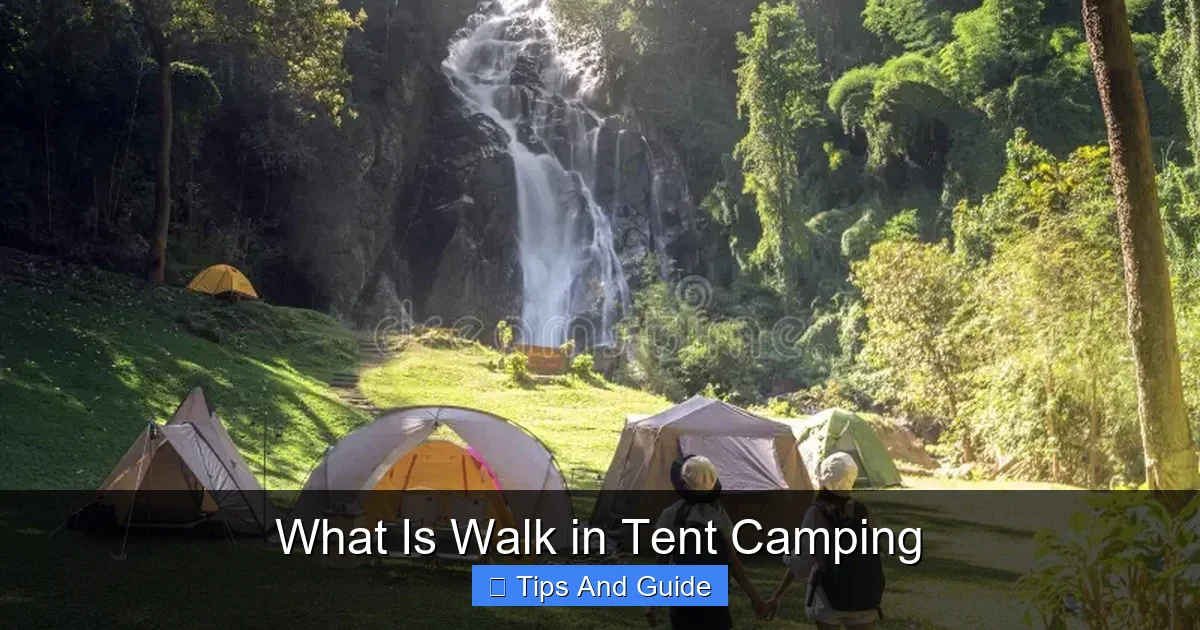
Walk in sites are often located in the most beautiful parts of a campground or park. Think lakeside spots with morning mist, forested areas with dappled sunlight, or open meadows with panoramic views. These locations are usually reserved for those willing to make the hike, so you get a prime spot without the crowds.
For instance, many state and national parks offer walk in sites along scenic trails or near popular attractions like waterfalls or overlooks. These spots are worth the extra effort—especially at sunrise or sunset.
Essential Gear for Walk In Tent Camping
Lightweight Tent
Your tent is your home away from home, so choose one that’s lightweight and easy to carry. Look for models under 5 pounds if you’re going solo, or under 7 pounds for two people. Features like quick setup, waterproof materials, and good ventilation are also important.
If you’re unsure which tent to pick, check out our guide on the Coleman Instant vs Camping Tent 2: Which Is Best to compare popular options.
Compact Sleeping System
A good night’s sleep starts with the right sleeping gear. Opt for a lightweight sleeping bag rated for the season and a compact sleeping pad for insulation and comfort. Inflatable pads are great for saving space, while foam pads are durable and don’t require pumping.
For more tips on staying cozy at night, read our article on the Best Beds for Camping in a Tent to find the most comfortable options.
Backpack and Packing Tips
Since you’re carrying everything, a comfortable, well-fitted backpack is essential. Look for one with padded straps, a hip belt, and multiple compartments. Pack heavy items close to your back and centered for better balance.
Use compression sacks for clothing and sleeping bags to save space. And don’t forget a waterproof cover or dry bags to protect your gear from rain.
Cooking and Food Supplies
Keep your meals simple and lightweight. A small camping stove, fuel, and reusable utensils are usually enough. Pre-packaged meals, nuts, energy bars, and instant coffee are great options. Avoid bulky items like glass jars or heavy pots.
Always follow Leave No Trace principles—pack out all trash and avoid leaving food scraps behind.
Tips for a Successful Walk In Camping Trip
Plan Your Route
Before you go, research the trail to your campsite. Check the distance, elevation gain, and terrain. Some parks provide maps or apps to help you navigate. Let someone know your plans and expected return time.
If you’re new to the area, arrive early to allow plenty of time to find your site and set up before dark.
Dress in Layers
Weather can change quickly in the wilderness. Wear moisture-wicking base layers, add an insulating mid-layer, and bring a waterproof outer shell. Don’t forget a hat, gloves, and extra socks.
For cold nights, learn how to stay warm while camping in a tent with tips on insulation, sleeping bags, and heat retention.
Practice Leave No Trace
Walk in camping takes you into more sensitive environments, so it’s vital to minimize your impact. Stay on marked trails, camp on durable surfaces, and pack out all trash. Use biodegradable soap and wash at least 200 feet from water sources.
By following these principles, you help preserve these beautiful places for future campers.
Is Walk In Tent Camping Right for You?
Walk in tent camping is perfect if you love nature, enjoy a bit of exercise, and want a more peaceful camping experience. It’s ideal for couples, small groups, or solo adventurers who don’t mind carrying their gear for a short distance.
It’s also a great way to transition from car camping to backpacking. You get the challenge of hiking with your gear, but without the long distances or extreme conditions. Plus, many walk in sites have amenities like fire rings, picnic tables, and nearby restrooms, making them more comfortable than remote backpacking sites.
If you’re ready to try it, start with a short hike—under a mile—and gradually increase the distance as you build confidence and strength. With the right gear and preparation, walk in tent camping can become your favorite way to explore the outdoors.
Frequently Asked Questions
What is walk in tent camping?
Walk in tent camping is a style where you hike to your campsite instead of driving to it. You carry your gear on foot, usually for a short to moderate distance, to reach a more secluded or scenic location.
How far do you typically walk to a campsite?
Most walk in campsites are between 0.25 to 2 miles from the parking area. The distance varies by park, but it’s usually short enough for most people to manage with a loaded backpack.
Do I need special gear for walk in camping?
Yes, lightweight and compact gear is essential. Choose a light tent, small sleeping bag, and a comfortable backpack. Every ounce matters when you’re carrying everything yourself.
Is walk in camping safe for beginners?
Absolutely. Many parks offer easy walk in sites with well-marked trails and basic amenities. Start with a short hike and familiarize yourself with your gear before attempting longer trips.
Can I bring kids on a walk in camping trip?
Yes, but choose a short, flat trail and pack light. Consider using a child carrier for younger kids and involve older children in planning and packing to make it fun.
What should I do if it rains during my trip?
Bring a waterproof tent and pack your gear in dry bags. Set up under natural cover if possible, and avoid low-lying areas that could flood. Always check the weather forecast before you go.