What Is the Most Wind Resistant Tent
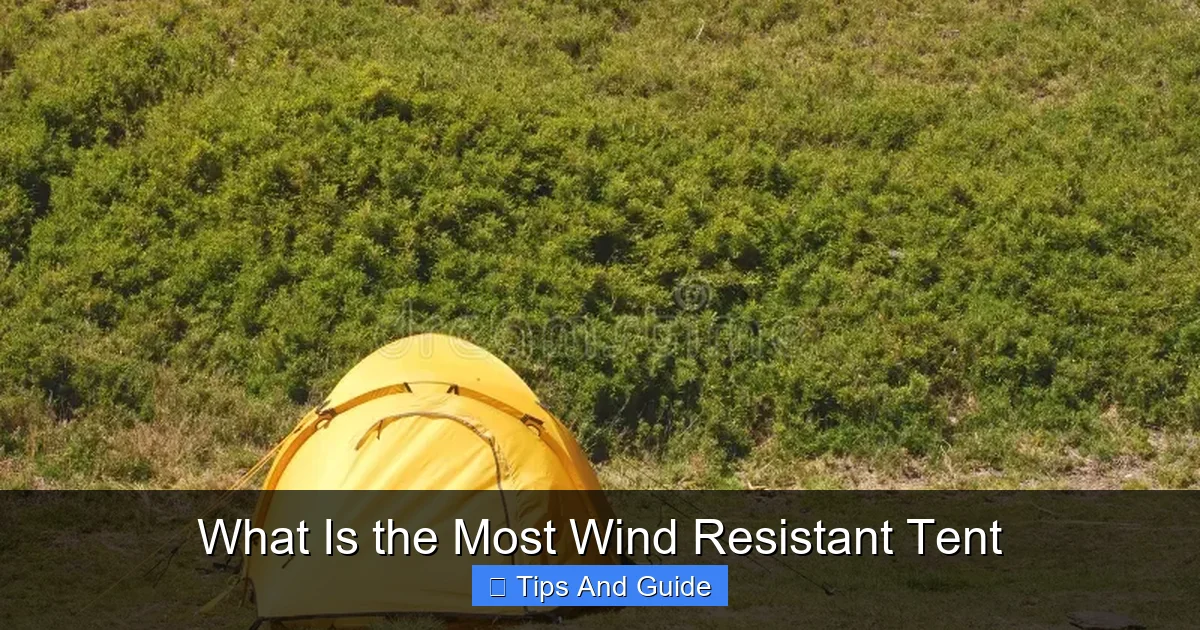
Finding the most wind resistant tent means prioritizing sturdy materials, aerodynamic design, and secure anchoring. The best options combine reinforced poles, low profiles, and durable fabrics to withstand gale-force conditions—perfect for mountain, beach, or storm-prone camping.
Key Takeaways
- Aerodynamic shape matters most: Low-profile, dome, or tunnel tents cut through wind better than tall or boxy designs.
- Reinforced poles are essential: Look for aluminum or composite poles with strong joints and multiple attachment points.
- Heavy-duty fabric increases durability: Ripstop nylon or polyester with high denier ratings resists tearing in strong gusts.
- Proper anchoring is non-negotiable: Use guylines, sandbags, or snow stakes depending on terrain to keep your tent grounded.
- Ventilation prevents collapse: Strategic vents reduce pressure buildup without sacrificing weather protection.
- Test setup before you go: Practice pitching your tent at home so you’re ready when winds hit.
- Not all “4-season” tents are equal: True 4-season models offer superior wind resistance compared to 3-season upgrades.
📑 Table of Contents
Why Wind Resistance Matters in a Tent
Imagine this: You’ve hiked for hours to reach a stunning ridge campsite, only to watch your tent flap violently in the wind—or worse, collapse halfway through the night. Wind isn’t just annoying; it’s dangerous. A poorly designed or inadequately secured tent can tear, snap poles, or even become a flying hazard. That’s why choosing the most wind resistant tent isn’t a luxury—it’s a safety necessity.
Wind resistance matters whether you’re camping on a breezy beach, a snowy alpine pass, or a forested ridge during storm season. Even moderate winds can stress seams, loosen stakes, and create noise that ruins sleep. The right tent will stay quiet, stable, and intact—keeping you dry, warm, and confident no matter what the forecast throws at you.
Key Features of a Wind-Resistant Tent
1. Aerodynamic Shape and Low Profile
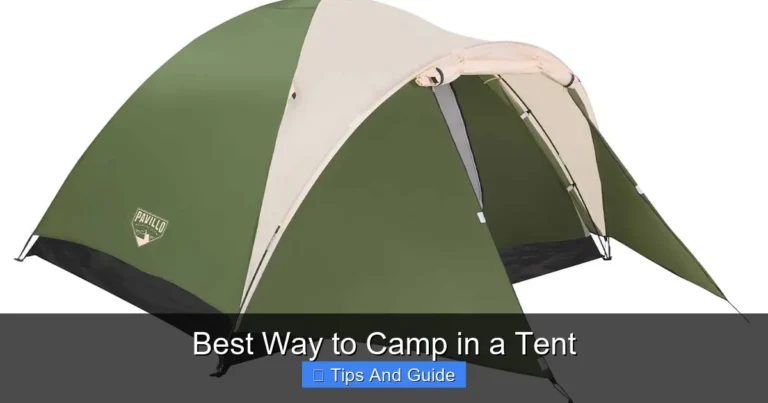
The shape of your tent plays the biggest role in how it handles wind. Tall, vertical-walled tents act like sails, catching every gust. In contrast, low-profile designs—like geodesic domes or tunnel tents—deflect wind smoothly over and around the structure. These shapes minimize surface area exposed to wind and reduce lift forces.
For example, a classic dome tent with sloped sides performs far better than a cabin-style tent with boxy corners. Some of the best wind-resistant models, like those used by mountaineers, use multiple crossing poles to create a self-supporting dome that distributes stress evenly.
2. Strong, Flexible Pole Material
Poles are the skeleton of your tent—and weak ones mean disaster in high winds. Aluminum poles (especially 7001 or 7075 alloys) offer an excellent balance of strength, flexibility, and weight. They bend without breaking, which is crucial when gusts push and pull on your shelter.
Avoid cheap fiberglass poles, which tend to snap under pressure. Look for tents with more pole intersections (like geodesic designs) or dual-pole systems that add redundancy. Brands like MSR, Hilleberg, and Black Diamond are known for robust pole engineering.
3. Durable, Tear-Resistant Fabric
Fabric strength is measured in denier—the higher the number, the thicker and more durable the material. A 70D or higher ripstop nylon/polyester fly and floor can withstand abrasion and tension far better than ultralight 20D fabrics.
Also check the hydrostatic head (HH) rating—while primarily for waterproofing, a higher HH (3000mm+) often correlates with heavier, more resilient fabrics. Reinforced stress points (like corner gussets and guyout patches) further prevent tearing where wind stress concentrates.
4. Secure Guyline and Stake System
No matter how strong your tent is, it won’t stay put without proper anchoring. Quality wind-resistant tents include multiple guylines—ideally color-coded and pre-attached—so you can tension the fly independently from the inner tent.
Use sturdy, Y- or V-shaped stakes made of aluminum or steel. On soft ground (sand, snow), opt for wide, flat stakes or sandbags. For rocky terrain, consider deadman anchors or tying off to trees/boulders. Always angle guylines at 45 degrees away from the tent for maximum hold.
5. Smart Ventilation Design
Trapped air inside a tent increases internal pressure during windstorms, which can lift or distort the structure. The best wind-resistant tents feature adjustable vents—often near the peak or along the sides—that allow airflow without exposing you to rain or drafts.
Look for dual-layer vents (mesh under a rainfly flap) so you can ventilate even in wet conditions. This prevents condensation buildup while keeping the tent stable.
Top Tent Types for High-Wind Conditions
Geodesic and Semi-Geodesic Domes
These are the gold standard for extreme weather. Geodesic tents use multiple interlocking poles that form a spherical shape, offering unmatched stability. Semi-geodesic versions have fewer poles but still maintain a strong, wind-shedding profile. They’re heavier than standard domes but worth it for exposed sites.
Tunnel Tents
Popular in Europe and among bikepackers, tunnel tents (or wedge tents) use a series of hoops to create a long, low arch. When properly staked, they handle crosswinds exceptionally well. However, they require more space and careful orientation—always pitch them with the narrow end facing the wind.
Beach and Canopy Tents with Wind Kits
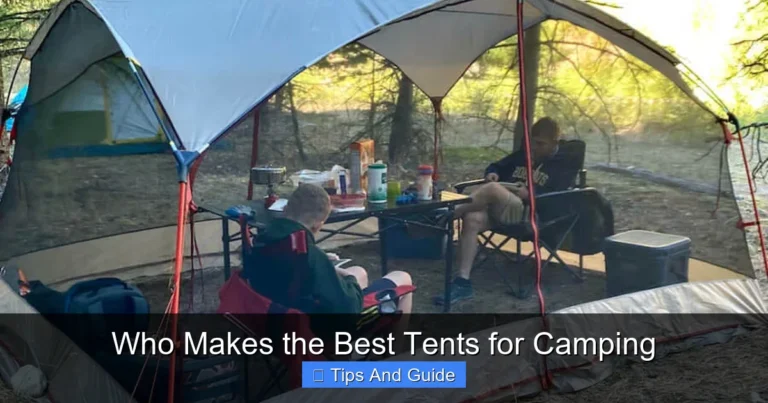
If you’re camping on the coast, don’t assume a standard camping tent will suffice. Beach-specific models often come with extra guylines, sand pockets, and UV-resistant fabrics. Some, like the best beach shade tent for wind, include weighted skirts or anchor systems designed for loose sand.
For larger groups, consider a reinforced canopy-style shelter. Models like the best beach canopy tent for wind offer expansive coverage without sacrificing stability—just ensure you use all included anchoring points.
How to Maximize Your Tent’s Wind Resistance
Even the most wind resistant tent can fail if set up incorrectly. Follow these pro tips to boost performance:
- Choose your site wisely: Avoid ridge tops, open fields, or gullies where wind funnels. Look for natural windbreaks like boulders, dense trees, or dunes—but never camp directly under dead branches.
- Pitch into the wind: Orient the smallest side or vestibule toward the prevailing wind to reduce surface exposure.
- Tension everything: Use trekking poles or sticks to support guylines if needed. A taut fly sheds wind better than a saggy one.
- Add weight: Place backpacks, water bottles, or sandbags inside the tent corners to lower the center of gravity.
- Re-stake during storms: Check stakes every few hours in prolonged winds—they can loosen as soil shifts.
And remember: practice makes perfect. If you’re heading into serious conditions, rehearse your setup at home. Knowing how to quickly deploy your tent in the dark or rain can be a lifesaver.
Real-World Examples: Tents That Earn Their Stripes
While “the most wind resistant tent” depends on your specific needs (solo vs. family, summer vs. winter), a few models consistently earn praise from adventurers:
- Hilleberg Nammatj: A legendary 4-season geodesic tent used on Everest expeditions. Its Kerlon 1800 fabric and triple-cross pole design laugh in the face of 80+ mph winds.
- MSR Access 2: A lighter semi-geodesic option that bridges 3- and 4-season performance—ideal for backpackers who need reliability without excessive weight.
- Coleman Instant Beach Canopy: For casual beach days, this pop-up includes sand anchors and a vented roof. Pair it with extra guylines for storm readiness—see our comparison of the Coleman Instant vs camping tent for details.
For larger groups, the best 8 person tent for wind combines spacious interiors with reinforced frames—perfect for family camping in exposed areas.
Final Thoughts: Safety First, Comfort Second
At the end of the day, no tent is 100% storm-proof—but the most wind resistant tent gives you the best chance of riding out harsh conditions safely. Prioritize design, materials, and setup over flashy features or ultralight claims. Invest in quality, practice your skills, and always respect the weather.
Whether you’re braving mountain passes, coastal bluffs, or backyard thunderstorms, the right tent won’t just survive the wind—it’ll let you sleep soundly through it.
Frequently Asked Questions
What makes a tent truly wind resistant?
A truly wind resistant tent combines a low, aerodynamic shape, strong flexible poles, high-denier fabric, multiple guylines, and smart ventilation. These features work together to deflect wind, resist tearing, and stay anchored in gusty conditions.
Can a 3-season tent handle strong winds?
Some high-quality 3-season tents can handle moderate winds if properly staked and sheltered. However, for consistent high-wind exposure (like mountains or coasts), a dedicated 4-season or semi-geodesic tent is far safer and more reliable.
Do I need special stakes for windy conditions?
Yes! Standard metal stakes may pull out in sand or loose soil. Use wide, flat stakes for sand, snow stakes for powder, or deadman anchors for rock. Aluminum Y-stakes offer great holding power across most terrains.
Should I face my tent door into the wind?
No—always orient the smallest side or vestibule into the wind. This reduces the surface area catching gusts and prevents wind from blowing directly into your sleeping space.
Are pop-up tents safe in high winds?
Most pop-up tents aren’t designed for sustained high winds unless specifically rated for it. If using one on the beach, add extra guylines, sandbags, and avoid pitching in forecasted gales. Check out our guide on the best beach shade tent for wind for safer options.
How do I know if my tent is 4-season?
True 4-season tents have robust poles, full-coverage rainflies, minimal mesh, and reinforced construction. They’re heavier than 3-season models and built for snow, ice, and high winds—not just summer storms.