What Is the Best Tent for Motorcycle Camping
Choosing the best tent for motorcycle camping means balancing weight, pack size, durability, and weather protection. The ideal tent should be easy to set up, secure in wind, and fit snugly beside your bike—without weighing you down.
Key Takeaways
- Weight matters: Look for tents under 4 lbs to avoid straining your bike’s storage.
- Packed size is critical: Choose a tent that fits in a saddlebag or tail bag—compact is king.
- Quick setup saves time: Freestanding or pop-up designs let you pitch camp fast after a long ride.
- Weather resistance is non-negotiable: A waterproof rainfly and sealed seams protect you from sudden storms.
- Ventilation prevents condensation: Mesh panels and dual doors improve airflow in warm or humid climates.
- Durability over features: Reinforced poles and ripstop fabric last longer on rough terrain.
- Consider a footprint: A groundsheet extends tent life and adds extra moisture protection.
📑 Table of Contents
Why Motorcycle Camping Demands a Special Tent
Motorcycle camping is all about freedom—rolling into a new spot each night, sleeping under the stars, and waking up ready to ride. But that freedom comes with limits. Unlike car campers who can toss a bulky 8-person cabin tent into the trunk, riders need gear that’s light, compact, and tough. Every ounce counts when you’re balancing luggage on two wheels.
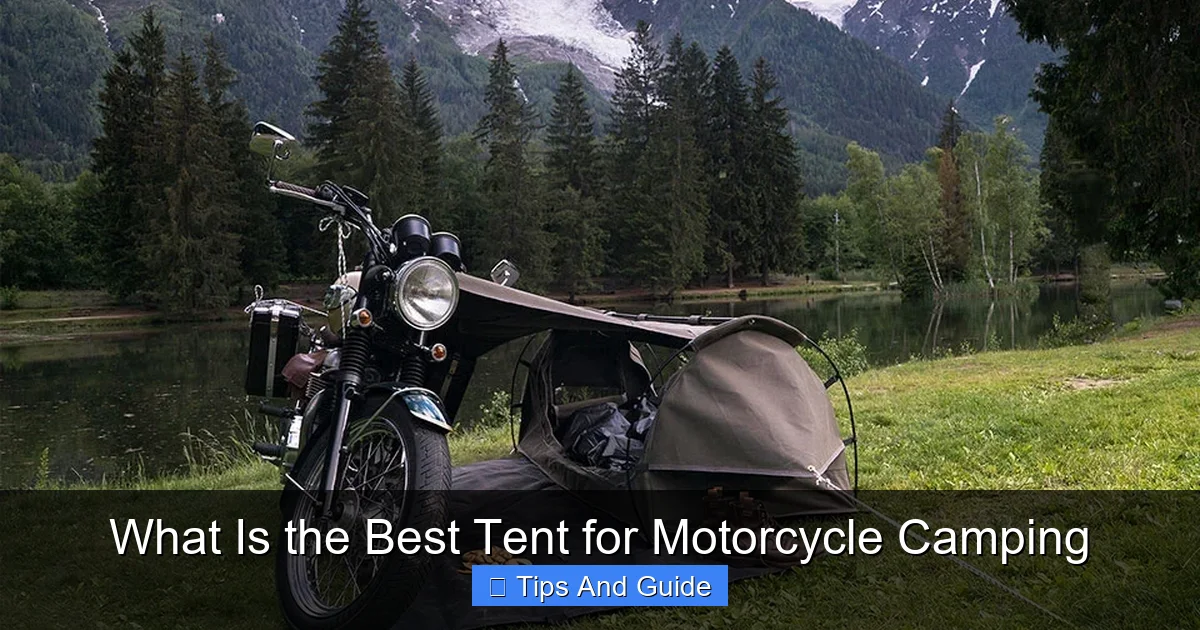
The best tent for motorcycle camping isn’t just small—it’s smartly designed. It must pack down smaller than a sleeping bag, resist wind and rain, and set up in under five minutes so you’re not fumbling in the dark after a 300-mile day. Forget heavy frames and complex pole systems. What you need is simplicity, reliability, and portability rolled into one rugged package.
Top Features to Look for in a Motorcycle Camping Tent
Lightweight Construction
Every pound you carry affects handling, fuel efficiency, and fatigue. Most experienced riders aim for a tent under 4 pounds. Ultralight options like the best tent for solo camping often weigh as little as 2.5 lbs, making them perfect for minimalist trips. Materials like ripstop nylon or Dyneema reduce weight without sacrificing strength.
Compact Packed Size
A tent that’s light but bulky won’t fit on your bike. Look for models that compress to the size of a water bottle or smaller. Many modern motorcycle tents pack into stuff sacks under 12 inches long and 6 inches wide—ideal for strapping to a rear rack or stuffing into a tail bag. The best pop-up tent for motorcycle camping often wins here, folding down instantly and fitting in tight spaces.
Fast and Easy Setup
After hours in the saddle, the last thing you want is a complicated tent. Freestanding designs with color-coded clips or instant-pitch systems let you set up in minutes—even solo. Pop-up tents take this further, deploying in seconds with minimal effort. For stealth or quick overnight stops, speed is everything.
Weather Protection
Weather changes fast on the open road. A good motorcycle tent needs a full-coverage rainfly, taped seams, and a waterproof floor (at least 1500mm rating). Look for steep wall angles to shed rain and reinforced guylines for windy conditions. If you ride in rainy regions, check out the best tent for the rain for proven storm performance.
Ventilation and Comfort
Condensation builds quickly in small tents, especially in humid or cold weather. Dual vestibules let you store gear outside the sleeping area, while mesh roof panels and adjustable vents keep air moving. Some tents even include gear lofts or pockets—small luxuries that make a big difference on long trips.
Types of Tents Suited for Motorcycle Camping
Ultralight Backpacking Tents
These are the gold standard for minimalist riders. Weighing 2–3.5 lbs and packing tiny, they’re built for speed and efficiency. Brands like Big Agnes, MSR, and Nemo offer models with single or double doors, freestanding designs, and excellent weather resistance. Perfect if you’re traveling light and sleeping solo.
Pop-Up or Instant Tents
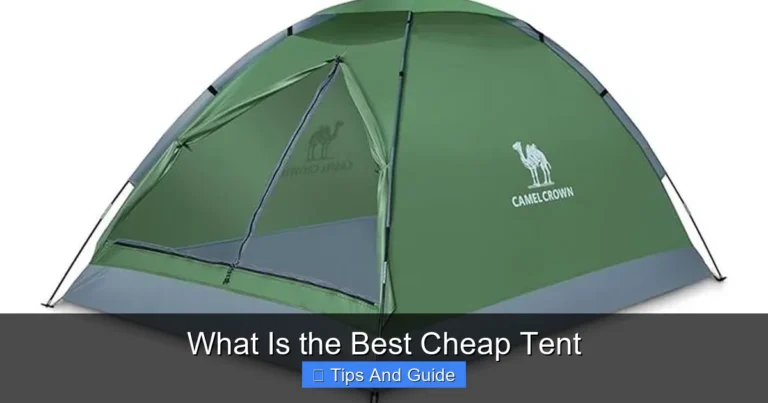
Pop-up tents spring open in seconds—no poles to assemble. They’re slightly heavier (3–5 lbs) but unbeatable for convenience. Great for riders who prioritize setup speed over ultra-light weight. Just remember: they can be less stable in high winds unless well-staked.
Bivy Tents and Shelters
For the ultimate minimalist, a bivy sack offers near-zero bulk and weight. It’s essentially a waterproof cover for your sleeping bag. While not roomy, it’s ideal for fair-weather stealth camping or emergency use. Pair it with a lightweight tarp for added protection.
2-Person Tents (Used Solo)
Sometimes, a little extra space is worth the slight weight increase. A 2-person tent used by one rider gives room for gear inside, better ventilation, and more comfort on multi-day trips. Just ensure it still packs small enough for your bike.
Top Recommended Tents for Motorcycle Camping
Based on real-world testing and rider feedback, here are standout options:
- Big Agnes Copper Spur HV UL1: At 2.4 lbs, this freestanding tent offers surprising headroom, dual doors, and excellent storm protection. Packs small and sets up fast—ideal for serious riders.
- MSR Hubba Hubba NX 2: Slightly heavier at 3.5 lbs but incredibly durable. Great for all-season use with superb ventilation and a spacious interior.
- Decathlon Quechua MH500 Fresh & Black: Budget-friendly at under $150, this pop-up tent blocks light, resists heat, and sets up in 30 seconds. A favorite among European riders—see the best tent for motorcycle camping UK for regional insights.
- Nemo Hornet Elite 1P: Ultralight (2.1 lbs) with a unique pole design that maximizes space. Excellent for fastpacking and long-distance touring.
Tips for Packing and Using Your Tent on a Bike
Use a Footprint
Always lay down a lightweight groundsheet (or DIY Tyvek sheet) beneath your tent. It prevents abrasion from rocks and roots, extends tent life, and adds a layer of waterproofing.
Pack Smart
Store your tent in a compression sack and place it low and centered on your bike for better balance. Avoid loose straps that can flap in the wind. Many riders use dry bags to keep everything weatherproof.
Practice Setup Before You Go
Nothing ruins a campsite arrival like struggling with unfamiliar gear. Practice pitching your tent at home—especially in the dark or rain. Knowing your system by heart saves time and stress.
Secure Your Site
Even the best tent can fail if poorly anchored. Use sturdy stakes (aluminum or titanium), guylines, and natural anchors like trees or rocks. In windy areas, consider a low-profile setup or a more aerodynamic shelter.
Final Thoughts: Choosing What Works for You
There’s no single “best” tent for every rider—only the one that fits your style, route, and priorities. If you’re crossing continents, go ultralight. If you’re weekend warrior camping near home, a pop-up might be perfect. Always prioritize packability, weather resistance, and ease of use.
Remember, your tent is your mobile home. Invest in quality, test it before you leave, and treat it well. With the right shelter, every sunrise on the road feels like a fresh adventure.
Frequently Asked Questions
What’s the lightest tent for motorcycle camping?
The Nemo Hornet Elite 1P weighs just 2.1 lbs and packs extremely small, making it one of the lightest viable options. It’s ideal for long-distance riders who count every ounce.
Can I use a regular camping tent on my motorcycle?
You can, but it’s not ideal. Most family or car camping tents are too heavy and bulky. Stick to ultralight or pop-up models designed for portability and quick setup.
Do I need a freestanding tent for motorcycle camping?
Not always, but freestanding tents are easier to move and reposition on rocky or uneven ground. Non-freestanding tents rely more on stakes, which can be tricky on hard surfaces.
How do I keep my tent dry inside?
Use a footprint, keep wet gear in vestibules, and ensure good ventilation. Avoid bringing damp clothing or boots into the main sleeping area.
Are pop-up tents durable enough for motorcycle trips?
Many modern pop-up tents use reinforced frames and ripstop fabric, making them surprisingly durable. Just avoid dragging them across sharp rocks or rough terrain.
Should I get a 1-person or 2-person tent for solo motorcycle camping?
A 2-person tent gives extra space for gear and better airflow, but only if it still packs small. For minimalists, a high-quality 1-person tent is usually the better choice.