

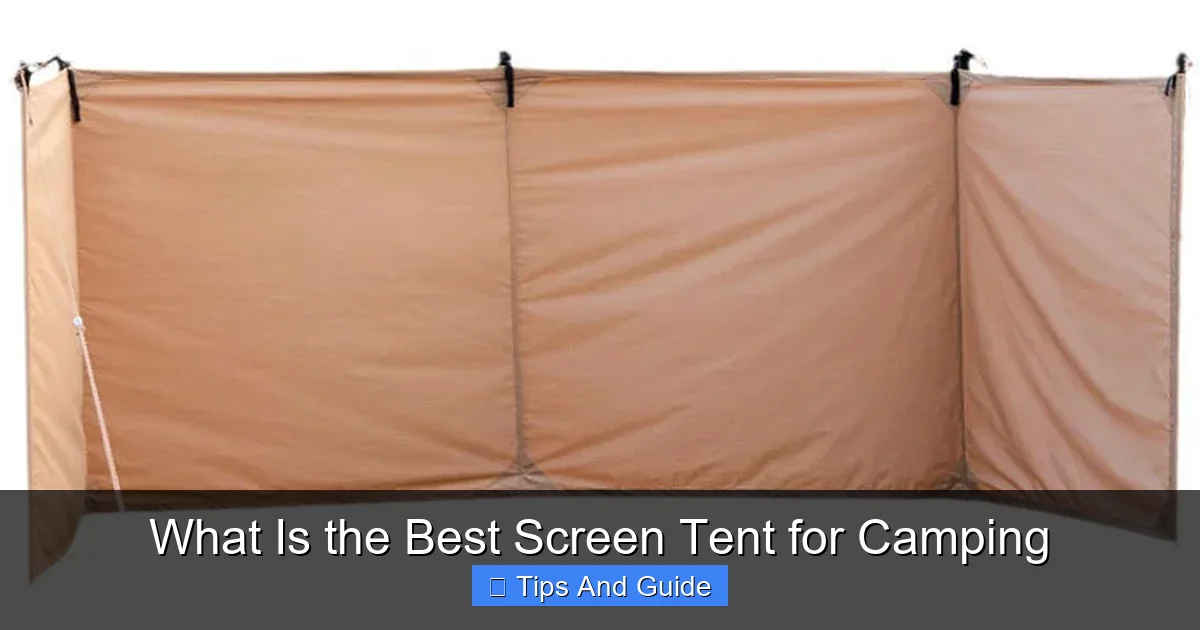
Finding the best screen tent for camping means balancing durability, ventilation, and ease of setup. Whether you’re car camping with family or backpacking solo, a quality screen tent keeps insects out while letting fresh air in—making your outdoor experience far more enjoyable.
Key Takeaways
- Prioritize ventilation and airflow: Look for mesh walls and roof panels to prevent condensation and keep the space cool.
- Choose the right size for your group: A 6-person screen tent offers ample space for families, while smaller models work well for couples or solo campers.
- Opt for quick setup designs: Pop-up or instant screen tents save time and reduce frustration at the campsite.
- Check floor inclusion and material: A built-in floor adds protection from moisture and crawling insects, especially in damp environments.
- Consider portability and weight: Lightweight frames and compact packing make transport easier, especially if hiking to your site.
- Look for UV and weather resistance: Reinforced fabric and water-resistant coatings extend the tent’s lifespan in various conditions.
- Read real user reviews: Practical feedback helps identify long-term durability and real-world performance.
📑 Table of Contents
- What Is a Screen Tent and Why Do You Need One?
- Key Features to Look for in the Best Screen Tent for Camping
- Top Types of Screen Tents for Different Camping Needs
- Best Screen Tent for Camping: Top Picks by Category
- How to Choose the Right Size Screen Tent
- Tips for Maintaining and Using Your Screen Tent
- Final Thoughts: Is a Screen Tent Worth It?
What Is a Screen Tent and Why Do You Need One?
A screen tent is a lightweight, mesh-walled shelter designed to keep bugs, mosquitoes, and other pests out while allowing airflow and visibility. Unlike traditional camping tents, screen tents don’t typically have solid walls—instead, they’re built with fine mesh on all sides (and sometimes the roof) to create a bug-free zone without trapping heat. They’re perfect for relaxing, dining, or storing gear during the day when you want protection from insects but not full enclosure.
Many campers use screen tents as a central hangout space at the campsite. Imagine enjoying your morning coffee without swatting flies, or playing board games with kids while mosquitoes buzz harmlessly outside. Screen tents also double as great dining shelters, protecting food from ants and wasps. If you’ve ever tried to eat a sandwich only to have it swarmed by gnats, you’ll appreciate the value of a good screen tent.
Key Features to Look for in the Best Screen Tent for Camping
Mesh Quality and Density
The mesh is the heart of any screen tent. Look for tightly woven, no-see-um mesh that blocks even the tiniest insects common in marshy or wooded areas. High-quality mesh should be durable yet breathable—nylon or polyester with a fine gauge (like 150–200 denier) offers a solid balance. Avoid cheap, loosely woven screens that tear easily or let bugs through.
Frame Material and Stability
Most screen tents use either steel or aluminum frames. Aluminum is lighter and rust-resistant, making it ideal for backpackers or frequent travelers. Steel is stronger and more stable in wind but adds weight. For car camping, steel frames are often preferred for their sturdiness. Look for reinforced corners and shock-corded poles for easier assembly.
Floor Options: Built-In vs. Separate
Some screen tents come with a sewn-in floor, while others are floorless. A built-in floor adds protection from moisture, dirt, and ground-dwelling insects—great for rainy or muddy conditions. However, floorless models are lighter and easier to clean. If you’re camping in dry, elevated areas, a floorless design might suffice. But for family trips or longer stays, a floor is a worthwhile upgrade.
Ease of Setup
No one wants to wrestle with a complicated tent after a long drive. The best screen tents for camping feature quick-pitch designs—many pop up in under a minute. Brands like Coleman and CORE offer instant setup models that unfold and lock into place with minimal effort. Practice at home first, so you’re not fumbling in the dark at the campsite.
Ventilation and Roof Design
Good airflow prevents condensation and keeps the interior cool. Look for screen tents with roof vents or partial mesh roofing. Some models include rainfly compatibility for unexpected showers. While screen tents aren’t meant to be fully waterproof, a detachable rain cover can add peace of mind during sudden downpours.
Top Types of Screen Tents for Different Camping Needs
Pop-Up Screen Tents
Pop-up screen tents are the fastest to set up—just unfold and they spring into shape. They’re perfect for casual campers who value convenience. The best pop up screen tent for camping often includes a carrying bag and takes less than 60 seconds to deploy. However, they may not be as stable in high winds unless properly staked.
Traditional Frame Screen Tents
These require pole assembly but offer greater customization and stability. They’re ideal for longer trips or group camping where you need a reliable, semi-permanent shelter. Many come with guy lines and stakes for added security in breezy conditions.
Screen Rooms with Attached Floors
Great for families, these enclosed spaces provide a clean, dry area for kids to play or meals to be served. Models like the Coleman Screened Cabin Tent offer spacious interiors and full floors. They’re bulkier but worth it for comfort during multi-day trips.
Lightweight Backpacking Screen Tents
For minimalist campers, ultralight screen tents weigh under 5 pounds and pack down small. They’re not as roomy but offer essential bug protection for solo or duo adventures. Pair one with a tarp for rain coverage.
Best Screen Tent for Camping: Top Picks by Category
Best Overall: Coleman Instant Screen House
The Coleman Instant Screen House is a favorite among campers for its 1-minute setup, sturdy steel frame, and 12 x 10-foot footprint. It features zippered doors, a screened roof, and a durable floor. Ideal for family car camping, it comfortably fits a small table and chairs. Its UV-resistant fabric holds up well in sunny conditions.
Best for Families: CORE 12-Person Instant Screen House
If you’re camping with a large group, this spacious option offers 144 square feet of bug-free space. It sets up in two minutes and includes a gear loft and hanging pockets. The included rainfly makes it adaptable for light rain. It’s one of the best big tent for camping options when you need room to spread out.
Best Budget Option: Ozark Trail 10-Person Screen House
Offering great value, this model provides solid construction and ample space at a lower price point. It’s not as durable as premium brands but works well for occasional campers. Great for picnics, backyard use, or short camping trips.
Best for Windy Conditions: REI Co-op Screen House
Designed with reinforced corners and strong aluminum poles, this tent handles gusty weather better than most. It includes multiple guy-out points and a taut floor for stability. A top pick for beach or mountain camping where winds are common.
How to Choose the Right Size Screen Tent
Screen tents come in sizes ranging from 6-person to 16-person models. For a couple, a 6- to 8-person tent offers enough room for seating and gear. Families of four should consider a 10- to 12-person model to allow space for a table and movement. Larger groups or those who want extra comfort should look at 14- to 16-person options.
Remember: screen tents are measured by floor area, not sleeping capacity. A “10-person” screen tent doesn’t mean 10 people can sleep inside—it refers to standing or seating space. Always check the actual dimensions (length x width) to ensure it fits your campsite and vehicle.
Tips for Maintaining and Using Your Screen Tent
- Clean after each trip: Shake out dirt and debris, and let it dry completely before storing to prevent mold.
- Store properly: Keep in a cool, dry place away from direct sunlight to preserve fabric and mesh.
- Use a ground tarp: Even with a floor, placing a tarp underneath adds extra moisture protection.
- Stake it down: Always use stakes and guy lines in windy conditions to prevent flapping or collapse.
- Patch small tears early: Keep a mesh repair kit handy to fix holes before they grow.
Final Thoughts: Is a Screen Tent Worth It?
Absolutely. The best screen tent for camping enhances your outdoor experience by creating a comfortable, insect-free zone. Whether you’re sipping coffee at dawn or hosting a campfire dinner, a quality screen tent adds convenience and comfort. While not essential for every trip, it’s a game-changer for family outings, summer camping, or buggy environments.
When choosing, focus on your specific needs: group size, setup speed, weather resistance, and portability. Investing in a durable, well-designed screen tent pays off in comfort and usability season after season. Pair it with other camping essentials like a reliable sleeping setup—check out our guide on the best air mattress for tent camping—and you’ll be ready for anything nature throws your way.
Frequently Asked Questions
What is the difference between a screen tent and a regular tent?
A screen tent is designed for daytime use with mesh walls to keep bugs out while allowing airflow. Regular tents have solid walls for privacy and weather protection, primarily used for sleeping.
Can you sleep in a screen tent?
Most screen tents aren’t designed for overnight sleeping due to lack of privacy and weather protection. However, some models with floors and rainflies can work in dry, calm conditions.
Do screen tents keep mosquitoes out?
Yes, as long as the mesh is fine enough (no-see-um grade). High-quality screen tents effectively block mosquitoes, gnats, and other small insects.
Are pop-up screen tents durable?
Many are quite durable, especially those with reinforced frames and quality fabric. However, they may not withstand strong winds as well as traditional frame models unless properly anchored.
Can you use a screen tent in the rain?
Screen tents alone aren’t waterproof, but many come with or support optional rainflies. Always check the weather forecast and use a rain cover if needed.
How do you keep a screen tent cool in summer?
Choose a model with roof vents, partial mesh roofing, and good airflow. Set it up in a shaded area and use a battery-powered fan for extra comfort on hot days.
