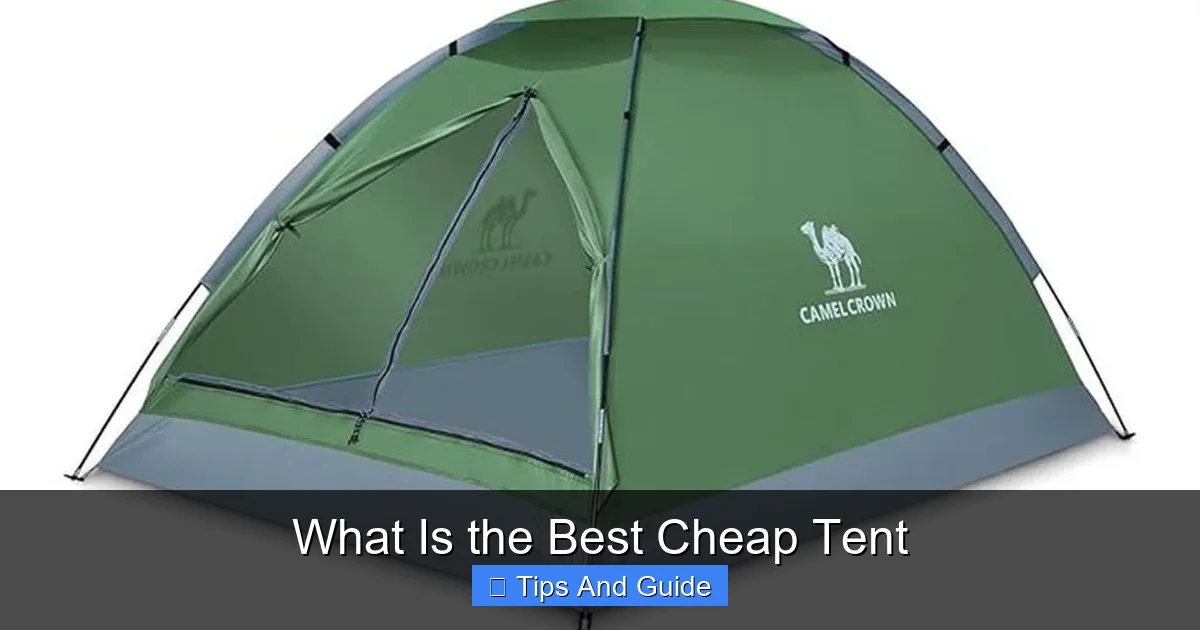
What Is the Best Cheap Tent
Finding the best cheap tent doesn’t mean sacrificing quality or comfort. With so many affordable options on the market, you can enjoy reliable shelter, easy setup, and weather resistance—all under $100. Whether you’re camping solo, with a partner, or the whole family, there’s a budget tent built for your adventure.
Key Takeaways
- Price doesn’t always mean poor quality: Many affordable tents offer excellent features like waterproofing, ventilation, and durable materials.
- Look for weather resistance: A good cheap tent should handle rain, wind, and sun—check for a full-coverage rainfly and sturdy poles.
- Ease of setup matters: Pop-up or instant tents save time and frustration, especially for beginners or family trips.
- Size and capacity vary: Choose a tent rated for one more person than you need for extra comfort and gear storage.
- Ventilation prevents condensation: Mesh panels and windows help airflow, keeping the interior dry and breathable.
- Brand reputation counts: Trusted names like Coleman, Oileus, and Fanttik often deliver better value and customer support.
- Read real user reviews: Customer feedback reveals long-term durability and real-world performance beyond product specs.
📑 Table of Contents
What Makes a Tent “Cheap” — And Is It Worth It?
When you’re shopping for a tent on a budget, it’s easy to assume that “cheap” means flimsy, leaky, or uncomfortable. But the truth is, the best cheap tent can offer solid performance, reliable protection, and even some premium features—all without costing a fortune. Thanks to advances in materials and manufacturing, today’s budget-friendly tents are better than ever.
So what defines a “cheap” tent? Generally, we’re talking about tents priced under $100—sometimes even under $70. These models are perfect for casual campers, weekend warriors, families on vacation, or anyone who wants a dependable shelter without investing in high-end gear. The key is knowing what to look for so you don’t end up with a tent that collapses in the wind or leaks during the first rainstorm.
Top Features to Look for in a Budget Tent
Not all affordable tents are created equal. To get the most value for your money, focus on these essential features:
Weather Protection
A good cheap tent should keep you dry and comfortable in typical camping conditions. Look for a full-coverage rainfly that extends over the entire tent body—this prevents water from seeping in through the roof or sides. The floor should be made of thick, waterproof material (measured in denier), and the tent should have sealed seams or taped seams to block moisture.
For example, the Coleman Sundome is a classic budget option known for its durable 75D polyester taffeta fabric and welded floors that resist leaks. It’s not designed for extreme weather, but it handles light to moderate rain well.
Ease of Setup
One of the biggest frustrations with camping gear is complicated assembly. That’s why many budget campers love instant or pop-up tents. These models use pre-attached poles or spring-loaded frames that let you set up shelter in under two minutes.
The Fanttik Tent, for instance, is a popular pop-up design that unfolds in seconds. It’s lightweight, compact, and ideal for beach trips, festivals, or quick overnight stays. Just remember: while pop-ups are convenient, they may not be as sturdy in high winds as traditional pole tents.
Ventilation and Airflow
Stuffy, sweaty tents are no fun—especially in summer or humid climates. Mesh windows, roof vents, and breathable fabrics help reduce condensation and keep air moving. Look for tents with multiple mesh panels and adjustable vents.
The Oileus XX Beach Tent excels in this area, with large mesh windows on all sides and a UPF 50+ sun canopy. It’s perfect for sunny beach days, but also works well for car camping when you want maximum airflow.
Size and Interior Space
Always size up. A “2-person” tent is often too tight for two adults with gear. Opt for a 3-person tent if you’re camping with a partner, or a 6-person if you’re bringing kids or extra equipment. Interior height matters too—taller campers will appreciate a dome-style tent with enough headroom to sit up comfortably.
For families, the Coleman Instant Cabin Tent offers near-vertical walls and ample floor space. It sets up in under a minute and includes room dividers for privacy—features rarely found in budget models.
Best Cheap Tent Options by Category
Let’s break down the top affordable tents based on common camping needs:
Best Overall Cheap Tent: Coleman Sundome
Priced around $60–$80, the Coleman Sundome is a legendary budget tent. It’s lightweight, easy to pitch, and comes in 2-, 3-, 4-, and 6-person versions. With its WeatherTec system (including welded floors and inverted seams), it offers surprising weather resistance for the price. It’s not the most spacious or feature-rich tent, but it’s reliable, widely available, and perfect for car camping.
Best Pop-Up Tent: Fanttik Tent
If speed and simplicity are your priorities, the Fanttik Tent is hard to beat. It pops open in seconds and folds back into a compact carry bag. Great for beach outings, festivals, or short camping trips. Just be sure to anchor it well—its lightweight frame isn’t built for heavy storms. For a detailed comparison, check out our guide on Fanttik Tent vs Coleman Sundome.
Best for Families: Coleman Instant Cabin
Need space for four or more? The Coleman Instant Cabin series offers cabin-style height and quick setup. The 8-person version fits two queen air mattresses and includes a room divider. At around $120, it’s slightly above our “cheap” threshold, but often goes on sale—and the convenience is worth it. See how it stacks up against other large tents in our Best 8 Person Tent for the Money review.
Best for Beach or Sun Protection: Oileus XX
While not a traditional camping tent, the Oileus XX is ideal for sunny environments. It provides UPF 50+ sun protection, excellent airflow, and sand anchors for stability. It’s also lightweight and packs small. Compare it to other sun shelters in our Oileus XX vs Beach Tent article.
Common Mistakes to Avoid When Buying a Cheap Tent
Even with careful research, it’s easy to make errors that lead to disappointment. Here are a few pitfalls to watch out for:
- Ignoring the rainfly: Some ultra-budget tents come with partial rainflies that leave the front or back exposed. Always ensure the fly covers the entire tent.
- Overlooking pole quality: Thin, flexible poles may save weight but won’t stand up to wind. Fiberglass poles are common in cheap tents—they’re fine for calm conditions but can snap in storms.
- Skipping the footprint: A groundsheet or footprint protects the tent floor from rocks, roots, and moisture. Many cheap tents don’t include one, so consider buying a separate tarp.
- Assuming “waterproof” means storm-proof: A tent labeled “waterproof” may only resist light rain. Check the hydrostatic head rating—1,200mm or higher is decent for occasional showers.
Tips for Getting the Most Out of Your Budget Tent
Once you’ve chosen your tent, a little prep goes a long way:
- Practice setting it up at home: You don’t want to learn the ropes in the dark at the campsite. A quick backyard test ensures you know how it works.
- Use guylines and stakes: Even in calm weather, anchoring your tent improves stability and ventilation.
- Keep it clean and dry: Always dry your tent completely before storing to prevent mold and mildew.
- Store it loosely: Never leave your tent compressed in its bag for long periods—it can damage the fabric and coatings.
And if you’re camping in the rain, learn the best way to set up a tent in the rain to stay dry from the start.
Final Thoughts: You Don’t Need to Spend Big to Camp Well
The best cheap tent proves that affordability and quality aren’t mutually exclusive. With smart shopping and realistic expectations, you can find a tent that keeps you dry, comfortable, and happy on your outdoor adventures—without draining your wallet. Whether you’re heading to the mountains, the beach, or just the backyard, there’s a budget-friendly shelter ready to go.
Focus on core features like weather protection, ease of use, and proper sizing. Read real customer reviews, compare models, and don’t be afraid to ask questions before you buy. And remember: a great camping experience starts with the right gear—not the most expensive gear.
So pack your bags, grab your flashlight, and get ready to explore. Your perfect cheap tent is out there—and your next adventure is waiting.
Frequently Asked Questions
What is the cheapest good-quality tent?
The Coleman Sundome is often considered the cheapest good-quality tent, typically priced under $80. It offers reliable weather protection, easy setup, and comes in multiple sizes, making it a favorite among budget campers.
Can a cheap tent handle rain?
Yes, many cheap tents can handle light to moderate rain if they have a full-coverage rainfly, sealed seams, and a waterproof floor. However, they’re not ideal for heavy storms or prolonged wet weather.
Are pop-up tents durable?
Pop-up tents like the Fanttik are convenient and quick to set up, but they’re generally less durable than traditional pole tents. They work well for fair weather and short trips but may not withstand strong winds.
How do I keep my cheap tent from leaking?
Use a footprint or tarp under your tent, ensure the rainfly is properly secured, and avoid placing the tent in low-lying areas where water can pool. Seam sealing can also help prevent leaks.
What size tent should I buy for two people?
Choose a 3-person tent for two people. This gives you extra space for gear and makes the interior feel less cramped, especially on longer trips.
Is it worth buying a cheap tent for occasional use?
Absolutely. If you camp a few times a year, a cheap tent offers great value. Just focus on key features like waterproofing and ease of setup to ensure a positive experience.