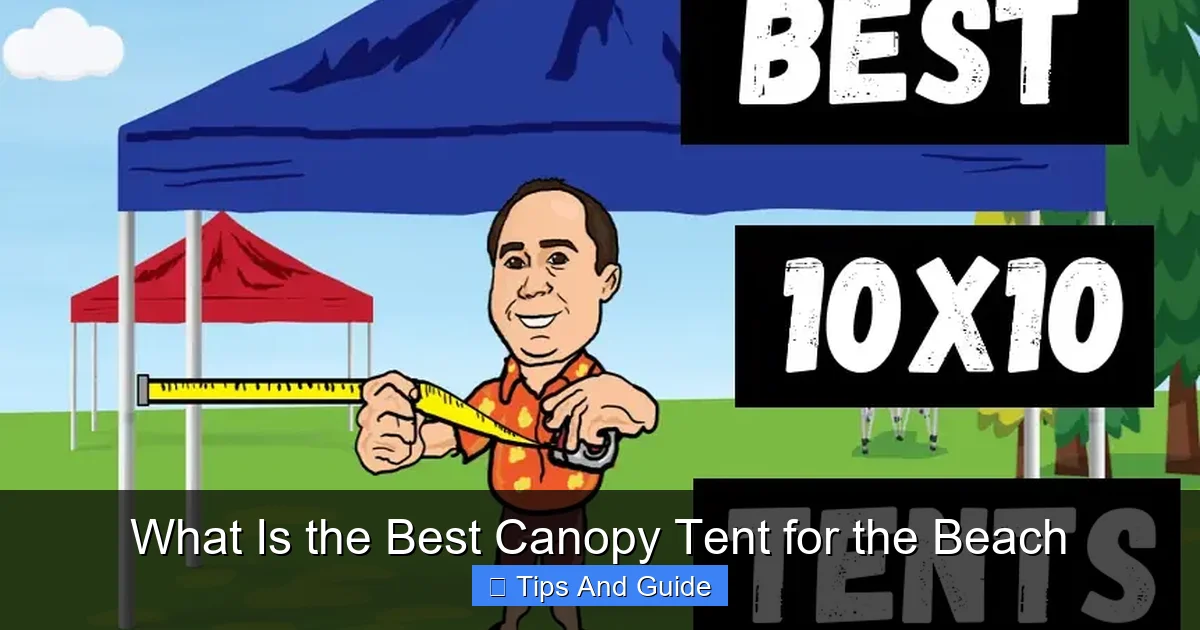
What Is the Best Canopy Tent for the Beach
Choosing the best canopy tent for the beach means balancing sun protection, wind resistance, portability, and ease of setup. The ideal beach canopy should be lightweight, durable, and designed to handle sand, salt, and strong coastal winds without sacrificing shade or comfort.
Key Takeaways
- Wind resistance is critical: Look for reinforced frames, sand anchors, and aerodynamic designs to prevent your tent from flying away.
- UV protection matters: Choose a canopy with UPF 50+ fabric to block harmful sun rays and keep your skin safe.
- Portability and setup ease: Pop-up or instant-setup tents save time and effort, especially when traveling with kids or gear.
- Size and coverage: A 10×10 ft canopy offers ample shade for families, while smaller 6×6 ft models suit couples or solo beachgoers.
- Sand and salt durability: Opt for rust-resistant materials like aluminum frames and fade-resistant fabrics for long-term use.
- Ventilation and airflow: Mesh panels or sloped roofs help reduce wind pressure and keep the space cool.
- Anchoring systems are essential: Use heavy-duty sand bags, stakes, or auger-style anchors to secure your tent in loose sand.
📑 Table of Contents
What Makes a Beach Canopy Tent the Best?
When it comes to enjoying a day at the beach, shade can make all the difference. Whether you’re escaping the midday sun, protecting little ones from UV rays, or just creating a cozy spot for snacks and drinks, the right canopy tent transforms your beach experience. But not all shade solutions are created equal. The best canopy tent for the beach isn’t just about size or color—it’s about performance in challenging coastal conditions.
Unlike backyard canopies, beach-specific designs must handle strong winds, blowing sand, salt air, and intense sunlight. A flimsy frame or weak fabric won’t last long in these conditions. That’s why top-rated beach canopies focus on durability, ease of use, and smart engineering. From pop-up models that unfold in seconds to heavy-duty frames built to resist gusts, today’s options offer something for every beach lover.
Top Features to Look for in a Beach Canopy Tent
Wind-Resistant Design
One of the biggest challenges at the beach is wind. A sudden gust can turn your canopy into a kite—or worse, a hazard for others. That’s why wind resistance is the #1 feature to prioritize. Look for canopies with reinforced steel or aluminum frames, angled legs that dig into the sand, and aerodynamic shapes that allow wind to flow through rather than lift the structure.
Many top models include built-in vents at the top to reduce wind pressure. For extra security, always use anchoring systems. Sand bags, auger stakes, or spiral anchors that twist deep into the sand are essential. If you’re often at windy beaches, consider reading our guide on the best beach canopy tent for wind to find models specifically tested in harsh conditions.
UV Protection and Fabric Quality
Sun safety is non-negotiable at the beach. The best canopy tents use high-quality polyester or oxford fabric with UPF 50+ ratings. This means they block over 98% of UV rays, offering excellent protection for your skin. Darker colors like navy, forest green, or charcoal not only look stylish but also provide better sun blocking than lighter shades.
Avoid thin, see-through materials—they may be cheaper, but they won’t last and offer little real shade. Instead, choose tightly woven, water-resistant fabrics that resist fading from salt and sun exposure. Some premium models even include reflective coatings to bounce heat away, keeping the shaded area noticeably cooler.
Ease of Setup and Portability
No one wants to spend 20 minutes wrestling with poles and clips when the waves are calling. That’s why pop-up and instant-setup canopies are so popular. These models spring into shape with minimal effort—often in under a minute. They’re perfect for families, seniors, or anyone who values convenience.
Portability is just as important. Look for lightweight designs (under 20 lbs is ideal) that come with a carrying bag. Wheeled bags are a bonus if you’re walking long distances from the parking lot. If you’re comparing options, check out our breakdown of the best pop-up canopy tent for beach use, which highlights top-rated models for quick deployment.
Best Types of Beach Canopy Tents
Pop-Up Canopy Tents
Pop-up canopies are the go-to choice for most beachgoers. They’re fast, easy, and require no assembly. Just unfold, extend the legs, and secure with anchors. Brands like Neso, Oileus, and Commouds offer excellent pop-up models with strong frames and reliable fabric.
These tents are great for day trips, picnics, or family outings. However, they may not be the best for extremely windy locations unless properly anchored. Always check the wind rating before purchasing. For a detailed comparison, see our article on Oileus XX vs beach tent which is best to help you decide between popular models.
Frame Canopy Tents
Frame canopies use a traditional pole structure and offer more customization. They’re often larger (10×10 ft or more) and provide better coverage for groups. While they take a bit longer to set up, they’re typically more stable in high winds and can support heavier accessories like hanging lights or banners.
If you’re hosting beach events or need long-term shade, a frame canopy might be worth the extra setup time. Just make sure to use sand anchors and guy lines for stability. For larger groups, explore options in our guide to the best big tent for beach use.
Cabana-Style Tents
Cabana tents blend the openness of a canopy with the privacy of a walled tent. They often feature zip-up sides, mesh windows, and even floors. These are ideal if you want shade, bug protection, and a bit of seclusion—perfect for napping or changing clothes.
While not as breezy as open canopies, cabanas offer more versatility. They’re especially useful on crowded beaches or during buggy evenings. Check out our review of the best cabana tent for beach to find models with great airflow and sun protection.
Top Brands and Models to Consider
Several brands consistently deliver high-quality beach canopies. Here are a few standout options:
- Neso Tents: Known for their lightweight, pop-up designs with excellent UV protection. The Neso Grande is a favorite for its large shade area and easy carry bag.
- Oileus: Offers durable, wind-resistant canopies with reinforced corners and sand anchors included. The Oileus XX is a top pick for windy beaches.
- Commouds: Combines style and function with colorful, sturdy pop-up tents. Their models often include side walls and mesh panels for added comfort.
- Gorich: Specializes in sun-focused designs with reflective coatings and compact packing. Great for travelers who prioritize sun safety.
Each brand has strengths, so your choice depends on your priorities—wind resistance, portability, or extra features like sidewalls. For a head-to-head comparison, read our article on Gorich tent vs beach canopy which is best to see how they stack up.
How to Set Up and Secure Your Beach Canopy
Choosing the Right Spot
Location matters. Set up your canopy on level, compact sand—avoid soft dunes or areas prone to flooding. Face the open side away from the wind to reduce pressure. If possible, position it so the sun moves across the open side, maximizing shade throughout the day.
Anchoring Techniques
Proper anchoring is the difference between a safe shade spot and a runaway canopy. Use at least four anchors—one on each corner. Sand bags filled with wet sand work well, but spiral auger stakes offer the strongest hold. For extra security, add guy lines tied to nearby objects (like coolers or chairs) or buried stakes.
For detailed tips, visit our guide on the best way to anchor a tent on the beach. It covers everything from DIY solutions to commercial anchor kits.
Maintenance and Care
After each use, shake out sand and rinse the canopy with fresh water to remove salt and debris. Let it dry completely before packing to prevent mold. Store in a cool, dry place—never leave it in a hot car for long periods, as heat can weaken the fabric.
Regular maintenance extends the life of your tent and keeps it looking new. A little care goes a long way, especially with frequent beach trips.
Final Thoughts: Picking the Right Canopy for Your Needs
The best canopy tent for the beach isn’t one-size-fits-all. It depends on your typical conditions, group size, and how much effort you’re willing to put into setup. For most people, a pop-up model with UPF 50+ fabric, aluminum frame, and included sand anchors offers the best balance of convenience and performance.
Whether you’re heading to a calm cove or a windy shoreline, investing in a quality canopy ensures you’ll enjoy your beach day in comfort and safety. With the right features and proper setup, your canopy becomes more than shade—it becomes your home away from home by the sea.
Frequently Asked Questions
What size canopy tent is best for the beach?
A 10×10 ft canopy offers the most coverage for families or groups, while a 6×6 ft or 8×8 ft model works well for couples or smaller setups. Choose based on how many people and how much gear you typically bring.
Can a beach canopy tent withstand strong winds?
Yes, if it’s designed for wind and properly anchored. Look for models with reinforced frames, vented tops, and included sand stakes. Always use extra anchors on windy days and avoid setting up in extreme weather.
Do I need a canopy with sidewalls?
Sidewalls add privacy and wind protection but reduce airflow. They’re great for privacy or buggy areas, but open designs are better for cooling breezes on hot days.
How do I stop my canopy from blowing away?
Use heavy sand bags or spiral auger stakes on all four corners. Add guy lines tied to stable objects, and avoid setting up in exposed, windy spots. Check your anchors every hour.
Are pop-up beach canopies durable?
Yes, many pop-up models are built with strong frames and UV-resistant fabric. Just avoid forcing them open or closed, and store them properly to extend their lifespan.
Can I use a regular canopy tent at the beach?
It’s not recommended. Regular canopies aren’t designed for sand, salt, or wind. Beach-specific models use rust-resistant materials and better anchoring systems for safer, longer use.