

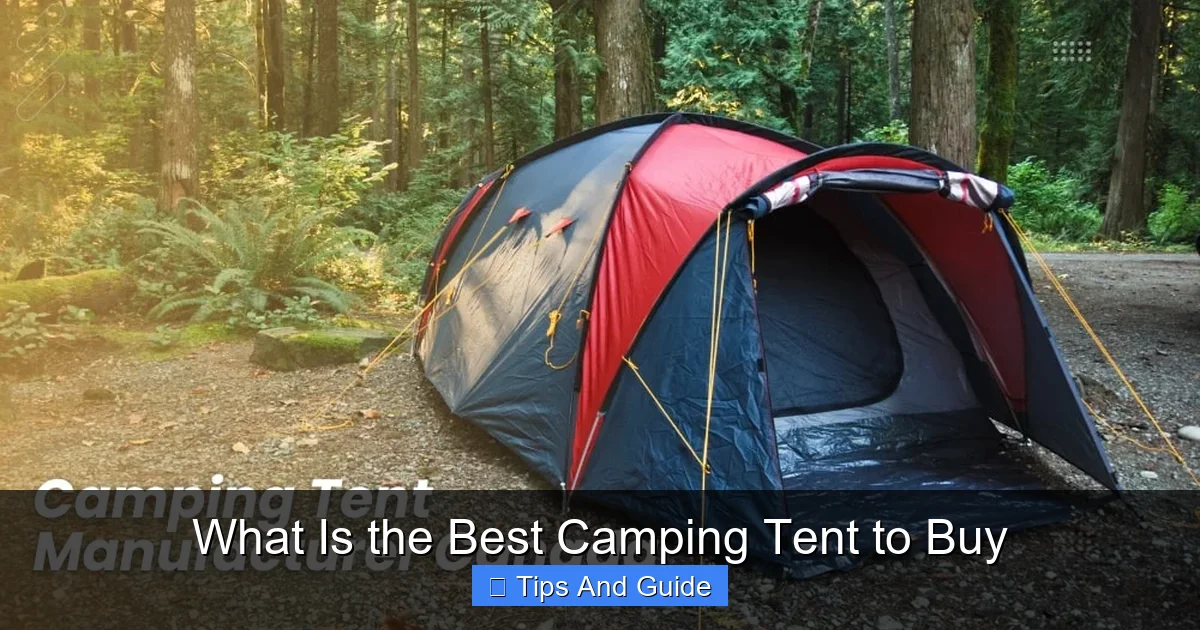
Choosing the best camping tent to buy depends on your needs—season, group size, weight, and weather conditions all matter. This guide breaks down essential features, top-rated models, and smart shopping tips to help you pick a reliable, comfortable shelter for every trip.
So, you’re planning your next outdoor adventure—maybe a weekend in the woods, a family trip to the mountains, or a solo hike under the stars. One thing’s for sure: you need a solid tent. But with so many options out there, how do you know what is the best camping tent to buy?
The truth is, there’s no single “best” tent for everyone. The ideal choice depends on your camping habits, the weather you’ll face, how many people are sleeping, and even how you’ll get to your campsite. A ultralight backpacking tent won’t work for a family of five, and a massive cabin-style tent is overkill for a quick overnight hike. That’s why understanding your needs—and the features that matter—is the first step to making a smart purchase.
Key Takeaways
- Match the tent to your camping style: Backpackers need lightweight, compact tents, while car campers can prioritize space and comfort.
- Season rating matters: 3-season tents are ideal for spring to fall, while 4-season tents handle snow and high winds.
- Look for waterproofing and ventilation: A good rainfly, sealed seams, and mesh panels prevent leaks and condensation.
- Ease of setup saves time: Instant or pop-up tents are great for beginners or rainy conditions.
- Don’t ignore pack size and weight: Even car campers benefit from a tent that’s easy to carry and store.
- Check real user reviews: Professional ratings are helpful, but camper experiences reveal long-term durability and quirks.
📑 Table of Contents
Understand Your Camping Style
Before diving into brands and specs, ask yourself: How do I camp? Your answer will guide your tent choice more than any review or recommendation.
Backpacking vs. Car Camping
If you’re hiking miles into the wilderness with everything on your back, every ounce counts. Backpackers need lightweight, compact tents that won’t slow them down. Look for models under 4 pounds per person. On the flip side, car campers can prioritize comfort—more headroom, bigger vestibules, and even built-in gear lofts. You’re not carrying it far, so weight is less critical.
Family Camping and Group Trips
Families often need extra space. A 4-person tent might technically fit four people, but it’ll feel cramped. Many campers recommend sizing up—so a family of three should consider a 4- or 5-person tent. Look for multiple doors, room dividers, and good ventilation to keep everyone comfortable. For larger groups, check out our guide on the best big family camping tent for spacious, durable options.
Beach and Festival Camping
Beach campers need UV-resistant fabric and sand-resistant floors. Festival-goers want quick setup and privacy. In these cases, ease of use and portability often outweigh extreme weather performance. For beach-specific needs, see our roundup of the best beach camping tent models designed for sun, sand, and wind.
Key Features to Look For
Once you know your camping style, focus on the features that will make or break your experience.
Season Rating
Tents are rated by seasons: 3-season, 4-season, and sometimes 2-season (ultralight). Most campers use 3-season tents—they’re designed for spring, summer, and fall, with good ventilation and rain protection. They handle rain and moderate wind but aren’t built for heavy snow or blizzards. If you camp in winter or high-altitude areas, a 4-season tent is a must. These have stronger poles, less mesh, and better snow-shedding designs.
Waterproofing and Weather Resistance
No one wants a soggy sleeping bag. Look for a tent with a waterproof rating (measured in millimeters) of at least 1,500mm for the floor and 1,200mm for the rainfly. Taped or welded seams prevent leaks, and a full-coverage rainfly keeps rain off the walls. For extra peace of mind, consider a tent with a bathtub floor—where the floor fabric wraps up the sides—to stop water from seeping in.
Ventilation and Condensation Control
Even in dry weather, condensation builds up inside tents from breathing and humidity. Poor ventilation leads to damp walls and cold nights. Look for mesh panels, adjustable vents, and dual doors to promote airflow. This is especially important in humid climates or during summer camping. For tips on staying cool, check out our guide on the best way to stay cool while tent camping.
Setup and Portability
Nothing kills the camping vibe faster than struggling with a complicated tent in the dark. Freestanding tents (which don’t require stakes to stand) are easier to move and set up. Color-coded poles and clips speed up the process. Instant tents, like the Coleman Instant series, can go up in under a minute—great for beginners or rainy setups. For more on quick setups, see our tips on the best way to set up a tent in the rain.
Top Tent Types and Recommendations
Now that you know what to look for, let’s explore the most popular tent styles and some top picks.
Dome Tents
Dome tents are the most common. They’re stable, easy to set up, and offer good headroom. The REI Co-op Half Dome SL is a favorite among backpackers and car campers alike—lightweight, spacious, and durable. For families, the Coleman WeatherMaster 6 is a solid choice with room to stand and a screened room for bug-free lounging.
Cabin Tents
Cabin tents are tall and roomy—perfect for car camping. They often have vertical walls, giving you full standing height and lots of floor space. The CORE 9-Person Extended Dome Tent is a top pick for large groups, with multiple rooms and a gear loft. Just remember: they’re heavy and not ideal for windy sites.
Ultralight and Backpacking Tents
For serious hikers, every gram counts. The Big Agnes Copper Spur HV UL2 is a top-tier ultralight tent—just 2 lbs 12 oz—with excellent space and weather protection. The MSR Hubba Hubba NX is another favorite, known for its durability and ease of use. These tents cost more, but the weight savings are worth it for long treks.
All-Weather and 4-Season Tents
If you’re heading into snow or high winds, don’t skimp. The Hilleberg Anjan is a legendary 4-season tent—built like a tank and incredibly reliable. For a more budget-friendly option, the Mountain Hardwear Trango offers excellent storm protection without the premium price.
Budget vs. Premium: What’s Worth the Splurge?
You can find decent tents under $100, but don’t expect them to last decades. Budget tents often use thinner fabrics, weaker poles, and minimal waterproofing. They’re fine for occasional summer use, but they’ll struggle in rain or wind.
Mid-range tents ($150–$300) offer the best value. Brands like REI, Coleman, and Kelty deliver reliable performance, good materials, and smart designs. These are ideal for most campers.
Premium tents ($400+) use advanced materials like Dyneema or high-denier nylon, ultralight aluminum poles, and precision engineering. They’re built for performance, durability, and weight savings. If you camp often or in tough conditions, the investment pays off.
For a deep dive into value, check out our article on the best camping tent for the money, where we compare price, performance, and longevity.
Final Tips Before You Buy
Before hitting “add to cart,” keep these tips in mind:
- Read real reviews: Look for feedback from campers who’ve used the tent in rain, wind, or cold. Photos help too.
- Check the warranty: A good warranty (5+ years) shows the brand stands behind its product.
- Test it at home: Set up your new tent in the backyard before your trip. You’ll learn the process and spot any missing parts.
- Don’t forget the footprint: A ground cloth protects the tent floor from rocks and moisture. Some tents include one; others don’t.
- Store it dry: Always dry your tent completely before packing it away to prevent mold and mildew.
And if you’re camping in cold weather, don’t miss our guide on the best way to stay warm while tent camping—because no matter how good your tent is, staying cozy is key.
Ultimately, the best camping tent to buy is the one that fits your life, your trips, and your budget. With the right research and a clear idea of your needs, you’ll find a shelter that keeps you dry, comfortable, and ready for adventure—trip after trip.
Frequently Asked Questions
What size tent do I need for 2 people?
A 2-person tent is fine for two people, but if you want extra space for gear or more comfort, consider a 3-person tent. Many campers prefer a little extra room, especially on longer trips.
Are instant tents worth it?
Yes, if you value speed and ease. Instant tents set up in minutes and are great for beginners or rainy conditions. Just make sure they’re still waterproof and well-ventilated.
Can I use a 3-season tent in winter?
It’s not recommended. 3-season tents aren’t built for snow loads or high winds. Use a 4-season tent for winter camping to stay safe and warm.
How do I keep my tent from leaking?
Seal the seams, use a full-coverage rainfly, and set up on high, dry ground. Always use a footprint or tarp underneath (but not larger than the tent floor).
What’s the difference between a freestanding and non-freestanding tent?
Freestanding tents can stand on their own without stakes, making them easier to move and set up. Non-freestanding tents need to be staked down to hold their shape.
How often should I replace my camping tent?
With proper care, a quality tent can last 5–10 years. Replace it if the fabric tears, poles break, or waterproofing fails—especially if it’s your primary shelter.
