What Is Tent Camping Called
Tent camping is most commonly referred to simply as “camping,” but it also goes by names like car camping, backpacking, or dispersed camping depending on the style and location. Each type offers a unique outdoor experience, from luxury setups near your vehicle to lightweight adventures deep in the wilderness.
So, you’ve decided to spend a night under the stars – maybe even a weekend. You’ve got your sleeping bag, some snacks, and a sense of adventure. But when you start researching, you realize there’s more than one way to camp. And that leads to a simple but important question: What is tent camping called?
Well, the short answer is: it depends. Tent camping is the most common form of outdoor overnight stays, and while many people just call it “camping,” there are actually several distinct types – each with its own name, gear needs, and level of comfort. Whether you’re parking your car next to your tent or hiking miles into the backcountry, the way you camp shapes what it’s called.
In this guide, we’ll break down the different names and styles of tent camping, explain what sets each one apart, and help you figure out which type suits your next adventure. Whether you’re a first-timer or a seasoned outdoor enthusiast, understanding these terms will help you plan smarter, pack better, and enjoy your time in nature even more.
Key Takeaways
- Tent camping is often just called “camping” – the default term for sleeping outdoors in a tent.
- Car camping involves driving to a site and setting up a tent near your vehicle, ideal for families and beginners.
- Backpacking means hiking to remote sites with a lightweight tent and minimal gear.
- Dispersed camping refers to free, undeveloped camping on public lands, usually away from designated campgrounds.
- Beach tent camping combines seaside relaxation with overnight stays, often using specialized beach tents.
- Glamping blends luxury amenities with tent accommodations for a more comfortable outdoor experience.
- Choosing the right tent depends on your camping style – consider size, weight, weather resistance, and ease of setup.
📑 Table of Contents
What Is Tent Camping Called? The Basics
At its core, tent camping is the act of sleeping overnight in a tent outdoors – whether that’s in a national park, a forest, a beach, or even your own backyard. But unlike staying in an RV or cabin, tent camping means you’re relying on a portable shelter for protection from the elements.
Most people refer to this simply as “camping.” It’s the default term used in everyday conversation. If someone says, “We’re going camping this weekend,” they’re almost always talking about setting up a tent.
However, the term “camping” can be broad. To be more specific, outdoor enthusiasts often use different names based on how they access the campsite, what gear they bring, and how comfortable (or rugged) the experience is. These names help clarify expectations – for example, whether you’ll have access to restrooms, electricity, or need to carry everything on your back.
Why Names Matter
Knowing what tent camping is called helps you choose the right gear and prepare properly. A family planning a weekend at a developed campground will have very different needs than a solo hiker trekking through the mountains. Using the right terminology also helps when researching gear, finding campsites, or talking to other campers.
For instance, if you search for “best 3 person tent for car camping,” you’ll find recommendations for sturdy, roomy tents that are easy to set up – perfect for sites with vehicle access. But if you search for “best 3 person tent for camping” without specifying, you might end up with options better suited for backpacking, which are lighter but less spacious.
Types of Tent Camping and Their Names
Now that we’ve covered the basics, let’s dive into the different styles of tent camping and what each one is called.
Car Camping
Car camping is probably the most popular form of tent camping – especially for beginners and families. As the name suggests, it involves driving to a campsite and setting up your tent near your vehicle. You can bring plenty of gear, including coolers, chairs, tables, and even portable grills.
This style is sometimes called “drive-in camping” or “frontcountry camping.” It’s ideal if you want comfort and convenience without sacrificing the outdoor experience. Most state and national parks offer designated car camping sites with amenities like fire rings, picnic tables, and restrooms.
Because you’re not carrying your gear far, you can afford to bring a larger, heavier tent. That’s why many car campers opt for spacious options like the best big family camping tent, which offers room for multiple people and gear storage.
Backpacking
Backpacking is the opposite of car camping in many ways. Instead of driving to your site, you hike in – sometimes for miles – carrying everything you need on your back. This includes a lightweight tent, sleeping bag, food, and water.
Because every ounce counts, backpackers use ultralight gear designed for mobility and efficiency. Tents are compact, often made of thin materials, and may have minimal features to reduce weight.
Backpacking is also known as “wilderness camping” or “backcountry camping.” It’s perfect for those who want solitude, challenge, and a deeper connection with nature. However, it requires more planning, physical fitness, and skill.
If you’re considering this style, check out guides like best 3 person tent for camping to find models that balance weight, durability, and space.
Dispersed Camping
Dispersed camping – also called “boondocking” or “wild camping” – means setting up your tent in undeveloped areas on public lands, such as national forests or Bureau of Land Management (BLM) areas. There are no designated campsites, fees, or amenities.
This type of camping is free and offers maximum freedom, but it also requires self-sufficiency. You’ll need to follow Leave No Trace principles, pack out all trash, and be prepared for rough terrain and unpredictable weather.
Dispersed camping is popular among overlanders and those seeking solitude. It’s often done in conjunction with car camping, using a vehicle to reach remote areas before setting up a tent.
Beach Tent Camping
Beach tent camping combines the relaxation of the coast with the adventure of overnight stays. It’s especially popular in warm climates like Southern California, Florida, and the East Coast.
But beach camping isn’t just about sleeping near the water – it often requires specialized gear. Regular camping tents may not stand up to sand, wind, or salt air. That’s why many campers use beach-specific tents designed for stability and sand resistance.
For example, the best beach tent camping in Florida often features sand anchors, UV protection, and sand-proof floors. These tents are built to handle the unique challenges of coastal environments.
Glamping
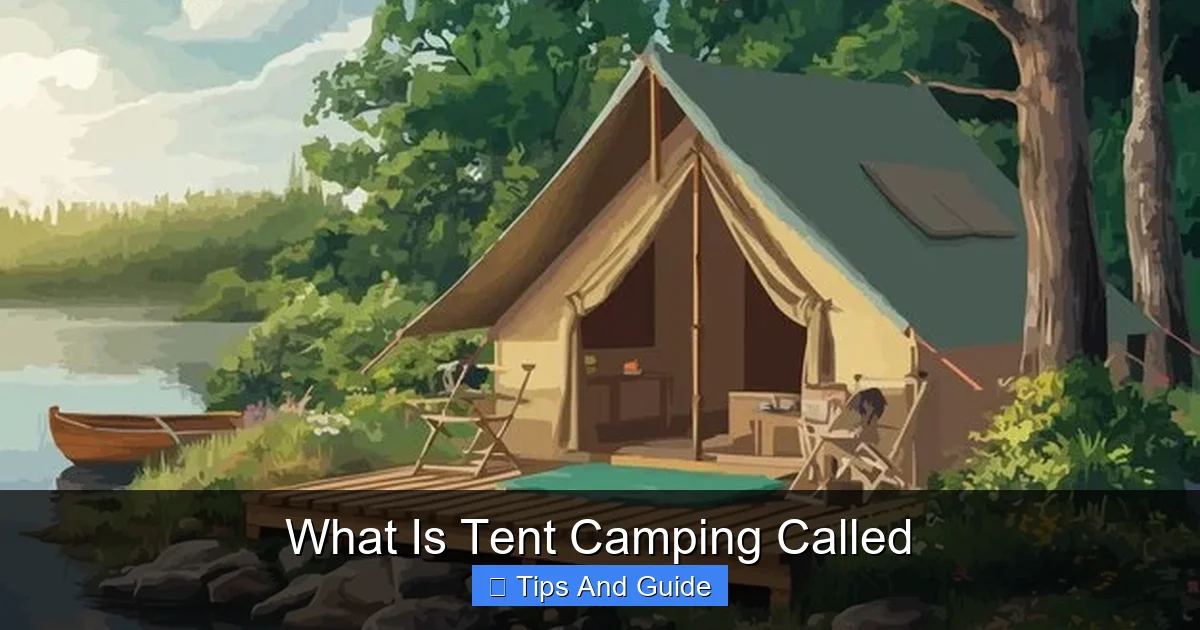
Short for “glamorous camping,” glamping takes tent camping to the next level of comfort. Think plush beds, chandeliers, and even private bathrooms – all inside a luxurious tent or yurt.
Glamping is ideal for those who love the idea of being outdoors but aren’t ready to give up modern conveniences. It’s popular for romantic getaways, wellness retreats, and family vacations.
While traditional campers might tease glampers for their comforts, there’s no shame in wanting a softer outdoor experience. After all, camping is about enjoying nature – however you define that.
Choosing the Right Tent for Your Camping Style
Once you know what type of tent camping you’re doing, the next step is picking the right tent. And with so many options on the market, it can be overwhelming.
Here are a few key factors to consider:
- Size: How many people will sleep in the tent? Look for a tent rated for at least one more person than you have – you’ll appreciate the extra space for gear.
- Weight: For backpacking, aim for under 3 pounds per person. For car camping, weight is less critical.
- Weather Resistance: Check the tent’s waterproof rating (measured in millimeters) and whether it includes a full-coverage rainfly.
- Ease of Setup: If you’re new to camping, look for instant or pop-up tents that go up in minutes.
- Ventilation: Good airflow prevents condensation and keeps you cool in summer.
For example, if you’re planning a family trip to a national park, the best biggest tent for camping might be a great fit – offering space for everyone and room to store luggage.
Tips for a Great Tent Camping Experience
No matter what type of tent camping you choose, a few simple tips can make your trip more enjoyable:
- Practice setting up your tent at home before you go. There’s nothing worse than struggling in the dark at the campsite.
- Use a ground tarp under your tent to protect the floor from moisture and wear.
- Keep food sealed and stored away to avoid attracting animals – especially in bear country.
- Bring a headlamp or lantern for nighttime visibility.
- Check the weather forecast and pack accordingly – even in summer, mountain areas can get cold at night.
And don’t forget the little things: a comfortable sleeping pad, a good book, and a thermos of hot coffee can turn a good trip into a great one.
Conclusion
So, what is tent camping called? The answer isn’t one-size-fits-all. It’s called camping – but more specifically, it might be car camping, backpacking, dispersed camping, beach camping, or glamping, depending on your style and location.
Each type offers a different experience, from the comfort of a large family tent near your car to the solitude of a lightweight shelter deep in the woods. By understanding these terms, you can choose the right gear, pick the perfect campsite, and make the most of your time outdoors.
Whether you’re a first-timer or a seasoned camper, the beauty of tent camping lies in its simplicity and freedom. All you really need is a tent, a sense of adventure, and a willingness to unplug and reconnect with nature.
So pack your bags, pick your style, and get ready to answer the call of the wild – one tent at a time.
Frequently Asked Questions
What is tent camping called?
Tent camping is most commonly referred to simply as “camping,” but it can also be called car camping, backpacking, or dispersed camping depending on the style and location.
Is car camping the same as tent camping?
Yes, car camping is a type of tent camping where you drive to the site and set up your tent near your vehicle. It’s ideal for families and those who want to bring extra gear.
What’s the difference between backpacking and camping?
Backpacking involves hiking to remote campsites with all your gear on your back, while traditional camping often includes vehicle access and more comfort.
Can you camp on the beach in a tent?
Yes, beach tent camping is popular in many coastal areas. Just make sure to use a tent designed for sand and wind, and check local regulations.
What is glamping?
Glamping is short for “glamorous camping” and refers to luxury tent accommodations that include comforts like beds, lighting, and sometimes even bathrooms.
Do I need a special tent for dispersed camping?
Not necessarily, but a durable, weather-resistant tent is recommended since dispersed sites often lack amenities and may be exposed to harsher conditions.