What Is Dry Tent Camping
Dry tent camping means keeping your tent and gear completely free from moisture—no rain, dew, or condensation. It’s all about smart preparation, the right equipment, and smart campsite choices to ensure a cozy, dry night under the stars.
Key Takeaways
- Dry tent camping focuses on preventing moisture: It’s not just about avoiding rain—it’s about managing condensation, ground dampness, and humidity inside your tent.
- Proper tent selection is crucial: Choose a tent with a full-coverage rainfly, bathtub floor, and good ventilation to stay dry in all conditions.
- Ground protection matters: Always use a footprint or tarp under your tent to block moisture from the ground.
- Ventilation reduces condensation: Keep vents open and avoid breathing heavily inside the tent to minimize internal moisture buildup.
- Pack smart and dry: Store clothes and gear in waterproof bags and never bring wet items into the tent.
- Location, location, location: Pitch your tent on high, dry ground away from water sources and low-lying areas.
- Dry camping doesn’t mean boring: With the right setup, you can enjoy comfort, warmth, and peace of mind—even in unpredictable weather.
📑 Table of Contents
What Is Dry Tent Camping?
Dry tent camping is a style of outdoor camping where the primary goal is to keep your tent, sleeping area, and gear completely dry—no matter the weather. It’s not just about avoiding rain; it’s a proactive approach to managing moisture from all sources: ground dampness, morning dew, humidity, and even your own breath. Think of it as creating a moisture-free sanctuary in the middle of nature.
This method is especially popular among car campers, family campers, and anyone who values comfort and gear protection. While backpackers often prioritize lightweight gear, dry tent campers focus on durability, weather resistance, and smart layering to stay cozy. Whether you’re camping in the mountains, forest, or desert, dry tent camping ensures you wake up refreshed—not damp and chilly.
Why Dry Tent Camping Matters
Staying dry isn’t just about comfort—it’s about safety and gear longevity. Wet gear can lead to mold, mildew, and ruined electronics. More importantly, prolonged exposure to moisture can cause hypothermia, even in mild temperatures. Dry tent camping helps you avoid these risks while extending the life of your equipment.
Plus, there’s nothing worse than crawling into a soggy sleeping bag after a long day of hiking. Dry tent camping lets you enjoy the outdoors without sacrificing the comforts you’re used to at home. It’s especially important for families with kids or campers with health conditions that make them more sensitive to cold and dampness.
The Hidden Enemy: Condensation
Many campers focus only on rain, but condensation is often the real culprit behind a damp tent. It forms when warm, moist air from your breath or wet clothes meets the cooler tent fabric. Overnight, this can leave your sleeping bag, clothes, and gear clammy—even if it didn’t rain.
To combat this, choose a tent with mesh panels and adjustable vents. Crack open vents slightly, even at night, to allow airflow. Avoid drying wet clothes inside the tent, and consider using a small battery-powered fan to circulate air. These simple steps can make a huge difference in keeping your tent dry from the inside out.
Essential Gear for Dry Tent Camping
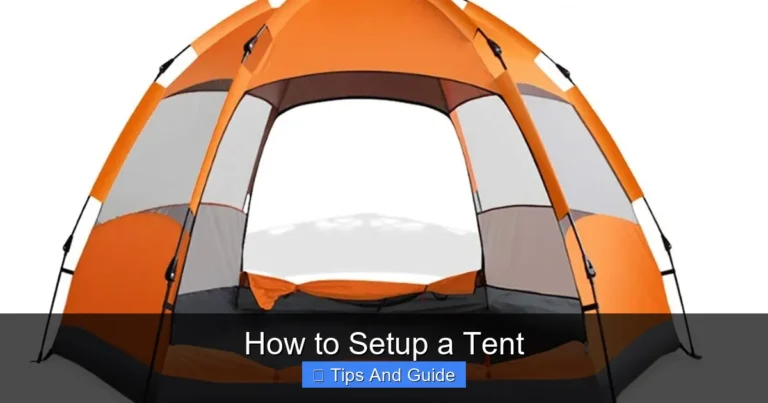
The right gear is the foundation of dry tent camping. Start with a high-quality tent designed for all-weather use. Look for features like a full-coverage rainfly, sealed seams, and a bathtub-style floor that rises up the sides to prevent water from seeping in.
For example, the best all-weather camping tent will have a durable waterproof rating (measured in millimeters) of at least 1500mm, with 3000mm or higher being ideal for heavy rain. Pair it with a waterproof footprint or tarp placed beneath the tent to block ground moisture. Never skip this step—even dry-looking grass can hold hidden dampness.
Sleeping System Upgrades
Your sleeping setup plays a big role in staying dry. Use a sleeping pad with a high R-value (insulation rating) to create a barrier between you and the cold, damp ground. Closed-cell foam pads are naturally water-resistant and great for wet conditions.
For added comfort, consider an air mattress for tent camping. Many modern options come with built-in insulation and waterproof covers. Just make sure your tent has enough floor space and height to accommodate it. And always use a sleeping bag rated for the expected temperatures—wet bags lose insulation quickly.
Smart Storage Solutions
Keep your clothes, electronics, and food dry with waterproof storage. Use dry bags or heavy-duty zip-top bags for clothing and sensitive items. Store them in a separate gear locker or under the vestibule—never inside the main tent area if they’re damp.
For longer trips, consider a bathroom tent for camping. These pop-up privacy shelters keep your toiletries and wet wipes organized and protected from the elements. They’re especially useful in rainy or muddy conditions.
Choosing the Right Campsite
Even the best gear can’t save you from a poorly chosen campsite. Always look for high, flat ground that slopes slightly to allow water runoff. Avoid valleys, dry creek beds, and areas near lakes or rivers—these are prime spots for flooding or overnight dew.
Check the soil: sandy or gravelly ground drains better than clay. If you’re unsure, scratch the surface with your boot—if water pools in the divot, find a new spot. And never pitch your tent under dead branches or loose rocks that could fall in bad weather.
Natural Windbreaks and Sun Exposure
Use natural features to your advantage. Position your tent so the door faces away from prevailing winds, and use trees or rocks as windbreaks. But don’t go too close—falling branches are a real hazard.
Morning sun is your friend. Choose a spot that gets early sunlight to help dry dew from your tent and gear. This small detail can make a big difference in comfort, especially on cool mornings.
Tips to Keep Your Tent Dry
Preparation is everything. Before you leave home, set up your tent in the backyard and check for leaks. Spray it with a hose and look for seepage around seams and zippers. Apply seam sealer if needed.
When packing, make sure your tent is completely dry. Even a little moisture can lead to mold during storage. If you pack it damp, lay it out as soon as you get home to air it out.
During Your Trip
- Always use a footprint or tarp under your tent—cut it slightly smaller than the tent floor to prevent water from pooling underneath.
- Keep the rainfly on, even if it’s not raining. It protects against dew and adds an extra layer of insulation.
- Enter and exit the tent quickly to minimize moisture transfer.
- Use a small doormat at the entrance to wipe off muddy boots.
- Store wet gear in a separate bag or under the vestibule—never inside the sleeping area.
After Rain or Heavy Dew
If your tent gets wet, don’t panic—just act fast. As soon as possible, take it down and hang it up to dry. If you’re on a multi-day trip, use a microfiber towel to wipe down the interior and speed up evaporation.
For long-term storage, never pack a damp tent. Mildew can develop in just a few days, and it’s nearly impossible to remove once it sets in. If you must pack it wet, plan to dry it within 24 hours.
Dry Tent Camping for Families and Groups
Dry tent camping is ideal for families and group outings where comfort and safety are top priorities. Larger tents with multiple rooms offer privacy and space to store dry gear. Consider the best big family camping tent with a full-coverage rainfly and ample ventilation.
For beach trips, choose a tent designed for sand and sun. The best beach tent camping options often feature UV protection, sand pockets, and extra shade. These keep the interior cool and dry, even on humid coastal days.
Teaching Kids About Dry Camping
Involve your kids in the process. Teach them to wipe their feet before entering the tent and to keep their gear in dry bags. Make it fun with colorful storage bins and a “dry gear checklist.” This builds responsibility and helps them appreciate the outdoors.
Conclusion
Dry tent camping isn’t just a technique—it’s a mindset. It’s about respecting the elements, preparing wisely, and enjoying nature without compromising comfort. With the right gear, smart campsite selection, and a few simple habits, you can keep your tent dry and your adventures stress-free.
Whether you’re a weekend warrior or a full-time nomad, dry tent camping ensures you’ll wake up ready for whatever the day brings—dry, warm, and eager to explore.
Frequently Asked Questions
What is the difference between dry camping and dry tent camping?
Dry camping usually refers to camping without hookups like water or electricity, often in RVs. Dry tent camping specifically focuses on keeping the tent and its contents moisture-free, regardless of the campsite amenities.
Can you do dry tent camping in the rain?
Absolutely. With a waterproof tent, rainfly, and proper site selection, you can stay dry even during heavy rain. The key is preparation and ventilation to prevent condensation.
Do I need a tarp under my tent?
Yes. A tarp or footprint protects the tent floor from moisture, abrasion, and punctures. Just make sure it’s slightly smaller than the tent to avoid trapping water underneath.
How do I prevent condensation in my tent?
Ventilate! Keep vents open, avoid bringing wet gear inside, and don’t breathe heavily into your sleeping bag. Use mesh panels and consider a small fan for airflow.
What’s the best tent for dry tent camping?
Look for a tent with a full-coverage rainfly, bathtub floor, and good ventilation. The best all-weather camping tent will have a high waterproof rating and durable materials.
Can I use an air mattress in wet conditions?
Yes, but choose one with a waterproof cover and pair it with a sleeping pad for extra insulation. Avoid inflating it directly on wet ground—use a tarp or footprint first.