What Is Camping Without a Tent Called
Camping without a tent is commonly known as “wild camping,” “stealth camping,” or “open-air camping.” It’s a minimalist approach that brings you closer to nature, offering freedom and simplicity—but it requires smart preparation and awareness of local laws.
Key Takeaways
- It’s called wild camping or open-air camping: These terms describe sleeping outdoors without a tent, often in natural settings.
- Freedom and immersion are major perks: Without a tent, you’re fully exposed to nature—stars, sounds, and scents become part of your experience.
- Legal restrictions apply: Wild camping is illegal in many areas unless you have landowner permission or are in designated zones.
- Weather readiness is critical: You’ll need reliable gear like sleeping bags, tarps, and insulated pads to stay safe and comfortable.
- Leave no trace principles are essential: Minimize your impact by packing out all waste and avoiding damage to the environment.
- Best for experienced campers: Beginners should start with sheltered camping before trying tent-free adventures.
- Great for ultralight backpacking: Skipping the tent saves weight and space, ideal for long hikes.
📑 Table of Contents
What Is Camping Without a Tent Called?
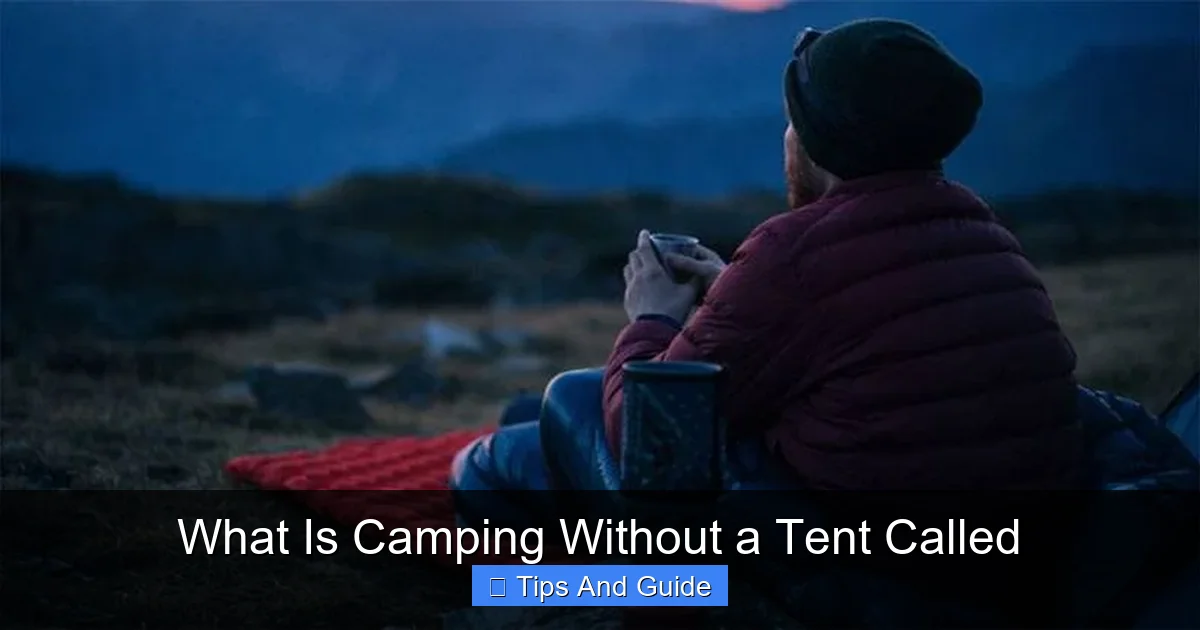
Imagine lying under a sky full of stars, the cool night air brushing your face, and the soft rustle of leaves as your only lullaby. No zippers, no poles, no fabric walls—just you and the great outdoors. This is camping without a tent, and it’s an experience that’s both liberating and humbling.
But what exactly is this style of outdoor living called? While there’s no single official term, it goes by several names depending on the context and location. The most common terms include wild camping, open-air camping, stealth camping, and bare camping. Each phrase carries a slightly different nuance, but they all describe the same core idea: sleeping outdoors without the traditional shelter of a tent.
Wild camping is perhaps the most widely recognized term, especially in Europe and among backpackers. It refers to setting up camp in remote, natural areas—often in forests, mountains, or near lakes—without formal campsite infrastructure. Open-air camping emphasizes the lack of enclosure, highlighting the direct connection to the environment. Stealth camping, on the other hand, often implies discretion—camping in urban or semi-urban areas where it may not be legally permitted, hence the need to “sneak in” and leave without a trace.
Regardless of the name, the appeal is clear: simplicity, freedom, and a deeper bond with nature. But as inviting as it sounds, camping without a tent isn’t for everyone—and it’s not without its challenges.
Why Choose Tent-Free Camping?
So why would anyone choose to sleep under the open sky when they could be cozy inside a tent? The reasons are as varied as the campers themselves, but they often boil down to a few key motivations.
First and foremost is the sense of freedom and minimalism. Carrying a tent adds weight, bulk, and setup time. For ultralight backpackers or those seeking a more spontaneous adventure, ditching the tent means moving faster, lighter, and with fewer restrictions. You can stop wherever the mood strikes—no need to find a flat, dry spot that fits your tent footprint.
Another major draw is the immersive experience. Without walls blocking your view, you’re fully present in your surroundings. You can hear every owl call, feel the morning dew on your skin, and watch the Milky Way stretch across the night sky. It’s a sensory-rich way to connect with nature that many find deeply rewarding.
There’s also the cost factor. Tents can be expensive, especially high-quality, weather-resistant models. For budget-conscious adventurers, skipping the tent altogether eliminates a major expense. All you need is a good sleeping bag, a pad, and maybe a tarp—gear that’s often already part of a basic camping kit.
Finally, some campers simply enjoy the challenge and self-reliance that comes with tent-free camping. It forces you to be more aware of your environment, plan for weather changes, and trust your gear. It’s a test of skill and preparation that can boost confidence and deepen your appreciation for the outdoors.
Types of Tent-Free Camping
Not all tent-free camping is the same. Depending on your goals, location, and gear, you might choose one style over another. Here are the most common types:
Wild Camping
This is the classic form—setting up camp in remote, natural areas far from developed campsites. Popular in countries like Scotland, where wild camping is legally protected, it’s ideal for hikers and backpackers looking for solitude. You’ll typically sleep under a tarp, in a bivy sack, or directly on your sleeping pad with just a bag for warmth.
Stealth Camping
Common among urban explorers and thru-hikers, stealth camping involves finding discreet spots to sleep—like behind buildings, in wooded areas near towns, or under bridges. The goal is to avoid detection, especially in places where overnight camping is prohibited. It requires careful planning and a strong commitment to leaving no trace.
Open-Air Camping
This term is often used interchangeably with wild camping but emphasizes the lack of any overhead shelter. You might use a simple tarp for rain protection, but otherwise, you’re fully exposed. It’s popular in mild climates or during summer months when weather is predictable.
Bivy Camping
Short for “bivouac,” this style uses a bivy sack—a waterproof, breathable cover for your sleeping bag. It offers minimal protection from wind and rain while keeping your setup ultra-light. Bivy camping is common among mountaineers and fastpackers who prioritize speed and efficiency.
Hammock Camping (Without a Tent)
While hammocks are technically shelters, they’re not tents. Many campers use a hammock with just a bug net or tarp, skipping the enclosed structure. This counts as tent-free camping and is great for wet or uneven terrain where tent setup is difficult.
Essential Gear for Tent-Free Camping
Going without a tent doesn’t mean going without gear. In fact, your equipment choices become even more critical when you’re exposed to the elements. Here’s what you’ll need to stay safe and comfortable:
Sleeping Bag and Pad
Your sleeping bag is your primary defense against cold. Choose one rated for the lowest temperatures you expect to encounter. Pair it with a high-quality sleeping pad for insulation from the ground—this is non-negotiable. Without a tent floor, the earth will sap your body heat quickly.
Tarp or Bivy Sack
A lightweight tarp can provide rain and wind protection without the bulk of a tent. Use it as a roof over your sleeping area, anchored with trekking poles or tied between trees. Alternatively, a bivy sack wraps around your sleeping bag, offering waterproofing and wind resistance in a compact package.
Weather-Appropriate Clothing
Layering is key. Even in summer, nights can get chilly. Bring moisture-wicking base layers, an insulating mid-layer (like fleece), and a waterproof outer shell. Don’t forget a warm hat and gloves—heat loss through the head is significant.
Headlamp and Fire Starter
Lighting is essential for safety and convenience. A headlamp keeps your hands free, while a fire starter (lighter, matches, or ferro rod) can provide warmth and morale on cold nights.
First Aid Kit and Navigation Tools
Always carry a basic first aid kit, map, compass, or GPS device. In remote areas, getting lost or injured without shelter can be dangerous.
Water and Food Supplies
Stay hydrated and energized. Bring enough water or a filtration system, and pack high-calorie, non-perishable foods.
For those who want extra comfort, consider adding a small camp stove for hot meals—just remember that open flames may be restricted in some areas.
Safety and Legal Considerations
Before you ditch your tent, it’s crucial to understand the risks and rules. Tent-free camping isn’t always legal, and ignoring local regulations can lead to fines or eviction.
In many countries, including the U.S., wild camping is restricted to designated areas or requires landowner permission. National parks often prohibit overnight stays outside official campsites. Always check local laws before heading out.
Weather is another major concern. Without a tent, you’re more vulnerable to rain, wind, and temperature swings. Always check the forecast and be prepared to change plans if conditions turn severe.
Wildlife encounters are also more likely. Store food securely (use bear canisters where required), and avoid sleeping near animal trails or water sources.
Finally, practice Leave No Trace principles: pack out all trash, minimize campfire impact, and camp on durable surfaces. Respecting nature ensures these wild spaces remain accessible for future adventurers.
Tips for a Successful Tent-Free Adventure
Ready to give it a try? Here are some practical tips to make your tent-free camping trip safe and enjoyable:
- Start small: Try a backyard or local park overnight before heading into the wilderness.
- Choose the right location: Look for flat, dry ground away from water sources and trails.
- Practice tarp setup: Learn a few basic tarp configurations before you go. A simple A-frame or lean-to can make a big difference in bad weather.
- Test your gear: Make sure your sleeping bag, pad, and tarp work well together. Do a dry run at home.
- Bring a backup plan: If the weather turns, know where the nearest shelter or town is.
- Tell someone your plans: Let a friend or family member know where you’re going and when you’ll return.
And if you’re worried about staying warm, check out our guide on the best way to heat a tent while camping—many of the same principles apply to tent-free setups, like using hot water bottles or insulated pads.
Conclusion
Camping without a tent—whether called wild camping, open-air camping, or stealth camping—offers a unique way to experience the outdoors. It’s about stripping away the extras and embracing the raw beauty of nature. With the right gear, preparation, and respect for the environment, it can be one of the most rewarding adventures you’ll ever have.
Just remember: freedom comes with responsibility. Know the rules, prepare for the weather, and always leave no trace. Whether you’re sleeping under a tarp in the mountains or in a quiet forest clearing, the stars are waiting.
And if you ever decide to return to the comfort of a tent, we’ve got you covered—check out our review of the Coleman Instant vs Camping Tent to find the perfect shelter for your next trip.
For those who love the idea of lightweight camping but still want some protection, a solar-powered camping tent might be the future-forward upgrade you’re looking for.
Frequently Asked Questions
Is camping without a tent legal?
It depends on the location. In some places, like Scotland, wild camping is legally allowed. In others, such as many U.S. national parks, it’s prohibited unless in designated areas. Always check local regulations before setting up camp.
What do you sleep under when camping without a tent?
Most campers use a tarp, bivy sack, or hammock for minimal protection. A tarp can be rigged as a roof, while a bivy sack wraps around your sleeping bag for weather resistance.
Is it safe to sleep outside without a tent?
It can be safe with proper preparation. Choose a secure location, check the weather, and bring appropriate gear. Avoid areas with high wildlife activity or legal restrictions.
What’s the difference between wild camping and stealth camping?
Wild camping usually refers to legal, remote camping in natural areas. Stealth camping often implies discretion, such as camping in urban or restricted areas where it may not be permitted.
Do I need a sleeping pad if I’m not using a tent?
Yes, absolutely. A sleeping pad insulates you from the cold ground, which is essential for staying warm and comfortable—even more so without a tent floor.
Can beginners try camping without a tent?
It’s possible, but not recommended as a first experience. Start with a tent to build confidence and skills. Once you’re comfortable with outdoor basics, you can transition to tent-free camping.