What Is Camping Tent
A camping tent is a portable shelter designed for outdoor use, offering protection from weather, insects, and wildlife. It’s a must-have for campers, hikers, and outdoor enthusiasts who want comfort and safety in nature. Whether you’re backpacking or car camping, the right tent makes all the difference.
If you’ve ever spent a night under the stars, chances are you’ve used a camping tent. But what exactly is a camping tent, and why is it such a vital piece of outdoor gear? At its core, a camping tent is a portable shelter designed to protect you from the elements while you’re enjoying nature. Whether you’re hiking deep into the wilderness or setting up camp at a family-friendly campground, a good tent provides safety, comfort, and peace of mind.
Camping tents come in many shapes, sizes, and materials, but they all serve the same basic purpose: to create a secure, enclosed space where you can sleep, store gear, and take shelter from rain, wind, or extreme temperatures. Modern tents are engineered with features like waterproof coatings, mesh windows for airflow, and sturdy frames to withstand outdoor conditions. They’re lightweight enough to carry on long hikes yet durable enough to last for years with proper care.
Key Takeaways
- Definition: A camping tent is a lightweight, collapsible shelter made of fabric and supported by poles, designed for temporary outdoor use.
- Primary Purpose: It provides protection from rain, wind, sun, insects, and animals while offering privacy and a place to sleep.
- Types Available: Tents come in various styles—dome, cabin, backpacking, beach, and family tents—each suited for different needs.
- Key Features: Look for waterproof materials, ventilation, ease of setup, weight, and capacity when choosing a tent.
- Setup Matters: Practice pitching your tent at home to avoid frustration at the campsite.
- Maintenance Tips: Clean and dry your tent after each trip to extend its lifespan and prevent mold.
- Accessories Help: Use footprint groundsheets, air mattresses, and gear lofts to enhance comfort and organization.
📑 Table of Contents
What Is a Camping Tent?
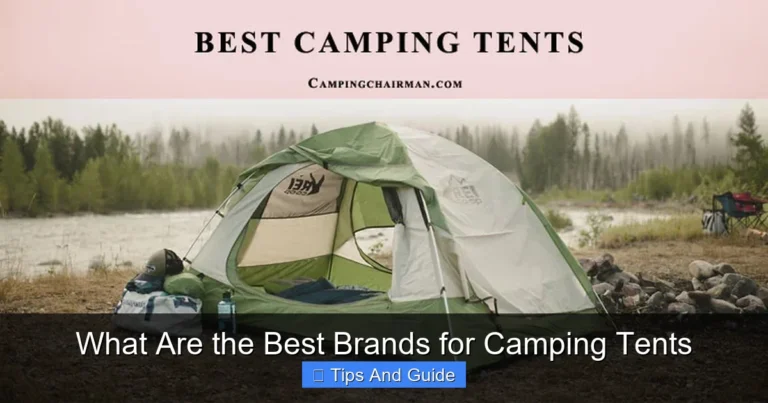
A camping tent is a temporary, collapsible shelter made from synthetic fabrics such as nylon or polyester, supported by flexible poles and secured to the ground with stakes and guylines. These structures are designed to be easy to assemble and disassemble, making them ideal for travelers, hikers, and outdoor adventurers. The primary function of a camping tent is to provide a safe and comfortable space to sleep and store personal items while camping.
Most camping tents include a rainfly—a waterproof cover that goes over the top—to protect against rain and moisture. The floor is typically made of a heavier, waterproof material to prevent ground moisture from seeping in. Mesh panels are often incorporated into the walls or roof to allow airflow and reduce condensation, which is especially important on warm nights.
How Does a Camping Tent Work?
Camping tents work by creating a barrier between you and the outside environment. The fabric blocks wind, rain, and UV rays, while the enclosed space traps body heat, keeping you warmer at night. The poles give the tent its shape and structural integrity, and the stakes anchor it firmly to the ground. When properly set up, a tent becomes a mini-home in the wild—offering privacy, protection, and a sense of security.
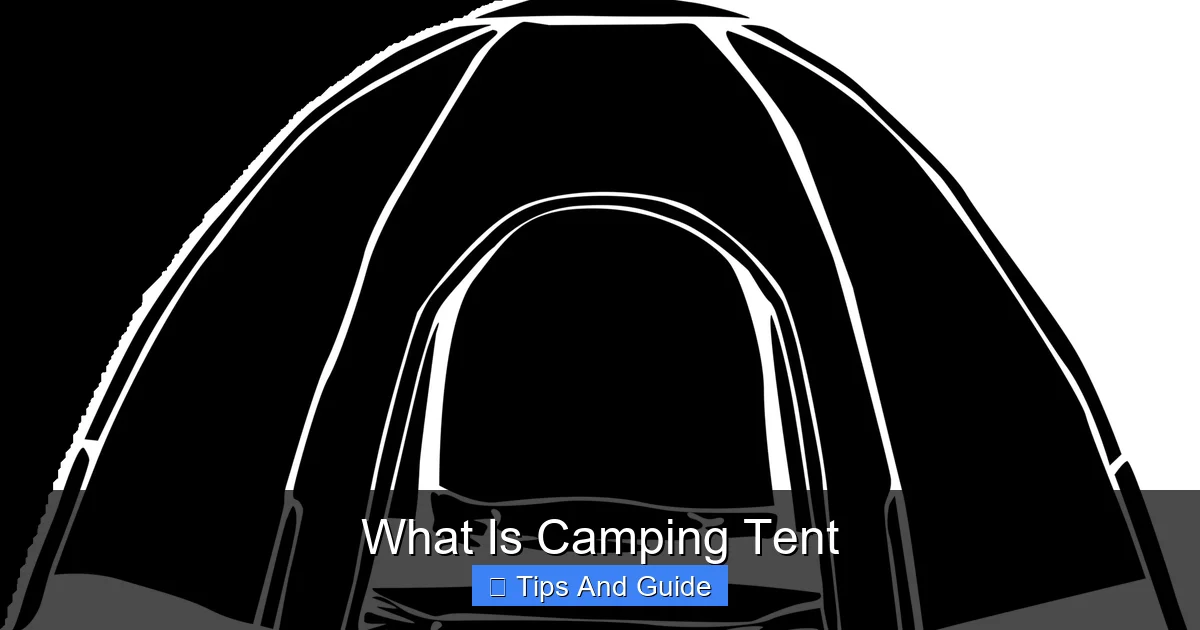
For example, a dome-style tent uses intersecting poles to form a rounded shape that sheds rain and resists wind. A cabin tent, on the other hand, has vertical walls and more floor space, making it feel more like a room—perfect for family camping trips. Understanding how different designs function helps you choose the right tent for your adventure.
Types of Camping Tents
Not all camping tents are created equal. Different styles are built for different purposes, from solo backpacking trips to large family outings. Here are the most common types:
Backpacking Tents
These are lightweight and compact, designed for hikers who carry everything on their backs. They typically weigh between 2 to 4 pounds and sleep one to three people. While they offer less space, their portability makes them ideal for long-distance treks. If you’re planning a multi-day hike, a backpacking tent is a smart choice.
Car Camping Tents
Built for comfort over weight, car camping tents are larger and heavier since you don’t have to carry them far. They often feature multiple rooms, high ceilings, and extra storage pockets. These are perfect for weekend getaways where you drive to your campsite. For a spacious option, check out the best big family camping tent for maximum comfort.
Dome and Cabin Tents
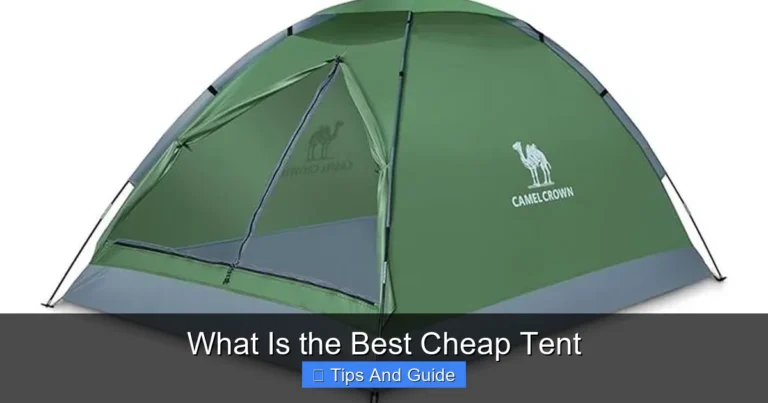
Dome tents are popular for their stability and ease of setup. Their curved shape helps deflect wind and rain. Cabin tents, with their vertical walls, offer more headroom and living space—great for families or groups. If you’re looking for a balance of space and weather resistance, a dome tent might be your best bet.
Beach Tents
Designed for sandy shores, beach tents are lightweight, easy to anchor, and often include UV protection. They’re great for day trips to the coast. For coastal adventures, explore the best beach tent camping options that offer shade and wind protection.
3-Season vs. 4-Season Tents
3-season tents are built for spring, summer, and fall—offering ventilation and rain protection. 4-season tents are heavier and more robust, designed to handle snow and high winds in winter conditions. Choose based on the climate you’ll be camping in.
Key Features to Look For
When shopping for a camping tent, it’s important to consider several key features that affect performance and comfort.
Waterproofing and Weather Resistance
Look for a tent with a high hydrostatic head rating (measured in millimeters)—this indicates how well the fabric resists water. A rating of 1,500mm or higher is good for rain protection. Sealed seams and a full-coverage rainfly are also essential for staying dry.
Ventilation and Condensation Control
Good airflow prevents moisture buildup inside the tent. Mesh windows, roof vents, and adjustable rainfly vents help circulate air. This is especially important in humid or warm climates.
Ease of Setup
Some tents use color-coded poles or instant setup systems for quick assembly. Practice at home before your trip to avoid confusion at the campsite. For a hassle-free experience, consider models like those compared in the Coleman Instant vs Camping Tent 2 guide.
Capacity and Floor Space
Tents are labeled by the number of people they can sleep (e.g., 2-person, 4-person). However, these numbers can be optimistic. A 3-person tent might feel cramped for three adults. Consider your gear and sleeping style when choosing size.
Weight and Packability
For backpacking, every ounce counts. Lightweight materials like ripstop nylon reduce pack weight. For car camping, weight is less of a concern, so prioritize space and durability.
How to Choose the Right Camping Tent
Choosing the right tent depends on your camping style, group size, and environment. Ask yourself: Where will I camp? How many people are coming? What’s the weather like?
For solo adventurers, a lightweight 1- or 2-person backpacking tent is ideal. Families should look for spacious cabin tents with room dividers. If you’re camping on the beach, a pop-up beach tent with UV protection is a great choice. Always read reviews and compare models before buying.
Don’t forget accessories! A footprint (a groundsheet that goes under your tent) protects the floor from abrasion. An air mattress or sleeping pad adds comfort, and a gear loft keeps small items organized. For more on comfort upgrades, see our guide on the best air mattress for tent camping.
Camping Tent Care and Maintenance
Taking care of your tent extends its life and ensures it performs well on every trip. After each use, shake out dirt and debris, and let the tent dry completely before packing it away. Never store a wet tent—it can lead to mold and mildew.
Clean your tent with mild soap and water if needed, and avoid harsh chemicals. Check poles, zippers, and seams for damage before and after trips. Store your tent loosely in a breathable bag, not compressed, to prevent fabric stress.
Conclusion
A camping tent is more than just a piece of gear—it’s your home away from home. It shields you from the elements, gives you privacy, and helps you rest comfortably under the stars. Whether you’re a weekend warrior or a seasoned backpacker, understanding what a camping tent is and how to choose the right one makes all the difference in your outdoor experience.
From lightweight backpacking models to spacious family cabins, there’s a tent for every adventure. By considering factors like weather resistance, setup ease, and comfort features, you can find the perfect shelter for your next trip. And with proper care, your tent will serve you well for many seasons to come.
So pack your bags, pitch your tent, and embrace the great outdoors—one campsite at a time.
Frequently Asked Questions
What is the main purpose of a camping tent?
A camping tent provides shelter and protection from weather, insects, and wildlife while offering a private, comfortable space to sleep and store gear during outdoor trips.
How do I know what size tent to buy?
Consider the number of people sleeping in the tent and the amount of gear you’ll store. Add at least one extra person to the labeled capacity for comfort—e.g., choose a 4-person tent for three people.
Can I use a camping tent on the beach?
Yes, but beach-specific tents are better suited. They’re designed to resist sand, wind, and sun. Regular camping tents may not anchor well or offer enough UV protection.
How do I keep my tent dry inside?
Use a full-coverage rainfly, ensure seams are sealed, and avoid touching the walls while inside. Proper ventilation also reduces condensation buildup.
Do I need a footprint for my tent?
A footprint protects the tent floor from rocks, roots, and moisture. It’s highly recommended, especially on rough or wet terrain.
How long do camping tents last?
With proper care, a quality tent can last 5–10 years. Regular cleaning, drying, and storage help maintain its condition and performance over time.