What Is a Yurt Camping Like Tent or Cabin
Yurt camping blends the best of both worlds: the coziness of a cabin and the adventure of tent camping. It offers sturdy shelter, more space, and weather protection, making it ideal for campers who want comfort without sacrificing the outdoors.
If you’ve ever dreamed of sleeping under the stars but cringe at the thought of wrestling with tent poles at midnight, yurt camping might be your perfect middle ground. Imagine stepping into a cozy, circular shelter with a solid roof, wooden lattice walls, and a skylight above—no flimsy fabric flapping in the wind. That’s the magic of yurt camping: it feels like a cabin, but you’re still surrounded by nature, birdsong, and fresh pine air.
Yurts originated thousands of years ago in Central Asia, where nomadic tribes used them as portable homes. Today, modern yurts have evolved into stylish, weather-resistant accommodations found in campgrounds across North America and Europe. They’re not quite tents, nor are they full cabins—they’re something uniquely in between. Whether you’re a seasoned camper or a first-timer nervous about roughing it, yurt camping offers a comfortable, stress-free way to enjoy the outdoors.
Key Takeaways
- Yurt camping offers a unique hybrid experience: It combines the stability of a cabin with the outdoor immersion of tent camping, providing a comfortable yet adventurous stay.
- More space and durability than traditional tents: Yurts are circular, structured shelters with solid walls and roofs, offering more headroom and weather resistance.
- Ideal for all seasons and weather conditions: Many yurts come insulated and can be heated or cooled, making them suitable for winter camping or hot summer nights.
- Often located in scenic campgrounds with amenities: Unlike backcountry tents, yurts are usually found in established parks with access to restrooms, fire pits, and sometimes electricity.
- Great for families and groups: With sleeping space for 4–8 people, yurts are perfect for group camping trips or family vacations.
- Requires less setup than a tent: Most yurts are pre-built and ready to use—just bring your bedding and gear.
- Eco-friendly and sustainable option: Many yurts use natural materials and have minimal environmental impact compared to permanent cabins.
📑 Table of Contents
What Exactly Is a Yurt?
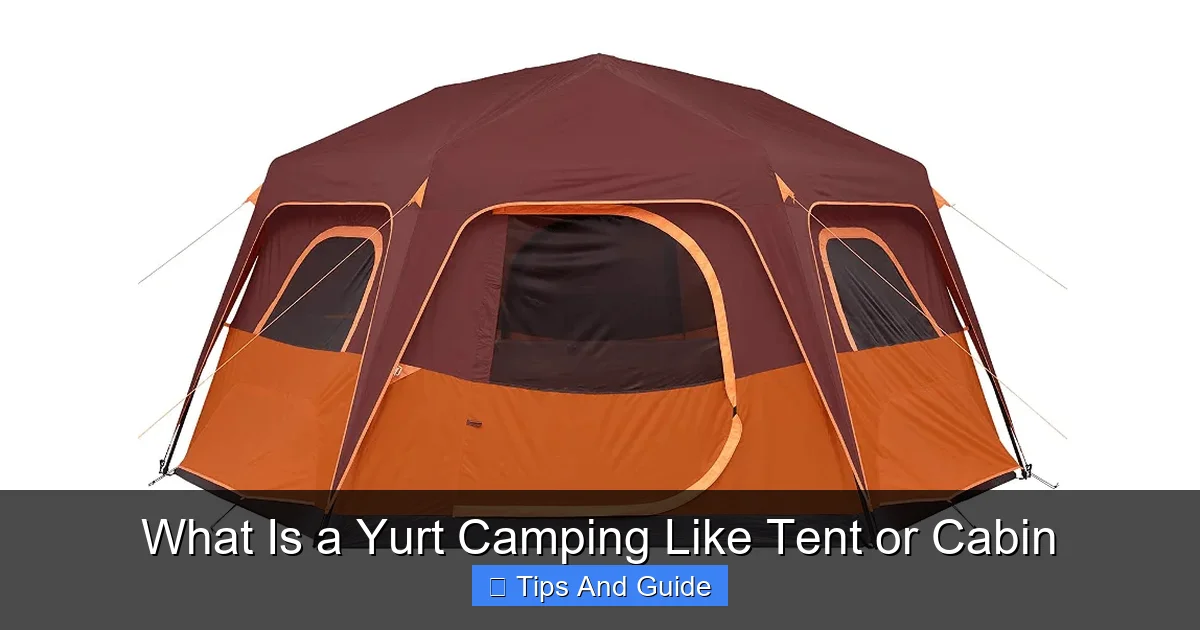
At its core, a yurt is a circular, semi-permanent structure with a collapsible wooden frame covered by weatherproof fabric or canvas. Traditional yurts used animal skins and felt, but today’s versions often feature insulated walls, double-paned windows, and even electrical outlets. The iconic domed roof allows snow and rain to slide off easily, while the central skylight (called a crown) provides natural light and ventilation.
Unlike a tent that you pitch and take down, most yurts at campgrounds are already set up and ready to go. You simply check in, drop your bags, and start enjoying your stay. Some yurts even come furnished with beds, tables, and chairs—think glamping with a rustic twist.
Yurt vs. Tent: What’s the Difference?
So, how does yurt camping compare to traditional tent camping? Let’s break it down.
Setup and Convenience
With a tent, you’re responsible for hauling it, assembling it, and packing it wet if it rains. A yurt? It’s already there. No poles to fumble with, no stakes to hammer. This makes yurt camping ideal for families, older campers, or anyone who wants to skip the setup stress.
Space and Comfort
Most tents feel cramped after a few days—especially if you’re sharing with kids or pets. Yurts, on the other hand, offer open floor plans with high ceilings. A typical 16-foot yurt can comfortably sleep six people, with room to move around. Many even have built-in bunks or platforms, similar to a best bed for camping in a tent setup, but without the hassle of inflating air mattresses every night.
Weather Resistance
Tents can leak, collapse in high winds, or turn into saunas in summer. Yurts are far more durable. Their sturdy frames and thick walls handle snow, rain, and wind much better. Plus, many yurts are insulated, making them suitable for how to stay warm while camping in a tent scenarios—without needing extra tarps or emergency blankets.
Cost and Accessibility
Tent camping is usually cheaper upfront—you buy the tent once and camp for free. But yurt rentals often include amenities like fire pits, picnic tables, and access to restrooms, which can save money on gear and fees. Plus, many yurts are ADA-accessible, making them a great option for campers with mobility needs.
Yurt vs. Cabin: Which Is Better?
Now, let’s compare yurts to cabins. Cabins are permanent structures with full walls, doors, and often kitchens and bathrooms. They’re cozy, private, and great for longer stays. But they can feel too much like a hotel—detached from the natural experience.
Connection to Nature
Yurts keep you close to the outdoors. With large windows, open designs, and often no full walls, you’ll hear every rustle of leaves and see the sunrise through the skylight. Cabins, while comfortable, can feel insulated from nature—literally and figuratively.
Flexibility and Mobility
While cabins are fixed in place, yurts can (in theory) be moved. Many campgrounds use semi-permanent yurts that can be relocated if needed. This makes them a flexible option for parks wanting to expand without building new structures.
Amenities and Privacy
Cabins usually win on amenities—full kitchens, private bathrooms, and heating systems. But many modern yurts are catching up. Some now include mini-fridges, electrical outlets, and even small wood stoves. For a balance of comfort and outdoor charm, yurts are hard to beat.
What’s It Like to Stay in a Yurt?
Imagine this: You arrive at a forested campground in the Pacific Northwest. Your yurt sits nestled among tall pines, its circular shape standing out against the trees. You unlock the door (yes, most yurts have doors!) and step inside. The space is warm, lit by soft natural light filtering through the skylight. A bunk bed lines one wall, a small table sits in the center, and a wood stove glows in the corner.
You unpack your gear, start a fire in the stove, and within minutes, the yurt is toasty. Later, you climb into a real bed—no air mattress needed—and fall asleep to the sound of owls outside. In the morning, you brew coffee on a camp stove and step outside to a misty forest, the air crisp and clean.
That’s yurt camping. It’s not roughing it, but it’s not luxury either. It’s comfort with a side of adventure.
What to Bring
Even though yurts are more furnished than tents, you’ll still need to pack essentials:
- Sleeping bags or bedding (unless provided)
- Camping stove or grill (if cooking inside)
- Flashlights or lanterns (some yurts have electricity, but not all)
- Food, water, and cooking supplies
- Warm clothing (even in summer, nights can get chilly)
Tips for a Great Yurt Experience
- Book early: Popular yurts fill up fast, especially in summer and fall.
- Check the amenities: Some yurts have electricity and heating; others are more basic.
- Respect the space: Yurts are shared resources—clean up after yourself and follow campground rules.
- Bring a fan or heater: Depending on the season, you might need help regulating temperature. Learn more about best way to heat a tent while camping for tips that also apply to yurts.
Best Places for Yurt Camping
Yurt camping is growing in popularity, and you can find them in national parks, state forests, and private campgrounds across the U.S. and beyond. Some top spots include:
- Yosemite National Park, California: Offers yurts with stunning mountain views.
- Hocking Hills, Ohio: Known for scenic yurts nestled in lush forests.
- Moab, Utah: Perfect for desert adventures with yurt comforts.
- Acadia National Park, Maine: Coastal yurts with ocean breezes.
Many of these locations also offer activities like hiking, kayaking, and stargazing—making yurt camping a full outdoor experience.
Is Yurt Camping Right for You?
Yurt camping is perfect if you:
- Want more comfort than a tent but more nature than a cabin
- Are camping with kids, pets, or less mobile family members
- Don’t want to deal with tent setup or weather worries
- Love the idea of glamping but prefer a rustic, authentic feel
It’s not ideal if you’re seeking complete solitude or planning a backcountry trek—yurts are usually in developed campgrounds. But for a memorable, low-stress outdoor getaway, they’re hard to top.
Final Thoughts
Yurt camping is the sweet spot between adventure and comfort. It gives you the thrill of sleeping in the wild without the discomfort of a soggy tent or the isolation of a remote cabin. Whether you’re escaping for a weekend or a week, a yurt offers a unique, cozy, and nature-connected experience.
So next time you’re planning a camping trip, consider skipping the tent poles and booking a yurt instead. You might just find your new favorite way to camp.
Frequently Asked Questions
Is a yurt waterproof?
Yes, most modern yurts are made with waterproof and weather-resistant materials like treated canvas or synthetic fabric. The domed roof also helps shed rain and snow effectively.
Can you heat a yurt in winter?
Absolutely. Many yurts come with wood stoves or electric heaters, and some are insulated for cold weather. Just make sure to ventilate properly when using a stove.
Do yurts have electricity?
It depends on the campground. Some yurts include electrical outlets and lighting, while others are off-grid. Always check amenities before booking.
Are yurts safe in storms?
Yes, yurts are generally safer than tents in high winds and rain due to their sturdy frames and aerodynamic shape. However, avoid setting up near tall trees that could fall.
Can you camp in a yurt with kids or pets?
Yes! Yurts are family-friendly and often pet-friendly too. The extra space and stability make them ideal for camping with children or furry companions.
How much does it cost to rent a yurt?
Prices vary by location and season, but most yurt rentals range from $75 to $150 per night—comparable to cabin stays but often more affordable than hotels.