What Is a Tent
A tent is a portable shelter made from fabric and supported by poles, designed to protect people from weather and provide privacy outdoors. Whether you’re camping, hiking, or hosting an event, understanding what a tent is and how to choose the right one can make all the difference in your comfort and safety.
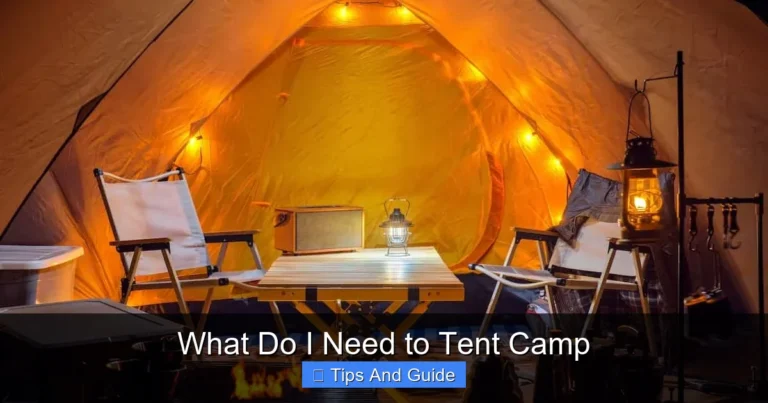
Have you ever looked up at the stars from inside a cozy shelter, listening to the gentle rustle of fabric in the wind? That’s the magic of a tent. At its core, a tent is a portable, temporary shelter designed to protect people from the elements while they’re outdoors. Whether you’re sleeping under the stars on a mountain trail or hosting a backyard party, a tent provides a safe, private space that’s easy to set up and take down.
But what is a tent, really? It’s more than just a piece of cloth thrown over some poles. A well-designed tent combines materials, engineering, and practical features to create a reliable home away from home. From weekend campers to survivalists, event planners to beachgoers, people rely on tents for comfort, safety, and convenience. In this guide, we’ll explore everything you need to know about tents—what they are, how they work, the different types available, and how to pick the best one for your needs.
Key Takeaways
- What is a tent? A tent is a lightweight, temporary shelter made of waterproof or water-resistant fabric, supported by poles and secured with stakes and guy lines.
- Primary purpose: Tents offer protection from rain, wind, sun, and insects, making outdoor stays safer and more comfortable.
- Types vary widely: From compact backpacking tents to large family or event tents, designs suit different needs and environments.
- Materials matter: Common fabrics include nylon, polyester, and canvas, each offering different levels of durability, weight, and weather resistance.
- Setup and care are crucial: Proper pitching, packing, and maintenance extend a tent’s lifespan and improve performance.
- Versatile uses: Beyond camping, tents serve in festivals, emergency shelters, beach outings, and even backyard play.
- Choosing the right tent: Consider size, season rating, weight, and ease of setup when selecting a tent for your activity.
📑 Table of Contents
What Is a Tent? The Basics
A tent is a shelter made from durable, weather-resistant fabric—such as nylon, polyester, or canvas—stretched over a frame of poles and secured to the ground with stakes and ropes (called guy lines). The structure is designed to be lightweight, easy to assemble, and capable of withstanding wind, rain, and sun. Most tents include a floor to keep moisture out and a rainfly—a waterproof cover—to protect the top and sides.
Core Components of a Tent
Every tent, no matter the size or style, shares a few essential parts:
- Fly (or Rainfly): The outer layer that repels rain and blocks UV rays. It often overhangs the tent body to prevent water from seeping in.
- Tent Body: The main enclosed space where you sleep or store gear. It usually has mesh panels for ventilation and bug protection.
- Floor: A waterproof base that keeps ground moisture out. Most floors are made of coated polyester or polyethylene.
- Poles: Typically made of aluminum or fiberglass, these provide the tent’s shape and structural support.
- Stakes and Guy Lines: Used to anchor the tent to the ground, especially in windy conditions.
- Vestibule: A covered area outside the main entrance, perfect for storing boots or backpacks while keeping them dry.
Types of Tents and Their Uses
Not all tents are created equal. Different designs serve different purposes, from solo backpacking trips to large family gatherings. Here are the most common types:
Backpacking Tents
These are lightweight, compact tents made for hikers and campers who carry everything on their backs. They usually weigh between 2 to 5 pounds and are designed for 1–3 people. Backpacking tents prioritize weight and packability, often sacrificing space for portability. A great example is a 2-person dome tent that sets up in under five minutes.
Family Camping Tents
Built for comfort and space, family tents can sleep 4 to 10 people. They often feature multiple rooms, large doors, and high ceilings. Some even have built-in rooms or dividers for privacy. These are ideal for car camping where weight isn’t a concern. If you’re planning a weekend trip with kids, a spacious 8-person cabin tent might be your best bet.
Beach Tents
Designed for sun protection, beach tents are low-profile, lightweight, and easy to set up on sand. They often have UV-resistant fabric and mesh windows for airflow. Popular models include pop-up beach tents that deploy in seconds. For a detailed comparison of top beach tent options, check out our guide on Large 3 vs Beach Tent: Which Is for You?
Event and Party Tents
Also known as canopy tents or marquees, these large structures are used for weddings, festivals, and backyard parties. They provide shade and shelter but aren’t fully enclosed. Sizes range from 10×10 feet to 20×40 feet or larger. For example, a 10×10 tent offers 100 square feet of coverage—perfect for a small gathering or vendor booth.
4-Season vs 3-Season Tents
3-season tents are designed for spring, summer, and fall. They’re lightweight and focus on ventilation. 4-season tents, on the other hand, are built to withstand snow, high winds, and harsh winter conditions. They have stronger poles, heavier fabrics, and fewer mesh panels to retain heat.
Materials and Durability
The fabric and construction of a tent determine how well it performs in different conditions. Let’s break down the most common materials:
Nylon and Polyester
These synthetic fabrics are lightweight, affordable, and water-resistant when coated with polyurethane (PU) or silicone. Nylon is strong and elastic but can degrade in UV light. Polyester is more UV-resistant and holds up better in sunny climates. Most modern tents use either nylon or polyester for the fly and body.
Canvas
Canvas tents are heavier but extremely durable and breathable. They’re often used for glamping or long-term camping because they resist mold and mildew. Canvas also provides better insulation, keeping you cooler in summer and warmer in winter. However, they require more maintenance and take longer to dry.
Floor Materials
Tent floors are typically made of polyethylene or coated polyester. The denier rating (a measure of thickness) indicates durability—higher denier means tougher fabric. A 150D floor is common in family tents, while backpacking tents might use 70D to save weight.
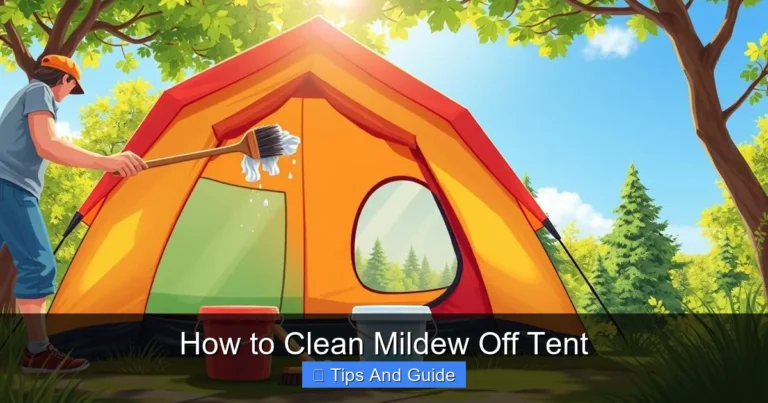
To keep your tent in top shape, always clean and dry it before storing. For tips on maintaining your gear, read our guide on the best way to pack a tent to avoid mold and damage.
How to Choose the Right Tent
With so many options, picking the right tent can feel overwhelming. Here are key factors to consider:
Number of Occupants
Choose a tent rated for at least one more person than you actually have. A 2-person tent is cozy for two, but a 3-person offers extra space for gear. For families, look for models with vestibules and room dividers.
Season and Weather
Will you camp in summer only, or do you need winter capability? A 3-season tent won’t survive a snowstorm, but it’s perfect for mild weather. For year-round adventures, invest in a 4-season model.
Weight and Portability
Backpackers need ultralight tents (under 3 lbs per person). Car campers can prioritize comfort over weight. Consider how you’ll transport the tent—by backpack, car, or cart.
Ease of Setup
Some tents use color-coded poles and clips for quick assembly. Instant or pop-up tents can be ready in under a minute. If you’re new to camping, practice setting up your tent at home first. For step-by-step help, see our guide on the best way to set up a tent.
Ventilation and Features
Look for mesh panels, adjustable vents, and multiple doors to reduce condensation. Vestibules are great for gear storage, and gear lofts help organize small items.
Caring for Your Tent
A well-maintained tent can last for years. Here’s how to keep yours in great condition:
- Clean after use: Shake out dirt and wipe down the fabric. Use mild soap and water if needed.
- Dry completely: Never store a wet tent—it can lead to mold and mildew. If you must pack it damp, air it out as soon as possible.
- Store loosely: Avoid compressing your tent in its stuff sack for long periods. Use a larger storage bag.
- Patch tears promptly: Use a repair kit for small holes. For larger damage, consider professional repair.
- Re-waterproof as needed: Over time, coatings wear off. Reapply seam sealer and waterproofing spray annually. Learn how with our guide on the best way to waterproof a nylon tent.
Proper care not only extends your tent’s life but also ensures it performs well when you need it most—like during a sudden downpour or windy night.
Conclusion
So, what is a tent? It’s more than just a shelter—it’s a gateway to adventure, comfort, and connection with nature. From a simple pop-up beach tent to a rugged 4-season mountaineering shelter, tents come in all shapes and sizes to meet every outdoor need. Understanding the basics—materials, types, setup, and care—helps you choose the right one and get the most out of your outdoor experiences.
Whether you’re planning a weekend getaway, a beach day, or a backyard party, the right tent makes all the difference. Take the time to research, test, and maintain your gear. With the right knowledge and preparation, your tent will be a trusted companion on countless adventures.
Frequently Asked Questions
What is a tent used for?
A tent is used as a portable shelter to protect people from weather conditions like rain, wind, and sun. It’s commonly used for camping, hiking, festivals, beach outings, and emergency situations.
How do you set up a tent?
Most tents come with instructions and color-coded parts. Start by laying out the footprint, assembling the poles, attaching the tent body, securing the rainfly, and staking it down. Practice at home first for best results.
Can you sleep in a tent in the rain?
Yes, as long as the tent is properly pitched with a rainfly and sealed seams. Avoid touching the inner walls, as this can wick moisture inside. Using a tarp under and over the tent adds extra protection.
What’s the difference between a 3-season and 4-season tent?
A 3-season tent is designed for spring, summer, and fall with good ventilation. A 4-season tent is built for winter, with stronger materials, better insulation, and wind resistance.
How do you keep a tent cool in summer?
Use mesh panels, open vents, and position the tent in shade. A reflective tarp overhead can reduce heat. For more tips, see our guide on best ways to keep a tent cool.
How long do tents last?
With proper care, a quality tent can last 5–10 years. Regular cleaning, drying, and re-waterproofing help extend its lifespan significantly.