

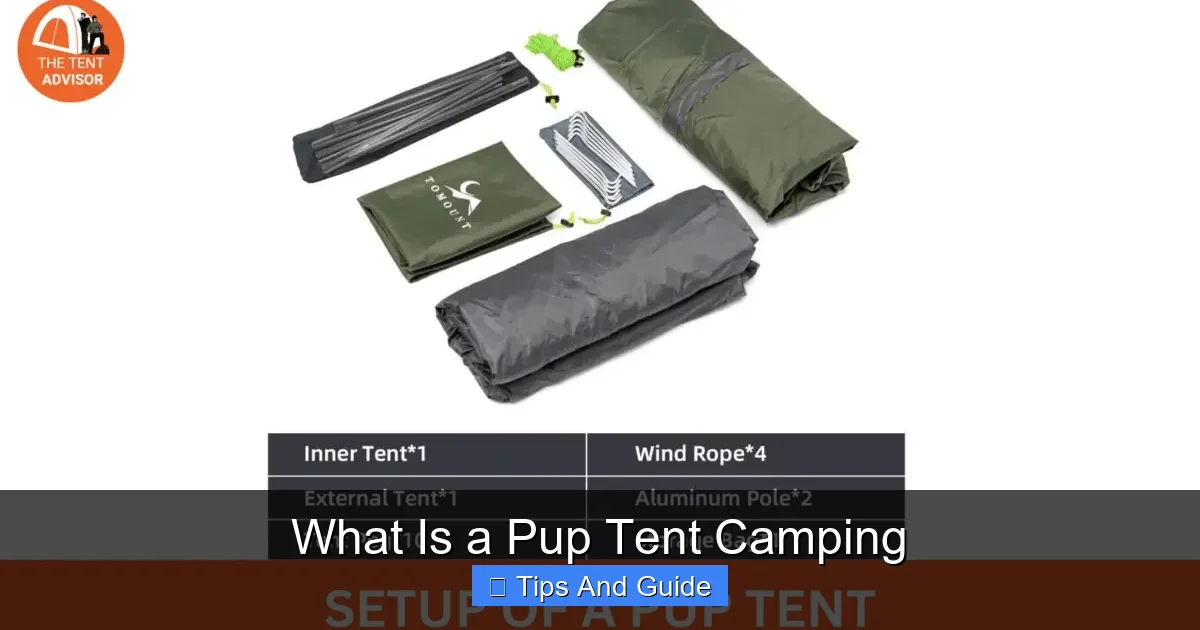
Pup tent camping is a lightweight, minimalist style of camping ideal for solo travelers or backpackers who value simplicity and mobility. These small, easy-to-set-up shelters offer just enough space for one or two people and are perfect for short trips or fast-paced adventures.
Key Takeaways
- Compact and lightweight: Pup tents are designed for portability, making them ideal for backpacking and solo trips.
- Quick setup: Most pup tents can be pitched in under 5 minutes with minimal gear.
- Minimalist design: They offer just enough space for a sleeping bag and small gear, promoting a no-frills camping experience.
- Affordable option: Compared to larger family tents, pup tents are budget-friendly and cost-effective.
- Great for fair weather: Best used in dry, mild conditions due to limited ventilation and weatherproofing.
- Ideal for solo adventurers: Perfect for hikers, bike campers, and minimalist campers who prioritize speed and simplicity.
- Not suited for long stays: Limited space and comfort make them less ideal for extended camping trips or bad weather.
📑 Table of Contents
What Is a Pup Tent Camping?
Pup tent camping is a style of outdoor adventure that centers around using a small, lightweight shelter—commonly known as a pup tent—to sleep and store gear while in nature. These tents are typically designed for one or two people and are much smaller than traditional family or car camping tents. The term “pup tent” originally comes from military use, where soldiers carried compact shelters for quick overnight stays during training or missions. Today, the concept has evolved into a popular choice for backpackers, hikers, and minimalist campers who want to travel light without sacrificing shelter.
Unlike large, multi-room tents with standing room and extra storage, pup tents are all about efficiency. They’re built to be carried in a backpack, set up fast, and taken down just as quickly. This makes them perfect for weekend trips, thru-hiking, or spontaneous adventures where every ounce and minute counts. While they may not offer the luxury of space or climate control, pup tents provide just enough protection from the elements to make outdoor sleeping safe and comfortable—especially in fair weather.
History and Origins of the Pup Tent
The pup tent has its roots in military history, particularly during World War I and II, when soldiers needed portable, easy-to-carry shelters. These early versions were often made of canvas and designed to be shared by two soldiers, providing minimal coverage but maximum mobility. The name “pup” likely comes from the idea that the tent was small and simple—like a puppy compared to a full-sized dog.
Over time, outdoor enthusiasts adopted the design for civilian use. Modern pup tents are now made from lightweight materials like ripstop nylon or polyester, with aluminum poles and waterproof coatings. While they’ve evolved in materials and design, the core idea remains the same: a no-frills shelter that gets the job done without weighing you down. Today’s versions are far more durable and weather-resistant than their military predecessors, making them a reliable option for casual campers and serious backpackers alike.
Key Features of a Pup Tent
Size and Weight
Pup tents are typically designed to sleep one or two people comfortably, with floor dimensions ranging from 4 to 6 feet in length and 2.5 to 3.5 feet in width. Most weigh between 2 and 5 pounds, making them ideal for backpacking. Their compact size means they take up minimal space in a pack, leaving room for food, clothing, and other essentials.
Setup and Portability
One of the biggest advantages of a pup tent is how quickly it can be set up. Many models use a simple pole system or even freestanding designs that require just a few stakes and guylines. Some ultralight versions can be pitched in under three minutes. This speed is a game-changer when you’re tired after a long hike and just want to get inside and rest.
Materials and Durability
Modern pup tents are made from high-denier fabrics that balance weight and strength. Ripstop nylon is a common choice because it resists tearing and is lightweight. Many also feature a waterproof floor and rainfly to protect against morning dew or light rain. However, due to their small size and limited ventilation, they’re best used in dry, mild conditions.
Ventilation and Weather Resistance
Ventilation can be a challenge in pup tents due to their compact design. Some models include mesh panels or adjustable vents to reduce condensation, but airflow is still limited compared to larger tents. As for weather resistance, most pup tents handle light rain and wind well, but they’re not recommended for heavy storms, snow, or extreme cold. For colder conditions, consider pairing your tent with a high-quality sleeping bag and insulated sleeping pad.
Who Should Use a Pup Tent?
Pup tents are ideal for solo travelers, minimalist campers, and backpackers who prioritize speed and simplicity. If you’re planning a weekend hike, a bike tour, or a solo camping trip where you’ll be moving campsites frequently, a pup tent is a smart choice. They’re also great for festival camping or short overnight stays where you don’t need a lot of space.
However, they’re not the best option for families, long-term camping, or trips in unpredictable weather. If you’re camping with a partner and want room to sit up or store gear inside, you might prefer a slightly larger shelter like a 3-season backpacking tent. Similarly, if you’re heading into cold or rainy conditions, a more insulated and weatherproof tent—like a winter-ready option—might be a better fit.
Pros and Cons of Pup Tent Camping
Advantages
- Lightweight and portable: Easy to carry on long hikes or bike trips.
- Fast setup: No complicated instructions—just stake it down and go.
- Affordable: Generally cheaper than larger, feature-rich tents.
- Low profile: Blends into the environment and is less likely to be noticed.
- Encourages minimalism: Forces you to pack light and focus on essentials.
Disadvantages
- Limited space: No room to sit up or store large gear inside.
- Poor ventilation: Can become stuffy or damp in humid conditions.
- Not for bad weather: Struggles in heavy rain, wind, or cold temperatures.
- Less comfort: Hard ground and tight quarters may affect sleep quality.
- Not ideal for pets: Unless you have a very small dog, there’s little room to share.
Tips for Successful Pup Tent Camping
Choose the Right Location
Even though pup tents are small, where you pitch them matters. Look for flat, dry ground away from water sources and potential flood zones. Avoid rocky or root-filled areas that could damage the tent floor. A small groundsheet or footprint underneath can add extra protection and insulation.
Pack Smart
Since space is limited, pack only what you need. Use compression sacks for your sleeping bag and clothing. Keep essentials like a headlamp, water, and snacks in an easily accessible pocket. Consider a lightweight sleeping pad to improve comfort and warmth.
Manage Moisture
Condensation is a common issue in small tents. To reduce it, avoid bringing wet gear inside and try to keep the tent ventilated. If your tent has mesh panels, leave them open when possible. In the morning, wipe down the interior with a small towel before packing up.
Stay Warm and Cool
Temperature control is tricky in a pup tent. In cold weather, layer up and use a warm sleeping bag. For hot nights, choose a tent with good airflow or consider simple cooling strategies like opening vents or using a battery-powered fan. Avoid using heaters inside the tent—this can be dangerous and damage the fabric.
Maintain Your Tent
After each trip, clean your tent according to the manufacturer’s instructions. Most pup tents can be wiped down with a damp cloth and mild soap. Let it dry completely before storing to prevent mold and mildew. Regular maintenance will extend its life and keep it performing well. For detailed care tips, check out our guide on how to clean a tent after camping.
Conclusion
Pup tent camping is all about embracing simplicity, mobility, and the joy of traveling light. While these small shelters may not offer the luxury of space or climate control, they make up for it with speed, affordability, and ease of use. Whether you’re a solo hiker exploring mountain trails or a minimalist camper seeking a quick escape from the city, a pup tent can be the perfect companion.
Just remember: pup tents work best in fair weather and short-term trips. For longer adventures or harsher conditions, consider upgrading to a more robust shelter. But for those who value freedom, speed, and the thrill of the open trail, pup tent camping offers a rewarding and authentic outdoor experience. So pack light, pitch fast, and enjoy the simplicity of sleeping under the stars.
Frequently Asked Questions
What is a pup tent used for?
A pup tent is a small, lightweight shelter designed for one or two people, ideal for backpacking, hiking, or short camping trips. It provides basic protection from wind, dew, and light rain while being easy to carry and quick to set up.
How many people can sleep in a pup tent?
Most pup tents are designed for one or two people, depending on the model. They offer just enough space for sleeping bags and minimal gear, but no room to sit up or move around.
Are pup tents waterproof?
Many modern pup tents come with waterproof floors and rainflies, making them suitable for light rain. However, they are not designed for heavy storms or prolonged wet weather.
Can you use a pup tent in winter?
Pup tents are not ideal for winter camping due to limited insulation and ventilation. For cold weather, consider a four-season tent or add insulation with a high-quality sleeping pad and bag.
How do you keep a pup tent warm?
Use a well-insulated sleeping pad, wear warm layers, and choose a sleeping bag rated for the temperature. Avoid using open flames or heaters inside the tent for safety.
Is a pup tent good for car camping?
While possible, pup tents are not the best choice for car camping due to their limited space. If you have a vehicle, you might prefer a larger tent with more room to move and store gear.
