What Is a Hot Tent for Camping
A hot tent for camping is a specialized shelter designed to withstand harsh winter conditions and retain heat from a wood-burning stove. Unlike traditional tents, hot tents are made from durable, fire-resistant materials and feature a stove jack for safe ventilation. They’re ideal for cold-weather campers who want comfort without sacrificing adventure.
Key Takeaways
- Hot tents are built for winter camping: They’re designed to handle snow, wind, and sub-zero temperatures with insulated walls and strong frames.
- They use a wood stove for heating: A small, efficient stove inside the tent provides consistent warmth and can also be used for cooking.
- Fire safety is a top priority: Hot tents include a stove jack—a heat-resistant opening—for safe venting of smoke and gases.
- Canvas is the preferred material: Heavy-duty canvas offers excellent insulation, breathability, and durability in extreme weather.
- Setup takes more time than regular tents: Due to their size and stove installation, hot tents require more planning and effort to pitch.
- They’re perfect for car camping: Most hot tents are too heavy for backpacking but ideal for base camps or winter car camping trips.
- Proper ventilation prevents condensation: Even in cold weather, airflow is crucial to avoid moisture buildup inside the tent.
📑 Table of Contents
What Is a Hot Tent for Camping?
Imagine camping in the middle of a snowstorm, surrounded by frost-covered trees, yet staying warm and cozy inside your tent. That’s the magic of a hot tent for camping. Unlike your typical lightweight nylon shelter, a hot tent is a heavy-duty, insulated shelter designed specifically for cold-weather adventures. It’s essentially a mini cabin you can pitch in the wilderness, complete with a wood-burning stove to keep you toasty through the night.
Hot tents have been used for centuries by trappers, explorers, and winter sports enthusiasts. Today, they’re gaining popularity among modern campers who refuse to let cold weather stop their outdoor adventures. Whether you’re planning a solo winter expedition or a family snowshoeing trip, a hot tent can transform a potentially miserable experience into a comfortable, even luxurious, retreat.
How Does a Hot Tent Work?
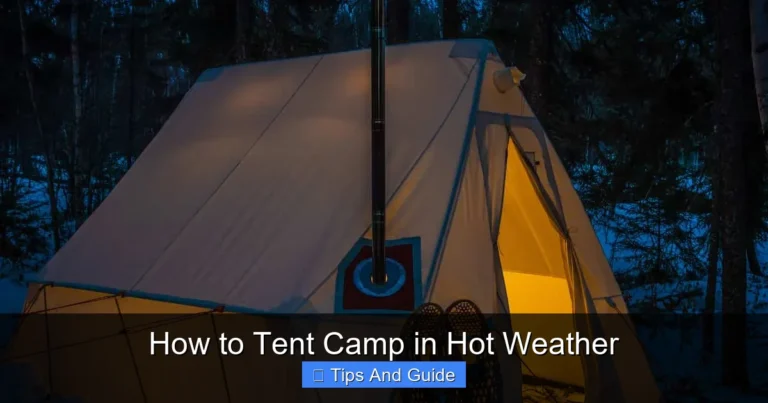
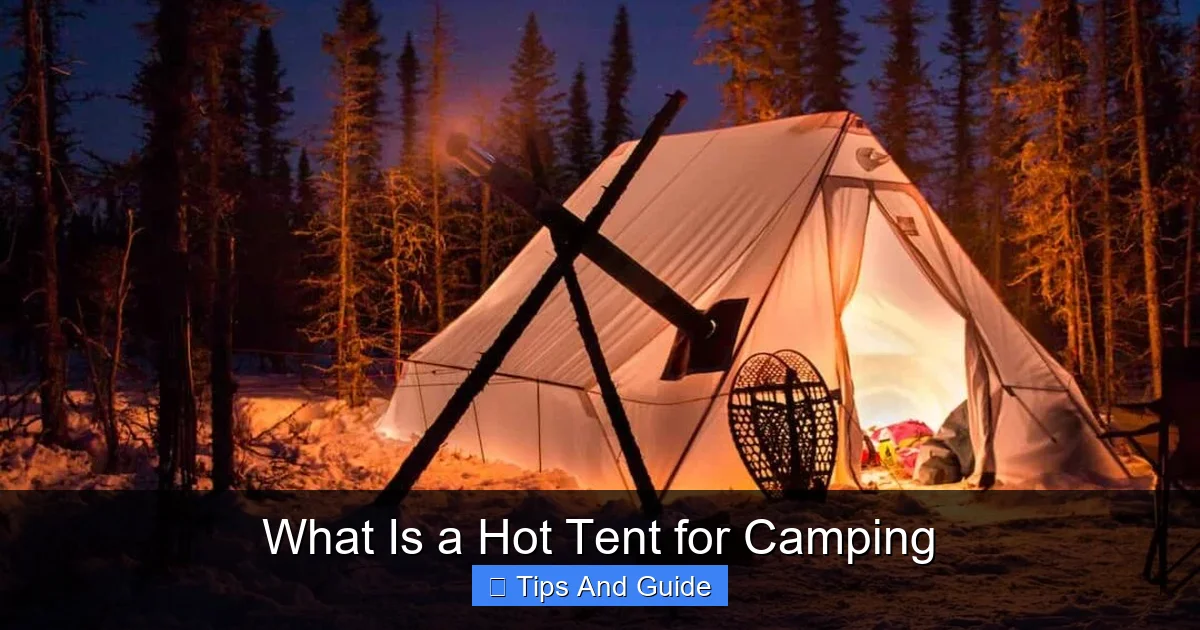
At the heart of every hot tent is a small, portable wood stove. This stove burns wood efficiently, producing heat that radiates throughout the tent. The tent itself is made from thick, fire-resistant fabric—usually canvas—that traps warmth while allowing moisture to escape. A key feature is the stove jack: a reinforced, heat-resistant opening in the tent wall where the stovepipe exits to vent smoke safely outside.
The stove heats the air inside the tent quickly, often raising the temperature by 30°F or more compared to the outside. Some campers even dry wet clothes or cook meals on the stove, making it a multi-functional centerpiece. Because the heat source is inside, there’s no need to huddle around a fire outside in the cold. You can relax, read, or sleep in comfort while the storm rages beyond your walls.
Stove Jack: The Safety Hero
The stove jack is one of the most important components of a hot tent. It’s typically made of silicone or fiberglass and is sewn into the tent fabric near the base. This allows the stovepipe to pass through the wall without melting the material or creating a fire hazard. Always ensure the jack is properly sealed and the pipe extends high enough above the tent to prevent sparks from landing on the roof.
Ventilation Matters
Even in freezing temperatures, proper airflow is essential. Without ventilation, moisture from breathing, cooking, and wet gear can accumulate inside the tent, leading to condensation and damp sleeping bags. Most hot tents include adjustable vents near the top and bottom to allow fresh air in and moist air out. This balance keeps the interior dry and breathable.
Why Choose a Hot Tent Over a Regular Tent?
Regular tents are great for summer hikes and mild weather, but they fall short in extreme cold. They’re not designed to retain heat, and adding external heaters can be dangerous or inefficient. A hot tent, on the other hand, is purpose-built for winter conditions. It offers superior insulation, wind resistance, and the ability to generate internal heat safely.
For example, if you’re camping in temperatures below freezing, a standard tent might keep you sheltered from wind and snow, but you’ll still need multiple layers, a high-quality sleeping bag, and possibly a heated pad. With a hot tent, you can strip down to a t-shirt and still feel comfortable. It’s like bringing a fireplace into the forest.
Additionally, hot tents often have more space than backpacking tents. Many models accommodate 2–6 people and include room for gear, chairs, and even a small table. This makes them ideal for car camping trips where weight isn’t a major concern.
Key Features of a Quality Hot Tent
Not all hot tents are created equal. When shopping for one, look for these essential features to ensure safety, comfort, and durability.
Material: Canvas Is King
Canvas is the gold standard for hot tents. It’s naturally breathable, resists tearing, and handles temperature swings better than synthetic fabrics. Look for 10–12 oz. cotton or polyester-canvas blends that are treated for water resistance. Avoid cheap nylon tents—they can melt near heat sources and don’t insulate well.
Stove Jack Compatibility
Make sure the tent has a properly sized stove jack that fits your stovepipe diameter (usually 3” or 4”). Some tents come with a universal jack, while others require custom installation. Always double-check compatibility before buying.
Floor Design
A sewn-in or zip-in floor helps keep snow and moisture out. Some campers prefer a footprint or tarp underneath for extra protection. If you’re camping on snow, consider a tent with a raised floor or one that can be staked tightly to prevent drafts.
Peak Height and Interior Space
Taller tents allow you to stand upright and move around comfortably. Look for a peak height of at least 6 feet if you’re over 5’8”. Also, consider the floor area—more space means better airflow and room for gear.
Guy Lines and Stakes
Winter winds can be brutal. A good hot tent comes with strong guy lines and plenty of stake points. Use snow stakes or deadman anchors in snowy conditions to secure the tent firmly.
Setting Up a Hot Tent: Tips and Best Practices
Setting up a hot tent takes more time and effort than a regular tent, but with practice, it becomes routine. Here’s how to do it safely and efficiently.
Choose the Right Location
Pick a flat, sheltered spot away from overhanging branches or dry grass. Clear snow down to the ground if possible, and avoid setting up under avalanche-prone slopes. Make sure there’s enough space around the tent for the stovepipe to extend safely.
Pitch the Tent First
Assemble the tent and secure it with stakes and guylines before installing the stove. This ensures stability and prevents accidental damage during setup. Use a footprint or tarp underneath to protect the floor.
Install the Stove and Pipe
Place the stove on a non-flammable surface like a stove board or fireproof mat. Connect the stovepipe sections and pass them through the stove jack. Ensure the pipe extends at least 18–24 inches above the tent peak for proper draft. Seal any gaps around the jack with high-temperature silicone if needed.
Test the Fire
Light a small fire to check for proper airflow and smoke direction. Watch for leaks, sparks, or excessive condensation. Once everything looks good, you’re ready to enjoy your warm retreat.
For a detailed guide on tent setup, check out our article on how to set up a tent for camping.
Who Should Use a Hot Tent?
Hot tents aren’t for everyone—but they’re perfect for the right kind of camper. If you love winter adventures, enjoy solitude in the snow, or want to extend your camping season into the colder months, a hot tent is a game-changer.
They’re especially popular among:
- Winter backpackers and snowshoers: Those who want to camp in remote, snowy areas without sacrificing warmth.
- Family campers: Parents who want to introduce kids to winter camping in a safe, comfortable environment.
- Photographers and artists: People seeking inspiration in quiet, snow-covered landscapes.
- Hunters and anglers: Outdoor enthusiasts who need a warm base camp during long expeditions.
However, if you’re a minimalist backpacker focused on speed and light weight, a hot tent might be overkill. They’re best suited for car camping or base camps where you don’t need to carry everything on your back.
Caring for Your Hot Tent
Proper maintenance extends the life of your hot tent and ensures it performs well season after season.
Clean After Each Use
Brush off snow and dirt before packing. If the tent gets wet, dry it completely before storing to prevent mold and mildew. Never store a damp tent.
Inspect for Damage
Check the stove jack, seams, and fabric for burns, tears, or wear. Repair small issues immediately with a patch kit or seam sealer.
Store Properly
Keep the tent in a cool, dry place away from direct sunlight. Use a breathable storage bag—not plastic—to allow airflow.
For more tips, read our guide on how to clean a tent after camping.
Conclusion
A hot tent for camping is more than just a shelter—it’s a winter sanctuary. By combining the ruggedness of a traditional tent with the warmth of a wood stove, it opens up a whole new world of cold-weather adventures. Whether you’re chasing northern lights, snowshoeing through silent forests, or simply escaping the daily grind, a hot tent lets you do it in comfort and style.
While they require more setup and care than standard tents, the payoff is worth it: cozy nights, dry gear, and the joy of being truly present in nature—even when the temperature drops. So if you’ve ever dreamed of camping under a blanket of snow without freezing, it’s time to consider a hot tent.
Frequently Asked Questions
Can you use a hot tent in the summer?
Yes, but it’s not ideal. Hot tents are designed for cold weather and can become uncomfortably warm in summer. However, you can use them without the stove for extra space and durability.
Is it safe to sleep in a hot tent with a wood stove?
Yes, as long as the stove is properly installed, the pipe is vented correctly, and there’s adequate ventilation. Never leave a fire unattended, and use a spark arrestor on the pipe.
Do you need a special sleeping bag in a hot tent?
Not necessarily. Because the tent is heated, you can use a lighter sleeping bag than you would in a regular winter tent. A 3-season bag often suffices.
Can you cook inside a hot tent?
Yes, many campers cook on the stove or use a small grill attachment. Just ensure proper ventilation to avoid smoke buildup and carbon monoxide risks.
Are hot tents waterproof?
Most quality hot tents are water-resistant or waterproof, especially if made from treated canvas. However, always check the fabric rating and reapply waterproofing as needed.
How much does a hot tent weigh?
Hot tents typically weigh between 15 and 30 pounds, depending on size and materials. This makes them unsuitable for backpacking but fine for car camping.