What Is a Hot Tent
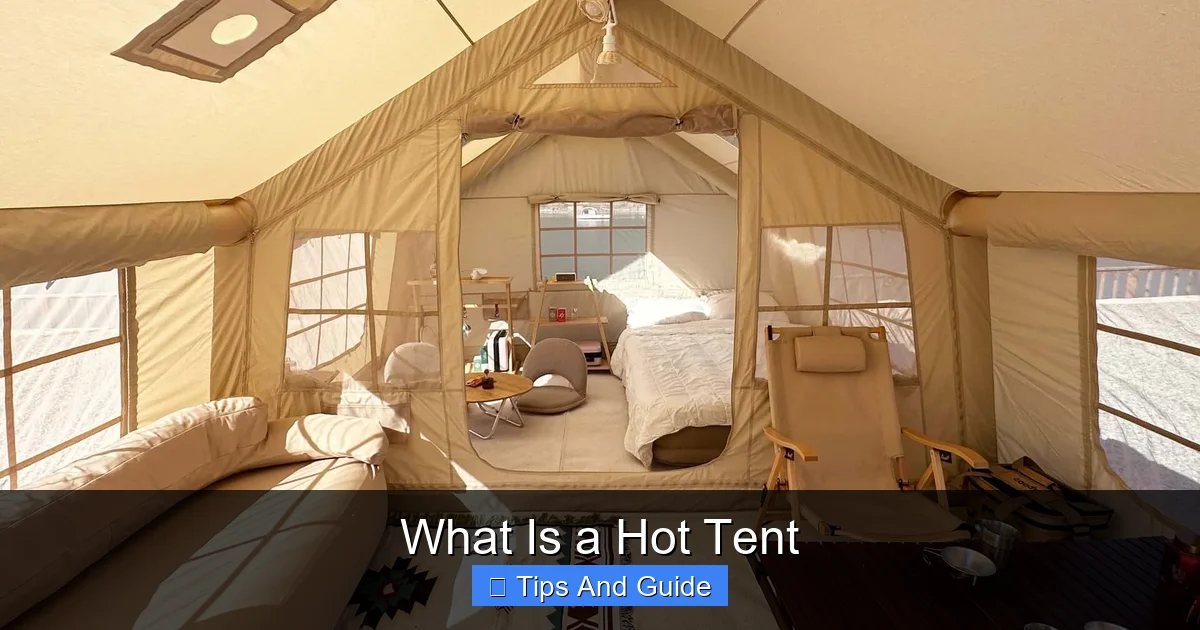
A hot tent is a durable, insulated shelter designed to hold heat from a wood stove or portable heater, making winter camping safe and cozy. Unlike traditional tents, hot tents are made with fire-resistant materials and feature a stove jack for venting smoke, allowing you to stay warm even in freezing temperatures.
If you’ve ever shivered through a winter camping trip, dreaming of a warm cup of cocoa and a toasty night’s sleep, you’re not alone. Cold weather camping can be brutal—unless you’ve discovered the secret weapon of seasoned winter adventurers: the hot tent.
A hot tent isn’t just a regular tent with a space heater thrown in. It’s a specially designed shelter that integrates a heating system—usually a small wood-burning stove—into its structure. These tents are built to safely contain heat, protect against the elements, and provide a comfortable living space even when snow is piling up outside. Whether you’re camping in the Rockies, the Alps, or your local forest in January, a hot tent can turn a freezing ordeal into a cozy retreat.
But how exactly does it work? And more importantly—is it safe? In this guide, we’ll break down everything you need to know about hot tents, from how they’re built to how to set one up safely. You’ll learn why they’re becoming a favorite among winter campers, backpackers, and even tiny home enthusiasts. So grab your thermos, and let’s dive into the warm world of hot tents.
Key Takeaways
- Hot tents are built for cold weather: They’re designed to retain heat and withstand harsh winter conditions, making them ideal for snow camping or mountain expeditions.
- They use a wood stove or heater: A small stove inside the tent provides consistent warmth, often fueled by wood, propane, or other portable heat sources.
- Fire-resistant materials are essential: Hot tents use fabrics like silicone-coated nylon or canvas with a stove jack to safely vent smoke and prevent fires.
- Proper ventilation is critical: Even with a stove, airflow prevents carbon monoxide buildup and maintains air quality inside the tent.
- Setup requires more planning: Hot tents are heavier and need a flat, clear area free of flammable debris for safe stove operation.
- They offer comfort and versatility: Many campers use hot tents for extended winter trips, base camps, or even off-grid living.
- Accessories enhance safety and efficiency: Heat shields, spark arrestors, and insulated flooring improve performance and reduce risks.
📑 Table of Contents
What Exactly Is a Hot Tent?
At its core, a hot tent is a camping shelter engineered to safely house a heat source—typically a portable wood stove. Unlike standard tents, which are designed to insulate but not retain active heat, hot tents are constructed with materials and features that support heating systems. The most defining feature is the stove jack: a reinforced opening near the top or side of the tent where the stovepipe vents smoke outside. This allows you to run a stove inside without filling the tent with fumes.
Hot tents are usually made from heavy-duty, fire-resistant fabrics like silicone-coated nylon or waxed canvas. These materials not only block wind and moisture but also withstand high temperatures near the stove. Many models also include insulated floors, reflective liners, and multiple ventilation points to balance warmth and air quality.
While traditional tents might struggle in sub-zero temperatures, a well-set hot tent can maintain indoor temperatures well above freezing—even when it’s -20°F outside. This makes them perfect for winter camping, ice fishing, ski touring, or simply enjoying nature without sacrificing comfort.
How Does a Hot Tent Work?
The magic of a hot tent lies in its integration of a heat source with a well-insulated shelter. Here’s how it all comes together:
The Stove: The Heart of the System
Most hot tents use a compact wood-burning stove, though some campers opt for propane heaters or catalytic heaters. Wood stoves are popular because they’re efficient, use natural fuel (like deadfall), and provide radiant heat that warms both the air and objects inside the tent. Stoves like the Bushbox, FireBox, or titanium models are lightweight and designed for backpacking.
The Stove Jack: Safe Venting
The stove jack is a heat-resistant sleeve—usually made of silicone or metal—that’s sewn into the tent fabric. It allows the stovepipe to pass through the wall or roof while sealing out wind and snow. This is crucial for safety, as it prevents sparks from igniting the tent and ensures smoke exits properly.
Heat Distribution and Retention
Once the stove is lit, heat radiates outward, warming the interior. The tent’s insulated design—often with a double-wall construction or reflective layers—helps trap that heat. Some campers add a heat reflector panel behind the stove to bounce warmth deeper into the tent. Over time, the tent’s fabric and gear inside absorb and slowly release heat, keeping the space comfortable even after the fire dies down.
Ventilation and Air Quality
Even with a stove, fresh air is essential. Hot tents include adjustable vents near the base and peak to allow airflow. This prevents condensation, reduces carbon monoxide risk, and keeps the air breathable. Never run a stove in a completely sealed tent—proper ventilation is non-negotiable.
Benefits of Using a Hot Tent
Why go through the extra effort of setting up a stove and heavy tent? The benefits are hard to ignore:
Warmth in Extreme Conditions
A hot tent lets you camp comfortably in temperatures that would otherwise be dangerous. Whether you’re in Alaska or the Appalachian Mountains, you can enjoy a warm meal, dry clothes, and a good night’s sleep.
Extended Camping Season
With a hot tent, winter doesn’t have to mean the end of camping. You can enjoy solitude, snow-covered landscapes, and starry skies—all from the comfort of a heated shelter.
Cooking and Drying Capabilities
Many stoves double as cooking surfaces. You can boil water, simmer stew, or dry wet gear overnight. This is especially useful on multi-day trips where staying dry is critical.
Cost-Effective Over Time
While the initial investment in a hot tent and stove can be high, it eliminates the need for expensive winter lodging or gear. Plus, using natural fuel like wood can save money on propane or electricity.
Versatility Beyond Camping
Hot tents are also used for glamping, emergency shelters, hunting camps, and even as temporary homes in off-grid setups. Their durability and functionality make them a long-term investment.
Choosing the Right Hot Tent
Not all hot tents are created equal. Here’s what to consider when picking one:
Size and Capacity
Hot tents come in various sizes, from solo models to family-sized shelters. A 10×10 tent, for example, offers plenty of space for a stove, gear, and movement—but it’s heavier and harder to transport. Consider how many people will use it and whether you’re backpacking or driving to your site. For more on sizing, check out our guide on how big is a 10×10 tent.
Material and Durability
Canvas tents are durable and breathable but heavier. Nylon is lighter but may require more careful stove management. Look for ripstop fabrics with high denier ratings and reinforced stitching.
Stove Jack Compatibility
Ensure the tent has a properly sized stove jack for your stovepipe (usually 3” or 4”). Some tents come with pre-installed jacks; others require DIY modification.
Weight and Portability
If you’re hiking to your campsite, weight matters. Titanium stoves and ultralight tents reduce pack load, but may cost more. For tips on packing efficiently, see our article on the best way to pack a tent.
Ventilation and Accessories
Look for multiple vents, guy lines for wind resistance, and options for adding a groundsheet or tarp. A tarp under your tent adds insulation and protects the floor.
Safety Tips for Hot Tent Camping
Safety is paramount when using a stove inside a tent. Follow these guidelines:
Clear the Area
Set up on bare ground or a fireproof mat. Remove leaves, pine needles, and dry grass within a 3-foot radius of the stove.
Use a Heat Shield
Place a non-flammable barrier (like a metal sheet or fireproof mat) under and around the stove to protect the tent floor.
Never Leave the Stove Unattended
Always extinguish the fire before sleeping or leaving the tent. Use a spark arrestor on the stovepipe to prevent embers from escaping.
Monitor Carbon Monoxide
Use a battery-powered CO detector inside the tent. Even with ventilation, stoves can produce dangerous gases.
Check Local Regulations
Some parks restrict open flames or require permits for wood stoves. Always follow local fire safety rules.
Conclusion
A hot tent is more than just a shelter—it’s a gateway to winter adventure. By combining the warmth of a wood stove with the protection of a rugged tent, it transforms cold-weather camping from a survival challenge into a comfortable, even luxurious, experience. Whether you’re a seasoned mountaineer or a weekend camper looking to extend your season, a hot tent opens up new possibilities.
With the right setup, safety practices, and gear, you can enjoy the serenity of snow-covered forests, the thrill of ice fishing at dawn, or simply the joy of sipping tea by a warm stove under a starry sky. So if you’ve been hesitant to camp in the cold, now’s the time to give a hot tent a try. Your future self—cozy, dry, and well-rested—will thank you.
Frequently Asked Questions
Can you use a hot tent in the summer?
While hot tents are designed for cold weather, they can be used in summer—just without the stove. Many campers use them for their durability and space, especially in rainy or windy conditions. Just ensure proper ventilation to avoid overheating.
Is it safe to sleep in a hot tent with a stove?
Yes, but only if the stove is fully extinguished before sleeping. Never leave a fire burning unattended. Use a spark arrestor, heat shield, and CO detector for added safety.
Do hot tents require special maintenance?
Yes. After use, clean the stovepipe and check the stove jack for wear. Store the tent dry to prevent mold. Re-waterproof the fabric as needed using a product like those recommended in our best way to waterproof a nylon tent guide.
Can I use a propane heater instead of a wood stove?
Yes, but ensure the heater is designed for indoor use and has proper ventilation. Propane heaters are cleaner and easier to control, but require fuel canisters and don’t offer the same ambiance as a wood fire.
How long does it take to heat a hot tent?
Depending on the stove and outside temperature, it usually takes 20–40 minutes to raise the interior temperature to a comfortable level. Once warm, the tent retains heat well, especially with insulation.
Are hot tents worth the investment?
For frequent winter campers, yes. The comfort, safety, and extended camping season they provide make them a worthwhile investment. For occasional use, consider renting or borrowing before buying.