What I Need for Camping in a Tent
Camping in a tent is an exciting way to connect with nature, but being prepared is key to a comfortable and safe experience. This guide covers all the essential gear, clothing, and tips you need—from choosing the right tent to staying warm, cool, and dry—so your next outdoor adventure is stress-free and fun.
Key Takeaways
- Choose the right tent: Match your tent size and type to your camping style—car camping, backpacking, or family trips.
- Sleep comfortably: Invest in a quality sleeping pad, air mattress, or cot for insulation and support.
- Dress in layers: Pack moisture-wicking base layers, insulating mid-layers, and a waterproof outer shell.
- Stay warm or cool: Use sleeping bags rated for the season and consider heating or cooling solutions for extreme weather.
- Pack smart essentials: Include a headlamp, first aid kit, cooking gear, and a reliable water source.
- Prepare for the elements: Bring a tarp, stakes, and a repair kit to protect your tent from wind, rain, and wear.
📑 Table of Contents
What I Need for Camping in a Tent: The Complete Guide
Camping in a tent is one of the most rewarding ways to experience the great outdoors. Whether you’re escaping for a weekend or spending a week under the stars, the right preparation makes all the difference. But what exactly do you need for camping in a tent? It’s not just about throwing a sleeping bag in the car and hoping for the best.
A successful tent camping trip starts with understanding your environment, knowing your gear, and packing smart. From choosing the perfect tent to staying warm on cold nights, every detail matters. This guide walks you through everything you need—so you can focus on roasting marshmallows, hiking scenic trails, and enjoying nature without the stress of being unprepared.
Choosing the Right Tent
The foundation of any tent camping trip is, of course, the tent itself. But not all tents are created equal. Your choice depends on how you plan to camp—whether you’re car camping with family, backpacking solo, or setting up at a beach site.
Size and Capacity
When selecting a tent, consider how many people will be sleeping inside. Tents are labeled by capacity (e.g., 2-person, 4-person), but these numbers often assume tight quarters. For comfort, choose a tent rated for one more person than you actually have. A best camping tent for a family of 4 might actually be a 6-person model to allow space for gear and movement.
Tent Type and Style
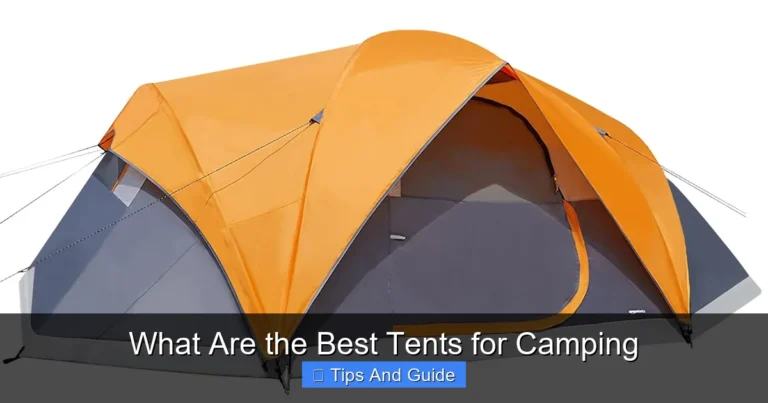
There are several tent styles to consider. Dome tents are popular for their stability and ease of setup. Cabin tents offer more vertical walls and headroom, making them ideal for car camping where weight isn’t a concern. Backpackers often prefer lightweight, compact models like the best air up tent for camping, which inflates quickly and saves space.
Weather Resistance
Look for a tent with a waterproof rainfly, sealed seams, and a bathtub-style floor to keep moisture out. If you’re camping in winter or high-altitude areas, consider a four-season tent designed to handle snow and strong winds. For summer trips, a well-ventilated three-season tent with mesh panels helps reduce condensation and keeps bugs out.
Sleeping Gear for Comfort and Warmth
A good night’s sleep is crucial when camping. Without the right sleeping setup, you could wake up cold, sore, or both. Here’s what you need to sleep comfortably in a tent.
Sleeping Bag
Your sleeping bag should match the expected temperatures. Look for a bag with a comfort rating—this tells you the lowest temperature at which you’ll stay warm. For summer camping, a 40°F (4°C) bag is usually sufficient. For colder weather, choose a 20°F (-6°C) or lower bag. Down bags are lightweight and warm but lose insulation when wet; synthetic bags are bulkier but perform better in damp conditions.
Sleeping Pad or Air Mattress
A sleeping pad isn’t just for comfort—it provides critical insulation from the cold ground. Foam pads are lightweight and durable, while self-inflating pads offer more cushioning. For car campers, an air mattress for tent camping can feel almost like home. Pair it with a fitted sheet and pillow for extra coziness.
Pillow and Liner
Don’t forget a camping pillow—or improvise with a stuff sack filled with clothes. A sleeping bag liner adds warmth and keeps your bag clean. Silk or fleece liners can boost your bag’s temperature rating by 10°F or more.
Clothing and Layering Tips
What you wear while camping matters just as much as your gear. Dressing in layers allows you to adapt to changing weather and activity levels.
Base Layer
Start with a moisture-wicking base layer made of merino wool or synthetic fabric. Avoid cotton—it holds sweat and can make you cold. A good base layer keeps your skin dry during hikes and helps regulate body temperature.
Mid Layer
This is your insulation layer. Fleece jackets, down vests, or synthetic puffies trap body heat. Pack at least one mid-layer, even in summer—nights can get chilly, especially at higher elevations.
Outer Layer
A waterproof and windproof shell is essential for rain or wind. Look for a breathable jacket with pit zips for ventilation. Pair it with waterproof pants if you expect wet weather.
Extras
Don’t forget warm socks, a beanie, and gloves for cold nights. Quick-dry hiking pants and a wide-brim hat are great for daytime. And always pack an extra set of clothes in a dry bag—just in case.
Essential Camping Gear and Accessories
Beyond the tent and sleeping gear, a few key accessories can make your trip safer and more enjoyable.
Lighting
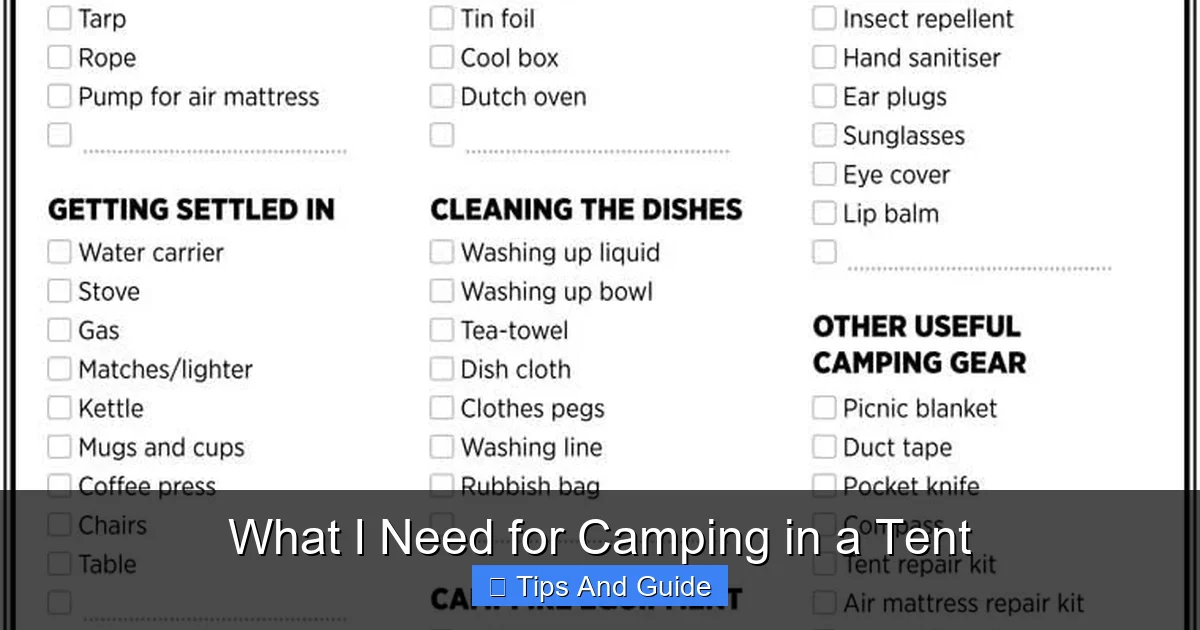
A headlamp is a must—it keeps your hands free for setting up camp or cooking. Bring extra batteries or a rechargeable model. String lights or a lantern can add ambiance to your campsite.
Cooking Supplies
Even if you’re not gourmet camping, you’ll need a stove, fuel, lighter, and basic cookware. A portable camping stove, pot, utensils, and biodegradable soap are essentials. Don’t forget a cooler with ice or ice packs for perishables.
Water and Hydration
Bring enough water for drinking, cooking, and cleaning. A general rule is one gallon per person per day. Use a water filter or purification tablets if you’re refilling from natural sources. Collapsible water containers save space when empty.
Safety and Repair Kit
Pack a basic first aid kit with bandages, antiseptic, tweezers, and any personal medications. Include a multi-tool, duct tape, extra tent stakes, and a repair kit for your tent or sleeping pad. A whistle and fire starter can be lifesavers in emergencies.
Staying Warm and Cool in Your Tent
Temperature control is one of the biggest challenges of tent camping. Whether it’s a chilly mountain night or a sweltering summer afternoon, here’s how to stay comfortable.
How to Stay Warm
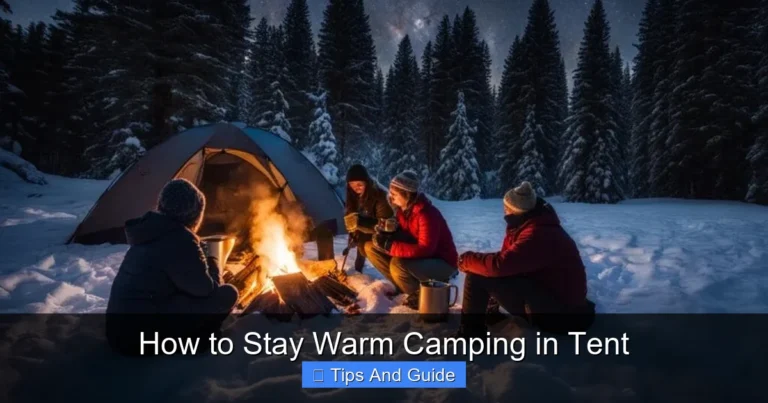
On cold nights, layer up before getting into your sleeping bag. Wear dry socks and a hat—most body heat is lost through the head. Use a hot water bottle in your bag or try a how to stay warm while camping in a tent method like placing a closed-cell foam pad under your sleeping pad for extra insulation.
How to Stay Cool
In hot weather, ventilate your tent by opening windows and using the rainfly to create shade. Sleep with just a sheet or lightweight liner. For extreme heat, consider a battery-powered fan or a small AC unit for tent camping if you have access to power. Misting fans and cooling towels also help.
Weatherproofing Your Tent
Use a footprint or tarp under your tent to prevent ground moisture and abrasion. Stake out all guylines and use a rainfly even if the sky is clear—dew can soak through fabric overnight. In windy conditions, add extra stakes and tie down your tent securely.
Packing and Organizing Your Gear
Packing smart saves time and frustration at the campsite. Use stuff sacks, dry bags, and labeled bins to keep things organized.
What to Pack First
Set up your tent and sleeping area first—this gives you a home base. Then organize your kitchen area, food storage, and personal items. Keep frequently used items (like headlamps and snacks) in easy-to-reach places.
Leave No Trace
Pack out all trash, including food scraps and toilet paper. Use bear-proof containers if required. Respect wildlife and other campers by keeping noise down and your site clean.
Final Thoughts
Camping in a tent doesn’t have to be complicated. With the right gear and a little planning, you can enjoy a safe, comfortable, and memorable outdoor adventure. From choosing the perfect tent to staying warm on cold nights, every detail contributes to your overall experience.
Remember, the goal is to unplug, unwind, and connect with nature. So pack your essentials, double-check your list, and head out with confidence. Whether you’re a first-time camper or a seasoned outdoor enthusiast, being prepared means you can focus on what really matters—making memories under the stars.
Frequently Asked Questions
What is the most important thing to bring when camping in a tent?
The most important item is a reliable, weather-appropriate tent. Without proper shelter, you’re exposed to rain, wind, and insects. Pair it with a good sleeping bag and pad for comfort and safety.
Can I use a regular mattress in a tent?
It’s not recommended. Regular mattresses are too bulky and don’t insulate from the ground. Instead, use a camping-specific air mattress, foam pad, or cot designed for outdoor use.
How do I keep my tent from getting too hot in summer?
Maximize ventilation by opening all windows and using the rainfly to create shade. Choose a light-colored tent, and consider a portable fan or misting system for extra cooling.
What should I do if it rains while camping?
Make sure your tent is properly staked and the rainfly is secure. Use a tarp over the top for extra protection. Keep gear in dry bags and avoid bringing wet items inside the tent.
How many people can sleep comfortably in a 4-person tent?
A 4-person tent is best for 2–3 people if you want space for gear and movement. For families, consider a larger model like a 6-person tent for added comfort.
Do I need a ground tarp under my tent?
Yes, a ground tarp or footprint protects the tent floor from rocks, roots, and moisture. Just make sure it’s slightly smaller than the tent base to prevent water from pooling underneath.