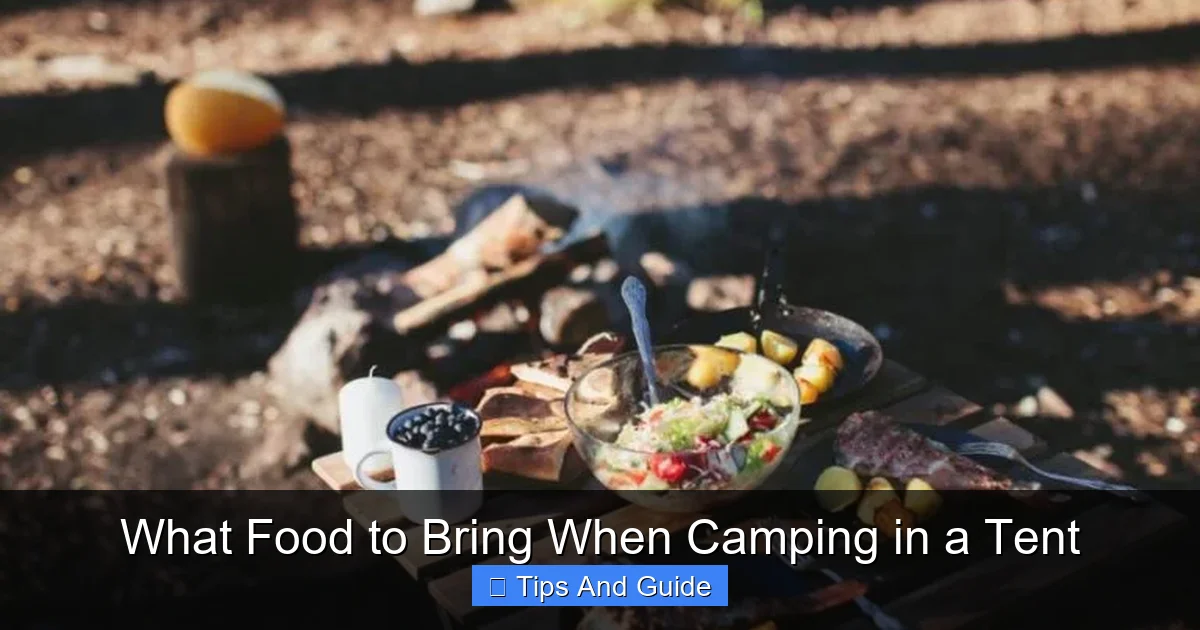
What Food to Bring When Camping in a Tent
Choosing the right food to bring when camping in a tent can make or break your outdoor adventure. With smart planning, you can enjoy delicious, nutritious meals without refrigeration or complicated prep—keeping you energized, safe, and happy under the stars.
Camping in a tent is one of the most rewarding ways to connect with nature. Whether you’re hiking deep into the woods or setting up camp at a family-friendly site, the experience is all about simplicity, adventure, and good company. But one thing that can quickly turn a dream trip into a disaster? Poor food planning.
Imagine this: you’ve hiked for hours, your muscles are tired, and all you want is a warm, satisfying meal. But instead, you’re stuck eating cold beans from a can because you forgot to pack a stove. Or worse—your snacks have melted into a sticky mess, or your perishables spoiled in the heat. That’s why knowing what food to bring when camping in a tent is essential. It’s not just about taste—it’s about safety, energy, and enjoyment.
The good news? With a little forethought, you can enjoy hearty, delicious meals that require minimal cooking and no refrigeration. From quick breakfasts to filling dinners and energizing snacks, the right food choices will keep you fueled, happy, and ready for whatever the trail throws your way.
Key Takeaways
- Prioritize non-perishable foods: Choose shelf-stable items like canned goods, dried fruits, and granola bars to avoid spoilage.
- Pack for easy prep: Opt for one-pot meals, instant oatmeal, and pre-cooked ingredients to save time and fuel.
- Balance nutrition and calories: Bring high-energy foods like nuts, jerky, and whole grains to fuel outdoor activities.
- Store food safely: Use bear-proof containers or hang food away from your tent to protect wildlife and your supplies.
- Plan for all meals: Don’t forget breakfast, snacks, and drinks—hydration and consistent energy are key.
- Minimize waste and packaging: Repackage foods into reusable containers to reduce trash and save space.
- Consider the weather: Hot climates require extra hydration and cool-safe foods; cold weather calls for calorie-dense options.
📑 Table of Contents
Choose Non-Perishable and Shelf-Stable Foods
When you’re miles from the nearest grocery store, refrigeration isn’t an option. That’s why non-perishable foods should be the backbone of your camping menu. These items last longer, resist spoilage, and are easy to pack.
Start with pantry staples like canned beans, tuna, chicken, or vegetables. They’re packed with protein and fiber, and you can eat them cold or heat them over a campfire. Dried fruits, nuts, and seeds are also excellent choices—they’re lightweight, nutrient-dense, and perfect for snacking on the go.
Don’t forget grains like instant rice, quinoa, or couscous. These cook quickly with just hot water and pair well with canned proteins or sauces. Pasta is another great option, especially if you pre-cook it at home and pack it in a sealed container. Just reheat with a little water and add sauce or veggies.
For breakfast, instant oatmeal, granola, or cereal bars are quick, filling, and require no cooking. Just add hot water or eat them straight from the package. And if you’re a coffee or tea lover, bring single-serve packets or a lightweight French press—nothing beats a warm drink at sunrise.
Plan Easy-to-Prepare Meals
One of the biggest mistakes campers make is overcomplicating their meals. You don’t need a full kitchen to eat well outdoors. In fact, the simpler the better.
Focus on one-pot meals that minimize cleanup and cooking time. Think foil packet dinners—just wrap your protein (like sausage or chicken), veggies (potatoes, carrots, onions), and seasonings in foil, and toss it on the fire or grill. In 20–30 minutes, you’ve got a hot, delicious meal with zero dishes.
Another favorite is the “boil-and-eat” method. Bring a small camping stove or use a fire-safe pot to heat water for instant noodles, dehydrated soups, or freeze-dried meals. Brands like Mountain House or Backpacker’s Pantry offer tasty, lightweight options that only need hot water.
Prepping at home can also save time. Cook and portion meals like chili, stew, or pasta sauce before you leave. Store them in resealable bags or containers and reheat them at camp. Just make sure to keep them cool until you’re ready to eat—especially in warm weather.
And don’t forget snacks! Trail mix, energy bars, peanut butter packets, and jerky are perfect for quick energy boosts. Keep them in your daypack so you’re never caught hungry on the trail.
Balance Nutrition and Calories
Camping is physically demanding. Whether you’re hiking, setting up tents, or chopping firewood, your body burns more calories than usual. That means your food should do more than just fill you up—it should fuel you.
Aim for a balance of carbohydrates, protein, and healthy fats. Carbs (like oats, bread, and fruit) give you quick energy. Protein (like nuts, jerky, and canned fish) helps repair muscles. Fats (like nut butter, olive oil, or cheese) provide long-lasting energy and keep you full.
For example, a breakfast of oatmeal with dried fruit and nuts gives you sustained energy. A lunch of whole-grain tortillas with peanut butter and banana offers quick fuel. And a dinner of lentil soup with crackers and cheese delivers protein and warmth.
Hydration is just as important. Bring plenty of water and consider electrolyte tablets or powder to add to your drinks, especially in hot weather or at high altitudes. Dehydration can sneak up fast, so sip regularly—even if you don’t feel thirsty.
Store Food Safely and Responsibly
One of the most important rules of tent camping? Keep your food away from wildlife. Bears, raccoons, and even mice are drawn to the smell of food, and a curious animal can ruin your trip—or worse, put you in danger.
Always store food outside your tent. Use a bear-proof container if you’re in bear country, or hang your food in a tree at least 10 feet off the ground and 4 feet away from the trunk. This keeps it out of reach of most animals.
If you’re car camping, store food in a locked cooler in your vehicle. But never leave food inside your tent—even wrappers or crumbs can attract animals.
Also, pack out all trash, including food scraps and packaging. Leave no trace means leaving the wilderness as pristine as you found it. Use reusable containers and bags to minimize waste, and bring a small trash bag to collect everything.
For more tips on safe food storage, check out our guide on how to store food when tent camping.
Consider the Weather and Season
The time of year and climate play a big role in what food to bring when camping in a tent. In summer, heat can spoil perishables quickly, so stick to non-refrigerated items. Bring extra water and consider electrolyte drinks to stay hydrated.
In colder months, your body burns more calories to stay warm. Pack high-energy foods like chocolate, cheese, and fatty meats. Hot meals are especially comforting—think soups, stews, and hot cocoa. And don’t forget a reliable stove, since campfires may be restricted in winter.
If you’re camping in extreme heat, avoid foods that melt easily, like chocolate bars or cheese. Instead, choose dried fruits, crackers, and nut butter packets. And keep your food in the shade—inside a cooler or under a tarp—to slow spoilage.
For winter camping, insulation is key. Keep your food in an insulated bag or inside your sleeping bag at night to prevent freezing. And always have a backup heat source, like hand warmers or a portable heater, especially if you’re relying on hot meals.
If you’re planning a winter adventure, learn more about staying warm with our guide on how to stay warm while camping in a tent.
Don’t Forget the Extras
It’s the little things that can make your meals feel special. Bring a few comforts from home—like your favorite hot sauce, instant coffee, or a small jar of honey. These small luxuries can boost morale after a long day outdoors.
Also, pack essential cooking tools: a lightweight pot, utensils, a can opener, and a stove if needed. And don’t forget matches or a lighter—nothing’s worse than being ready to cook with no way to start a fire.
Finally, involve your group in meal planning. Let everyone pick a meal or snack to bring. It’s a fun way to share the load and discover new favorites.
For tips on staying comfortable in your tent, including temperature control, check out our article on best way to sleep comfortably in a tent.
Frequently Asked Questions
Can I bring fresh food when tent camping?
Yes, but only if you have a cooler with ice or ice packs. Fresh fruits, vegetables, and meats can spoil quickly without refrigeration, especially in warm weather. Limit fresh items to short trips or use them early in your stay.
What’s the best way to cook food while tent camping?
A portable camping stove is the most reliable option. You can also cook over a campfire using foil packets, skewers, or a grill grate. Always follow local fire regulations and safety guidelines.
How do I keep food from attracting animals?
Store all food and scented items (like toothpaste) in bear-proof containers or hang them at least 10 feet high and 4 feet from tree trunks. Never keep food inside your tent.
Are freeze-dried meals worth it?
Yes, especially for backpacking. They’re lightweight, easy to prepare, and come in a variety of flavors. Just add hot water and wait a few minutes. They’re more expensive than DIY meals but very convenient.
What snacks are best for hiking during a camping trip?
Trail mix, energy bars, jerky, dried fruit, and nut butter packets are ideal. They’re lightweight, non-perishable, and provide quick energy for long hikes.
Can I bring a cooler in my tent?
No. Coolers should be stored outside the tent—preferably in a vehicle or hung in a tree—to avoid attracting animals. Keeping food in your tent, even in a cooler, is unsafe.