

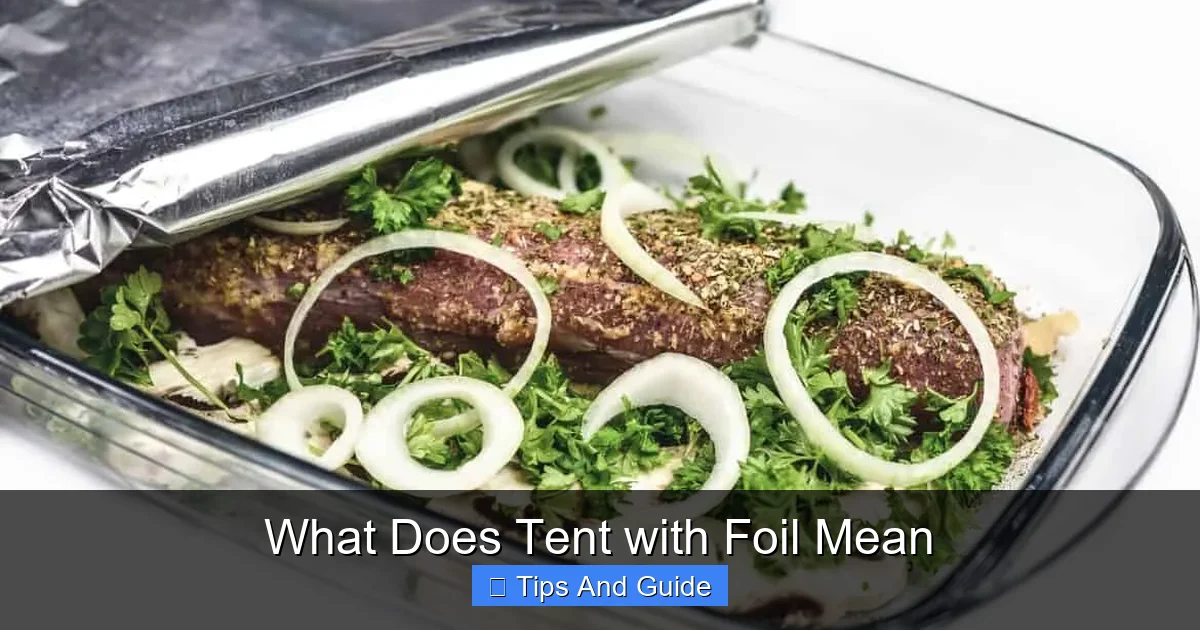
Tenting with foil is a simple yet essential baking technique that protects food from burning or drying out during long cooking times. Whether you’re roasting a turkey or baking a cake, this method ensures even cooking and golden perfection.
Key Takeaways
- Prevents Over-Browning: Tenting with foil shields the surface of food, stopping it from getting too dark while the inside finishes cooking.
- Retains Moisture: The foil trap creates a mini steam environment, keeping meats juicy and baked goods tender.
- Works for Many Foods: Use it on turkeys, roasts, casseroles, pies, and even cakes to control doneness.
- Easy to Apply: Simply drape loosely over the dish with the shiny side up—no need to seal tightly.
- Timing Matters: Add the foil during the last third of cooking or when you notice excessive browning.
- Not Just for Ovens: You can also tent with foil on grills or campfires for outdoor cooking control.
- Reusable & Eco-Friendly: Aluminum foil can be cleaned and reused, making it a sustainable kitchen tool.
[FEATURED_IMAGE_PLACEHOLDER]
What Does Tent with Foil Mean?
Ever pulled a beautiful roast out of the oven only to find the top burnt while the inside is still undercooked? That’s where tenting with foil comes in. This simple kitchen trick involves loosely covering food with aluminum foil during cooking to slow down browning and retain moisture. It’s a game-changer for anyone who loves baking or roasting but wants consistent, delicious results every time.
The term “tent” comes from the way the foil is draped—like a tent—over the food, not sealed tight. This allows steam to escape while still protecting the surface from direct heat. Whether you’re cooking a holiday turkey, a casserole, or even a delicate cake, tenting with foil gives you control over how your dish finishes. It’s one of those underrated techniques that separates good cooks from great ones.
Why Use Foil to Tent Food?
At first glance, tenting with foil might seem like an extra step—but it solves a common cooking problem: uneven doneness. In many recipes, the outside of the food cooks faster than the inside. Without protection, the surface can burn or dry out before the center reaches the right temperature. Foil acts as a shield, reflecting heat away from the top and allowing the interior to catch up.
Prevents Over-Browning
One of the biggest benefits of tenting is controlling color. Foods like bread, pies, and roasted meats develop a golden crust through the Maillard reaction—a chemical process that adds flavor. But too much heat turns that golden hue into an unappetizing dark brown. By tinting with foil, you preserve that perfect golden finish without sacrificing texture or taste.
Keeps Food Moist
Foil doesn’t just block heat—it traps moisture. When you tent a dish, steam builds up under the foil, creating a humid microclimate. This is especially helpful for lean meats like chicken breast or pork loin, which dry out easily. The result? Juicy, tender meat that stays flavorful from edge to center.
Extends Cooking Time Safely
Sometimes, you need more time to cook something through—but you don’t want the outside to suffer. Tenting lets you extend cooking without risk. For example, a large roast might need an extra 30 minutes in the oven. Without foil, the surface would burn. With it, you get even doneness and a beautiful presentation.
When Should You Tent with Foil?
Knowing when to tent is just as important as knowing how. You don’t want to cover food too early—or too late. The key is observation. Start checking your dish about two-thirds of the way through the recommended cooking time. If the surface is already golden or darkening quickly, it’s time to tent.
During Roasting
Roasts, whole chickens, and turkeys are prime candidates for tenting. These large cuts often have exposed surfaces that cook faster than the thickest parts. A loose foil tent after the first hour of roasting can make all the difference. For turkeys, many chefs recommend tenting the breast (the leanest part) while leaving the legs uncovered to ensure even doneness.
While Baking Cakes and Pies
Even desserts benefit from tenting. A fruit pie might have a bubbling filling but a crust that’s browning too fast. Covering the edges with foil—or the whole pie—lets the filling cook through without burning the crust. Similarly, dense cakes like pound cake can develop a hard top if not protected. For a detailed guide, check out how to tent a cake with foil to keep your bakes perfect every time.
On the Grill or Campfire
Tenting isn’t limited to the oven. When grilling meats or cooking over a campfire, foil tents help manage flare-ups and hot spots. They’re also great for slow-cooking delicate items like fish or vegetables. Just place the food on a sheet of foil, fold up the sides slightly, and cover with another sheet to form a tent. This method works well for outdoor adventures—even when you’re tent camping with a dog and need quick, controlled meals.
How to Properly Tent with Foil
Tenting with foil is simple, but there’s a right way to do it. The goal is to create space between the food and the foil so steam can circulate. Pressing the foil directly onto the surface can cause sogginess or uneven cooking.
Step-by-Step Guide
- Use Heavy-Duty Foil: Regular foil can tear when draped over large dishes. Heavy-duty holds its shape better and lasts longer.
- Crinkle It Slightly: Gently crumple the foil before placing it over the food. This creates air pockets and prevents sticking.
- Drape, Don’t Seal: Lay the foil loosely over the dish, allowing it to “tent” above the food. Don’t press it down or seal the edges unless the recipe calls for it.
- Shiny Side Up: While both sides work, placing the shiny side up helps reflect more heat, offering better protection.
- Check Frequently: Remove the foil during the last 10–15 minutes of cooking if you want a crispier top or deeper browning.
Common Mistakes to Avoid
One mistake is tenting too early. If you cover food from the start, it won’t develop a crust or golden color. Another is using too much foil, which can trap too much steam and make food soggy. Finally, avoid pressing the foil onto delicate items like custards or soufflés—it can collapse them.
Alternative Uses for Tenting with Foil
While most people associate tenting with foil with cooking, it has other clever uses in the kitchen and beyond. Its reflective and insulating properties make it surprisingly versatile.
Keeping Food Warm
After cooking, you can use foil to keep food warm for up to an hour. Simply tent the dish and place it in a warm oven (around 170°F or 75°C) or on a heated serving platter. This is perfect for dinner parties or holiday meals when timing is tight.
Protecting Delicate Ingredients
When baking layered cakes or delicate pastries, foil can protect specific areas. For example, if only the edges of a tart are browning too fast, cut a strip of foil and wrap just those parts. This targeted approach gives you precise control.
Outdoor and Emergency Use
Foil tents aren’t just for food. In survival situations, a large sheet of foil can be shaped into a solar reflector or emergency shelter. While not a replacement for a proper camping tent with vestibule, it can provide temporary shade or warmth. It’s also useful for DIY projects, like making a tent with paper for kids’ crafts or science experiments.
Eco-Friendly Tips for Using Foil
Aluminum foil is convenient, but it’s not always the most sustainable choice. The good news? It can be reused and recycled if handled properly.
Reuse When Possible
After use, rinse off food residue and let the foil dry. Smooth it out and store it for future use. One sheet can often be reused 2–3 times, especially for tenting, where it doesn’t touch food directly.
Recycle Correctly
Most recycling programs accept clean aluminum foil. Make sure it’s free of food scraps and crumpled into a ball (at least 2 inches wide) so it doesn’t get lost in the sorting process.
Consider Alternatives
For those looking to reduce foil use, silicone lids, oven-safe domes, or even inverted baking sheets can work as reusable tenting options. They’re more eco-friendly and just as effective for many dishes.
Final Thoughts
Tenting with foil is a small technique with a big impact. It’s the secret behind perfectly cooked roasts, golden pies, and moist cakes. By understanding when and how to use it, you can take your cooking to the next level—without fancy tools or complicated steps.
Whether you’re a home cook or a seasoned chef, this method is worth mastering. It’s simple, effective, and saves you from the frustration of burnt edges and undercooked centers. So next time you’re in the kitchen, keep a roll of foil handy. You might just find it’s one of your most useful tools.
FAQs
What does it mean to tent food with foil?
Tenting with foil means loosely covering food with aluminum foil during cooking to prevent over-browning and retain moisture. It’s commonly used in baking and roasting to ensure even doneness.
Do I put the shiny side of foil up or down when tenting?
Place the shiny side up. While both sides work, the reflective surface helps deflect heat more effectively, offering better protection for your food.
Can I tent with foil on a grill?
Yes! Tenting with foil works great on grills and campfires. It helps control heat and prevents flare-ups, especially when cooking delicate or large items.
How long should I leave the foil on?
Leave the foil on until the food is nearly done—usually during the last third of cooking. Remove it for the final 10–15 minutes if you want a crispier or more golden top.
Can I use parchment paper instead of foil for tenting?
Parchment paper isn’t ideal for tenting because it doesn’t reflect heat as well and can burn at high temperatures. Foil is the best choice for this technique.
Is tenting with foil safe for all types of ovens?
Yes, tenting with foil is safe for conventional, convection, and toaster ovens. Just avoid using it in microwave ovens, as metal can cause sparks.
This is a comprehensive guide about what does tent with foil mean.
Key Takeaways
- Understanding what does tent with foil mean: Provides essential knowledge
Frequently Asked Questions
What is what does tent with foil mean?
what does tent with foil mean is an important topic with many practical applications.
