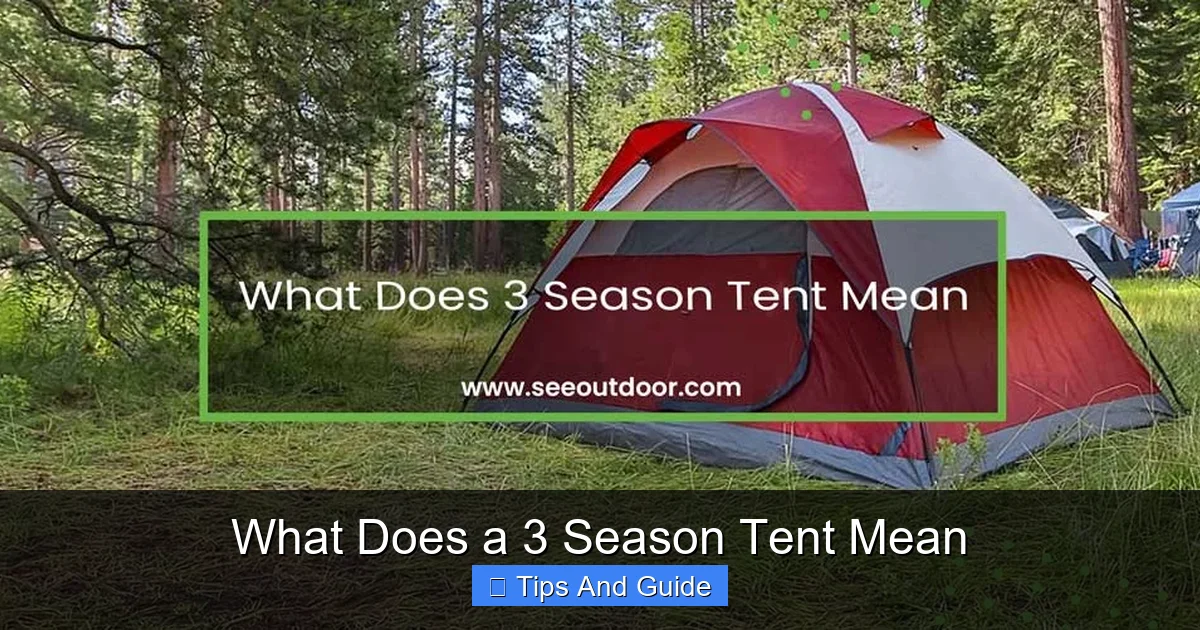
What Does a 3 Season Tent Mean
A 3 season tent is designed for use in mild weather—spring, summer, and fall—offering excellent ventilation, rain protection, and bug defense. It’s not built for heavy snow or extreme winter conditions, making it perfect for most casual campers and backpackers.
So, you’re planning your next camping trip—maybe a weekend in the woods, a backpacking trek through the mountains, or a family getaway by the lake. You’ve heard the term “3 season tent” thrown around, but what does it actually mean? Is it right for your adventure? And how is it different from a 4-season or summer-only tent?
Let’s clear things up. A 3 season tent is one of the most popular types of camping shelters for a reason. It’s built to handle the conditions most people encounter during the warmer months: spring showers, summer heat, and crisp fall nights. These tents strike a smart balance between protection, weight, and comfort, making them a go-to for campers who want reliability without overpacking.
But don’t let the name fool you—there’s more to a 3 season tent than just the seasons it covers. From materials and design to weight and setup, understanding what makes this tent tick will help you choose the right one for your needs. Whether you’re a first-time camper or a seasoned outdoor enthusiast, knowing the ins and outs of a 3 season tent ensures you stay dry, comfortable, and bug-free when nature calls.
Key Takeaways
- Designed for mild weather: A 3 season tent works best in spring, summer, and early fall when temperatures are moderate and snow is rare.
- Lightweight and breathable: These tents prioritize airflow and reduced weight, making them ideal for backpacking and warm-weather camping.
- Rain and bug protection: Most come with full-coverage rainflies and mesh panels to keep you dry and insect-free.
- Not for winter use: They lack the structural strength and insulation needed for snow, high winds, or freezing temperatures.
- Great for most campers: Whether you’re a weekend warrior or a thru-hiker, a 3 season tent is a versatile, reliable choice.
- Available in all sizes: From solo backpacking models to spacious family cabins, there’s a 3 season tent for every group size.
- Easy to set up: Many feature simple pole systems and color-coded clips for quick assembly—even in the dark.
📑 Table of Contents
What Exactly Is a 3 Season Tent?
At its core, a 3 season tent is a lightweight, versatile shelter designed for use in three of the four seasons: spring, summer, and fall. These are the times when the weather is generally mild—no heavy snow, extreme cold, or hurricane-force winds. Instead, you’re more likely to face rain, bugs, and fluctuating temperatures.
The design of a 3 season tent reflects these conditions. They typically feature large mesh panels for ventilation, a waterproof rainfly to shed rain, and a durable floor to protect against moisture from the ground. Most are made from lightweight materials like ripstop nylon or polyester, which keeps the overall weight down—especially important for backpackers.
Unlike 4-season tents, which are built to withstand snow loads and high winds, 3 season tents prioritize breathability and ease of use. They’re not meant for winter mountaineering or blizzard conditions, but for everything else? They’re perfect.
Common Features of 3 Season Tents
Most 3 season tents share a few key features that make them ideal for warm-weather camping:
- Mesh walls and ceilings: These allow for maximum airflow, reducing condensation and keeping the interior cool on hot nights.
- Full-coverage rainfly: A waterproof cover that extends over the entire tent, protecting against rain and dew.
- Vestibules: Covered areas outside the main entrance where you can store wet boots, backpacks, or cooking gear without bringing dirt inside.
- Freestanding design: Many can stand on their own with just the poles, making setup easier on rocky or sandy terrain.
- Easy setup: Color-coded poles, clips, and intuitive designs mean you can pitch your tent in minutes—even if it’s your first time.
When Should You Use a 3 Season Tent?
A 3 season tent shines during the warmer months when the biggest threats are rain, insects, and overheating—not snow or sub-zero temperatures. Think spring wildflower hikes, summer lake campsites, or autumn foliage trips. These are the perfect times to break out your 3 season tent.
For example, imagine camping in the Smoky Mountains in May. Days are warm, nights are cool, and afternoon thunderstorms are common. A 3 season tent with a good rainfly and mesh walls will keep you dry during the storm and comfortable when the sun comes out. The same goes for a summer backpacking trip in Yosemite or a fall camping weekend in Vermont.
However, if you’re planning a winter camping trip in the Rockies or a snowy backcountry adventure, a 3 season tent won’t cut it. The fabric isn’t insulated, the poles aren’t reinforced for snow load, and the design doesn’t block wind effectively. In those cases, you’ll want a 4-season tent.
Ideal Conditions for 3 Season Tents
- Temperatures above freezing (32°F / 0°C)
- Light to moderate rain
- Bug-heavy environments (thanks to mesh panels)
- Windy but not extreme conditions
- Campsites with established ground (not snow or ice)
3 Season vs. 4 Season Tents: What’s the Difference?
It’s easy to get confused between 3 season and 4 season tents, especially since both can handle rain and wind. But the key difference lies in their intended use and construction.
A 4 season tent is built for winter. It has stronger poles, a more aerodynamic shape to cut through wind, and heavier fabric that blocks cold air and retains heat. It often has fewer mesh panels and a full-coverage rainfly that seals out snow. These tents are heavier and more expensive, but necessary for serious winter camping.
In contrast, a 3 season tent is lighter, more breathable, and better suited for mild weather. It’s not designed to hold up under a foot of snow or 50 mph winds. But for 90% of camping trips, it’s more than enough.
Quick Comparison
- Weight: 3 season tents are lighter (great for backpacking); 4 season tents are heavier (better for base camps).
- Ventilation: 3 season tents have more mesh; 4 season tents have less to retain heat.
- Durability: 4 season tents use stronger materials to handle snow and wind.
- Cost: 3 season tents are generally more affordable.
Choosing the Right 3 Season Tent for Your Needs
Not all 3 season tents are created equal. The best one for you depends on how and where you plan to camp. Are you backpacking solo? Camping with your family? Hosting a group of friends?
For backpackers, weight and packability are king. Look for a lightweight 3 season tent like the best 3 season 2 person backpacking tent, which balances space and portability. These often weigh under 4 pounds and pack down small.
Families or car campers have more flexibility. You can go for a spacious cabin-style tent with room to stand, like the best 3 season 8 person tent, which offers plenty of space for gear and people. These are heavier but much more comfortable for longer stays.
If you’re on a budget, don’t worry—there are great options that won’t break the bank. Check out the best budget 3 season tent for affordable models that still offer solid protection and durability.
Key Factors to Consider
- Capacity: Choose a tent rated for one more person than you actually need (e.g., a 3-person tent for two people) for extra comfort.
- Weight: Backpackers should aim for under 5 lbs; car campers can go heavier.
- Setup: Look for quick-pitch designs if you hate fumbling with poles.
- Weather resistance: Check the hydrostatic head rating (2000mm+) for rain protection.
- Vestibules: More storage space means less clutter inside.
Tips for Getting the Most Out of Your 3 Season Tent
Once you’ve picked the perfect tent, a few smart habits can extend its life and improve your camping experience.
First, always practice setting up your tent at home before heading out. There’s nothing worse than arriving at camp in the dark and realizing you forgot how the poles go together.
Second, use a footprint or tarp under your tent to protect the floor from rocks, roots, and moisture. This simple step can prevent tears and leaks.
Third, keep the rainfly on during damp or dewy mornings—even if it’s not raining. Morning condensation can soak through mesh and make you wet from below.
Finally, store your tent dry and loosely packed. Never stuff it wet into its bag, and avoid compressing it for long periods, which can damage the fabric.
Conclusion
A 3 season tent is the workhorse of the camping world—reliable, versatile, and built for the conditions most of us actually face. Whether you’re hiking deep into the backcountry or setting up camp at a family-friendly site, this type of tent offers the right mix of protection, comfort, and ease of use.
It’s not meant for winter extremes, but for spring, summer, and fall adventures, it’s hard to beat. With so many options available—from ultralight backpacking models to roomy family cabins—there’s a 3 season tent out there for every camper.
So next time you’re gearing up for a trip, ask yourself: what kind of weather am I expecting? If it’s mild, rainy, or buggy—but not snowy—your 3 season tent is ready to go. Just pack it right, set it up smart, and enjoy the great outdoors in comfort.
Frequently Asked Questions
Can a 3 season tent handle snow?
No, a 3 season tent is not designed for snow. The poles and fabric aren’t strong enough to support snow load, and the lack of insulation makes it unsafe in freezing conditions. Use a 4-season tent for winter camping.
Is a 3 season tent waterproof?
Yes, most 3 season tents come with a waterproof rainfly and sealed seams. However, prolonged exposure to heavy rain can overwhelm the fabric, so always use a footprint and pitch it on high ground.
Can I use a 3 season tent in the winter?
It’s not recommended. While it might survive a light dusting of snow, it won’t protect you from cold, wind, or heavy snowfall. Winter camping requires a 4-season tent for safety.
What’s the difference between a 3 season and summer tent?
A summer tent is usually lighter and has more mesh, but may lack a full rainfly. A 3 season tent includes rain protection and is better for unpredictable spring and fall weather.
How much should I spend on a 3 season tent?
Prices range from $100 to $500+. Budget options work for casual campers, while higher-end models offer better materials, lighter weight, and advanced features for backpackers.
Do I need a vestibule on my 3 season tent?
Highly recommended. A vestibule gives you covered space to store wet gear, cook, or change clothes without tracking dirt into the main tent—especially useful in rain or mud.