What Do You Need When Camping in a Tent
Whether you’re a first-time camper or a seasoned outdoor enthusiast, knowing what you need when camping in a tent is essential for a safe, comfortable, and enjoyable experience. This guide covers everything from choosing the right tent to packing smart, staying warm or cool, and avoiding common pitfalls—so you can focus on making memories under the stars.
Key Takeaways
- Choose the right tent: Match your tent size, type, and features to your camping style and weather conditions.
- Invest in a quality sleep system: A sleeping bag, sleeping pad, and pillow are crucial for comfort and warmth.
- Pack essential gear: Include a flashlight, first aid kit, cooking tools, and clothing suited to the climate.
- Stay safe and dry: Use a footprint, seam sealant, and waterproofing techniques to protect your tent from moisture.
- Manage temperature wisely: Learn how to stay warm in cold weather and cool in hot climates using proper ventilation and insulation.
- Practice Leave No Trace principles: Respect nature by packing out trash, minimizing campfire impact, and setting up camp responsibly.
- Test your gear beforehand: Always set up your tent at home to avoid surprises in the wilderness.
📑 Table of Contents
What Do You Need When Camping in a Tent? A Complete Guide
Camping in a tent is one of the most rewarding ways to connect with nature. Whether you’re escaping to the mountains, forests, or lakeside campsites, the experience offers peace, adventure, and a break from daily routines. But to truly enjoy your time outdoors, you need more than just a tent and a sense of adventure. Knowing what you need when camping in a tent can make the difference between a miserable night and a restful, fun-filled trip.
From the right shelter to the smallest detail like a reliable flashlight, every item plays a role. This guide walks you through the essentials, offering practical tips and expert advice to help you prepare like a pro. Whether you’re camping solo, with family, or in a group, we’ve got you covered.
1. Choosing the Right Tent
The tent is the heart of your camping setup. Picking the wrong one can lead to discomfort, leaks, or even safety issues. So, what should you look for?
Size and Capacity
Tents are labeled by the number of people they can sleep—like 2-person or 4-person tents. But don’t take those numbers at face value. A “2-person” tent often feels cramped with two adults and their gear. For comfort, consider sizing up. If you’re camping with a partner, a 3-person tent gives you extra space for backpacks and movement.
Tent Type and Design
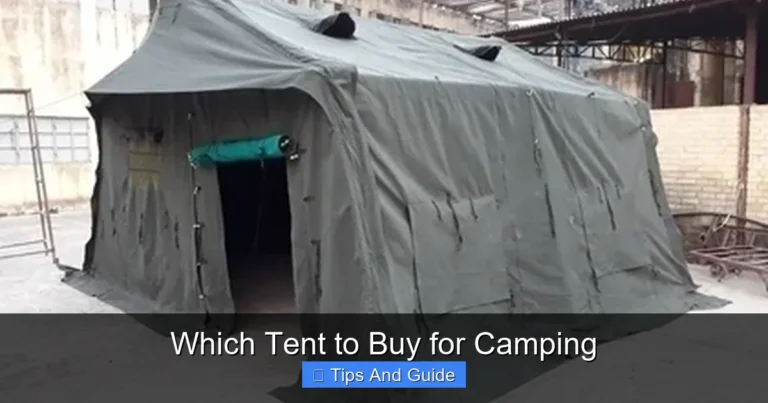
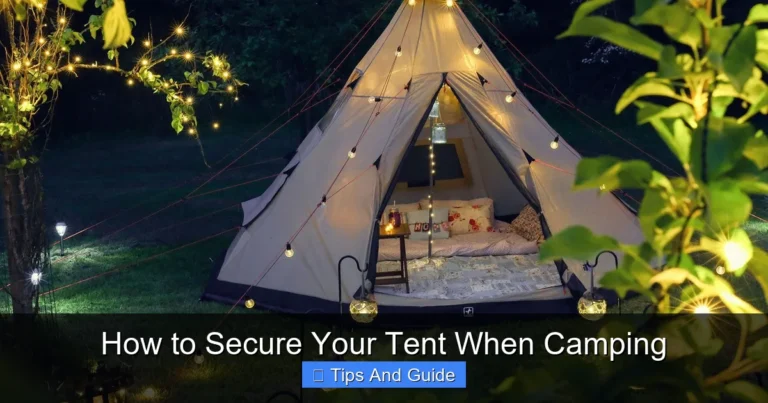
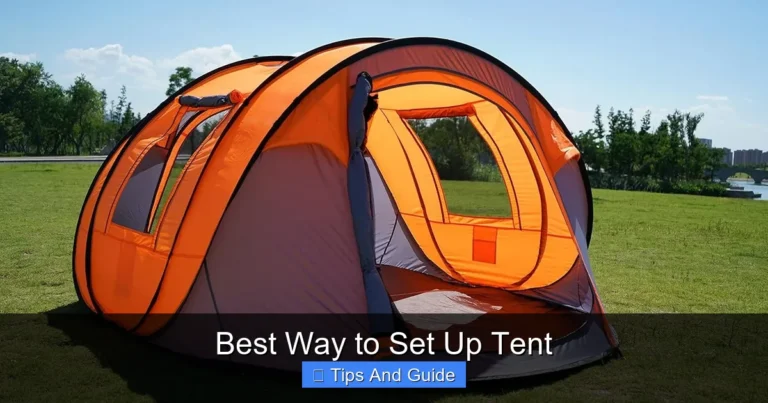
There are several tent styles: dome, cabin, backpacking, and A-frame tents. Dome tents are popular for their stability and ease of setup. Cabin tents offer more headroom and are great for car camping. If you’re hiking in, a lightweight backpacking tent is ideal. For a classic look, an A-frame camping tent offers simple design and good wind resistance.
Weather Resistance
Always check the tent’s waterproof rating (measured in millimeters). A rating of 1,500mm or higher is good for light rain, while 3,000mm+ is better for heavy storms. Look for a full-coverage rainfly and sealed seams. If you’re camping in wet conditions, consider how to seam seal a tent for extra protection.
2. Essential Sleep System
A good night’s sleep is vital when camping. Without it, even the most beautiful scenery can’t save a grumpy morning.
Sleeping Bag
Choose a sleeping bag rated for the lowest temperature you expect. For summer camping, a 40°F (4°C) bag is usually enough. For winter trips, go for 0°F (-18°C) or lower. Down bags are lightweight and warm but lose insulation when wet. Synthetic bags are bulkier but perform better in damp conditions.
Sleeping Pad or Mattress
A sleeping pad isn’t just for comfort—it insulates you from the cold ground. Foam pads are affordable and durable, while inflatable pads offer more cushioning. For the ultimate comfort, check out the best beds for camping in a tent that combine support and portability.
Pillow and Liner
Don’t forget a small camping pillow or use a stuff sack filled with clothes. A sleeping bag liner adds warmth and keeps your bag clean. It’s a small item that makes a big difference.
3. Shelter Protection and Setup
Your tent needs protection from the elements—and from wear and tear.
Tent Footprint or Ground Tarp
A footprint is a lightweight tarp that goes under your tent to prevent abrasion and moisture from seeping up. It extends the life of your tent floor and keeps you dry. Always cut it slightly smaller than your tent base to avoid water pooling underneath.
Proper Pitching
Learn how to pitch a tent correctly. Start on level, debris-free ground. Use guylines and stakes to secure the tent in windy conditions. Practice at home so you’re not fumbling in the dark at the campsite.
Waterproofing and Maintenance
Even the best tents need care. Before your trip, apply a waterproof spray to the rainfly and seams. After camping, clean and dry your tent thoroughly to prevent mold. For long-term storage, keep it loose—not compressed—in a breathable bag.
4. Clothing and Personal Gear
What you wear matters just as much as what you sleep in.
Layering for Weather
Dress in layers: a moisture-wicking base layer, an insulating mid-layer (like fleece), and a waterproof outer shell. Avoid cotton—it stays wet and makes you cold. Pack extra socks and underwear; they’re small but essential.
Footwear
Bring sturdy hiking boots for trails and camp shoes (like sandals or sneakers) for relaxing at the site. Wet feet can ruin a trip, so keep your boots dry and consider waterproofing them.
Personal Items
Don’t forget toiletries, sunscreen, insect repellent, and a quick-dry towel. A small mirror, toothbrush, and biodegradable soap are must-haves. For hygiene, pack hand sanitizer and wet wipes.
5. Cooking and Food Supplies
Eating well keeps your energy up and your mood high.
Cooking Equipment
A portable camping stove, fuel, lighter, and cookware are basics. For car campers, a small grill or Dutch oven adds versatility. Don’t forget utensils, a cutting board, and a sponge for cleaning.
Food and Storage
Plan simple meals: oatmeal for breakfast, sandwiches for lunch, and one-pot dinners like chili or pasta. Use airtight containers to keep food fresh and prevent attracting animals. Store food in a bear-proof container or hang it from a tree if required.
Water and Hydration
Bring enough water or a filtration system. A 1-liter bottle per person per day is a minimum. Collapsible water containers save space. For long trips, consider a gravity filter or purification tablets.
6. Safety, Lighting, and Extras
Being prepared means thinking ahead.
Lighting
A headlamp is hands-free and perfect for nighttime tasks. Bring extra batteries or a rechargeable model. String lights or lanterns create a cozy campsite vibe.
First Aid Kit
Include bandages, antiseptic, tweezers, pain relievers, and any personal medications. Add a small guidebook for treating common injuries like cuts, sprains, or insect bites.
Navigation and Communication
Carry a map and compass—even if you have GPS. Cell service is unreliable in remote areas. A whistle and signal mirror can help in emergencies.
Extras for Comfort
Bring a camp chair, foldable table, or hammock. A small book, cards, or a journal can enhance downtime. For families, a frisbee or flashlight tag keeps kids entertained.
Staying Comfortable in Any Weather
Weather can change fast, so adaptability is key.
Staying Warm
In cold weather, wear warm clothes to bed and use a hot water bottle in your sleeping bag. A quality sleeping pad is crucial—check out how to stay warm while camping in a tent for more tips. Avoid breathing into your sleeping bag, as moisture builds up and reduces insulation.
Staying Cool
In summer, choose a tent with mesh panels for airflow. Sleep with the rainfly off if it’s dry. Use a battery-powered fan or cooling towel. For more ideas, see how to stay cool when camping in a tent.
Managing Condensation
Condensation forms when warm, moist air hits cold tent walls. Ventilate by opening vents or slightly cracking the door. Use a towel to wipe down wet surfaces in the morning.
Conclusion
Camping in a tent is an adventure that rewards preparation. By knowing what you need when camping in a tent—from a reliable shelter and sleep system to safety gear and weather-smart clothing—you set yourself up for success. Take time to test your gear, pack thoughtfully, and respect the environment. With the right setup, your tent becomes more than just a shelter—it becomes your home away from home, where stories are made and memories last a lifetime.
Frequently Asked Questions
What is the most important thing to bring when camping in a tent?
The most important thing is a properly pitched, weather-appropriate tent. Without shelter, you’re exposed to the elements, which can lead to discomfort or danger. Pair it with a good sleeping bag and pad for safety and rest.
Do I need a tent footprint?
Yes, a footprint protects your tent floor from rocks, roots, and moisture. It extends the life of your tent and helps keep you dry. Always use one that’s slightly smaller than your tent base.
How do I keep my tent from getting wet inside?
Use a rainfly, seam seal your tent, and avoid bringing wet gear inside. Keep the tent ventilated to reduce condensation. Never cook or use wet clothes inside the tent.
Can I use a regular mattress in a tent?
It’s not recommended. Regular mattresses are heavy, bulky, and hard to transport. Instead, use a camping-specific air mattress or sleeping pad designed for outdoor use.
How do I stay warm in a tent during winter?
Use a four-season tent, a sleeping bag rated for low temperatures, and a high-R-value sleeping pad. Wear warm layers, use a hot water bottle, and eat high-calorie foods to generate body heat.
What should I do if it rains while camping?
Stay in your tent and keep gear dry. Use a tarp over the tent for extra protection. Avoid touching wet walls to prevent water from seeping in. Wait it out, and dry everything once the rain stops.