What Do You Need to Go Camping in a Tent
Going camping in a tent is one of the most rewarding outdoor experiences, but it requires the right gear and preparation. This guide covers everything you’ll need—from your tent and sleeping gear to clothing, cooking supplies, and safety essentials—so you can enjoy nature without the stress.
So, you’ve decided to go camping in a tent—awesome! There’s nothing quite like falling asleep under the stars, waking up to birdsong, and breathing in that fresh mountain or forest air. But before you pitch that tent and toast marshmallows over a crackling fire, it’s important to know exactly what you need to go camping in a tent. Whether you’re a first-timer or brushing off the cobwebs from an old tent, this guide will walk you through every essential item and smart tip to make your trip safe, comfortable, and fun.
Camping doesn’t have to be complicated, but skipping key gear can turn a peaceful getaway into a chilly, uncomfortable ordeal. From choosing the right tent to packing the perfect sleep system, every detail matters. The good news? With a little planning, you’ll be ready to enjoy nature like a pro. Let’s dive into the complete checklist of what you need to go camping in a tent—so you can focus on the adventure, not the stress.
Key Takeaways
- Tent and shelter: Choose a weather-appropriate, properly sized tent with a rainfly and footprint for protection.
- Sleep system: A sleeping bag rated for the season, sleeping pad, and pillow ensure comfort and warmth through the night.
- Clothing and footwear: Pack moisture-wicking layers, rain gear, and sturdy hiking shoes to stay dry and comfortable.
- Cooking and food supplies: Bring a portable stove, fuel, utensils, and easy-to-prepare meals for hassle-free camp cooking.
- Safety and navigation: Always carry a first-aid kit, headlamp, map, compass, and emergency whistle.
- Personal items and hygiene: Don’t forget toiletries, sunscreen, bug spray, and a small trowel for waste disposal.
- Extras for comfort: Consider a camp chair, lantern, and power bank to enhance your experience.
📑 Table of Contents
1. Your Tent and Shelter Essentials
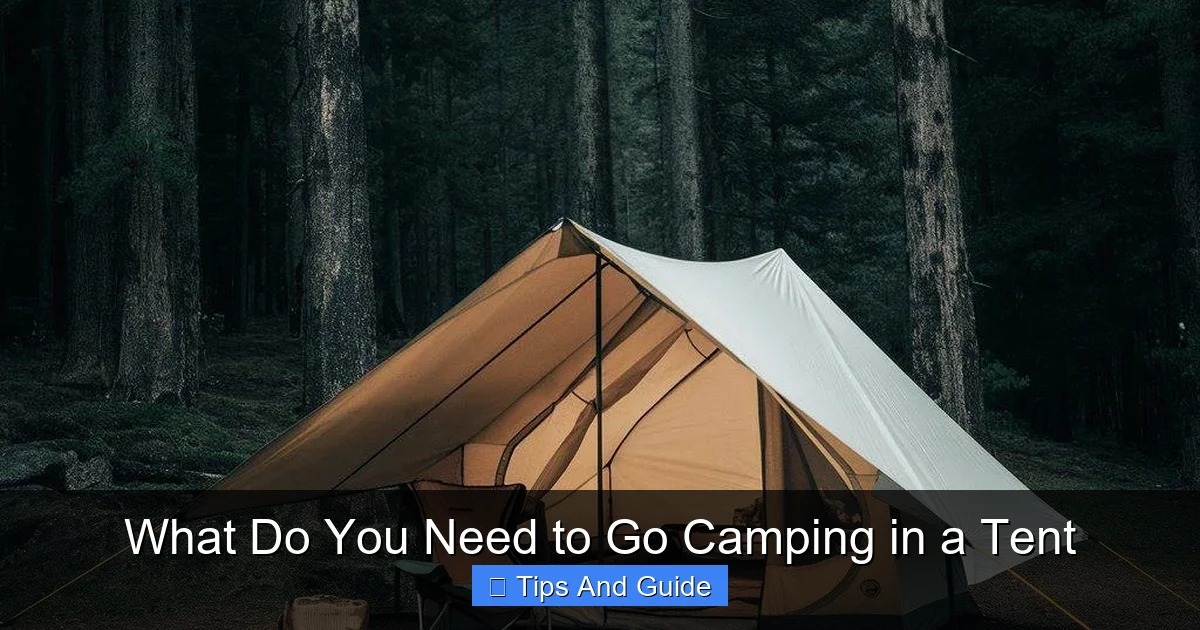
The heart of any camping trip is your tent. It’s your home away from home, your shelter from wind, rain, and bugs. When selecting a tent, consider the season, number of people, and type of camping you’ll be doing.
Choosing the Right Tent
For summer camping, a 3-season tent is ideal—it’s lightweight, ventilated, and handles rain well. If you’re camping in winter or at high elevations, look for a 4-season tent designed to withstand snow and strong winds. Make sure the tent is rated for the number of people who’ll sleep in it—don’t squeeze three people into a 2-person tent.
Don’t Forget the Rainfly and Footprint
Most tents come with a rainfly, but always double-check. This waterproof cover goes over the top of your tent and is critical for staying dry in wet weather. A footprint—a durable ground cloth—goes under your tent to protect the floor from rocks, roots, and moisture. It’s a small investment that can extend the life of your tent.
Stakes, Guylines, and a Mallet
Bring extra tent stakes (preferably metal or aluminum), guylines for windy conditions, and a small mallet to drive stakes into hard ground. If you’re backpacking, lightweight stakes save space and weight.
2. Sleep System: Comfort Through the Night
A good night’s sleep is crucial when you’re camping. Without the right sleep system, you could wake up cold, sore, or restless—no fun after a long day of hiking.
Sleeping Bag: Match It to the Season
Your sleeping bag should match the expected temperatures. Look for a bag with a temperature rating that’s at least 10°F lower than the coldest night you expect. Down bags are lightweight and warm but lose insulation when wet. Synthetic bags are heavier but perform better in damp conditions.
Sleeping Pad for Insulation and Cushioning
A sleeping pad isn’t just for comfort—it insulates you from the cold ground. Foam pads are affordable and durable, while inflatable pads offer more cushioning and pack smaller. For extra warmth, consider a double-layer system: a foam pad under an inflatable one.
Pillow and Sleepwear
Don’t underestimate the power of a good pillow. Inflatable camping pillows are compact and surprisingly comfy. Wear clean, dry sleepwear—cotton can trap moisture, so opt for moisture-wicking fabrics like merino wool or synthetic blends.
For more tips on staying cozy, check out our guide on the best way to sleep comfortably in a tent.
3. Clothing and Footwear: Dress for Success
What you wear while camping matters just as much as your gear. The right clothing keeps you dry, warm, and protected from the elements.
Layering Is Key
Use the layering system: a base layer (moisture-wicking), mid layer (insulating, like fleece), and outer layer (weatherproof shell). This lets you adjust to changing temperatures throughout the day.
Rain Gear and Extra Socks
Pack a waterproof jacket and pants—even if the forecast looks clear. Wet clothes can lead to hypothermia in cool weather. Bring at least two pairs of wool or synthetic socks; keep one pair dry for sleeping.
Sturdy Footwear
Wear broken-in hiking boots or trail shoes with good grip and ankle support. Avoid wearing new boots on a long trip—blisters are no joke. Sandals or camp shoes are great for relaxing at the site.
4. Cooking and Food Supplies
Eating well while camping boosts energy and morale. With the right setup, you can enjoy hot meals even in the backcountry.
Portable Stove and Fuel
A compact camping stove is essential unless you’re allowed to build a fire. Canister stoves are easy to use; liquid fuel stoves work better in cold weather. Always bring extra fuel—better safe than sorry.
Cookware and Utensils
A lightweight pot, pan, and spork or camping utensil set are usually enough. For coffee lovers, a portable French press or instant coffee packets are lifesavers. Don’t forget a mug and bowl.
Food and Water
Pack non-perishable, easy-to-cook meals like oatmeal, dehydrated dinners, or canned goods. Bring a water filter or purification tablets if you’ll be sourcing water from lakes or streams. Always carry at least 2 liters of water per person per day.
5. Safety, Lighting, and Navigation
Safety should never be an afterthought. Being prepared for emergencies ensures you can handle unexpected situations calmly.
First-Aid Kit
Include bandages, antiseptic wipes, tweezers, pain relievers, and any personal medications. Customize your kit based on your group size and trip length.
Lighting: Headlamps and Lanterns
A headlamp keeps your hands free for setting up camp or cooking at night. Bring extra batteries or a rechargeable model. A small lantern adds ambient light for the whole site.
Map, Compass, and Emergency Whistle
Even with GPS, always carry a physical map and compass. They don’t run out of battery. An emergency whistle can signal for help if you get lost or injured.
6. Personal Items and Camp Comfort
Small details make a big difference in your camping experience. Don’t overlook personal care and comfort items.
Toiletries and Hygiene
Pack biodegradable soap, toothbrush, toothpaste, hand sanitizer, and toilet paper. Use a small trowel to dig a cathole (6–8 inches deep) for human waste, at least 200 feet from water sources.
Sun and Bug Protection
Sunscreen, sunglasses, and a wide-brimmed hat protect against UV rays. Insect repellent with DEET or picaridin keeps mosquitoes and ticks at bay. A bug net can be a lifesaver in buggy areas.
Extras for a Better Experience
A lightweight camp chair, foldable table, or hammock adds comfort. A power bank keeps your phone charged for photos or emergencies. And don’t forget a good book or deck of cards for downtime.
If you’re camping in hot weather, learn how to stay cool with our tips on how to stay cool while camping in a tent. For cold nights, see our guide on the best way to keep warm in a tent.
Final Tips for a Successful Trip
Before you head out, test your gear at home. Set up your tent in the backyard, check your stove, and make sure your sleeping bag fits comfortably. Pack everything in waterproof bags or dry sacks to keep it dry in case of rain.
Always check the weather forecast and park regulations. Let someone know your itinerary and expected return time. And remember: leave no trace. Pack out all trash, respect wildlife, and minimize your impact on the environment.
With the right preparation, camping in a tent can be one of the most refreshing and rewarding experiences you’ll ever have. So grab your gear, breathe deep, and enjoy the great outdoors—one campsite at a time.
Frequently Asked Questions
What size tent do I need for two people?
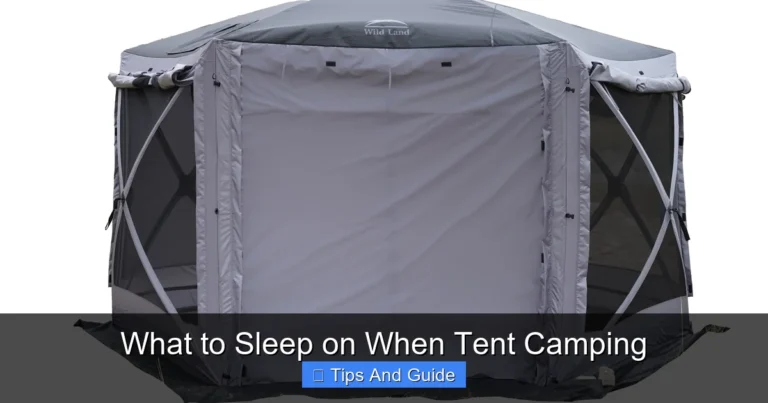
A 3-person tent is ideal for two people, giving you extra space for gear. A 2-person tent works if you’re backpacking and need to save weight, but it will feel snug.
Can I use a regular sleeping bag for camping?
Yes, but make sure it’s rated for the expected temperatures. A summer sleeping bag won’t keep you warm in fall or winter conditions.
Do I need a tent footprint?
Yes, a footprint protects your tent floor from abrasion and moisture. It’s a small cost that can significantly extend your tent’s lifespan.
How do I keep my tent from getting wet inside?
Use a rainfly, avoid bringing wet gear inside, and ensure good ventilation to reduce condensation. Check out our guide on how to stop condensation in a tent for more tips.
What’s the best way to pack a tent for backpacking?
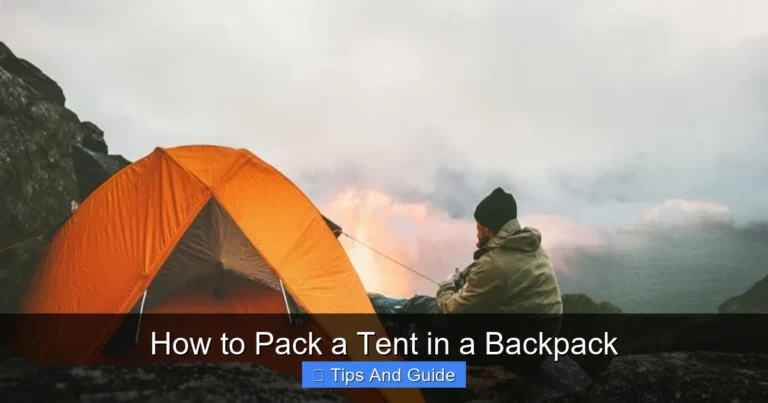
Roll it tightly with the rainfly and stakes in a separate stuff sack. Use compression straps to save space. See our guide on the best way to pack a tent in a backpack for detailed steps.
Can I camp in a tent during winter?
Yes, but you’ll need a 4-season tent, a winter-rated sleeping bag, and proper insulation. Learn more in our article on how to winter camp in a tent.