What Do You Need to Camp in a Tent
Whether you’re a first-time camper or a seasoned adventurer, knowing what you need to camp in a tent is essential for a safe and enjoyable experience. This guide covers all the must-have gear, smart packing tips, and practical advice to help you sleep soundly under the stars—rain or shine.
Key Takeaways
- Choose the right tent: Match your tent size, season rating, and weight to your camping style and group size.
- Sleep comfortably: A quality sleeping bag, sleeping pad, and pillow are non-negotiable for restful nights.
- Pack smart with essentials: Include a headlamp, first aid kit, cookware, and weather-appropriate clothing.
- Stay dry and ventilated: Prevent condensation and leaks by setting up your tent properly and using a groundsheet.
- Plan for food and water: Bring a portable stove, utensils, and a reliable water filtration system.
- Respect nature: Follow Leave No Trace principles to minimize your environmental impact.
- Test gear beforehand: Practice setting up your tent and using your equipment at home to avoid surprises.
📑 Table of Contents
Introduction to Tent Camping
Tent camping is one of the most rewarding ways to connect with nature. Whether you’re escaping to a national park, setting up near a serene lake, or backpacking into the backcountry, sleeping under canvas gives you freedom, flexibility, and a sense of adventure. But before you pitch your first tent, it’s important to know exactly what you need to camp in a tent comfortably and safely.
Many beginners assume that a tent and a sleeping bag are all it takes—but successful camping involves thoughtful preparation. From choosing the right gear to understanding how to stay warm, dry, and bug-free, every detail matters. The good news? With the right checklist and a little know-how, anyone can enjoy a smooth and stress-free camping trip. This guide walks you through every essential item and smart tip so you can focus on stargazing, hiking, and making memories—not troubleshooting gear failures at midnight.
Choosing the Right Tent
Your tent is your home away from home, so picking the right one is crucial. Start by considering how many people will sleep inside. A 2-person tent is cozy for couples, but if you like space for gear or pets, go one size up. For families, a 4- or 6-person cabin-style tent offers room to stand and move around.
Tent Season Ratings
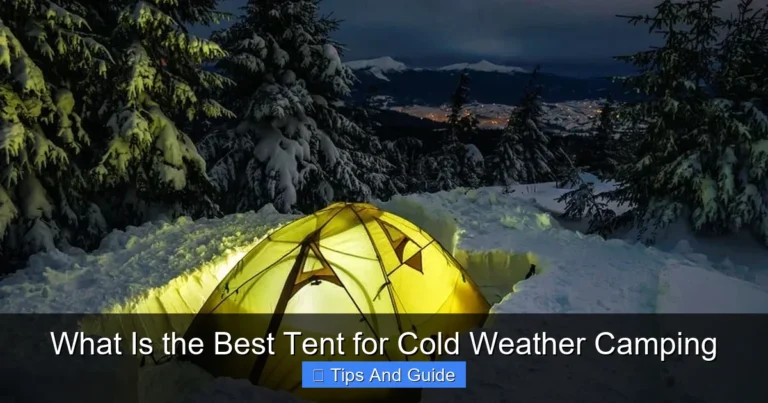
Tents come in 3-season, 4-season, and all-season models. A 3-season tent is perfect for spring, summer, and fall—it’s lightweight, ventilated, and handles rain well. If you’re camping in winter or high-altitude areas, a 4-season tent is built to withstand snow, wind, and freezing temps. Always check the weather forecast and match your tent to the conditions.
Weight and Portability
Backpackers need ultralight tents (under 3 lbs per person), while car campers can prioritize comfort over weight. Look for features like quick setup, durable materials, and a full-coverage rainfly. Don’t forget to practice pitching your tent at home—this saves time and frustration at the campsite.
Sleep System Essentials
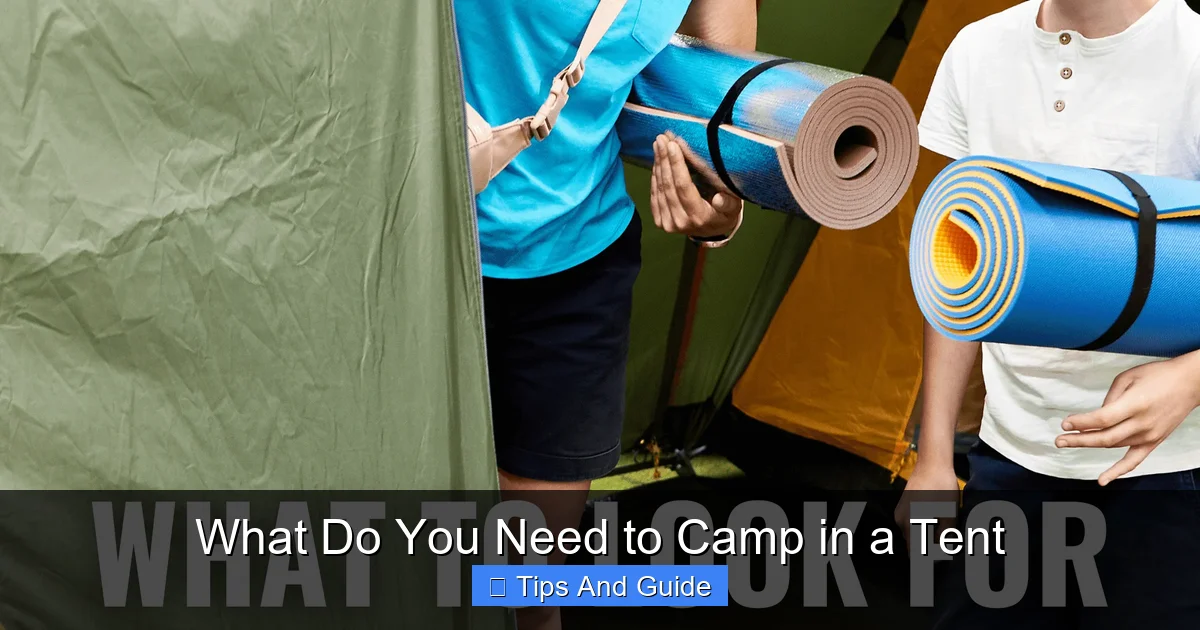
A good night’s sleep is key to enjoying your trip. Your sleep system includes your sleeping bag, sleeping pad, and pillow. Together, they keep you warm, dry, and comfortable—even on uneven ground.
Sleeping Bag
Choose a bag rated for the lowest temperature you expect. Down bags are lightweight and pack small but lose insulation when wet. Synthetic bags are bulkier but perform better in damp conditions. Mummy bags offer the best warmth-to-weight ratio, while rectangular bags give more room to stretch.
Sleeping Pad
A sleeping pad isn’t just for comfort—it insulates you from the cold ground. Foam pads are affordable and durable, while inflatable pads offer superior cushioning. Look for an R-value of at least 3 for three-season camping; higher values are better for cold weather. Pairing a foam pad with an inflatable one gives you backup in case of a leak.
Pillow and Liner
Don’t skip the pillow! A compact camping pillow or a stuff sack filled with clothes can make a big difference. A sleeping bag liner adds warmth and keeps your bag clean. For extra coziness, consider a fleece liner in colder months.
For more tips on getting a great night’s rest, check out our guide on the best way to sleep comfortably in a tent.
Shelter and Weather Protection
Even the best tent won’t keep you dry if it’s not set up properly. Start with a groundsheet or footprint under your tent to prevent moisture and abrasion. This thin tarp protects the floor and extends your tent’s life.
Dealing with Rain and Wind
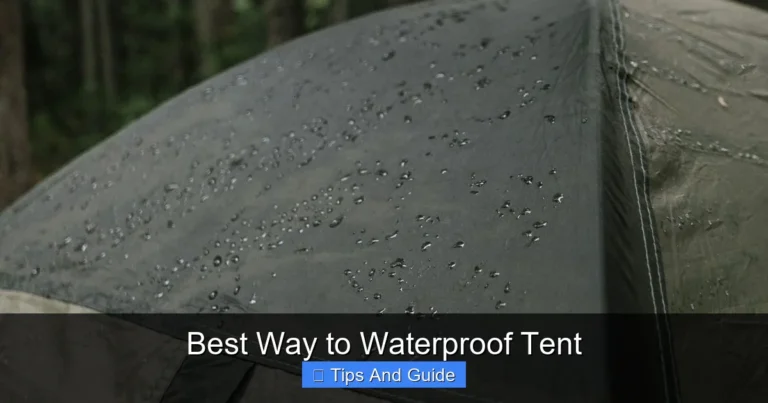
Always pitch your tent with the door facing away from the wind. Use all guylines and stakes to secure it, especially in exposed areas. If rain is expected, make sure your rainfly is taut and covers the entire tent—no sagging fabric that can collect water.
Managing Condensation
Condensation happens when warm, moist air from your breath meets the cold tent walls. To reduce it, ventilate by cracking vents or doors slightly. Avoid bringing wet gear inside, and never cook or boil water in your tent. For more strategies, read our article on how to stop condensation in a tent.
Winter and Cold Weather Tips
Camping in cold weather requires extra preparation. Use a four-season tent, a sleeping bag rated for sub-zero temps, and a high-R-value sleeping pad. Wear warm base layers to bed and consider a hot water bottle for extra heat. For detailed advice, explore our guide on how to winter camp in a tent.
Cooking and Food Supplies
Eating well while camping boosts energy and morale. Bring a portable camping stove—propane, butane, or liquid fuel—depending on your trip length and altitude. Match your stove to your cooking style: canister stoves are easy for boiling water, while liquid fuel stoves work better in cold weather.
Cookware and Utensils
A basic kit includes a pot, pan, spatula, and reusable plates and cups. Look for nesting sets to save space. Don’t forget a lightweight mug for morning coffee! For cleanup, pack biodegradable soap, a small sponge, and a collapsible basin.
Food Storage and Safety
Store food in bear-proof containers or hang it from a tree if you’re in bear country. Keep your cooking area at least 200 feet from your tent to avoid attracting wildlife. Use a cooler with ice packs for perishables, or opt for dehydrated meals to save space and weight.
Water and Hydration
Always bring more water than you think you’ll need. A water filter or purification tablets let you refill from streams and lakes safely. Collapsible water bottles or hydration bladders are great for saving space. For longer trips, consider a gravity filter system.
Lighting, Safety, and Extras
When the sun goes down, reliable lighting is a must. A headlamp keeps your hands free for setting up camp or reading at night. Bring extra batteries or a rechargeable model with a USB port. String up LED lanterns inside your tent for ambient light.
First Aid and Emergency Kit
Pack a compact first aid kit with bandages, antiseptic, tweezers, pain relievers, and any personal medications. Include a whistle, fire starter, and a small multi-tool. Let someone know your itinerary and expected return time.
Clothing and Footwear
Dress in layers: moisture-wicking base layers, insulating mid-layers (like fleece), and a waterproof outer shell. Avoid cotton—it stays wet and loses warmth. Bring extra socks and a change of clothes in a waterproof bag. Sturdy, broken-in hiking boots are essential for comfort and safety.
Personal Items and Comfort
Don’t forget toiletries, sunscreen, insect repellent, and a small towel. A camp chair and a book or journal can make downtime more enjoyable. If you’re camping with a pet, check out our tips on how to tent camp with a dog to keep them safe and happy.
Packing and Organization
Smart packing saves time and stress. Use stuff sacks or packing cubes to group items by category: cooking, clothing, sleep system, etc. Keep essentials like your headlamp, map, and snacks in an easily accessible pocket. Practice the best way to pack a tent in a backpack if you’re hiking to your site.
Label your gear and do a final check before leaving. Test your stove, charge your devices, and double-check the weather. A little prep goes a long way toward a smooth adventure.
Conclusion
Knowing what you need to camp in a tent transforms a potentially overwhelming experience into a fun, relaxing escape. From choosing the right tent and sleep system to packing smart and staying safe, every detail contributes to your comfort and enjoyment. With the right gear and a bit of preparation, you’ll be ready to embrace the outdoors with confidence.
Remember, camping is about more than just survival—it’s about slowing down, connecting with nature, and creating lasting memories. So pack your bags, double-check your list, and head out with excitement. The wilderness is waiting!
Frequently Asked Questions
What is the most important thing to bring when camping in a tent?
The most important item is a properly sized, weather-appropriate tent. Without shelter, you’re exposed to the elements, which can lead to discomfort or danger. Pair it with a good sleeping bag and pad for safety and comfort.
Can you camp in a tent without a sleeping pad?
Technically yes, but it’s not recommended. The ground gets cold quickly, and without insulation, you’ll lose body heat fast. A sleeping pad keeps you warm and adds cushioning for better sleep.
How do I keep my tent from getting wet inside?
Use a groundsheet under your tent, keep the rainfly taut, and avoid bringing wet gear inside. Ventilate properly to reduce condensation, and never cook or boil water in the tent.
What should I do if it rains while I’m camping?
Stay inside your tent and wait it out. Make sure all zippers are closed and the rainfly is secure. Use a tarp over the entrance for extra protection, and keep gear in waterproof bags.
Is it safe to camp in a tent during a thunderstorm?
Avoid camping in open areas or under tall trees during thunderstorms. Seek lower ground and stay away from water. Your tent won’t protect you from lightning, so prioritize safety over comfort.
How do I stay warm in a tent at night?
Use a sleeping bag rated for cold temps, wear warm base layers, and use a high-R-value sleeping pad. A hat and hot water bottle can also help. For more tips, see our guide on best way to stay warm in a tent.