What Do You Need for Camping in a Tent
Camping in a tent is an exciting way to connect with nature, but it requires the right gear and preparation. From choosing the perfect tent to packing smart sleep and cooking essentials, knowing what you need ensures comfort, safety, and fun. This guide covers everything you’ll want—and need—for a successful tent camping trip.
Camping in a tent is one of the most rewarding ways to experience the outdoors. Whether you’re heading to a national park, a lakeside campsite, or a remote mountain trail, sleeping under the stars offers a sense of freedom and connection to nature that’s hard to match. But while the idea sounds simple—just pitch a tent and enjoy—the reality is that a successful camping trip depends heavily on preparation and the right gear.
Knowing what you need for camping in a tent goes beyond just bringing a tent. It’s about creating a safe, comfortable, and functional outdoor home for the duration of your stay. From staying warm on cold nights to cooking a hot meal after a long hike, every piece of gear plays a role. The good news? You don’t need to break the bank or carry a mountain of equipment. With smart choices and a solid checklist, even first-time campers can enjoy a smooth and memorable experience.
Key Takeaways
- Tent selection matters: Choose a weather-appropriate, properly sized tent with good ventilation and waterproof features.
- Sleep system is essential: A quality sleeping bag, sleeping pad, and pillow keep you warm and comfortable through the night.
- Cooking gear simplifies meals: Portable stoves, fuel, utensils, and lightweight cookware make outdoor meals easy and enjoyable.
- Lighting and power keep you safe: Headlamps, lanterns, and portable chargers ensure visibility and device functionality after dark.
- Clothing and footwear should be layered: Pack moisture-wicking base layers, insulating mid-layers, and weatherproof outerwear for changing conditions.
- Safety and hygiene can’t be overlooked: First aid kits, hand sanitizer, and proper waste disposal protect your health and the environment.
- Practice setup before you go: Test your tent and gear at home to avoid surprises and save time at the campsite.
📑 Table of Contents
1. Choosing the Right Tent
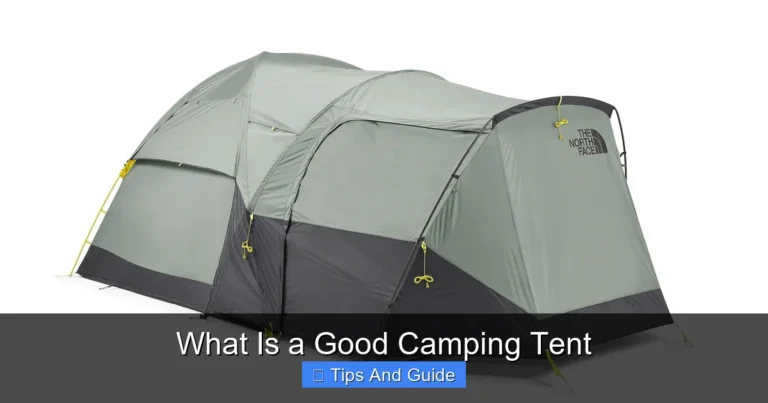
Your tent is your shelter, your refuge, and your home away from home. Picking the right one is the most important decision you’ll make. A good tent protects you from wind, rain, insects, and temperature swings—so don’t skimp here.
Size and Capacity
Tents are labeled by the number of people they can sleep (e.g., 2-person, 4-person). But don’t take those numbers at face value. A 2-person tent is often too tight for two adults with gear. For comfort, consider sizing up. A 3-person tent works better for two people, and a 6-person tent is ideal for a family of four. If you’re car camping and space isn’t an issue, go bigger—you’ll appreciate the extra room for storage and movement.
Season Rating
Tents come in 3-season, 4-season, and all-season varieties. For most campers, a 3-season tent is perfect. It’s designed for spring, summer, and fall conditions—handling rain and moderate wind but not heavy snow or extreme cold. If you’re planning winter camping, invest in a 4-season tent built to withstand snow loads and harsh winds. For more on winter-ready setups, check out how to insulate a tent for winter camping.
Waterproofing and Ventilation
Look for a tent with a full-coverage rainfly, sealed seams, and a bathtub-style floor (where the floor material wraps up the sides). These features keep water out during rain. Also, prioritize tents with mesh panels and adjustable vents to reduce condensation. Speaking of condensation, learn how to manage it with tips from how do you stop condensation in a tent.
2. Sleep System Essentials
A good night’s sleep is crucial when you’re camping. Without it, even the most beautiful scenery can’t make up for exhaustion. Your sleep system includes your sleeping bag, sleeping pad, and pillow—and each component matters.
Sleeping Bag
Choose a bag rated for the lowest temperature you expect to encounter. For summer camping, a 40°F (4°C) bag is usually sufficient. For cooler weather, go for 20°F (-6°C) or lower. Down bags are lightweight and compress well but lose insulation when wet. Synthetic bags are bulkier but perform better in damp conditions. Mummy bags offer the best warmth-to-weight ratio, while rectangular bags provide more room to move.
Sleeping Pad
A sleeping pad does more than just cushion you from the ground—it insulates you from cold earth. Air pads are lightweight and comfortable but can puncture. Foam pads are durable and inexpensive but less comfy. Self-inflating pads offer a balance of comfort and reliability. For a deeper dive, see our guide on the best beds for camping in a tent.
Pillow and Extras
Don’t forget a small camping pillow or use a stuff sack filled with clothes. A sleeping bag liner can add warmth and keep your bag clean. And if you’re sensitive to noise, earplugs or a white noise app on your phone can help.
3. Cooking and Food Supplies
Eating well while camping boosts energy and morale. You don’t need a full kitchen, but a few key tools make meal prep simple and safe.
Portable Stove and Fuel
A compact camping stove—like a propane or butane model—lets you boil water, cook pasta, or fry eggs with ease. Pair it with the right fuel canisters (check compatibility before buying). For longer trips, consider a multi-fuel stove that works with various fuel types.
Cookware and Utensils
A lightweight pot with a lid, a frying pan, and a spork or camping utensil set cover most needs. Collapsible silicone bowls and cups save space. Don’t forget a small cutting board, knife, and biodegradable soap for cleaning.
Food and Storage
Plan simple, non-perishable meals: oatmeal for breakfast, sandwiches or wraps for lunch, and dehydrated dinners or canned goods for dinner. Use airtight containers or resealable bags to keep food fresh and prevent attracting wildlife. Store food in a bear-proof container or hang it from a tree if required by the campsite.
4. Lighting and Power
When the sun goes down, good lighting keeps you safe and makes nighttime tasks easier.
Headlamps and Flashlights
A headlamp is a must—it leaves your hands free for setting up camp or cooking. Choose one with adjustable brightness and a red light mode (to preserve night vision). Bring extra batteries or a rechargeable model.
Camp Lanterns
A lantern provides ambient light for the whole tent or campsite. LED lanterns are energy-efficient and often collapsible. Some even double as power banks to charge your phone.
Portable Chargers
Keep your phone, GPS, or camera powered with a high-capacity power bank. Solar chargers are great for multi-day trips but depend on sunlight. Always carry a backup charger and conserve battery by using airplane mode when possible.
5. Clothing and Personal Items
What you wear can make or break your comfort level. The key is layering and choosing the right materials.
Layering System
Start with a moisture-wicking base layer (synthetic or merino wool), add an insulating mid-layer (fleece or down jacket), and top it off with a waterproof outer shell. This system lets you adjust to changing temperatures throughout the day.
Footwear
Bring sturdy hiking boots for trails and camp shoes (like sandals or lightweight sneakers) for relaxing at the site. Always pack extra socks—wool blends stay warm even when damp.
Personal Care
Pack travel-sized toiletries, sunscreen, insect repellent, and a small towel. Use biodegradable soap and follow Leave No Trace principles. For bathroom needs, a portable camping toilet or trowel for digging catholes may be necessary, depending on the location.
6. Safety and Extras
Preparation prevents problems. A few extra items can save your trip—or even your safety.
First Aid Kit
Include bandages, antiseptic wipes, pain relievers, tweezers, and any personal medications. Customize it based on your group size and trip length.
Navigation Tools
Even if you’re using your phone, bring a physical map and compass as backups. GPS devices or apps with offline maps are also helpful.
Multi-Tool and Repair Kit
A multi-tool with pliers, knife, and screwdrivers handles quick fixes. Bring duct tape (wrap it around a water bottle to save space), extra tent stakes, and a patch kit for your tent or sleeping pad.
Entertainment and Comfort
Books, cards, or a small speaker can enhance downtime. A camp chair and table add comfort, especially for car camping. And don’t forget a trash bag—pack out everything you bring in.
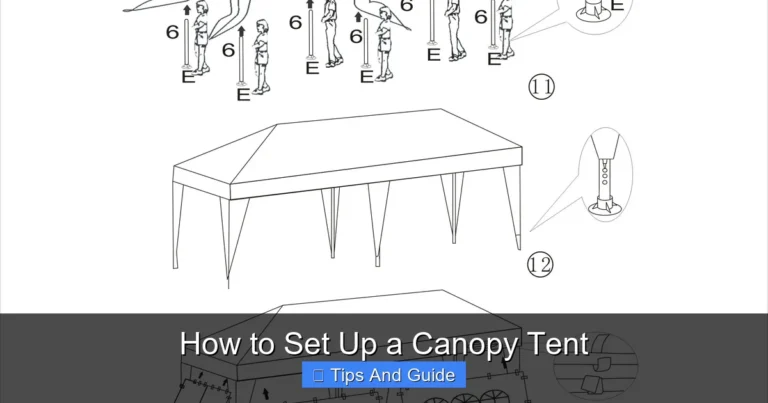
Before you head out, practice setting up your tent at home. This helps you spot missing parts and saves time at the campsite. For step-by-step guidance, see how to set up a tent for camping.
Camping in a tent doesn’t have to be complicated. With the right gear and a little planning, you’ll spend less time struggling and more time enjoying the great outdoors. Whether you’re a beginner or a seasoned camper, this checklist ensures you’re ready for whatever nature brings.
Frequently Asked Questions
What size tent do I need for two people?
For two people, a 3-person tent is ideal. It provides enough space for both sleepers and a small area for gear. A 2-person tent often feels cramped once backpacks and boots are inside.
Do I need a ground tarp under my tent?
Yes, a ground tarp protects your tent floor from rocks, roots, and moisture. Cut it slightly smaller than the tent footprint to prevent water from pooling underneath.
Can I use a regular sleeping bag in cold weather?
Only if it’s rated for the expected temperature. A summer bag won’t keep you warm in freezing conditions. Check the temperature rating and consider adding a liner for extra warmth.
How do I keep my tent from getting wet inside?
Ensure your rainfly is properly secured and vents are open to reduce condensation. Avoid bringing wet gear inside, and never cook or use wet clothes in the tent.
What’s the best way to store food while camping?
Use airtight containers or bear-proof boxes. Store food away from your sleeping area—ideally 100 yards downwind. Never leave food in your tent.
Can I camp in a tent during rain?
Yes, as long as your tent is waterproof and properly pitched. Choose a flat, elevated spot with good drainage, and avoid setting up in dry riverbeds or low-lying areas.