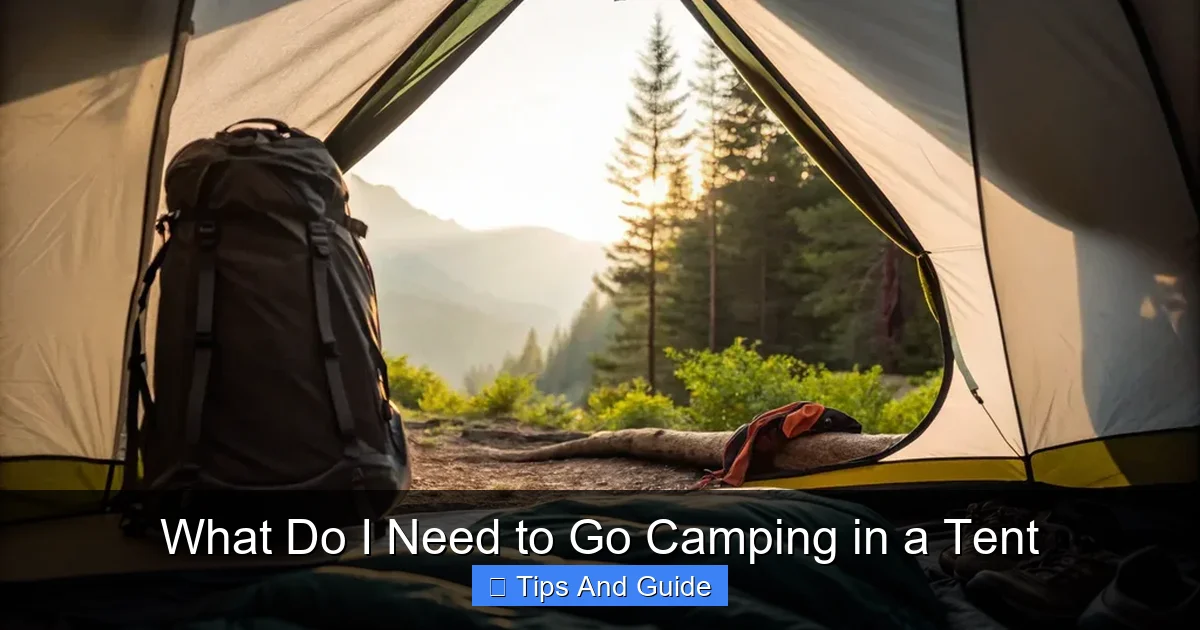
What Do I Need to Go Camping in a Tent
Going camping in a tent is an exciting way to connect with nature, but preparation is key. This guide covers everything you need—from shelter and sleeping gear to cooking tools and safety essentials—so your trip is safe, comfortable, and fun.
Camping in a tent is one of the most rewarding ways to experience the great outdoors. Whether you’re escaping for a weekend or spending a week under the stars, a well-planned trip can be both relaxing and adventurous. But before you head out, it’s important to know exactly what you need to go camping in a tent. With the right gear and preparation, you’ll stay safe, dry, and comfortable—no matter where your adventure takes you.
Many beginners make the mistake of packing too much or forgetting essential items. That’s why having a clear checklist is so helpful. From your tent and sleeping setup to cooking tools and personal items, every piece of gear plays a role in your overall experience. In this guide, we’ll walk you through every category of camping essentials, offering practical tips and real-world examples to help you pack smart and travel light.
Key Takeaways
- Choose the right tent: Pick a tent that fits your group size, is weather-appropriate, and easy to set up.
- Sleep comfortably: A sleeping bag rated for the season, a sleeping pad, and a pillow make all the difference.
- Pack smart clothing: Layer up with moisture-wicking base layers, insulating mid-layers, and waterproof outerwear.
- Bring reliable lighting: Headlamps, flashlights, and lanterns keep you safe and functional after dark.
- Prepare for meals: A portable stove, cookware, utensils, and non-perishable food ensure you eat well outdoors.
- Stay safe and clean: Include a first aid kit, water filtration, hand sanitizer, and trash bags.
- Don’t forget the extras: A tarp, duct tape, multi-tool, and camp chair add comfort and convenience.
📑 Table of Contents
1. Shelter and Tent Essentials
Your tent is your home away from home, so choosing the right one is crucial. A good tent protects you from wind, rain, insects, and cold temperatures. When selecting a tent, consider the number of people in your group, the season, and the terrain.
Choosing the Right Tent
For solo campers, a lightweight 1-person tent is ideal. Couples or small families should look for a 2- or 3-person model—remember, tents are often sized tightly, so a “3-person” tent may feel cramped for three adults. Look for features like a full-coverage rainfly, sturdy poles, and a waterproof floor. Freestanding tents are easier to set up and move if needed.
Tent Accessories You Can’t Skip
Even the best tent needs a few extras. A ground tarp placed underneath your tent prevents moisture from seeping in and protects the floor from tears. Bring extra stakes and guylines in case of windy conditions. A footprint—a custom-fit tarp designed for your tent model—offers added protection and can extend your tent’s lifespan.
If you’re camping in unpredictable weather, check out our guide on the best way to set up a tent in the rain to stay dry and stress-free.
2. Sleeping Gear for Comfort and Warmth
A good night’s sleep is essential for enjoying your camping trip. Without proper sleeping gear, you might wake up cold, sore, or restless.
Sleeping Bags and Temperature Ratings
Choose a sleeping bag rated for the lowest temperature you expect. For summer camping, a 30°F to 40°F bag is usually sufficient. In colder months, go for a 0°F to 20°F bag. Down bags are lightweight and warm but lose insulation when wet. Synthetic bags are bulkier but perform better in damp conditions.
Sleeping Pads and Pillows
A sleeping pad isn’t just for comfort—it insulates you from the cold ground. Foam pads are affordable and durable, while inflatable pads offer better cushioning. Pair your pad with a small camp pillow or use a stuff sack filled with clothes for neck support.
For more tips on staying cozy at night, read our article on the best way to sleep comfortably in a tent.
3. Clothing and Layering Tips
What you wear while camping matters just as much as your gear. Dressing in layers helps you adapt to changing temperatures and weather conditions.
Base, Mid, and Outer Layers
Start with a moisture-wicking base layer made of synthetic fabric or merino wool—avoid cotton, which traps sweat and takes forever to dry. Add an insulating mid-layer like a fleece or down jacket. Finally, wear a waterproof and windproof outer shell to protect against rain and wind.
Footwear and Extras
Bring sturdy hiking boots for trails and camp shoes (like sandals or lightweight sneakers) for relaxing at the site. Pack extra socks—wool or synthetic blends keep your feet dry and blister-free. Don’t forget a hat, gloves, and sunglasses for sun and cold protection.
4. Cooking and Food Supplies
Eating well while camping boosts morale and energy. With a few key tools, you can cook delicious meals in the wilderness.
Portable Stoves and Cookware
A compact camping stove is the easiest way to cook. Propane or butane stoves are reliable and quick to set up. Pair it with a lightweight pot, a frying pan, and a kettle. Don’t forget a spatula, spoon, and can opener.
Food and Storage
Pack non-perishable foods like pasta, rice, oatmeal, canned beans, and dehydrated meals. Bring snacks such as trail mix, granola bars, and fruit. Use airtight containers or resealable bags to keep food fresh and prevent attracting animals. Always store food away from your tent in a bear-proof container or hung from a tree if required.
Dining Essentials
Include reusable plates, bowls, cups, and utensils. A small sponge and biodegradable soap make cleanup easy. For cold drinks, bring a cooler with ice or ice packs—just remember to drain melted water regularly.
5. Lighting and Power
When the sun goes down, good lighting keeps you safe and makes camp life easier.
Headlamps and Flashlights
A headlamp is a must—it keeps your hands free for setting up camp or cooking. Choose one with adjustable brightness and a red-light mode to preserve night vision. Bring extra batteries or a rechargeable model. A handheld flashlight is useful for longer-range tasks.
Camp Lanterns
A battery-powered lantern provides ambient light for the whole campsite. Look for one with a dimmer setting to save power. Some models even double as phone chargers—handy for emergencies.
6. Safety, Hygiene, and Extras
Staying safe and clean is just as important as staying comfortable.
First Aid and Emergency Gear
Pack a basic first aid kit with bandages, antiseptic wipes, tweezers, pain relievers, and any personal medications. Include a whistle, a fire starter, and a multi-tool for emergencies. Let someone know your itinerary before you leave.
Water and Sanitation
Bring enough water for drinking, cooking, and cleaning—about one gallon per person per day. Use a water filter or purification tablets if you’re sourcing water from lakes or streams. Carry hand sanitizer and biodegradable soap. Use a trowel to dig a cathole (6–8 inches deep) for human waste, and pack out toilet paper in a sealed bag.
Comfort and Convenience Items
A camp chair makes relaxing much more enjoyable. Bring a tarp to create shade or cover your gear. Duct tape fixes unexpected tears, and a small repair kit can save your tent in a pinch. Don’t forget a notebook, pen, or book for downtime.
If you’re camping in hot weather, learn how to beat the heat with our guide on how to stay cool while camping in a tent.
7. Packing and Organization
How you pack can make or break your trip. Use stuff sacks, dry bags, and packing cubes to keep gear organized and protected from moisture.
Packing Your Backpack
Place heavy items close to your back and centered for balance. Keep frequently used items like snacks, maps, and a headlamp in easy-to-reach pockets. Use compression sacks to save space for sleeping bags and clothing.
For tips on efficient packing, check out our article on the best way to pack a tent in a backpack.
Leave No Trace
Always follow Leave No Trace principles: pack out all trash, minimize campfire impact, and respect wildlife. This ensures future campers can enjoy the same beautiful spots.
Going camping in a tent doesn’t have to be complicated. With the right preparation, you can enjoy nature without sacrificing comfort or safety. Start with the basics—tent, sleeping gear, clothing, food, and lighting—and build your kit from there. Test your gear at home before you go, and make a checklist to avoid forgetting anything important.
Remember, the goal is to relax and connect with the outdoors. Don’t stress over having the fanciest gear—focus on what keeps you safe, warm, and happy. Whether you’re a first-timer or a seasoned camper, this guide will help you pack smart and make the most of your adventure.
Frequently Asked Questions
What size tent do I need for two people?
A 2-person tent is suitable for two people, but if you want extra space for gear or more comfort, consider a 3-person tent. Always check the floor dimensions and peak height to ensure it fits your needs.
Can I use a regular sleeping bag for winter camping?
Only if it’s rated for low temperatures. Regular summer sleeping bags won’t provide enough warmth in cold weather. Choose a bag with a temperature rating below the expected low for safety.
Do I need a tarp under my tent?
Yes, a tarp or footprint protects the tent floor from moisture, rocks, and roots. Just make sure it’s smaller than the tent base to prevent water from pooling underneath.
How do I keep my tent cool in summer?
Ventilate your tent by opening windows and vents. Use a reflective tarp for shade and avoid using dark-colored tents that absorb heat. For more tips, see our guide on how to stay cool while camping in a tent.
What should I do if it rains while camping?
Set up your tent on high ground, use a full-coverage rainfly, and angle guylines to shed water. Keep gear inside dry with waterproof bags. If needed, learn the best way to set up a tent in the rain to stay dry.
How do I prevent condensation in my tent?
Ventilate your tent by opening vents and keeping the rainfly slightly open. Avoid bringing wet gear inside and minimize breathing near the walls at night. Proper airflow reduces moisture buildup.