What Do I Need to Camp in a Tent
Camping in a tent is one of the most rewarding ways to connect with nature, but it requires the right gear and preparation. Whether you’re a beginner or brushing up on basics, knowing what to bring ensures comfort, safety, and fun under the stars.
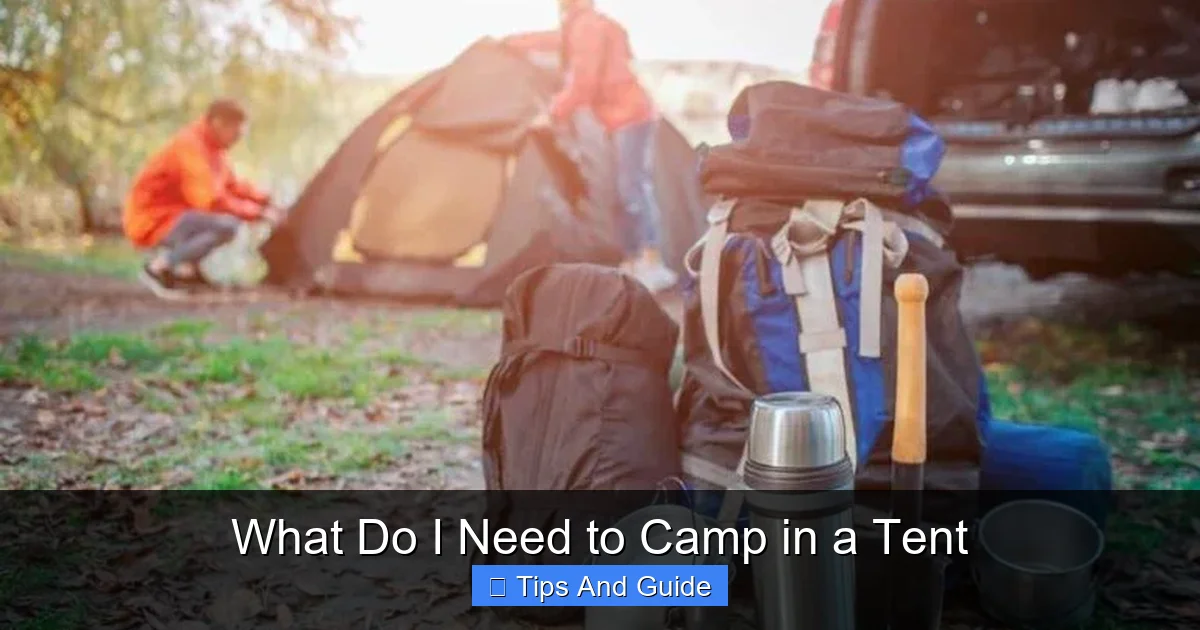
So, you’ve decided to camp in a tent—congratulations! There’s something deeply refreshing about unplugging, breathing in fresh air, and falling asleep to the sound of crickets or rustling leaves. But before you pitch that tent and toast marshmallows over a crackling fire, it’s important to know exactly what you need to camp in a tent comfortably and safely.
Camping doesn’t have to be complicated, but skipping key items can turn a dreamy escape into a chilly, uncomfortable ordeal. Whether you’re heading to a national park, a lakeside campground, or the backcountry, having the right gear makes all the difference. This guide walks you through every essential category—from shelter to sleep, cooking to clothing—so you can focus on enjoying the great outdoors instead of worrying about what you forgot.
Key Takeaways
- Tent and shelter essentials: Choose a weather-appropriate tent with a rainfly, stakes, and guylines for stability.
- Sleep system matters: A quality sleeping bag, sleeping pad, and pillow are crucial for warmth and comfort.
- Lighting and navigation: Headlamps, lanterns, and backup batteries keep you safe after dark.
- Cooking and food setup: Bring a camp stove, fuel, utensils, and airtight containers for meals.
- Clothing and personal items: Pack layers, rain gear, and moisture-wicking fabrics for changing conditions.
- Safety and hygiene: Include a first aid kit, hand sanitizer, toiletries, and a trowel for waste disposal.
- Extras that enhance experience: Camp chairs, power banks, and bug spray make camping more enjoyable.
📑 Table of Contents
1. The Right Tent and Shelter Gear
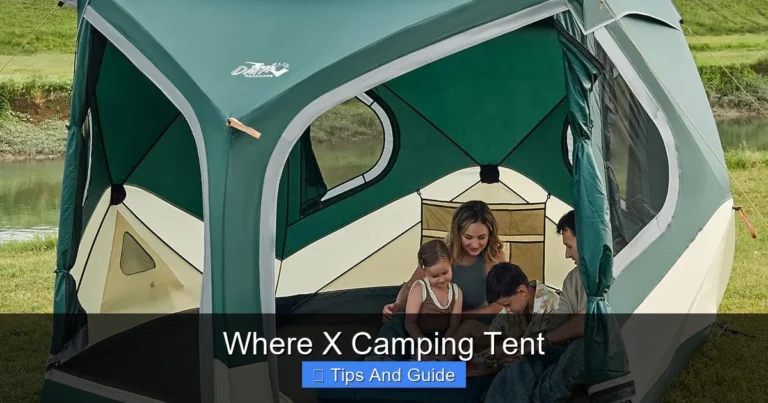
Your tent is your home away from home, so choosing the right one is step one. A good tent protects you from rain, wind, insects, and temperature swings. Look for a model that’s appropriate for the season—3-season tents work for spring, summer, and fall, while 4-season tents are built for winter and harsh weather.
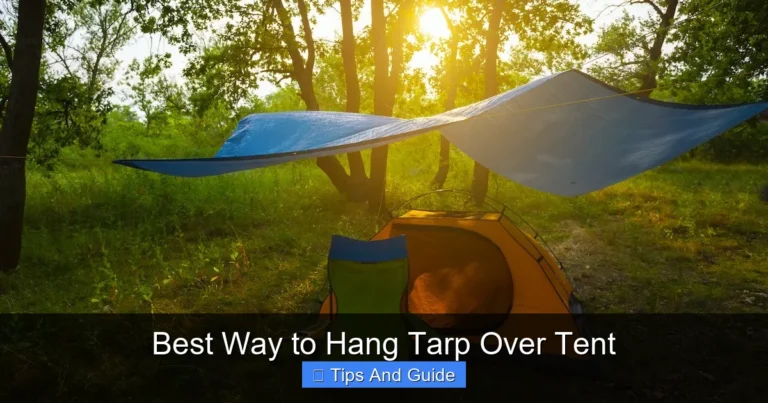
Make sure your tent includes a full-coverage rainfly, sturdy poles, and enough space for your group plus gear. Don’t forget tent stakes and guylines—these keep your shelter secure in windy conditions. If you’re camping in wet climates, consider a footprint or tarp to place under your tent to prevent moisture seepage.
Pro tip: Practice setting up your tent at home before your trip. Nothing’s worse than fumbling with poles in the dark after a long drive. For rainy conditions, check out our guide on the best way to set up a tent in the rain to stay dry from the start.
2. A Comfortable Sleep System
You can’t enjoy nature if you’re tossing and turning all night. A solid sleep system includes three key components: a sleeping bag, a sleeping pad, and a pillow.
Your sleeping bag should match the expected temperatures. Look for one rated for the lowest temperature you might encounter—better to be too warm than too cold. Down bags are lightweight and compress well, while synthetic bags perform better in damp conditions.
A sleeping pad isn’t just for comfort—it insulates you from the cold ground. Foam pads are affordable and durable, while inflatable ones offer more cushioning. For maximum comfort, especially on uneven terrain, read our tips on the best way to sleep comfortably in a tent.
Don’t skip the pillow! Even a small inflatable or compressible camp pillow can improve sleep quality. If you’re backpacking, consider stuffing a stuff sack with clothes for a DIY version.
3. Lighting and Power Solutions
When the sun goes down, reliable lighting is essential. A headlamp is a must—it keeps your hands free for cooking, setting up gear, or navigating the campsite. Choose one with adjustable brightness and a red-light mode to preserve night vision.
Supplement with a lantern for ambient light around the tent or picnic table. LED lanterns are energy-efficient and often come with USB charging ports. Always pack extra batteries or a portable power bank, especially if you’re using devices like phones, GPS units, or CPAP machines.
If you’re camping with a CPAP machine, we’ve got you covered—check out our guide on how to tent camp with a CPAP for power and setup tips.
4. Cooking and Food Essentials
Eating well while camping boosts morale and energy. Start with a portable camp stove—propane or butane models are easy to use and reliable. Don’t forget fuel canisters; bring extras if you’re on a long trip.
Pack lightweight cookware: a pot, pan, spatula, and utensils. A spork or camping cutlery set saves space. For cleanup, bring biodegradable soap, a sponge, and a collapsible sink or basin.
Store food in airtight containers to keep critters away. Use a cooler with ice or ice packs for perishables. Prepping meals ahead of time—like chopping veggies or marinating proteins—saves time at the campsite.
For cold mornings, a French press or portable coffee maker makes all the difference. And remember: always follow leave-no-trace principles by packing out all trash and food scraps.
5. Clothing and Personal Items
Weather in the outdoors can change fast, so dress in layers. Start with a moisture-wicking base layer, add an insulating mid-layer like fleece, and top it off with a waterproof outer shell.
Pack extra socks and underwear—wet feet are a fast path to discomfort. Sturdy hiking shoes or boots are a must, but bring camp shoes like sandals or lightweight sneakers for relaxing at the site.
Don’t forget rain gear, even if the forecast looks clear. A compact rain jacket and pants can save your trip during a sudden downpour. For winter camping, check out our guide on how to winter camp in a tent for cold-weather clothing tips.
Personal items include toiletries, sunscreen, lip balm, and any medications. A small towel, toothbrush, and biodegradable soap keep you fresh. For hygiene, bring hand sanitizer and a trowel to dig catholes if you’re in the backcountry.
6. Safety, Hygiene, and Extras
Safety starts with a well-stocked first aid kit. Include bandages, antiseptic wipes, tweezers, pain relievers, and any personal medications. Know basic first aid and let someone know your itinerary before you go.
For hygiene, pack toilet paper, a small shovel, and hand sanitizer. In developed campgrounds, use restrooms when available. In the wild, bury human waste 6–8 inches deep and at least 200 feet from water sources.
Extras that enhance your experience include camp chairs, a tarp for shade, bug spray, and a multi-tool. A portable power bank keeps devices charged, and a small book or journal adds comfort. If you’re camping with pets, we’ve got advice on how to tent camp with a dog to keep them safe and happy.
Final Thoughts
Camping in a tent is simpler than it seems—once you know what to bring. With the right gear, a little planning, and a sense of adventure, you’ll be ready to enjoy everything nature has to offer. Start with the essentials, test your setup at home, and don’t be afraid to ask for advice from experienced campers.
Remember, the goal isn’t perfection—it’s connection. Connection with nature, with friends or family, and with yourself. So pack smart, stay safe, and get out there. The stars are waiting.
Frequently Asked Questions
What is the most important thing to bring when camping in a tent?
The most important thing is a reliable tent suited to the weather conditions. Without proper shelter, you’re exposed to rain, wind, and insects, which can quickly ruin your trip.
Do I need a sleeping pad if I have a thick sleeping bag?
Yes, a sleeping pad is essential even with a thick bag. It provides insulation from the cold ground and improves comfort, especially on uneven or rocky terrain.
Can I camp in a tent without a camp stove?
Yes, you can cook over a campfire if allowed, but a stove is more reliable and safer in dry or windy conditions. Always check fire regulations at your campsite.
How do I keep my tent dry inside?
Use a footprint under your tent, keep wet gear outside, and ensure the rainfly is properly secured. Ventilate the tent to reduce condensation, especially in cold weather.
What should I do if it rains while I’m camping?
Stay in your tent, keep gear dry with tarps or dry bags, and avoid touching the tent walls to prevent leaks. If you’re setting up in the rain, follow our guide on the best way to set up a tent in the rain.
Is it safe to camp in a tent alone?
Yes, but take extra precautions: share your plans with someone, carry a whistle or personal locator beacon, and choose a well-established campsite with cell service if possible.