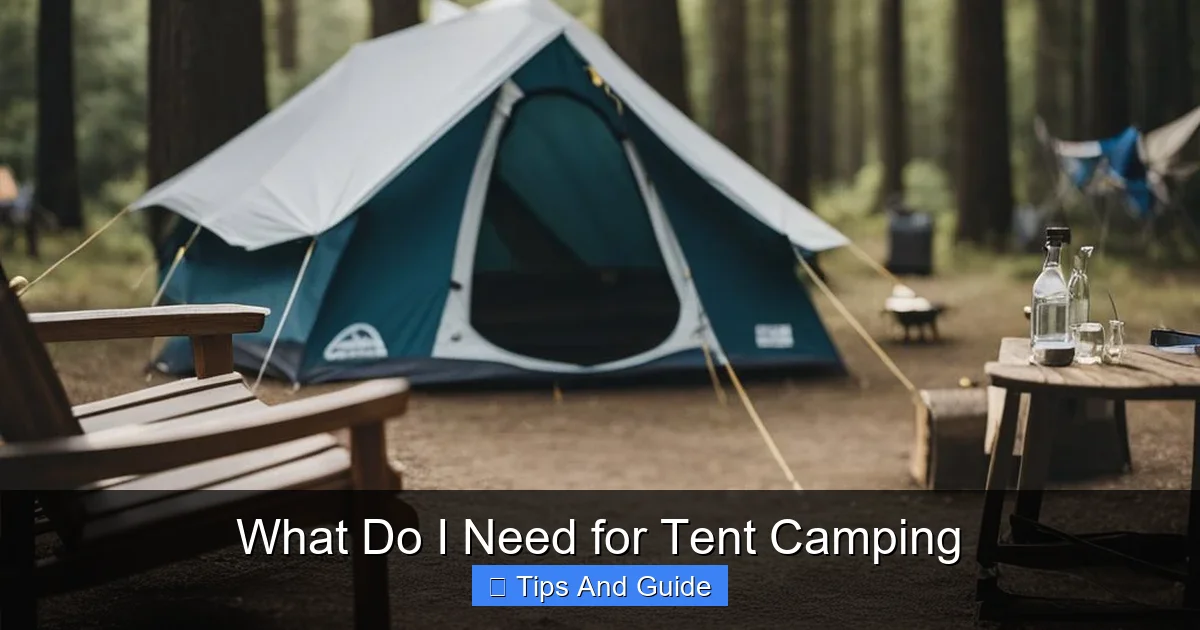
What Do I Need for Tent Camping
Planning your first tent camping trip? You’ll need more than just a tent and a sleeping bag. This guide covers all the essentials—from shelter and sleep systems to cooking gear and safety items—so you can camp comfortably and confidently, no matter the season or location.
So, you’ve decided to try tent camping. Maybe you’re dreaming of starry skies, crackling campfires, and waking up to birdsong instead of traffic noise. That’s the magic of camping—but to enjoy it fully, you need the right gear. It’s easy to forget something important or bring too much and end up overpacked. The good news? With a solid checklist and a few smart choices, your first (or fiftieth) camping trip can be smooth, safe, and seriously fun.
This guide walks you through everything you need for tent camping, from the basics like shelter and sleep systems to the often-overlooked items that make a big difference. Whether you’re heading out for a weekend in the woods or a week-long mountain adventure, we’ve got you covered. We’ll keep it simple, practical, and focused on real-world use—no fluff, no jargon.
Key Takeaways
- Choose the right tent: Match size, weight, and weather rating to your needs—consider a best 3 person tent for camping for small groups.
- Sleep comfortably: Invest in a quality sleeping pad and bag; check out the best air mattress for tent camping for added luxury.
- Pack smart cooking gear: A portable stove, utensils, and reusable dishes make meals easy and eco-friendly.
- Stay safe and visible: Bring a headlamp, first aid kit, and fire starters—even in summer.
- Don’t forget the extras: A tarp, camp chairs, and a reliable cooler improve comfort and convenience.
- Prepare for weather: Layer clothing and bring rain gear—even in warm months.
- Leave no trace: Pack out all trash and respect nature for a sustainable trip.
📑 Table of Contents
1. The Right Tent for Your Adventure
Your tent is your home away from home, so choosing the right one is crucial. It protects you from wind, rain, bugs, and cold—so don’t skimp here.
Size and Capacity
Tents are labeled by the number of people they can sleep (e.g., 2-person, 4-person). But remember: these numbers are optimistic. A “2-person” tent often fits two people with gear crammed in. For comfort, go one size up. If you’re camping with a partner, consider a best 3 person tent for camping—it gives you extra space for backpacks and movement.
Season Rating
Most tents are 3-season, meaning they’re designed for spring, summer, and fall. They’re lightweight and ventilated, perfect for mild weather. If you’re camping in snow or high winds, you’ll need a 4-season tent. These are heavier but built to handle harsh conditions.
Weight and Portability
If you’re backpacking, every ounce counts. Look for lightweight materials like ripstop nylon and aluminum poles. For car camping, weight matters less—so you can prioritize space and durability. A best big tent for camping might be ideal if you’re driving and want room to stretch.
Setup and Features
Practice pitching your tent at home. Nothing’s worse than fumbling in the dark at the campsite. Look for color-coded poles, quick-clip systems, and a full-coverage rainfly. Vestibules are handy for storing muddy boots outside.
2. Sleep System: Bed, Bag, and Pad
A good night’s sleep is non-negotiable. Even the most beautiful campsite won’t save you if you’re shivering on a cold, hard ground.
Sleeping Bag
Choose a bag rated for the lowest temperature you expect. Synthetic bags are cheaper and perform better when wet, while down bags are lighter and more compressible—but lose insulation when damp. Mummy bags are warm and snug; rectangular bags offer more room.
Sleeping Pad or Mattress
This is your barrier against the cold ground. Foam pads are cheap and durable but bulky. Inflatable pads are compact and comfy—some even mimic a real bed. For extra luxury, check out the best air mattress for tent camping. Just remember to bring a pump or use a battery-powered one.
Pillow and Sheet
Don’t forget a small camp pillow or use a stuff sack filled with clothes. A lightweight sleeping bag liner adds warmth and keeps your bag clean.
3. Cooking and Food Essentials
You don’t need a full kitchen, but a few key items make cooking outdoors easy and enjoyable.
Portable Stove
A compact camp stove runs on propane or butane and lets you boil water, fry eggs, or simmer stew. Pair it with a windscreen for better efficiency. For minimalists, a lightweight alcohol stove works too—but takes longer.
Cookware and Utensils
Bring a pot, pan, spatula, and reusable plates, cups, and cutlery. Collapsible silicone bowls save space. A small sponge and biodegradable soap make cleanup simple.
Food and Storage
Plan meals ahead. Pre-chop veggies, marinate meat, and pack spices in small containers. Use a bear-proof cooler or hang food in a bear bag if you’re in wildlife areas. Don’t forget snacks—energy bars, nuts, and dried fruit are lifesavers on hikes.
Water and Filtration
Always carry more water than you think you’ll need. A 1-liter bottle per person per day is a minimum. For longer trips, bring a water filter or purification tablets. Many campsites have spigots, but it’s smart to be prepared.
4. Lighting and Power
When the sun goes down, you’ll need light—and maybe a way to charge your phone.
Headlamps and Flashlights
A headlamp keeps your hands free for setting up camp or cooking. LED models are bright and long-lasting. Bring extra batteries or choose rechargeable ones.
Portable Chargers
If you’re using your phone for maps, photos, or emergencies, a power bank is essential. Solar chargers work in sunny areas but can be slow.
Camp Lights
String lights or lanterns create a cozy vibe. Some clip to tent poles or hang from trees. Look for models with red-light mode—it preserves night vision and doesn’t attract bugs.
5. Clothing and Personal Items
What you wear matters more than you think. Layers are key—weather changes fast outdoors.
Dress in Layers
Start with a moisture-wicking base layer (avoid cotton—it stays wet). Add an insulating mid-layer like fleece. Top it off with a waterproof outer shell. Even in summer, nights can drop below 50°F.
Footwear
Bring sturdy hiking boots for trails and camp shoes (like sandals or lightweight sneakers) for relaxing at the site. Keep your boots dry—wet feet lead to blisters.
Personal Care
Pack a small toiletry kit: toothbrush, biodegradable soap, sunscreen, bug spray, and toilet paper. A trowel is useful for digging catholes if there’s no restroom. For privacy, consider a best bathroom tent for camping—it’s a game-changer for late-night bathroom trips.
6. Safety and Extras
A few extra items can prevent small problems from becoming big ones.
First Aid Kit
Include bandages, antiseptic, tweezers, pain relievers, and any personal meds. Know basic first aid—blisters, cuts, and sprains are common.
Fire Starters
Matches, lighters, or a ferro rod help you build a fire for warmth, cooking, or signaling. Store them in a waterproof case.
Navigation Tools
Even if you’re at a marked campsite, a map and compass are smart backups. GPS devices work too—but batteries die.
Tarp and Rope
A tarp under your tent prevents ground moisture and extends tent life. Use rope to tie it down or create a rain shelter over your picnic table.
Camp Chairs and Table
A foldable chair makes sitting by the fire way more comfortable. Some sites have tables, but bringing a small camp table gives you a stable surface for cooking or games.
Trash Bags
Pack out everything you bring in. Use trash bags to keep your site clean and protect wildlife.
Final Tips for a Great Trip
Before you go, check the weather and campsite rules. Arrive early to claim a good spot and set up in daylight. Tell someone your plans and expected return time. And most importantly—relax. Camping is about disconnecting, not doing everything perfectly.
With the right gear and a positive attitude, tent camping becomes an adventure you’ll want to repeat. Whether you’re a solo explorer or camping with family, these essentials will keep you safe, comfortable, and ready for whatever nature throws your way.
Frequently Asked Questions
Do I really need a sleeping pad if I have an air mattress?
Yes—even with an air mattress, a sleeping pad adds extra insulation and cushioning. It also protects your mattress from punctures and helps retain heat, especially on cold ground.
Can I use my regular backpacking tent for car camping?
You can, but it’s often overkill. Backpacking tents are lightweight and compact, but car camping lets you bring larger, more comfortable shelters. Consider a best big tent for camping for more space and features.
What’s the best way to keep food safe from animals?
Store food in a bear-proof cooler or hang it in a bear bag at least 10 feet off the ground and 4 feet from the tree trunk. Never keep food in your tent.
Do I need a camp stove if I can build a fire?
Not always, but a stove is more reliable—especially in wet weather or fire-restricted areas. It also gives you precise heat control for cooking.
How do I stay warm while sleeping in a tent?
Use a sleeping bag rated for the temperature, wear warm base layers, and sleep on an insulated pad. A hot water bottle in your bag can also help.
Is it okay to camp without a tarp under the tent?
It’s not recommended. A tarp protects the tent floor from moisture, rocks, and roots. Just make sure it’s smaller than the tent footprint to avoid water pooling underneath.