What Do I Need for Camping in a Tent
Planning a camping trip? Knowing what to bring is half the battle. This guide covers all the essentials—tent, sleeping gear, cooking tools, clothing, and safety items—so you can camp comfortably and confidently. Whether you’re a beginner or seasoned camper, we’ve got you covered.
Key Takeaways
- A quality tent is your home base: Choose one that fits your group size, weather conditions, and camping style—like car camping or backpacking.
- Sleep comfort matters: A sleeping pad, air mattress, or cot paired with a warm sleeping bag ensures restful nights under the stars.
- Cooking gear keeps you fueled: Bring a portable stove, fuel, cookware, and utensils to prepare simple, satisfying meals.
- Dress in layers: Pack moisture-wicking base layers, insulating mid-layers, and a waterproof outer shell for changing weather.
- Safety and lighting are essential: Headlamps, first aid kits, and fire starters help you stay safe and navigate after dark.
- Don’t forget the little things: A tarp, duct tape, and trash bags can save the day when unexpected challenges arise.
📑 Table of Contents
What Do I Need for Camping in a Tent? A Complete Guide
So you’ve decided to go camping—great choice! There’s nothing quite like sleeping under the stars, waking up to birdsong, and disconnecting from the daily grind. But before you head out, it’s important to know exactly what you need for camping in a tent. A successful trip starts with the right gear, and skipping even one essential item can turn a fun adventure into a frustrating ordeal.
Whether you’re planning a weekend getaway with friends, a family camping trip, or a solo escape into nature, this guide will walk you through everything you need to pack. We’ll cover shelter, sleep systems, cooking equipment, clothing, safety gear, and those often-overlooked extras that make all the difference. By the end, you’ll feel confident, prepared, and ready to enjoy your time in the great outdoors.
1. Your Tent: The Foundation of Comfort
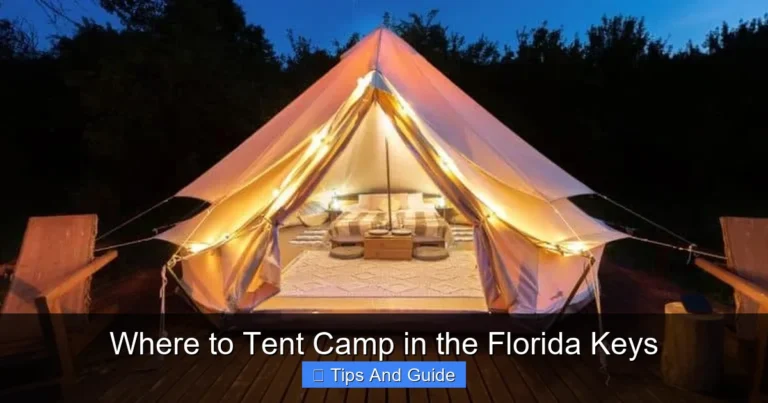
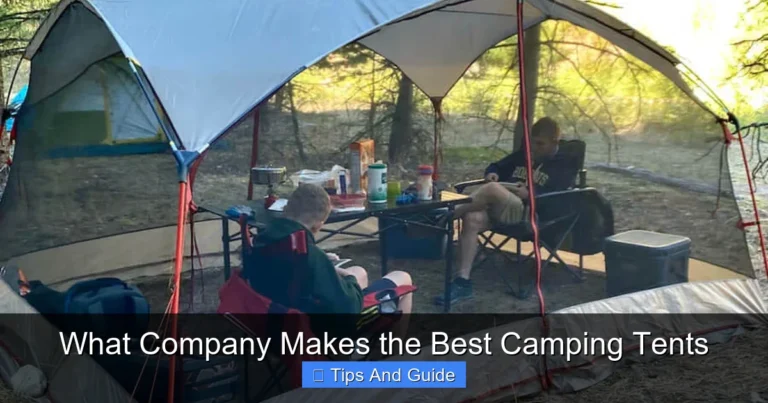
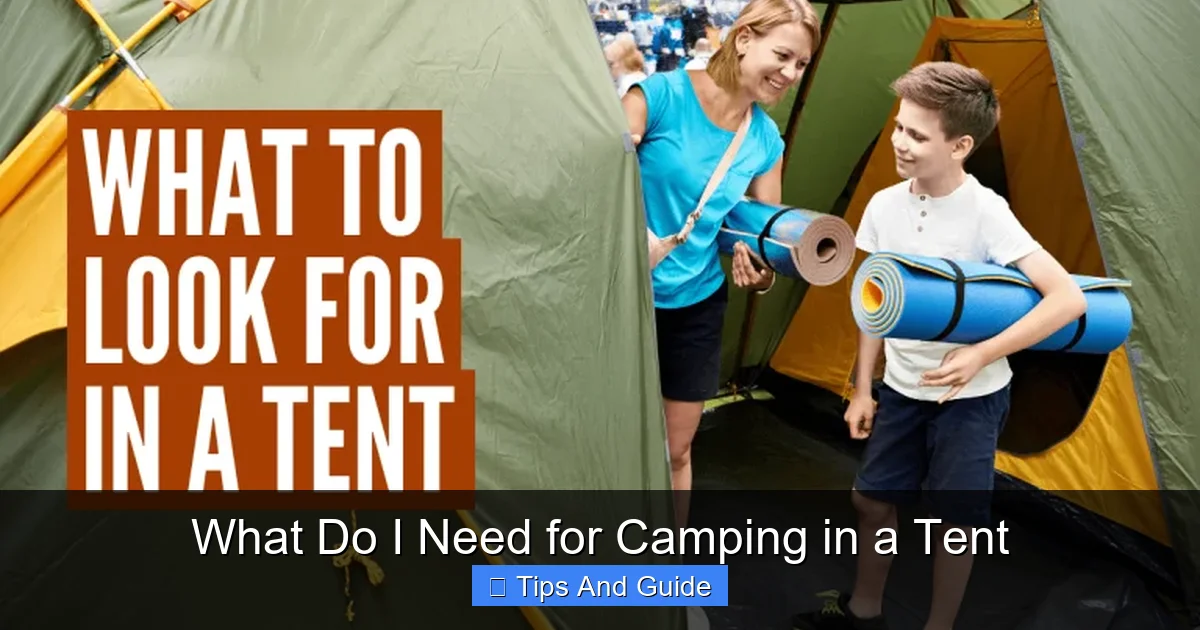
Your tent is more than just a place to sleep—it’s your shelter from wind, rain, insects, and curious wildlife. Choosing the right one is crucial. Start by considering how many people will be using it. A 2-person tent is cozy for couples, but if you’re bringing kids or gear, you might want a best 3 person tent for camping or even a best big tent for camping to ensure everyone has space.
Tent Features to Look For
Look for a tent with a waterproof rainfly, sturdy poles, and good ventilation to reduce condensation. Freestanding tents are easier to set up, while non-freestanding ones require stakes and guylines. If you’re camping in summer, a mesh-heavy design keeps bugs out and airflow high. For colder months, consider a canvas tent for camping, which offers better insulation and durability.
Setting Up Your Tent
Practice pitching your tent at home before you go. Nothing’s worse than fumbling in the dark at the campsite. Bring a footprint or tarp to lay under your tent—this protects the floor from rocks and moisture. And always set up on level ground, away from water runoff areas.
2. Sleep System: Rest Easy Under the Stars
A good night’s sleep is key to enjoying your trip. Even the most beautiful campsite won’t make up for a sore back or a cold night. Your sleep system includes your sleeping bag, sleeping pad, and pillow.
Choosing the Right Sleeping Bag
Pick a bag rated for the lowest temperature you expect. A 3-season bag works for spring, summer, and fall, while winter camping calls for a sub-zero bag. Down bags are lightweight and pack small but lose warmth when wet. Synthetic bags are bulkier but retain heat even when damp.
Sleeping Pads and Air Mattresses
Sleeping directly on the ground is uncomfortable and cold. A sleeping pad adds cushioning and insulation. Foam pads are affordable and durable, while inflatable ones offer more comfort. For extra luxury, consider an air mattress for tent camping or a best bed for camping in a tent setup. Just make sure it fits inside your tent!
Pillows and Extras
Don’t forget a small camp pillow or use a stuff sack filled with clothes. Earplugs and an eye mask can help block out noise and light, especially in busy campgrounds.
3. Cooking and Food Supplies
You don’t need a full kitchen to eat well while camping. With a few smart choices, you can enjoy hot meals and snacks without lugging around heavy gear.
Portable Stoves and Fuel
A compact camping stove is a game-changer. Propane stoves are easy to use and great for car camping. Canister stoves are lighter and ideal for backpacking. Always bring extra fuel—running out mid-meal is no fun.
Cookware and Utensils
A basic set includes a pot, pan, spatula, and utensils. Collapsible silicone bowls and plates save space. Don’t forget a mug for coffee or tea! For cleanup, pack biodegradable soap, a sponge, and a small towel.
Food and Storage
Plan simple meals: oatmeal for breakfast, sandwiches for lunch, and pasta or stew for dinner. Pre-chop ingredients at home to save time. Store food in airtight containers or bear-proof bags, especially in areas with wildlife. A cooler with ice packs keeps perishables fresh for a few days.
4. Clothing and Personal Items
What you wear can make or break your trip. The key is layering—dressing in thin, adaptable layers lets you adjust to changing temperatures.
Base, Mid, and Outer Layers
Start with a moisture-wicking base layer (like merino wool or synthetic fabric). Add an insulating mid-layer, such as a fleece or down jacket. Top it off with a waterproof and windproof outer shell. Avoid cotton—it stays wet and makes you cold.
Footwear and Extras
Wear broken-in hiking boots for trails and camp shoes (like sandals or lightweight sneakers) for relaxing at the site. Pack extra socks—wet feet lead to blisters. Don’t forget a hat, sunglasses, and sunscreen for sun protection.
Hygiene and Toiletries
Bring travel-sized toiletries, hand sanitizer, and toilet paper. If you’re near a restroom, great. If not, a trowel and a bathroom tent for camping give you privacy for digging a cathole. Wet wipes are a lifesaver for quick cleanups.
5. Lighting and Safety Gear
When the sun goes down, you’ll need light and peace of mind. Proper lighting and safety tools keep you secure and help you enjoy nighttime activities.
Headlamps and Flashlights
A headlamp is hands-free and perfect for cooking, setting up camp, or midnight bathroom trips. Bring extra batteries or a rechargeable model. A small flashlight is a good backup.
First Aid and Emergency Kit
Pack a basic first aid kit with bandages, antiseptic, tweezers, and pain relievers. Add a whistle, fire starter, and a multi-tool. Know how to use everything before you go.
Fire and Navigation
Bring waterproof matches, a lighter, or a fire starter. Check local fire regulations—some areas require campfires only in designated rings. A map and compass (or GPS) help you stay oriented, even if your phone loses signal.
6. Extras That Make a Big Difference
These items aren’t always on the checklist, but they’re incredibly useful.
Tarp and Groundsheet
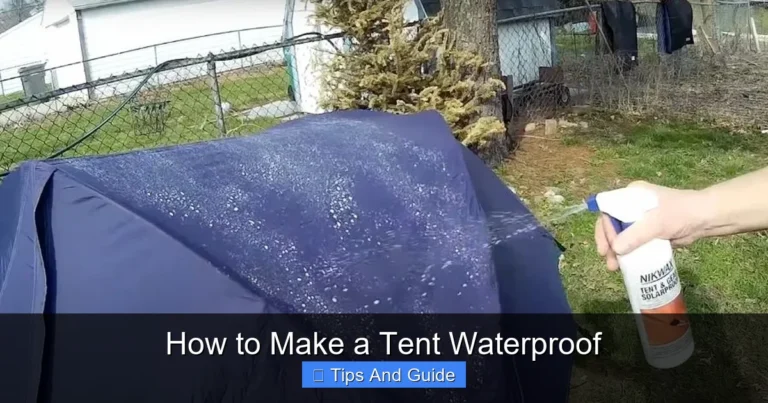
A tarp under your tent protects the floor. You can also use one as a rain shelter over your picnic table or gear.
Duct Tape and Repair Kit
A few feet of duct tape fixes torn fabric, broken tent poles, or leaking air mattresses. A small repair kit with patches and seam sealer is worth its weight in gold.
Trash Bags and Ziplocs
Pack out all your trash. Use Ziploc bags to organize small items like batteries, matches, or snacks. They also keep things dry in wet conditions.
Entertainment and Comfort
Bring a book, cards, or a portable speaker (keep the volume low). A camp chair and foldable table make relaxing easier. And don’t forget your camera—nature is full of photo ops!
Final Tips for a Smooth Trip
Before you leave, check the weather forecast and campsite rules. Arrive early to secure a good spot and set up in daylight. Tell someone your plans and expected return time. And always leave no trace—pack out everything you bring in.
With the right gear and a little preparation, camping in a tent can be one of the most rewarding experiences you’ll ever have. You’ll disconnect from screens, reconnect with nature, and create memories that last a lifetime.
So grab your gear, pitch that tent, and enjoy the adventure. The great outdoors is waiting!
Frequently Asked Questions
What’s the most important item for camping in a tent?
Your tent is the most essential item—it provides shelter, privacy, and protection from the elements. Without a reliable tent, your trip could quickly become uncomfortable or unsafe.
Do I need a sleeping pad if I have an air mattress?
An air mattress offers great comfort, but it can lose air or puncture. A sleeping pad underneath adds backup insulation and cushioning, especially on uneven ground.
Can I camp in a tent without a stove?
Yes, but it limits your meal options. You can cook over a campfire (where allowed) or bring ready-to-eat foods like sandwiches, nuts, and energy bars.
How do I stay warm while camping in a tent?
Use a warm sleeping bag, wear thermal base layers, and add a sleeping pad for insulation. You can also bring a hot water bottle or use a best way to stay warm in a tent method like layering blankets.
What should I do if it rains while camping?
Make sure your tent is properly pitched with the rainfly on. Use a tarp overhead for extra protection. Keep gear dry in waterproof bags and avoid bringing wet items inside the tent.
Is it safe to camp alone in a tent?
Yes, with proper preparation. Tell someone your plans, carry a first aid kit, and stay aware of your surroundings. Choose well-established campsites for added safety.