What Are the Four Types of Tent
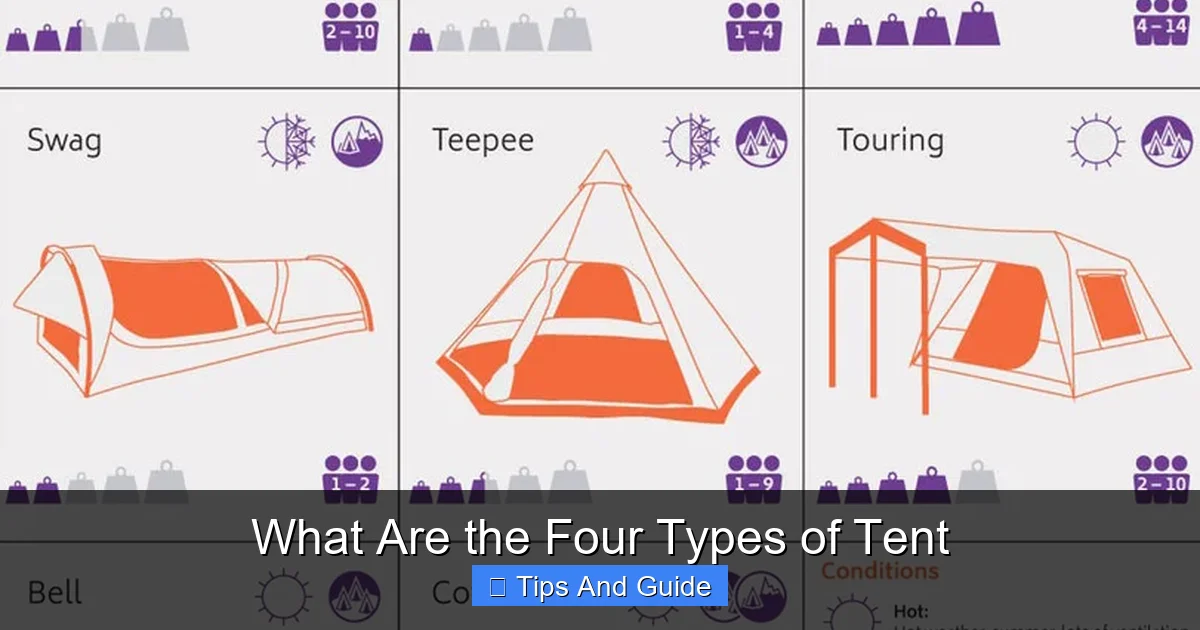
Choosing the right tent starts with understanding the four main types of tent: cabin, dome, backpacking, and tunnel. Each design offers unique benefits depending on your camping style, group size, and weather conditions. Whether you’re planning a family trip or a solo adventure, knowing these styles helps you pick the perfect shelter.
Key Takeaways
- Cabin tents offer maximum space and height, ideal for families or car camping.
- Dome tents are lightweight, easy to set up, and great for moderate weather conditions.
- Backpacking tents prioritize weight and packability for hikers and minimalist campers.
- Tunnel tents provide excellent wind resistance and spacious interiors, perfect for extended trips.
- Your camping style—family, solo, or adventure—should guide your tent choice.
- Always consider weather, setup ease, and portability when selecting a tent.
- Matching the right tent type to your needs ensures comfort and safety outdoors.
📑 Table of Contents
- What Are the Four Types of Tent?
- 1. Cabin Tents: Spacious and Comfortable for Families
- 2. Dome Tents: The All-Around Favorite
- 3. Backpacking Tents: Lightweight and Built for the Trail
- 4. Tunnel Tents: Spacious and Wind-Resistant
- How to Choose the Right Tent for Your Needs
- Final Thoughts: Matching Tent Type to Your Adventure
What Are the Four Types of Tent?
When you’re planning your next outdoor adventure, one of the first decisions you’ll make is choosing the right tent. But with so many options on the market, it’s easy to feel overwhelmed. That’s why understanding the four types of tent is essential. These categories—cabin, dome, backpacking, and tunnel—each serve different purposes and suit various camping styles.
Whether you’re heading out for a weekend family getaway, a solo hiking trip, or a long-term basecamp in the wilderness, the type of tent you choose can make or break your experience. A tent that’s too heavy for backpacking or too small for a group of four can quickly turn a fun trip into a frustrating one. That’s why knowing the strengths and weaknesses of each tent type helps you make a smart, informed decision.
In this guide, we’ll break down each of the four main types of tent, explain their key features, and help you figure out which one fits your needs best. From spacious family cabins to ultralight backpacking shelters, we’ve got you covered.
1. Cabin Tents: Spacious and Comfortable for Families
If you’re camping with kids, pets, or a large group, cabin tents are your best bet. These tents are designed for comfort and space, often resembling a small room with vertical walls and high ceilings. They’re typically used for car camping, where weight and portability aren’t major concerns.
Key Features of Cabin Tents
Cabin tents are known for their boxy shape and near-vertical walls, which maximize usable floor space. Many models come with multiple rooms, zippered dividers, and large windows for ventilation. Some even include built-in gear lofts and electrical access ports for added convenience.
Because they’re usually set up at campsites with vehicle access, cabin tents often include extra features like room dividers, mesh windows, and even screened-in porches. This makes them perfect for families who want a home-away-from-home experience.
Best Use Cases
Cabin tents shine during summer camping trips, festivals, or extended stays at national parks. They’re not ideal for windy or rainy conditions due to their flat roofs and large surface area, but they excel in calm, dry weather.
For example, if you’re planning a weekend at a lakeside campground with your family of four, a spacious cabin tent like the ones reviewed in our guide to the best tent for family of four can provide ample room for sleeping bags, gear, and even a small table.
Tips for Using Cabin Tents
Always use a ground tarp underneath to prevent moisture and wear. Since these tents are heavy and bulky, make sure your campsite allows vehicle access. And don’t forget to secure all guylines—even though they’re stable, strong winds can still cause damage.
2. Dome Tents: The All-Around Favorite
Dome tents are perhaps the most popular type of tent among casual and experienced campers alike. Their classic A-frame shape, supported by flexible poles that cross at the top, makes them sturdy, lightweight, and easy to pitch.
Why Dome Tents Are So Popular
Dome tents strike a great balance between weight, space, and weather resistance. They’re typically made from lightweight materials like ripstop nylon and come in sizes ranging from one-person to six-person models. Their curved walls shed rain and wind effectively, making them reliable in moderate weather.
Many dome tents also feature vestibules—small covered areas at the entrance—where you can store muddy boots or backpacks without bringing dirt inside. This small detail makes a big difference on rainy or snowy trips.
Ideal for Weekend Warriors and Couples
Dome tents are perfect for weekend camping trips, music festivals, or short hikes where you need reliable shelter without the bulk. They’re also a great choice for couples or small groups who want something easy to carry and quick to set up.
For instance, if you’re planning a two-night trip to the mountains with a friend, a 3-person dome tent offers extra space without adding too much weight. Check out our review of the best 3-person tent for the money for top picks that balance affordability and performance.
Setup and Care Tips
Dome tents are generally simple to assemble—most take under 10 minutes with two people. Always practice setting it up at home first. After use, make sure the tent is completely dry before storing to prevent mold and mildew.
3. Backpacking Tents: Lightweight and Built for the Trail
When every ounce counts, backpacking tents are the go-to choice. These tents are engineered for minimal weight and maximum efficiency, allowing hikers to cover long distances without being weighed down.
Design and Materials
Backpacking tents use ultralight fabrics like Dyneema or high-denier nylon, and their poles are often made from aluminum or carbon fiber. They typically have a low profile to reduce wind resistance and may feature a single-wall or double-wall design.
Single-wall tents are lighter but can suffer from condensation, while double-wall tents have an inner mesh layer and a separate rainfly, offering better ventilation and moisture control.
Perfect for Long-Distance Hikers
These tents are ideal for solo adventurers or small groups tackling multi-day hikes like the Pacific Crest Trail. If you’re planning a thru-hike or a remote wilderness expedition, a high-quality backpacking tent is non-negotiable.
Our guide to the best tent for the PCT highlights models that balance weight, durability, and weather protection—key factors for long-distance trekkers.
What to Look For
When choosing a backpacking tent, prioritize weight (aim for under 3 lbs per person), packed size, and weather resistance. Freestanding designs are easier to pitch on rocky or sandy terrain, while non-freestanding tents require stakes but save weight.
4. Tunnel Tents: Spacious and Wind-Resistant
Tunnel tents, also known as hoop tents, are easily recognized by their series of curved poles that create a tunnel-like shape. They’re a favorite among campers who need a lot of space without sacrificing stability in windy conditions.
Strengths of Tunnel Tents
Tunnel tents offer excellent headroom and floor space, often outperforming dome tents in terms of interior volume. Their low, aerodynamic profile makes them highly resistant to strong winds, which is why they’re popular in coastal or exposed areas.
Many tunnel tents come with multiple doors and vestibules, making them great for groups or families who want privacy and easy access. Some models even have modular designs, allowing you to add extra sections for more room.
Best for Extended Trips and Groups
These tents are ideal for basecamp setups, family camping, or long-term stays where you need both space and durability. They’re heavier than dome or backpacking tents, so they’re best used when you don’t need to carry them far.
For example, if you’re setting up camp at a beach site for a week, a tunnel tent offers the space and stability you need. Learn more about setup tips in our article on the best way to anchor a tent on the beach.
Setup Considerations
Tunnel tents require more stakes and guylines than other types, so make sure you have a sturdy hammer and plenty of anchoring points. They’re not ideal for rocky or uneven ground, as the shape relies on even tension across all poles.
How to Choose the Right Tent for Your Needs
Now that you know the four types of tent, how do you pick the right one? Start by asking yourself a few key questions:
– How many people will be sleeping in the tent?
– Will you be carrying it long distances or driving to the site?
– What kind of weather do you expect?
– How important is setup speed and ease?
For families, cabin or tunnel tents offer the most comfort. For hikers, backpacking tents are essential. Dome tents work well for most casual campers, while tunnel tents are great for windy or extended trips.
Also, consider accessories like footprint tarps, gear lofts, and repair kits. And don’t forget to check the tent’s waterproof rating—look for a minimum of 1,200mm for the rainfly.
Final Thoughts: Matching Tent Type to Your Adventure
Understanding the four types of tent—cabin, dome, backpacking, and tunnel—gives you the power to choose wisely. Each design has its strengths, and the right one depends on your camping style, group size, and environment.
Whether you’re lounging lakeside with the family or summiting a mountain trail, the right tent makes all the difference. Take the time to evaluate your needs, read reviews, and test setups before you go. With the right shelter, your outdoor adventures will be safer, more comfortable, and a lot more fun.
Frequently Asked Questions
What is the most durable type of tent?
Dome and tunnel tents are generally the most durable due to their strong pole structures and weather-resistant designs. Dome tents handle moderate winds well, while tunnel tents excel in strong coastal breezes.
Can I use a backpacking tent for car camping?
Yes, but it’s not ideal. Backpacking tents are lightweight and compact, but they offer less space and comfort. For car camping, a cabin or dome tent provides more room and convenience.
Which tent type is best for rainy weather?
Dome and tunnel tents with full-coverage rainflies and high waterproof ratings are best for rain. Always pitch your tent on high ground and use a footprint to prevent water seepage.
Are cabin tents good for winter camping?
Not usually. Cabin tents lack the low profile and insulation needed for cold weather. For winter trips, consider a four-season dome or tunnel tent designed for snow and wind.
How do I keep bugs out of my tent?
Use a tent with full mesh panels and a sealed rainfly. Apply permethrin spray to the exterior and keep the door zipped. Our guide on the best way to keep bugs out of tent offers more tips.
What’s the easiest tent to set up?
Dome tents are typically the easiest, often featuring color-coded poles and clips. Some models even come with instant setup designs that pop up in under a minute.