

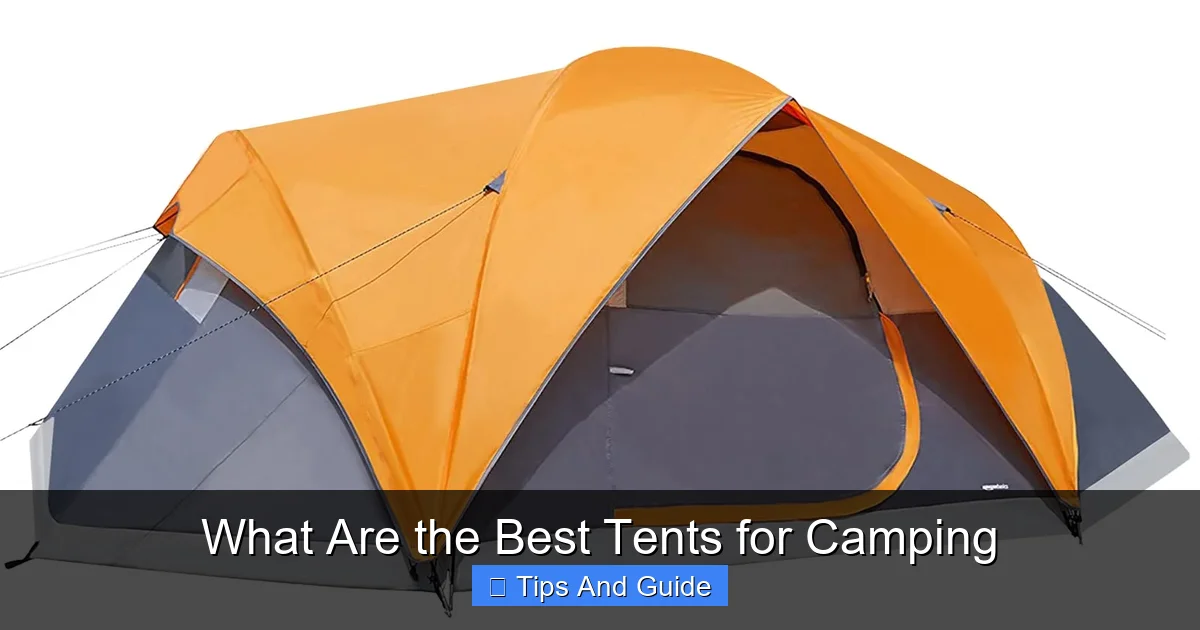
Choosing the best tents for camping depends on your needs—weather, group size, and trip type all matter. From lightweight backpacking models to spacious family shelters, we’ve rounded up top-rated options that balance comfort, durability, and value.
Planning your next outdoor adventure? One of the most important decisions you’ll make is choosing the right shelter. Whether you’re heading into the backcountry for a solo trek or setting up base camp with the whole family, the best tents for camping offer a perfect blend of protection, comfort, and convenience. With so many options on the market—from ultralight backpacking pods to glamping-ready bell tents—it’s easy to feel overwhelmed.
But don’t worry. We’ve done the research for you. In this guide, we’ll walk you through what makes a tent truly great, highlight top picks for different needs, and share practical tips to help you pick the perfect one. Whether you’re a first-time camper or a seasoned outdoor enthusiast, this article will help you find a tent that fits your lifestyle, budget, and terrain.
Key Takeaways
- Match tent size to your group: A 2-person tent is ideal for couples, while families should consider 4- to 8-person models with room dividers.
- Seasonality matters: 3-season tents work for spring to fall, but winter camping requires 4-season designs with reinforced poles and snow flaps.
- Waterproofing is non-negotiable: Look for a minimum 1,500mm hydrostatic head rating and fully taped seams to stay dry in rain.
- Ventilation prevents condensation: Mesh panels and adjustable vents keep airflow high, even when it’s wet outside.
- Setup ease saves time: Freestanding tents with color-coded poles or instant designs make pitching fast and frustration-free.
- Weight vs. comfort trade-off: Backpackers need ultralight tents under 5 lbs, while car campers can prioritize space and features.
📑 Table of Contents
Understanding Tent Types and Uses
Not all tents are created equal. The type of camping you plan to do will heavily influence which tent is right for you. Let’s break down the main categories.
Backpacking Tents
These are built for mobility. Lightweight, compact, and easy to carry, backpacking tents typically weigh between 2 and 5 pounds. They’re designed for 1 to 3 people and prioritize low weight over interior space. Look for models with aluminum poles, minimal fabric, and efficient packing. A great example is the best camping tents for two, which balance weight and comfort for couples on the trail.
Car Camping Tents
If you’re driving to your campsite, weight isn’t a concern—space and comfort are. Car camping tents are larger, heavier, and often feature multiple rooms, tall ceilings, and extra storage pockets. These are perfect for families or groups who want a home away from home. Check out our guide to the best big tents for camping if you need room to stretch out.
Family and Group Tents
For families of four or more, multi-room tents offer privacy and organization. Some even include built-in awnings or gear lofts. The best 3 room tents for camping are ideal for separating sleeping areas from living space, especially on longer trips.
Specialty Tents
From beach outings to winter expeditions, specialty tents are built for specific conditions. Need shelter from salt spray and sand? Explore the best camping tents for the beach. Preparing for snow and wind? The best all weather tents for camping are engineered to handle extreme conditions.
Key Features to Look for in a Camping Tent
With so many tents available, knowing what features matter most can save you time and money. Here’s what to prioritize.
Weather Resistance
A good tent must keep you dry and safe. Look for a waterproof rating of at least 1,500mm—higher is better for heavy rain. Fully taped seams and a durable rainfly are essential. For stormy conditions, consider a tent with a full-coverage fly and strong, flexible poles that can handle wind.
Ventilation and Condensation Control
Even the best waterproof tents can trap moisture inside if they don’t breathe. Mesh windows, roof vents, and dual doors help airflow and reduce condensation—especially important in humid or cold climates. Tents with adjustable vents let you fine-tune airflow based on the weather.
Ease of Setup
Nothing ruins a campsite arrival like struggling with a complicated tent. Freestanding designs with color-coded poles or instant setup systems (like those in pop-up tents) make pitching quick and easy. If you’re new to camping, check out the best camping tents for beginners—they’re designed for stress-free assembly.
Interior Space and Organization
Floor area and peak height determine how comfortable you’ll be inside. A 7-foot peak height allows most adults to stand, while vestibules offer covered storage for boots and packs. Interior pockets, gear lofts, and hanging organizers keep small items from getting lost.
Durability and Materials
Ripstop nylon and polyester are common tent fabrics—nylon is lighter, polyester resists UV damage better. Aluminum poles are stronger and lighter than fiberglass. Reinforced stress points and quality zippers also contribute to long-term durability.
Top Picks for Different Camping Needs
Now that you know what to look for, here are some of the best tents for camping across various categories.
Best Overall: REI Co-op Half Dome SL 2+
This versatile 2-person tent shines in almost any condition. It’s lightweight enough for backpacking but spacious enough for car camping. With two doors, great ventilation, and a 30D ripstop fabric, it’s a reliable all-rounder.
Best for Families: Coleman WeatherMaster 6
Perfect for families of four to six, this cabin-style tent features a screened room for bug-free lounging and a room divider for privacy. It’s not ultralight, but it’s durable, easy to set up, and offers excellent value.
Best for Backpacking: MSR Hubba Hubba NX 2
A favorite among thru-hikers, this tent weighs just 3.5 pounds and packs down small. It’s stormworthy, well-ventilated, and has two large vestibules—ideal for long-distance treks.
Best for Winter: Mountain Hardwear Trango 3
Built for alpine conditions, this 4-season tent handles snow loads and high winds with ease. Its geodesic design and robust poles make it a top pick for winter camping.
Best Budget Option: Coleman Sundome 2
At under $60, this no-frills tent is perfect for casual campers. It’s not the most durable, but it’s waterproof, easy to pitch, and great for fair-weather trips.
Tips for Choosing the Right Tent
Still unsure? Here are a few quick tips to narrow your search.
- Count the people, not the rating: A “4-person” tent is often tight for four adults. Add one to the number of people for comfort.
- Consider the seasons: Most campers do fine with a 3-season tent, but if you camp in snow or high winds, go 4-season.
- Test before you go: Set up your tent at home to check for missing parts and practice assembly.
- Read real reviews: Look for feedback on real-world performance—especially in rain and wind.
- Think long-term: A slightly more expensive tent with better materials may last years longer than a cheap one.
Final Thoughts
The best tents for camping aren’t necessarily the most expensive or the lightest—they’re the ones that match your needs. Whether you’re escaping for a weekend with your partner, hosting a family reunion under the stars, or braving a snowstorm in the mountains, the right tent makes all the difference.
Take time to assess your typical camping conditions, group size, and priorities. Do you value speed of setup? Extra headroom? Storm protection? Once you know what matters most, you can confidently choose a tent that will serve you well for years to come.
And remember: a great tent is just the beginning. Pair it with a quality sleeping pad, a warm sleeping bag, and a reliable camp stove, and you’ve got the foundation for an unforgettable outdoor experience.
Frequently Asked Questions
What size tent do I need for two people?
For two people, a 2- or 3-person tent is ideal. A 2-person offers snug comfort, while a 3-person gives extra space for gear and movement. Consider the best camping tents for two for top-rated options.
Can I use a 3-season tent in winter?
Generally, no. 3-season tents aren’t built for snow loads or high winds. For winter camping, choose a 4-season tent designed for harsh conditions. See our guide to the best camping tents for winter for safe, warm options.
How do I keep my tent dry inside?
Use a footprint under your tent, keep wet gear in vestibules, and ensure good ventilation. Avoid bringing damp clothes inside, and never cook in the tent. Proper setup and a quality rainfly are key.
Are pop-up tents good for camping?
Pop-up tents are convenient for short, fair-weather trips but often lack durability and weather resistance. They’re great for festivals or beach days, but not ideal for serious camping. Learn more in our article: Are Pop Up Tents Good for Camping?
What’s the difference between a 3-season and 4-season tent?
3-season tents are designed for spring, summer, and fall—offering ventilation and rain protection. 4-season tents have stronger poles, heavier fabrics, and better wind/snow resistance for winter use.
How much should I spend on a camping tent?
Prices range from $50 for basic models to $600+ for premium designs. For most campers, $150–$300 offers the best balance of quality, features, and durability. Explore the best camping tents for the money to find great value picks.
