

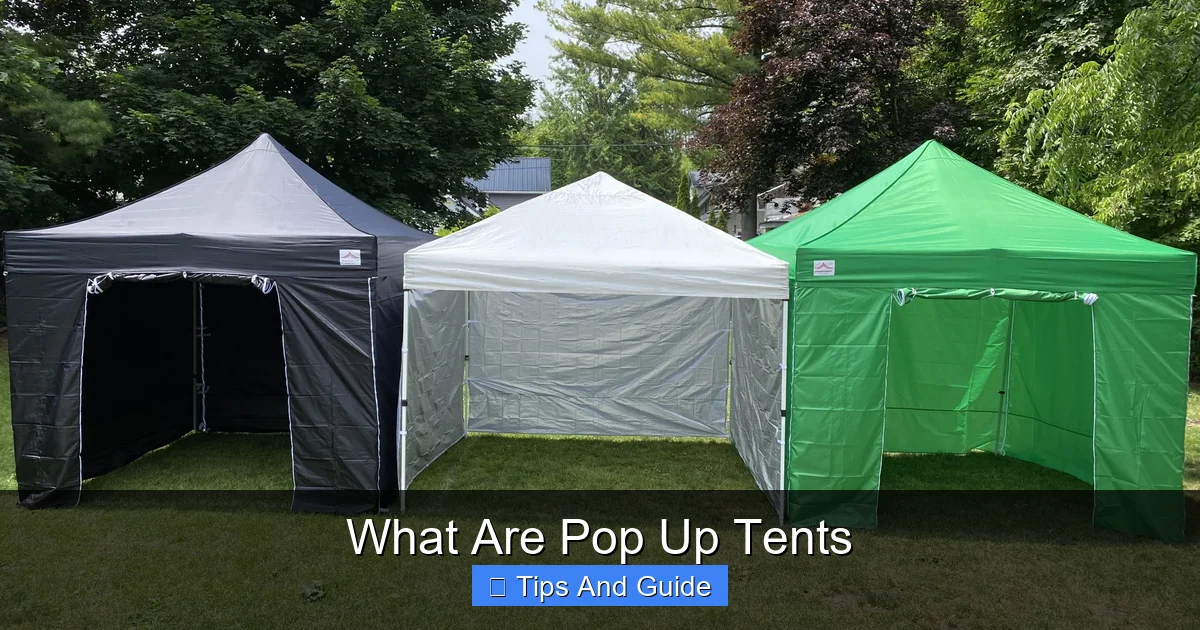
Pop up tents are lightweight, instant shelters that spring into shape in seconds—no poles or complex assembly required. They’re ideal for camping, beach days, festivals, and backyard use, offering quick shade, privacy, or weather protection with minimal effort.
If you’ve ever watched a tent literally “pop” open like magic, you’ve seen a pop up tent in action. These clever shelters have revolutionized outdoor convenience, turning what used to be a 15-minute setup chore into a near-instant experience. Whether you’re heading to the beach, setting up camp, or just need shade at a backyard barbecue, pop up tents offer a fast, fuss-free solution.
Unlike traditional tents that require poles, stakes, and a bit of patience, pop up tents use a flexible frame—usually made of spring steel or fiberglass—that’s pre-attached to the fabric. When you release the tent from its carrying bag, the frame automatically unfolds, pulling the canopy into shape. It’s like opening an umbrella, but bigger and sturdier. This design makes them especially popular among families, casual campers, and anyone who values time and simplicity over complex gear.
Key Takeaways
- Instant Setup: Pop up tents deploy in under 10 seconds using spring-loaded frames—just unfold and let them snap into place.
- Portable & Lightweight: Most models weigh under 10 pounds and pack down into compact carrying bags for easy transport.
- Multi-Purpose Use: Perfect for camping, beach outings, tailgating, festivals, picnics, and even as kids’ play tents.
- Weather-Resistant Options: Many feature UV protection, water-resistant coatings, and ventilation for comfort in sun, light rain, or wind.
- Affordable & Convenient: Generally more budget-friendly than traditional tents and require no tools or experience to use.
- Size Variety: Available in 1-person to 8+ person capacities, with options for screen rooms, privacy panels, and canopy styles.
📑 Table of Contents
How Do Pop Up Tents Work?
At the heart of every pop up tent is its self-supporting frame. Most use a coiled spring mechanism that’s been pre-shaped and sewn into the fabric seams. When stored, the frame is twisted and folded into a compact circle or figure-eight shape. Once you let go, the stored tension in the frame causes it to spring back to its original form—lifting the fabric canopy with it.
The Science Behind the Snap
The magic lies in the material and engineering. High-tension spring steel or reinforced fiberglass holds its shape under stress. When compressed during packing, it retains potential energy. Upon release, that energy is converted into kinetic motion, instantly expanding the structure. Modern designs often include cross-bracing or dual-hoop systems for added stability, especially in windy conditions.
Setup in Seconds
Setting up a pop up tent typically involves three steps: remove it from the bag, shake it open, and secure it with stakes or sandbags. No instructions, no tools, no confusion. Some premium models even come with color-coded corners or magnetic closures to ensure proper orientation. This makes them ideal for beginners or anyone who wants to avoid the frustration of tangled poles.
Types of Pop Up Tents
Not all pop up tents are created equal. Depending on your needs, you’ll find several specialized styles designed for specific environments and activities.
Camping Pop Up Tents
These are built for overnight stays and often include features like mesh windows, rainflies, and interior pockets. While not all are fully waterproof, many offer water-resistant floors and sealed seams. For serious campers, models like those reviewed in our Best Pop Up Tents for Camping guide balance ease of use with durability.
Beach Pop Up Tents
Lightweight and UV-protected, beach pop ups prioritize shade and sand resistance. They often have sand pockets in the corners, wide footprints for stability, and ventilation to prevent overheating. Check out our comparison of top performers in Best Beach Pop Up Tents for family-friendly options.
Shade & Canopy Tents
Used at festivals, tailgates, or outdoor markets, these focus on broad coverage rather than enclosed space. Many come with sidewalls, zippered doors, or branding panels. For event planners, our Best Pop Up Canopy Tents article breaks down the most reliable models.
Screen Rooms & Privacy Tents
Perfect for bug-free lounging or changing clothes at the beach, screen tents use fine mesh walls while privacy tents offer solid fabric for modesty. Both types pop up just as quickly but serve very different purposes.
Pros and Cons of Pop Up Tents
Like any gear, pop up tents have strengths and limitations. Understanding them helps you choose the right model for your lifestyle.
Advantages
- Speed: Set up in under 10 seconds—great for spontaneous trips.
- Ease of Use: No learning curve; even kids can handle it.
- Portability: Compact packed size fits in car trunks, closets, or backpacks.
- Low Maintenance: Fewer parts mean less to break or lose.
- Affordability: Often cheaper than comparable traditional tents.
Limitations
- Wind Sensitivity: Lightweight frames can collapse in strong gusts unless properly anchored.
- Durability: Frequent folding may weaken the frame over time.
- Limited Customization: Fewer vestibules, gear lofts, or modular options compared to traditional tents.
- Waterproofing Variance: Not all are fully storm-ready—check ratings before relying on them in heavy rain.
For a deeper dive into whether they’re right for overnight adventures, read our analysis on Are Pop Up Tents Good for Camping?.
Choosing the Right Pop Up Tent
With so many options on the market, picking the best one depends on your primary use case.
Consider Capacity
Pop up tents range from solo shelters (great for hikers or minimalists) to massive 8-person domes ideal for family camping. Always check floor dimensions—not just advertised capacity—since “4-person” often means tight quarters.
Evaluate Weather Resistance
Look for UPF 50+ ratings for sun protection, hydrostatic head ratings (1500mm+) for water resistance, and reinforced floors. If you plan to use it in variable weather, opt for models with removable rainflies or full-coverage designs.
Check Ventilation
Good airflow prevents condensation and keeps the interior cool. Mesh panels, adjustable vents, and dual doors improve circulation—especially important in humid or hot climates.
Portability Matters
If you’re walking to your campsite or carrying it across a beach, weight and packed size are crucial. Most quality pop ups weigh between 6–12 lbs and pack down to about 30 inches in diameter.
Tips for Using and Maintaining Your Pop Up Tent
To get the most out of your investment, follow these best practices:
- Always anchor it: Use stakes, sandbags, or tie-downs—even on calm days. A sudden breeze can send an unsecured tent flying.
- Practice folding: While they pop open easily, folding them back correctly takes a little technique. Most manufacturers include a video guide—watch it once to avoid frustration.
- Clean after use: Rinse off sand, salt, or dirt before storing to prevent fabric degradation.
- Store dry: Never pack a wet tent—mildew and mold can ruin the fabric and frame.
- Inspect regularly: Check for frayed seams, bent frames, or weakened springs before each trip.
Conclusion
Pop up tents are more than just a convenient gimmick—they’re a smart, practical choice for anyone who loves the outdoors but hates hassle. From beach days to backyard sleepovers, their instant setup, portability, and versatility make them a staple in modern outdoor gear. While they may not replace heavy-duty expedition tents for extreme conditions, they excel in everyday scenarios where speed and simplicity matter most.
Whether you’re a weekend warrior, a parent looking for quick shade, or a festival-goer needing reliable cover, there’s a pop up tent designed for you. With the right model and a little care, it can be your go-to shelter for years of outdoor fun.
Frequently Asked Questions
Are pop up tents waterproof?
Many pop up tents offer water-resistant coatings and sealed seams, but not all are fully waterproof. Check the hydrostatic head rating—1500mm or higher is recommended for rain protection. For more details, see our guide on Are Pop Up Canopies Waterproof?.
How do you fold a pop up tent back into its bag?
Folding requires a specific twisting motion—usually a figure-eight pattern. Most brands include instructions or online videos. Practice once at home to master the technique and avoid damage.
Can pop up tents withstand wind?
They can handle light to moderate wind if properly anchored with stakes or weights. However, strong gusts may collapse lightweight frames. Always use guylines and avoid using them in storms.
Are pop up tents good for car camping?
Absolutely! Their quick setup makes them ideal for car campers who want to arrive and relax—not spend time pitching a tent. Explore top picks in our Best Camping Pop Up Tents roundup.
Do pop up tents have floors?
Some do, especially camping and beach models. Floorless designs are common for shade canopies or screen rooms. Always check the product description if a floor is important to you.
How long do pop up tents last?
With proper care, a quality pop up tent can last 3–5 seasons or more. Frame fatigue and fabric wear are the main factors—avoid over-folding and store in a cool, dry place.
