Why Tent Is Important in Camping
A tent is more than just a shelter—it’s your home away from home in the wilderness. It provides protection from weather, insects, and wildlife while offering privacy and comfort. Without a reliable tent, camping would be far less enjoyable and potentially unsafe.
Key Takeaways
- Weather Protection: A quality tent shields you from rain, wind, snow, and extreme heat, ensuring you stay dry and comfortable no matter the forecast.
- Bug and Wildlife Barrier: Tents keep mosquitoes, spiders, and small animals out, reducing bites and disturbances during sleep.
- Personal Space and Privacy: Even in crowded campgrounds, a tent offers a private retreat for changing, resting, or unwinding.
- Improved Sleep Quality: A well-ventilated, insulated tent helps regulate temperature and reduces noise, leading to better rest.
- Safe Storage for Gear: Your tent doubles as a secure place to store backpacks, electronics, and food away from critters.
- Enhanced Camping Experience: The right tent boosts confidence, comfort, and overall enjoyment, making outdoor adventures more memorable.
📑 Table of Contents
Why Tent Is Important in Camping
Imagine this: You’ve hiked for hours, the sun is setting, and you’re ready to unwind under the stars. But without a tent, you’re exposed—to the cold, the bugs, maybe even a curious raccoon. That’s when it hits you: a tent isn’t just an accessory. It’s a necessity.
Camping is all about connecting with nature, but that doesn’t mean you have to rough it completely. A good tent strikes the perfect balance between adventure and comfort. It’s your personal sanctuary in the wild—a place to recharge, stay safe, and truly enjoy the outdoors. Whether you’re backpacking through the mountains or setting up camp at a lakeside site, your tent plays a central role in your experience.
In this guide, we’ll explore the many reasons why a tent is important in camping, from safety and comfort to practicality and peace of mind. You’ll also get tips on choosing the right one and making the most of your shelter in various conditions.
Protection from the Elements
One of the most obvious—but most critical—reasons a tent is important in camping is weather protection. Mother Nature doesn’t always cooperate. A sudden downpour, a chilly night, or scorching daytime heat can turn a fun trip into a miserable ordeal.
Rain and Moisture Defense
A waterproof tent with a sturdy rainfly keeps you dry during unexpected showers. Modern tents use sealed seams and durable fabrics like ripstop nylon or polyester to repel water. Without this protection, you risk hypothermia, ruined gear, and sleepless nights.
For example, if you’re camping in Southern California’s coastal areas, afternoon drizzle is common. A reliable tent ensures you stay cozy while others scramble for cover. Check out our guide on the best beach tent camping in California for region-specific recommendations.
Wind and Cold Resistance
Tents act as windbreaks, reducing the chilling effect of cold gusts. In winter or high-altitude camping, this can be life-saving. Look for four-season tents with reinforced poles and low profiles to withstand strong winds.
Sun and Heat Shielding
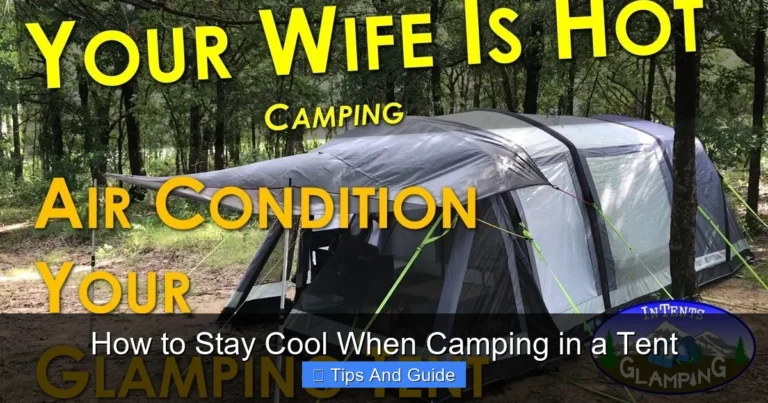
On hot summer days, a tent provides shade and reduces heat buildup. Ventilated models with mesh panels help circulate air, keeping the interior cooler. For tips on beating the heat, read our article on how to stay cool while camping in a tent.
Safety and Security
Beyond weather, a tent offers vital safety benefits. It’s your first line of defense against insects, animals, and even other campers.
Bug and Insect Barrier
Mosquitoes, ticks, and flies aren’t just annoying—they can carry diseases. A tent with fine mesh screens keeps these pests out while allowing airflow. This is especially important in humid or wooded areas.
Wildlife Deterrence
While tents won’t stop a bear, they do deter smaller animals like mice, snakes, or raccoons from crawling into your sleeping area. Keeping food stored properly outside the tent (in bear canisters or hung from trees) is still essential, but your tent adds an extra layer of security.
Privacy from Other Campers
Even in busy campgrounds, a tent gives you a private space to change clothes, rest, or have quiet time. This is especially valuable for families or groups who need personal downtime.
Comfort and Better Sleep
Let’s be honest—sleeping on the ground isn’t always comfortable. A tent improves your rest in several ways.
Insulation and Temperature Control
Tents trap body heat, making nights warmer. In colder months, pairing your tent with a quality sleeping pad and bag enhances insulation. For winter camping tips, see our guide on how to stay warm while camping in a tent.
Noise Reduction
A tent muffles outside sounds—like wind, animals, or distant campfires—helping you sleep more soundly. This is a game-changer if you’re a light sleeper.
Elevated Sleeping Setup
Using a cot or air mattress inside your tent elevates you off the cold, damp ground. For ideas, check out our review of the best beds for camping in a tent.
Gear Protection and Organization
Your tent isn’t just for sleeping—it’s also a storage hub.
Safe Storage Space
Backpacks, electronics, clothes, and cooking gear stay dry and secure inside your tent. This prevents damage from rain, dew, or curious animals.
Designated Living Area
Many campers use their tent as a “base camp” for daily activities—reading, playing cards, or planning the next day’s hike. A spacious model with room to stand up (like the best camping tent you can stand up in) makes this easier.
Easy Access to Essentials
Pockets, gear lofts, and vestibules help organize small items like flashlights, phones, or snacks. This reduces clutter and saves time when you need something quickly.
Versatility Across Camping Styles
Not all tents are the same—and that’s a good thing. Different camping styles call for different shelters.
Backpacking vs. Car Camping
Backpackers need lightweight, compact tents that won’t weigh them down. Car campers can prioritize space and comfort, opting for larger models with extra features.
Beach and Coastal Camping
Beach tents need to resist sand, salt, and wind. They often have sand pockets or heavy bases for stability. For coastal adventures, explore the best beach tent camping options.
Family and Group Camping
Large family tents offer multiple rooms, privacy dividers, and ample headroom. These are ideal for longer trips with kids or friends.
Peace of Mind and Confidence
Finally, a reliable tent gives you mental comfort. Knowing you have a safe, dry place to retreat to lets you fully enjoy your adventure.
Reduced Stress in Unpredictable Conditions
Whether it’s a sudden storm or a noisy campsite, your tent is your safe zone. This peace of mind enhances relaxation and lets you focus on the experience.
Encourages Longer and More Frequent Trips
When you’re confident in your shelter, you’re more likely to camp in different seasons and locations. A good tent opens doors to new adventures.
Choosing the Right Tent for Your Needs
Not all tents are created equal. Here’s what to consider:
- Season Rating: 3-season tents work for spring, summer, and fall. 4-season tents handle winter conditions.
- Capacity: Choose a tent rated for one more person than your group size for extra space.
- Weight and Packability: Important for backpacking; less critical for car camping.
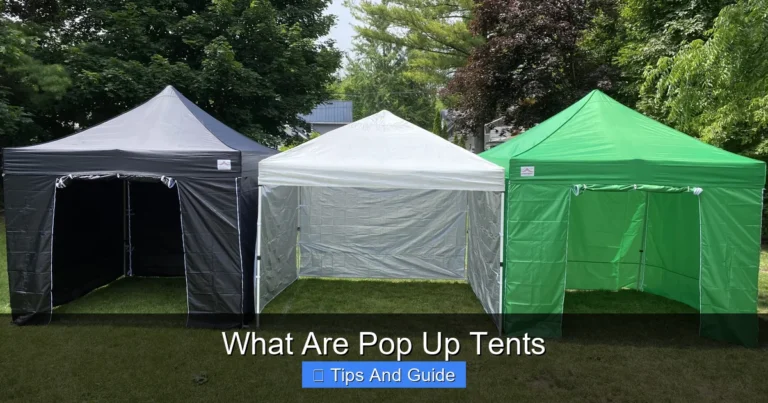
- Setup Ease: Instant or pop-up tents save time and frustration.
- Ventilation: Look for mesh panels and adjustable vents to reduce condensation.
For a head-to-head comparison, read our article on Coleman Instant vs Camping Tent 2: Which Is Best?.
Conclusion
A tent is far more than a piece of fabric with poles—it’s the heart of your camping experience. It protects you from the elements, keeps you safe from insects and wildlife, and provides a comfortable, private space to rest and recharge. Whether you’re a weekend warrior or a seasoned backpacker, investing in a quality tent is one of the best decisions you can make.
From staying dry in a rainstorm to enjoying a peaceful night’s sleep under the stars, your tent enables every moment of your outdoor adventure. So before you head out on your next trip, make sure your shelter is up to the task. After all, great camping starts with a great tent.
Frequently Asked Questions
Why is a tent necessary for camping?
A tent is essential because it provides protection from weather, insects, and wildlife. It also offers privacy, improves sleep quality, and serves as a safe storage space for your gear.
Can I camp without a tent?
Technically, yes—some campers use hammocks or bivy sacks. However, a tent offers far greater comfort, safety, and versatility, especially in unpredictable conditions.
What should I look for when buying a camping tent?
Consider season rating, capacity, weight, ease of setup, and ventilation. Match the tent to your camping style—backpacking, car camping, or family trips.
How do I keep my tent dry in the rain?
Use a waterproof rainfly, seal seams, and set up on elevated ground. Avoid placing the tent in low spots where water can pool.
Can I use a beach tent for regular camping?
Beach tents are designed for sand and sun, not rugged terrain or heavy rain. They lack durability and weather resistance needed for most camping trips.
How do I stay warm in a tent during winter?
Use a four-season tent, insulated sleeping pad, and a warm sleeping bag. Add a tent heater (safely) or hot water bottle for extra warmth.