Why Do You Need a Tent for Camping
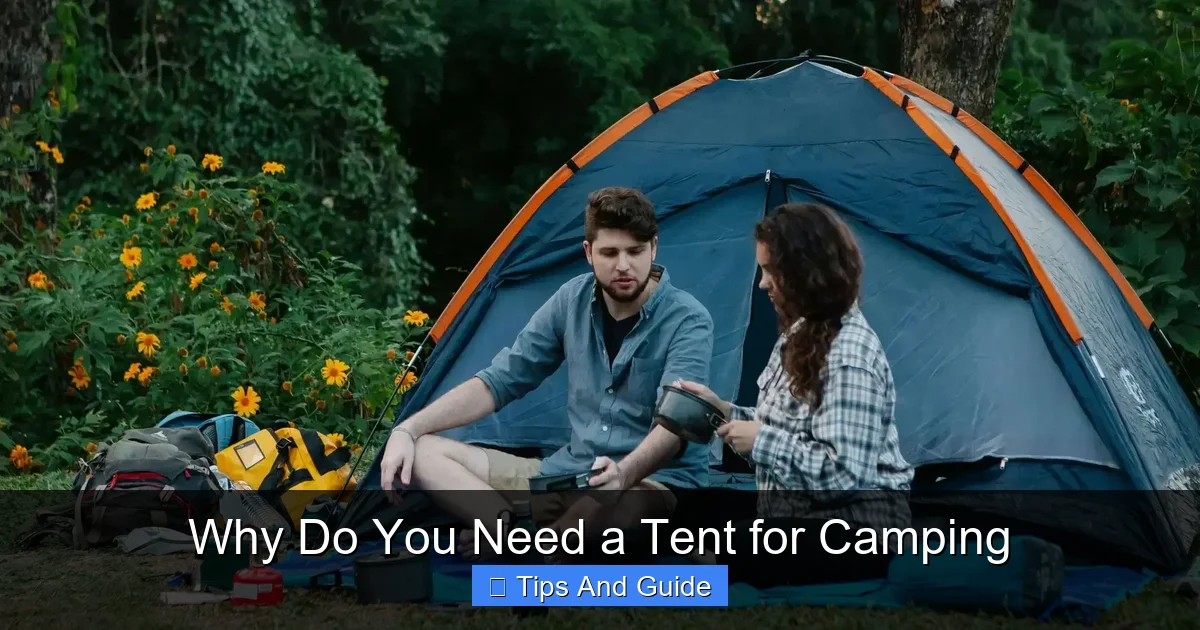
You need a tent for camping because it provides essential shelter, protection from weather, privacy, and a safe place to sleep. Without one, you’re exposed to insects, rain, wind, and temperature swings—making your trip uncomfortable or even dangerous.
Key Takeaways
- Shelter from the elements: A tent shields you from rain, wind, snow, and extreme sun, keeping you dry and comfortable.
- Protection from insects and wildlife: It acts as a barrier against bugs, snakes, and curious animals.
- Safe and private sleeping space: Tents offer a secure, enclosed area to rest, change clothes, or store gear.
- Improved sleep quality: A good tent reduces noise and light, helping you sleep better in the wild.
- Weather adaptability: Modern tents are designed for specific conditions—from summer heat to winter cold.
- Enhanced camping experience: A reliable tent makes camping more enjoyable, stress-free, and memorable.
- Versatility for different terrains: Whether backpacking or car camping, there’s a tent suited for your adventure.
📑 Table of Contents
Why Do You Need a Tent for Camping?
Camping is one of the most rewarding ways to connect with nature, unwind from daily stress, and enjoy quality time with family or friends. But while the idea of sleeping under the stars sounds romantic, the reality can be far less magical without proper preparation. One of the most important pieces of gear you’ll bring on any camping trip is a tent. But why do you need a tent for camping? It’s more than just a place to sleep—it’s your home away from home in the wilderness.
A tent provides essential protection, comfort, and security that can make or break your outdoor experience. Whether you’re camping in a national park, by a lake, or deep in the backcountry, a good tent ensures you stay dry during sudden rainstorms, shielded from biting insects, and warm on chilly nights. It also gives you a private space to relax, store your belongings, and recharge after a long day of hiking or exploring. Without a tent, you’re left exposed to the unpredictable forces of nature—something no camper should risk.
Shelter from the Elements
One of the primary reasons you need a tent for camping is to protect yourself from the weather. Mother Nature doesn’t always cooperate, and conditions can change quickly—even on a sunny day.
Rain and Moisture Protection
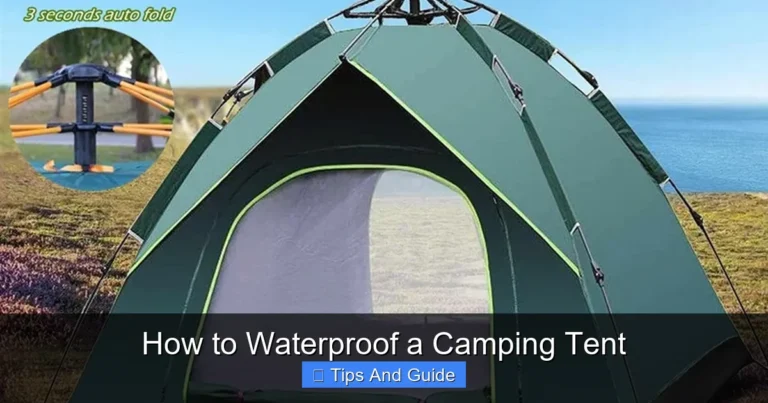
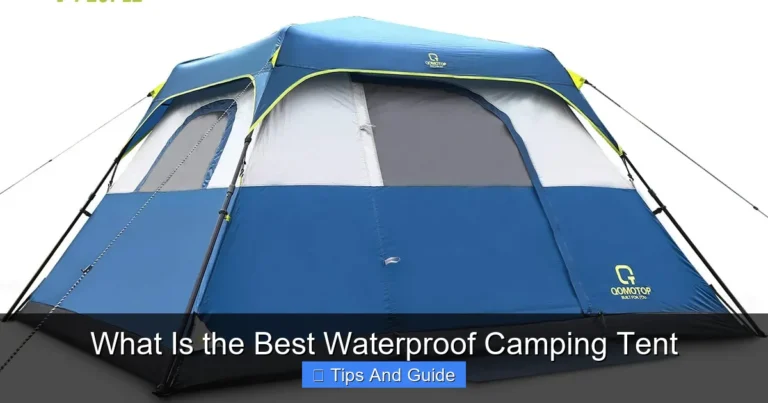
Imagine setting up camp after a long hike, only to be greeted by an unexpected downpour. Without a tent, you’d be soaked within minutes. A quality tent with a waterproof rainfly and sealed seams keeps you and your gear dry. For example, if you’re camping in the Pacific Northwest, where rain is common, a reliable tent is non-negotiable. Look for tents with a high hydrostatic head rating (at least 1500mm) and taped seams to ensure maximum water resistance.
Wind and Cold Defense
Wind can turn a pleasant evening into a miserable night, especially at higher elevations or in open fields. A sturdy tent with strong poles and secure guylines helps anchor your shelter against strong gusts. In colder climates, a tent traps body heat and creates a microclimate that’s significantly warmer than the outside air. For winter camping, consider a four-season tent designed to handle snow loads and freezing temperatures. Learn more about staying warm with our guide on how to insulate a tent for winter camping.
Sun and Heat Shielding
On the flip side, intense sun exposure can lead to overheating, sunburn, and dehydration. A tent with UV-resistant fabric and good ventilation helps block harmful rays while allowing airflow. Mesh panels and adjustable vents prevent condensation buildup and keep the interior cooler during hot summer days.
Protection from Insects and Wildlife
Another crucial reason you need a tent for camping is to stay safe from bugs and animals.
Bug-Free Sleeping
Mosquitoes, ticks, flies, and other insects aren’t just annoying—they can carry diseases like Lyme disease or West Nile virus. A tent with fine mesh screens keeps these pests out while still letting in fresh air. For added protection, use permethrin-treated gear or natural repellents around the tent perimeter.
Wildlife Safety
While most animals won’t bother you, some—like raccoons, bears, or curious deer—might be attracted to food smells. Keeping your food stored properly is essential, but having a tent adds another layer of security. It gives you a safe zone to retreat to if an animal wanders too close. Plus, sleeping inside a tent reduces the chance of accidental encounters during the night.
Privacy and Personal Space
Even in the great outdoors, everyone needs a little privacy.
A Place to Change and Relax
When you’re camping with others, having a private space to change clothes, apply sunscreen, or simply unwind is invaluable. A tent offers that seclusion, especially in crowded campgrounds where sites are close together. It’s your personal retreat where you can recharge without feeling exposed.
Storage for Gear and Belongings
A tent isn’t just for sleeping—it’s also a storage hub. You can keep your backpack, shoes, electronics, and extra clothes inside, protected from dew, dirt, and critters. Some tents even come with gear lofts or vestibules for extra storage space outside the main sleeping area.
Better Sleep Quality
Good sleep is essential for enjoying your camping trip, and a tent plays a big role in that.
Noise and Light Reduction
Nature sounds like crickets or rustling leaves can be soothing, but loud noises from other campers or nearby roads can disrupt sleep. A tent muffles external sounds, creating a quieter environment. Darker tents or those with blackout features also block early morning light, helping you sleep in.
Comfort with the Right Setup
Pair your tent with a quality sleeping pad or air mattress for added comfort. Check out our recommendations for the best beds for camping in a tent to find the perfect match. A comfortable sleeping surface, combined with a well-ventilated tent, ensures you wake up refreshed and ready for adventure.
Choosing the Right Tent for Your Needs
Not all tents are created equal. The right one depends on your camping style, group size, and destination.
Backpacking vs. Car Camping
If you’re hiking into remote areas, a lightweight, compact tent is essential. Look for models under 5 pounds with easy setup. For car camping, weight is less of a concern, so you can opt for larger, more feature-rich tents with extra room and amenities.
Seasonality Matters
Three-season tents are ideal for spring, summer, and fall. They’re lightweight and well-ventilated. Four-season tents are heavier but built to withstand snow and high winds—perfect for winter adventures. Learn more about choosing the right type with our guide on a type of tent use for car camping.
Size and Capacity
Don’t just go by the number of people a tent claims to fit. A “3-person” tent might be cramped for three adults. Consider a slightly larger size for comfort, especially if you’re sharing with kids or pets. Families might prefer a spacious option like the best camping tent for a family of 4.
Enhancing Your Tent Experience
Once you have the right tent, there are ways to make it even better.
Weatherproofing and Maintenance
Keep your tent in top shape by waterproofing it regularly. Use a seam sealer on stitched areas and apply a durable water repellent (DWR) coating to the fabric. After each trip, clean and dry your tent thoroughly to prevent mold and mildew. For detailed steps, see our guide on how to waterproof a tent.
Adding Comfort and Convenience
Upgrade your setup with accessories like a footprint (groundsheet), LED lanterns, or a small fan for airflow. In hot climates, consider a portable air conditioner—yes, they exist for tents! Explore options in our article on the best AC unit for tent camping.
Proper Setup and Takedown
Practice pitching your tent at home before your trip. Knowing how to set it up quickly saves time and stress at the campsite. Always follow the manufacturer’s instructions and use all included stakes and guylines for stability.
Conclusion
So, why do you need a tent for camping? The answer is clear: it’s your lifeline in the wilderness. From shielding you from rain and wind to keeping bugs at bay and providing a private, comfortable space to sleep, a tent is indispensable for any successful camping trip. It transforms a potentially uncomfortable night under the stars into a cozy, secure, and enjoyable experience.
Investing in a quality tent that matches your needs ensures you’re prepared for whatever nature throws your way. Whether you’re a weekend warrior or a seasoned backpacker, the right tent enhances safety, comfort, and overall enjoyment. So before you head out on your next adventure, make sure your tent is packed, in good condition, and ready to go. After all, a great camping trip starts with a great night’s sleep—and that begins with a reliable tent.
Frequently Asked Questions
Do I really need a tent if I’m just camping for one night?
Yes, even for a single night, a tent provides essential protection from weather, insects, and wildlife. It ensures you stay dry, safe, and comfortable, no matter how short your trip.
Can I camp without a tent using just a tarp?
While a tarp can offer basic shelter, it doesn’t provide full protection from rain, wind, or bugs. A tent is far more reliable and comfortable for most campers.
What’s the best type of tent for beginners?
A freestanding, three-season dome tent is ideal for beginners. It’s easy to set up, affordable, and versatile for most camping conditions.
How do I keep my tent cool in hot weather?
Use a tent with mesh panels, open vents, and a light-colored rainfly. You can also add a portable fan or reflective sunshade to reduce heat buildup.
Is it safe to sleep in a tent during a thunderstorm?
While no place is 100% safe in a storm, a tent offers better protection than being exposed. Avoid setting up under tall trees and stay away from open fields or ridges.
How often should I replace my camping tent?
With proper care, a quality tent can last 5–10 years. Replace it if the fabric is torn, poles are broken, or it no longer repels water effectively.