Which Tents Are Best for Camping
Choosing the right tent can make or break your camping trip. With so many options available, it’s important to consider factors like size, weather resistance, ease of setup, and portability. This guide breaks down the best tents for different needs so you can camp comfortably and confidently.
[FEATURED_IMAGE_PLACEHEROLDER]
Key Takeaways
- Match tent size to your group: A 2-person tent works for couples, while families should consider 6- or 8-person models for comfort.
- Weather matters: All-season and all-weather tents offer better protection in rain, wind, and cold compared to basic summer tents.
- Ease of setup is crucial: Pop-up and air tents save time, especially for beginners or family trips.
- Ventilation prevents condensation: Look for mesh panels and adjustable vents to stay dry and comfortable inside.
- Weight and packability count for backpacking: Ultralight tents are ideal for hikers; heavier ones suit car camping.
- Durability ensures longevity: Ripstop nylon and reinforced poles last longer in rough conditions.
- Special features enhance comfort: Gear lofts, vestibules, and blackout fabric improve usability and sleep quality.
📑 Table of Contents
- Introduction: Why the Right Tent Makes All the Difference
- Understanding Tent Types and Their Best Uses
- Choosing the Right Size: How Many People Fit Comfortably?
- Weather Resistance: Staying Dry and Warm in Any Condition
- Ease of Setup: From First-Timers to Seasoned Campers
- Special Features That Enhance Your Camping Experience
- Conclusion: Finding Your Perfect Camping Tent
Introduction: Why the Right Tent Makes All the Difference
So, you’ve packed your sleeping bag, grabbed your flashlight, and double-checked the weather—but have you picked the right tent? If you’re wondering which tents are best for camping, you’re not alone. A good tent is more than just a shelter; it’s your home away from home. Whether you’re heading into the mountains, setting up at a music festival, or enjoying a weekend at the beach, the right tent can mean the difference between a cozy night under the stars and a miserable, soggy experience.
With so many styles, sizes, and features on the market, it’s easy to feel overwhelmed. Do you need a pop-up tent for quick setup? Should you invest in an all-weather model for unpredictable climates? Or maybe a spacious 3-room tent for your growing family? The truth is, there’s no one-size-fits-all answer. The best tent for you depends on your camping style, group size, and the conditions you expect to face. That’s why we’ve put together this complete guide to help you find the perfect match.
Understanding Tent Types and Their Best Uses
Not all tents are created equal. Different designs serve different purposes, so knowing the types available will help you narrow your search.
Dome Tents: The All-Around Favorite
Dome tents are the most common and versatile option. Their curved shape offers excellent wind resistance and stability, making them great for most camping situations. They’re easy to set up, usually with two crossing poles, and provide good headroom. Brands like Coleman and REI offer reliable dome tents that work well for car camping and family trips. If you’re new to camping, a dome tent is a safe bet.
Cabin Tents: Spacious and Comfortable
If you’re camping with a group or family, cabin tents are hard to beat. These tall, boxy tents offer near-vertical walls, giving you plenty of standing room and usable floor space. They’re ideal for car camping since they’re heavier and bulkier. For example, the best 8-person tents for camping often fall into the cabin category, offering separate rooms and large vestibules for gear storage.
Backpacking Tents: Light and Compact
For hikers and backpackers, weight is everything. Backpacking tents are designed to be ultralight and pack down small. They typically use aluminum poles and lightweight fabrics like silnylon. While they may sacrifice some comfort, they’re built for mobility. If you’re planning a multi-day trek, check out the best camping tents for 2 person trips—they’re perfect for couples or solo adventurers who want to travel light.
Pop-Up and Air Tents: Quick and Convenient
Pop-up tents spring into shape in seconds—great for festivals or casual campers who hate complicated setups. Air tents use inflatable beams instead of poles, offering a sturdy structure without the hassle. While not as durable as traditional tents, they’re perfect for fair-weather camping. Learn more about these easy options in our guide to the best pop-up tents for camping.
Choosing the Right Size: How Many People Fit Comfortably?
One of the biggest mistakes campers make is choosing a tent that’s too small. Manufacturers often label tents by the number of people they can sleep, but that doesn’t always account for gear, movement, or personal space.
Sleeping Capacity vs. Real-World Comfort
A 3-person tent might technically fit three adults, but it’ll be tight. For comfort, consider sizing up. A family of four should look at a 6-person tent to allow room for backpacks, kids’ toys, and a little breathing space. If you’re camping with kids, the best camping tents for 2 kids often include fun designs and extra storage pockets to keep things organized.
Vestibules and Gear Storage
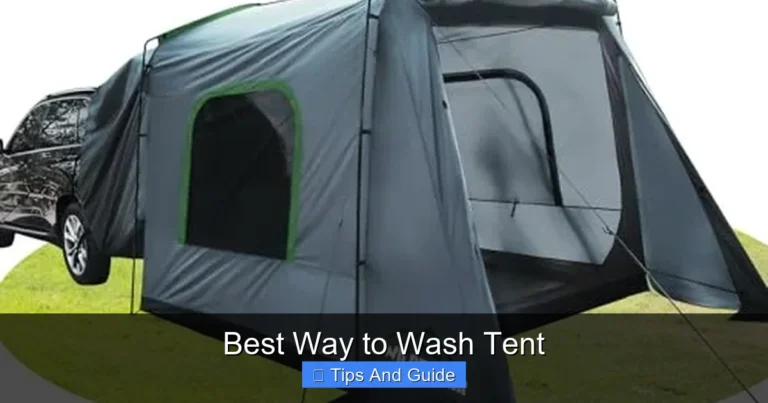
Don’t forget about your stuff! A vestibule—an awning-like area outside the main door—lets you store muddy boots, backpacks, or coolers without bringing dirt inside. Some tents have multiple vestibules, which is great for couples who want separate entry points. Look for models with gear lofts or interior pockets to keep small items off the floor.
Weather Resistance: Staying Dry and Warm in Any Condition
Mother Nature doesn’t always cooperate. Rain, wind, and cold can turn a fun trip into a survival challenge—unless you’ve got the right tent.
Waterproof Ratings and Rainflies
The waterproof rating, measured in millimeters (mm), tells you how well a tent resists rain. A rating of 1,200mm is okay for light showers, but 2,000mm or higher is better for heavy downpours. Always check that the tent includes a full-coverage rainfly—the outer layer that sheds water. For wet climates, consider the best camping tents for rain, which feature sealed seams and bathtub floors to keep water out.
Seasonality: 3-Season vs. 4-Season Tents
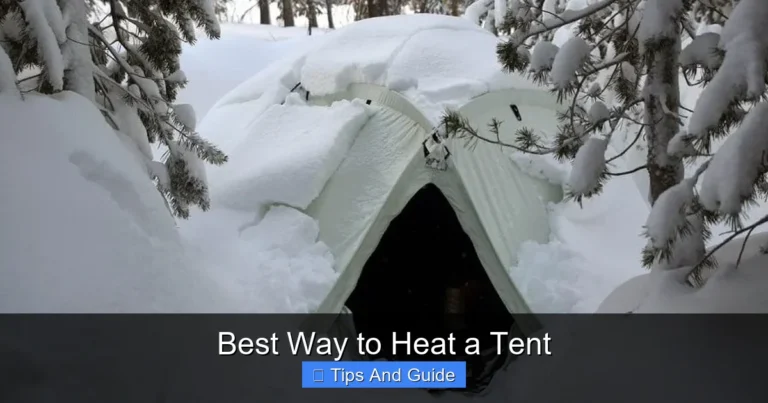
Most campers use 3-season tents, designed for spring, summer, and fall. They’re lightweight and well-ventilated. But if you’re heading into snow or high winds, you’ll need a 4-season tent. These are built with stronger poles, heavier fabrics, and fewer mesh areas to retain heat. For winter adventures, explore the best camping tents for winter to stay safe and warm.
Ventilation and Condensation Control
Even in cold weather, condensation can build up inside your tent from breathing and wet gear. Look for tents with mesh roof panels, adjustable vents, and dual-layer doors. Good airflow reduces moisture and keeps the interior fresher. Some high-end models even have anti-condensation flaps over vents.
Ease of Setup: From First-Timers to Seasoned Campers
Nothing ruins a camping mood faster than struggling with a complicated tent in the dark. Fortunately, modern designs have made setup easier than ever.
Color-Coded Poles and Clips
Many tents now use color-coded poles and attachment points, so you don’t have to guess which piece goes where. This is especially helpful for families or groups setting up together. Practice pitching your tent at home before your trip—it saves time and frustration at the campsite.
Instant and Pop-Up Tents
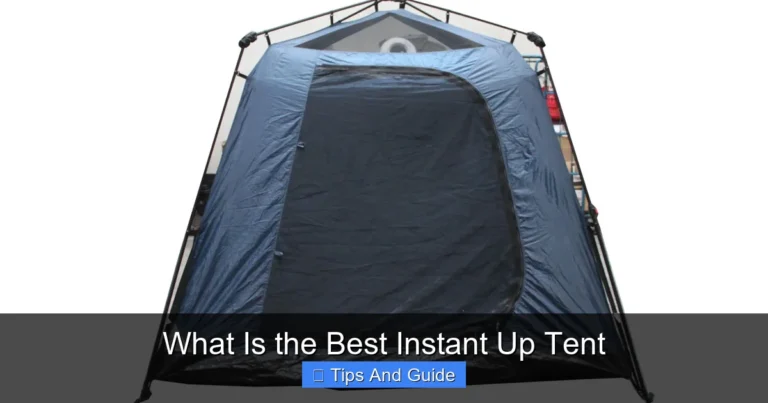
If you hate tent assembly, instant or pop-up tents are a game-changer. These can be set up in under a minute. While they may not be as durable as traditional tents, they’re perfect for casual campers, beach trips, or festivals. Just remember to secure them well in windy conditions.
Freestanding vs. Non-Freestanding Tents
Freestanding tents can stand on their own without stakes, making them easier to move or reposition. Non-freestanding models rely on guylines and stakes, which can be tricky on rocky or hard ground. For most campers, freestanding is the way to go.
Special Features That Enhance Your Camping Experience
Beyond the basics, some tents come with extras that make camping more comfortable and convenient.
Room Dividers and Multiple Doors
For families or groups, privacy matters. Tents with room dividers let you create separate sleeping areas. Multiple doors mean no more climbing over your partner to get to the bathroom at 2 a.m. The best 3-room tents for camping offer maximum privacy and organization for larger groups.
Blackout and Light-Blocking Fabric
Some tents use dark fabric or special coatings to block sunlight, helping you sleep in later—perfect for kids or light-sensitive sleepers. This feature is common in glamping-style tents and family models.
Integrated LED Lighting and Power Ports
A few high-end tents now include built-in LED lights or ports for charging devices. While not essential, these features add a touch of modern comfort, especially for extended trips or glamping setups.
Conclusion: Finding Your Perfect Camping Tent
So, which tents are best for camping? The answer depends on you. Are you a solo backpacker needing something light? A family of five looking for space and comfort? Or a couple wanting a romantic weekend under the stars? By considering size, weather needs, ease of setup, and special features, you can find a tent that fits your lifestyle.
Don’t rush the decision. Read reviews, compare models, and think about how and where you’ll use your tent most. A little research now can save you from a soggy, cramped, or frustrating experience later. Whether you go for a rugged 4-season shelter or a breezy pop-up for the beach, the right tent will keep you dry, safe, and happy—so you can focus on what really matters: enjoying the great outdoors.
Frequently Asked Questions
What’s the best tent for a family of four?
A 6- or 8-person cabin tent is ideal for a family of four. It provides enough space for everyone to sleep comfortably and store gear. Look for models with room dividers and vestibules for added convenience.
Are pop-up tents good for camping?
Yes, for fair-weather camping. Pop-up tents are quick to set up and great for festivals or casual trips. However, they may not hold up well in strong winds or heavy rain.
How do I keep my tent dry in the rain?
Choose a tent with a high waterproof rating (2,000mm+), a full rainfly, and sealed seams. Always set up on higher ground and use a groundsheet underneath to prevent moisture from wicking up.
Can I use a 3-season tent in winter?
It’s not recommended. 3-season tents lack the insulation and structural strength needed for snow and high winds. Use a 4-season tent for winter camping.
What’s the difference between a dome and a cabin tent?
Dome tents are lightweight, wind-resistant, and easy to pitch. Cabin tents are taller, more spacious, and better for car camping, but heavier and less stable in wind.
Do I need a tent with a vestibule?
Vestibules are highly recommended. They provide covered space to store wet gear, shoes, or backpacks, keeping the interior clean and dry—especially useful in rainy or muddy conditions.