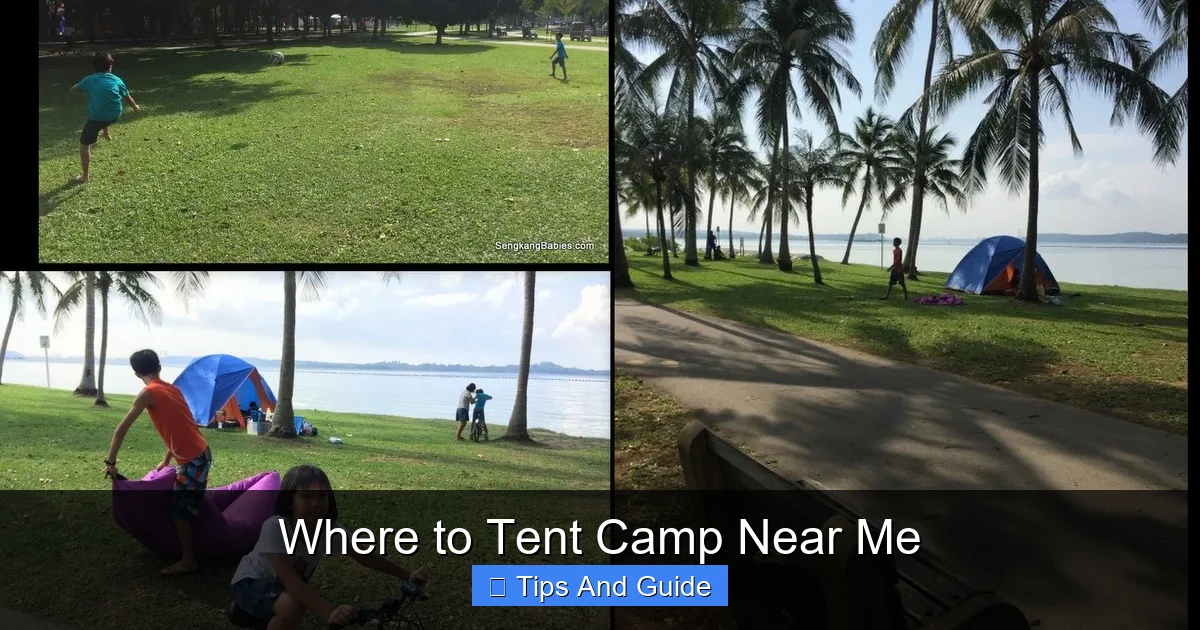
Where to Tent Camp Near Me
Finding the perfect spot to tent camp near you doesn’t have to be overwhelming. Whether you’re looking for a quiet forest retreat, a lakeside escape, or a free dispersed camping area, this guide helps you locate safe, scenic, and accessible tent camping locations close to home.
Key Takeaways
- Use online tools and apps: Platforms like Recreation.gov, The Dyrt, and AllTrails help you find and book tent camping sites near you with real-time availability and reviews.
- Check public lands for free options: National forests, Bureau of Land Management (BLM) areas, and state forests often allow dispersed tent camping at no cost.
- Consider proximity and amenities: Choose sites based on distance from home, access to water, restrooms, fire rings, and pet policies to match your comfort level.
- Reserve early for popular spots: High-demand campgrounds fill up fast—book months in advance, especially during summer and holiday weekends.
- Follow Leave No Trace principles: Always pack out trash, minimize campfire impact, and respect wildlife to keep natural areas pristine for future campers.
- Prepare for weather and terrain: Research seasonal conditions and terrain type (mountains, deserts, forests) to pack the right gear and stay safe.
- Bring the right gear: A quality tent, sleeping bag, and pad are essential—check our guide on the best way to tent camp for gear tips.
📑 Table of Contents
Why Tent Camping Near You Is the Perfect Adventure
Tent camping is one of the most rewarding ways to connect with nature, unwind from daily stress, and create lasting memories. The best part? You don’t need to travel across the country to find a great spot. Some of the most beautiful and peaceful tent camping locations are right in your own backyard—or at least within a few hours’ drive.
Whether you’re a seasoned camper or trying it for the first time, finding a place to tent camp near you opens up endless possibilities. From serene lakeside sites to rugged mountain trails, local camping lets you enjoy the outdoors without the hassle of long-distance travel. Plus, it’s budget-friendly, eco-conscious, and a fantastic way to explore hidden natural gems close to home.
How to Find Tent Camping Spots Near You
The first step in planning your trip is knowing where to look. Fortunately, there are several reliable resources to help you discover tent camping sites nearby.
Use Camping Apps and Websites
Start with trusted platforms like Recreation.gov, which lists national parks, forests, and federal campgrounds. You can filter by location, date, amenities, and tent-only sites. Apps like The Dyrt and AllTrails offer user reviews, photos, and GPS coordinates, making it easy to compare options and read real camper experiences.
Another great tool is Google Maps. Simply search “tent camping near me” and explore the results. Look for campgrounds with high ratings and recent reviews. Many listings include photos of tent sites, so you can visualize the setup before you go.
Check State and Local Park Websites
Don’t overlook your state’s Department of Natural Resources or Parks & Recreation website. These often list lesser-known campgrounds that are less crowded and more affordable. For example, many state parks offer tent sites with fire pits, picnic tables, and nearby hiking trails—all within a short drive from major cities.
Explore Public Lands for Free Camping
If you’re open to a more rustic experience, consider dispersed camping on public lands. The Bureau of Land Management (BLM) and U.S. Forest Service allow free tent camping in many areas, especially in the western U.S. These spots don’t have amenities like restrooms or showers, but they offer solitude and stunning scenery.
To find these areas, use the FreeCampsites.net app or search for “dispersed camping near me” on Google. Always verify regulations—some areas require permits or have seasonal restrictions.
Types of Tent Camping Sites to Consider
Not all tent camping sites are the same. Understanding the different types will help you choose the right one for your trip.
Developed Campgrounds
These are the most common and beginner-friendly options. Developed campgrounds typically offer designated tent pads, restrooms, potable water, fire rings, and picnic tables. Many also allow RVs, but some have tent-only loops for a quieter experience.
Examples include Yosemite National Park’s Upper Pines Campground or Great Smoky Mountains’ Elkmont Campground. These sites are ideal for families or first-time campers who want a balance of nature and convenience.
Primitive or Backcountry Sites
For a more adventurous experience, try backcountry tent camping. These sites are usually accessible only by hiking or paddling and offer true solitude. You’ll need to carry all your gear and practice how to tent camp without electricity, but the reward is unspoiled wilderness.
Many national parks require a backcountry permit, so plan ahead. Popular destinations include the Appalachian Trail and Yellowstone’s backcountry zones.
Free and Dispersed Camping Areas
If you’re on a budget or seeking solitude, free camping is a great option. Dispersed sites are often found in national forests or BLM land. There are no reservations—just find a safe, flat spot at least 200 feet from water sources and roads.
For example, the Angeles National Forest in California and Uinta-Wasatch-Cache National Forest in Utah offer miles of free tent camping opportunities. Just remember: pack out everything you bring in.
Tips for Choosing the Best Tent Camping Spot
Once you’ve found a few options, how do you pick the right one? Here are some practical tips to help you decide.
Consider Distance and Travel Time
How far are you willing to drive? A 2–3 hour trip is ideal for weekend getaways, while longer drives may require overnight stays. Use Google Maps to estimate travel time and check road conditions—some forest roads are only passable with high-clearance vehicles.
Check Amenities and Regulations
Do you need restrooms, showers, or potable water? Are campfires allowed? Can you bring your dog? Always read the campground rules before booking. For example, some sites ban fires during dry seasons, while others require bear-proof food storage.
If you’re camping with pets, check out our guide on how to tent camp with a dog for safety and etiquette tips.
Read Recent Reviews
User reviews on apps like The Dyrt can reveal hidden issues—like noisy neighbors, muddy sites, or poor cell service. Look for comments about tent site size, privacy, and proximity to restrooms.
Think About Season and Weather
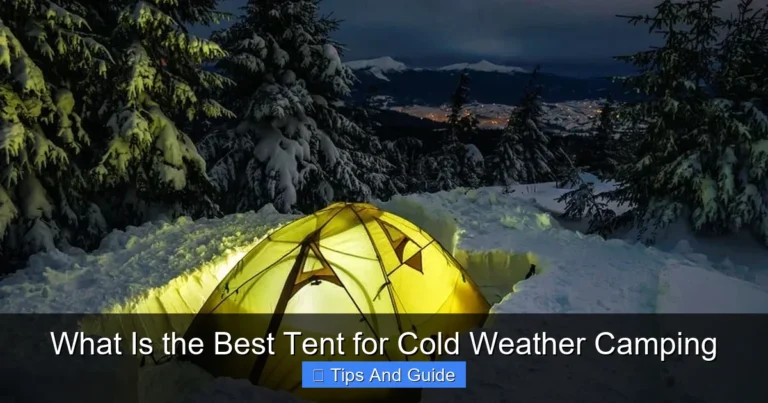
Summer is peak camping season, but spring and fall offer milder weather and fewer crowds. Winter tent camping is possible too—just be prepared. Learn how to winter camp in a tent to stay safe and warm in cold conditions.
Essential Gear for Tent Camping Near You
No matter where you camp, having the right gear makes all the difference. Here’s a quick checklist to get you started.
Tent and Shelter
Choose a tent that’s rated for the season and fits your group size. A 3-season tent is perfect for spring, summer, and fall. For added protection, use a tarp under your tent to prevent moisture and wear. Check out our guide on the best way to tarp a tent for setup tips.
Sleeping System
Bring a sleeping bag rated for the expected temperatures and a sleeping pad for insulation and comfort. Inflatable or foam pads work well—just avoid sleeping directly on the ground.
Cooking and Food Storage
A portable stove, fuel, and lightweight cookware are essential. Store food in bear-proof containers or hang it from a tree if required. Never leave food out overnight.
Safety and Navigation
Pack a first-aid kit, flashlight or headlamp, map, compass, and extra batteries. Let someone know your plans and expected return time.
Final Thoughts: Make the Most of Your Local Camping Trip
Tent camping near you is more than just a weekend activity—it’s a chance to slow down, unplug, and reconnect with the natural world. With the right planning, you can find incredible spots just a short drive away. Whether you prefer a developed campground with amenities or a remote dispersed site under the stars, there’s a perfect place waiting for you.
Remember to respect nature, follow local rules, and leave no trace. And if you’re new to camping, start small—pick a nearby site, pack the essentials, and enjoy the adventure. For more tips on getting started, read our article on the best way to tent camp for a stress-free experience.
Frequently Asked Questions
How do I find free tent camping near me?
Use apps like FreeCampsites.net or search for dispersed camping areas on BLM or national forest websites. These sites are often free but lack amenities like restrooms or water.
Can I just show up and camp anywhere?
No—most developed campgrounds require reservations, and dispersed camping has rules. Always check regulations and avoid private property or restricted zones.
What should I do if it rains while tent camping?
Set up your tent on high ground, use a tarp overhead, and ensure your tent is properly sealed. Learn how to tent camp in the rain to stay dry and comfortable.
Is tent camping safe for beginners?
Yes! Start with a developed campground close to home. Bring the right gear, follow safety tips, and camp with a friend if you’re unsure.
How early should I book a tent campsite?
For popular national parks, book 6 months in advance. State parks and local sites may only require a few weeks’ notice, especially in spring and fall.
Can I camp with my dog?
Many campgrounds allow dogs, but leashes and noise rules apply. Always clean up after your pet and check if your destination is pet-friendly. For tips, see our guide on how to tent camp with a dog.