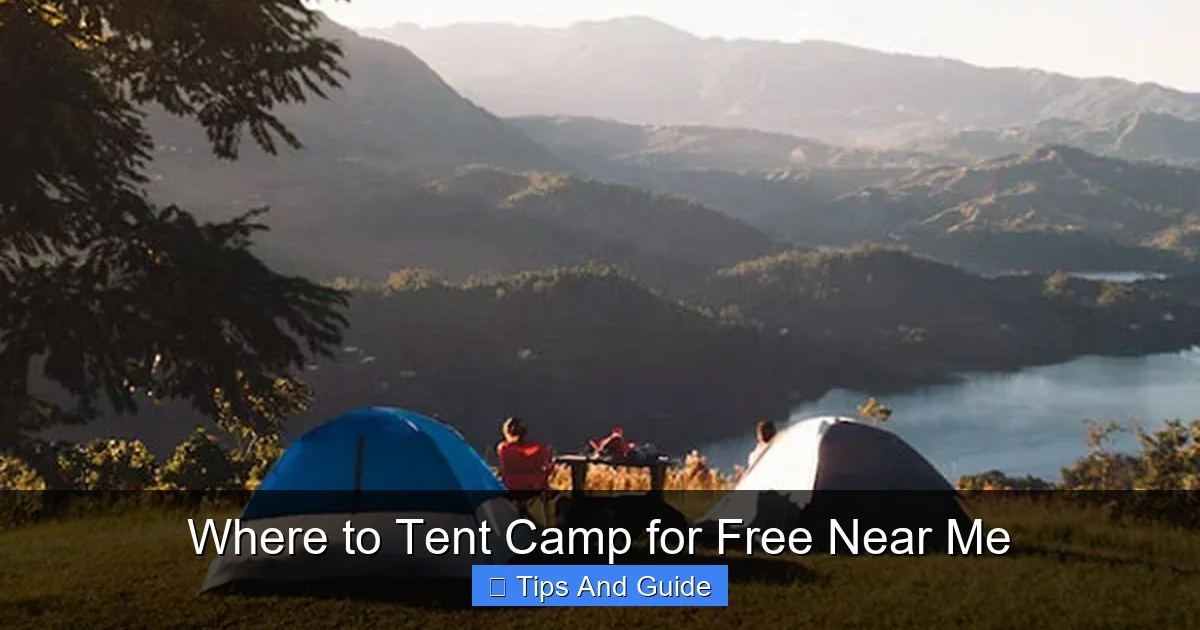
Where to Tent Camp for Free Near Me
Looking to tent camp for free near you? You’re in luck—there are thousands of legal, scenic spots across the U.S. on public lands like national forests and BLM areas. With the right tools and knowledge, you can enjoy safe, low-impact camping without spending a dime.
Key Takeaways
- Public lands offer free camping: National forests, Bureau of Land Management (BLM) areas, and some state lands allow dispersed camping at no cost.
- Use apps and websites to find spots: Tools like FreeRoam, iOverlander, and The Dyrt help locate verified free campsites near you.
- Follow Leave No Trace principles: Always pack out trash, minimize campfire impact, and camp at least 200 feet from water sources.
- Check local rules and regulations: Some areas require permits or have seasonal restrictions—always verify before you go.
- Dispersed camping ≠ wild camping everywhere: It’s only allowed on designated public lands, not in national parks or private property.
- Prepare for basic amenities: Free sites usually lack restrooms, water, or electricity—plan accordingly.
- Best times to camp free: Weekdays and off-seasons often mean fewer people and better solitude.
[FEATURED_IMAGE_PLACEHOLDER]
Where to Tent Camp for Free Near Me
Camping doesn’t have to break the bank. In fact, some of the most beautiful and peaceful places to pitch a tent are completely free. Whether you’re a weekend warrior or a full-time van-lifer, knowing where to tent camp for free near you can open up a world of adventure without the cost of campground fees.
Free camping, also known as dispersed camping, is legal on many types of public land across the United States. Unlike developed campgrounds with assigned sites, restrooms, and fire rings, dispersed camping means you set up your tent in a more natural, undeveloped area. It’s raw, it’s real, and it’s often incredibly rewarding. But it also comes with responsibility—no trash service, no water hookups, and no ranger on duty. That’s why preparation and awareness are key.
The good news? You don’t need to drive cross-country to find these spots. Many free camping areas are just a short drive from major cities. From the rolling hills of Oregon to the deserts of Arizona, free tent camping is more accessible than you might think. With the right approach, you can enjoy nature’s solitude, star-filled skies, and the freedom that comes with sleeping under the open sky—all without spending a cent.
Public Lands That Allow Free Tent Camping
One of the best-kept secrets in the camping world is that vast stretches of public land allow free, legal tent camping. These areas are managed by federal and state agencies and are open to the public for recreation—including dispersed camping.
National Forests
National forests are among the most popular places to tent camp for free. Managed by the U.S. Forest Service, these lands cover over 190 million acres across the country. In most national forests, you can camp for free outside of designated campgrounds, as long as you follow the rules. For example, in the Pisgah National Forest in North Carolina or the Gifford Pinchot National Forest in Washington, you’ll find endless miles of forest roads leading to quiet clearings perfect for a tent.
Just remember: you must camp at least 100–200 feet from roads, trails, and water sources. And while fires are often allowed, always check current fire restrictions—especially in dry seasons.
Bureau of Land Management (BLM) Lands
BLM lands are another goldmine for free camping. These areas, especially in the western U.S., offer wide-open spaces, desert landscapes, and mountain vistas. Places like the Sonoran Desert in Arizona or the high desert of Utah are BLM-managed and welcome dispersed camping.
One of the most famous free camping spots is the Sand Flats Recreation Area near Moab, Utah. While some parts require fees, vast surrounding BLM lands allow free tent camping with stunning views of red rock formations. Always look for signs indicating BLM jurisdiction—and avoid areas marked as protected or restricted.
State Forests and Wildlife Management Areas
Don’t overlook state-managed lands. Many state forests and wildlife management areas (WMAs) permit free camping, though rules vary by state. In Minnesota, for instance, the Superior National Forest allows dispersed camping, while in Texas, some WMAs offer free primitive sites.
Check your state’s Department of Natural Resources (DNR) website for maps and regulations. These sites often have fewer crowds than national forests and can be just as scenic.
How to Find Free Campsites Near You
Now that you know where free camping is allowed, the next step is finding the actual spots. Fortunately, technology makes this easier than ever.
Use Free Camping Apps and Websites
Apps like FreeRoam, iOverlander, and The Dyrt are invaluable tools for locating free campsites. These platforms rely on user-submitted reviews and GPS data to show you real-time information about accessibility, road conditions, and site quality.
For example, iOverlander has a global database of free camping spots, including many in rural U.S. areas. You can filter by tent-friendly sites, water availability, and even cell service. FreeRoam, designed specifically for North America, highlights BLM and national forest areas with offline maps—perfect for when you’re off the grid.
Check Government and Agency Websites
Before heading out, visit the official websites of the U.S. Forest Service, BLM, or your state’s DNR. These sites often have interactive maps showing where dispersed camping is permitted. They’ll also list any seasonal closures, fire bans, or permit requirements.
For instance, the how to tent camp for free guide on our site walks you through using these resources step by step, including how to download offline maps for areas with no cell service.
Ask Local Campers and Online Communities
Sometimes the best tips come from people who’ve been there. Join Facebook groups like “Free Camping USA” or Reddit’s r/CampingandHiking to get firsthand advice. Local campers often share hidden gems that aren’t listed on apps—like a quiet meadow off a forest road or a lakeside spot with minimal traffic.
Just remember: if you find a great spot, keep it respectful. Don’t overcrowd the area, and always follow Leave No Trace principles to preserve it for others.
Rules and Etiquette for Free Tent Camping
Free camping comes with freedom—but also responsibility. Unlike paid campgrounds, there’s no staff to clean up after you or enforce rules. That means it’s up to you to camp respectfully and legally.
Follow Leave No Trace Principles
The Leave No Trace guidelines are essential for free camping. These seven principles include planning ahead, traveling on durable surfaces, and packing out all trash—including food scraps and toilet paper.
For example, if you build a fire, use an existing fire ring if available. If not, keep the fire small and fully extinguish it before leaving. And never cut live trees for firewood—bring your own or use deadfall.
Camp Responsibly and Safely
Always camp at least 200 feet from lakes, rivers, and streams to protect water quality. This also helps preserve wildlife habitats. Avoid sensitive areas like meadows or alpine zones where vegetation is slow to recover.
Safety is also key. Let someone know where you’re going and when you’ll return. Carry a first-aid kit, plenty of water, and a way to communicate in emergencies—like a satellite messenger if you’re in a remote area.
Know the Local Laws
While dispersed camping is allowed on most BLM and national forest lands, some areas have restrictions. For example, in parts of California, you may need a fire permit or be limited to 14-day stays. In national parks, dispersed camping is almost always prohibited—only designated campgrounds are allowed.
Always check local regulations before you go. A quick call to the nearest ranger station can save you from a fine or having to pack up and leave.
What to Expect When Tent Camping for Free
Free camping is a different experience than staying at a developed campground. Here’s what you should prepare for.
No Amenities
Most free campsites lack basic facilities. That means no restrooms, no drinking water, no picnic tables, and definitely no showers. You’ll need to bring all your supplies, including water, food, and a portable toilet if needed.
For longer stays, consider a best way to pack a tent for backpacking approach—lightweight gear, compact cooking systems, and minimal waste.
Basic Setup and Comfort
You’ll likely be camping on uneven ground, so a good ground tarp and sleeping pad are essential. A high-quality tent with a sturdy rainfly will keep you dry in unexpected weather. And don’t forget a headlamp—there’s no electric lighting out here.
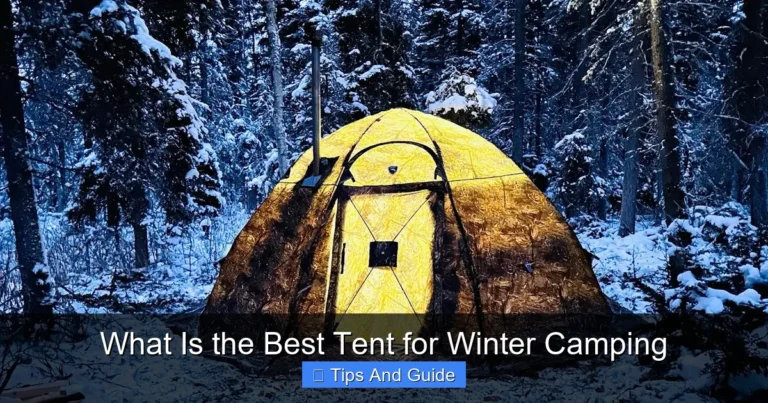
If you’re camping in colder months, check out our guide on the best way to insulate a tent for winter to stay warm and safe.
Wildlife and Weather Awareness
Free camping often means being deeper in nature—and that includes wildlife. Store food in bear-proof containers or hang it from a tree if you’re in bear country. Make noise while hiking to avoid surprising animals.
Weather can change quickly, especially in mountains or deserts. Always check the forecast and be ready for rain, wind, or temperature drops. A sudden storm can turn a peaceful night into a survival situation if you’re not prepared.
Tips for a Successful Free Camping Trip
With the right mindset and preparation, free tent camping can be one of the most rewarding outdoor experiences.
- Start close to home: Try a free site within a few hours’ drive to test your gear and confidence.
- Go midweek: You’ll avoid crowds and have a better chance of finding a quiet spot.
- Pack light but smart: Bring only what you need—extra clothes, a good knife, and a repair kit for your tent.
- Leave no trace: When you leave, the site should look exactly as you found it—or better.
- Share responsibly: If you post about a great spot online, avoid giving exact GPS coordinates to prevent overcrowding.
Conclusion
Finding where to tent camp for free near you is easier than ever—if you know where to look. From national forests to BLM lands, America’s public spaces offer countless opportunities to connect with nature without spending a dime. With the help of apps, community knowledge, and a little preparation, you can enjoy safe, legal, and unforgettable camping adventures.
Remember, free camping isn’t just about saving money—it’s about embracing simplicity, respecting the land, and experiencing the true spirit of the outdoors. So pack your tent, charge your phone, and hit the road. Your next free campsite is waiting.
FAQs
Is it legal to tent camp for free on public land?
Yes, in most cases. Dispersed camping is allowed on national forests, BLM lands, and some state-managed areas. However, it’s not permitted in national parks or on private property.
Do I need a permit to camp for free?
Usually not, but some areas require free permits or have stay limits (like 14 days max). Always check local regulations before you go.
Can I have a campfire when tent camping for free?
It depends. Fires are often allowed in dispersed areas, but always check for fire bans, use existing fire rings, and fully extinguish your fire before leaving.
What if there’s no water at the free campsite?
You’ll need to bring all the water you’ll need for drinking, cooking, and cleaning. A water filter or purification tablets can help if you’re near a natural water source.
Is free camping safe?
Generally yes, but always let someone know your plans, carry emergency supplies, and be aware of wildlife and weather conditions.
Can I camp for free with my dog?
Yes, most dispersed camping areas allow dogs. Just keep them leashed or under control, and pack out their waste. For tips, see our guide on how to tent camp with a dog.
This is a comprehensive guide about where to tent camp for free near me.
Key Takeaways
- Understanding where to tent camp for free near me: Provides essential knowledge
Frequently Asked Questions
What is where to tent camp for free near me?
where to tent camp for free near me is an important topic with many practical applications.