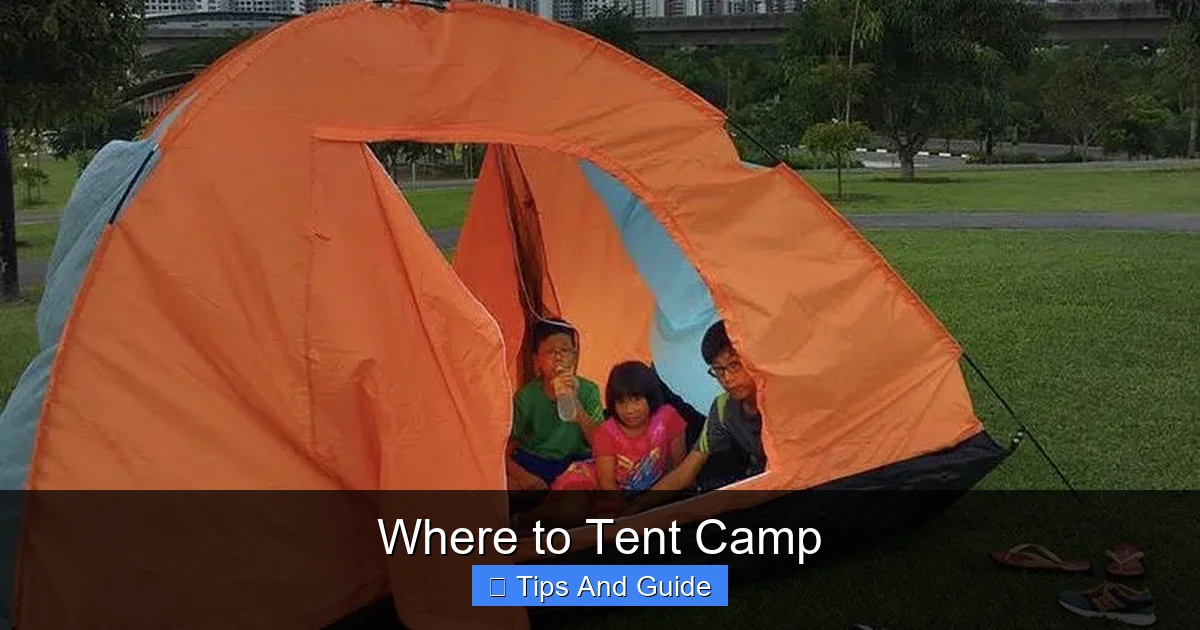
Where to Tent Camp
Looking for the perfect spot to pitch your tent? Whether you’re a beginner or a seasoned camper, this guide covers top tent camping destinations, essential tips, and how to choose the right location for comfort and safety.
Key Takeaways
- National parks offer scenic and well-maintained tent camping sites with amenities like restrooms, fire rings, and ranger support.
- State parks and forests provide quieter, budget-friendly alternatives to crowded national parks, often with fewer crowds.
- Backcountry camping delivers solitude and adventure but requires proper planning, permits, and Leave No Trace principles.
- Free dispersed camping is available on public lands managed by the BLM and U.S. Forest Service—ideal for off-grid experiences.
- Consider weather, terrain, and accessibility when choosing a campsite to ensure safety and comfort.
- Always check local regulations and obtain permits before heading out to avoid fines or restricted access.
- Pack smart and prepare for emergencies with a first-aid kit, navigation tools, and weather-appropriate gear.
[FEATURED_IMAGE_PLACEHOLDER]
Where to Tent Camp: Your Ultimate Guide to Outdoor Adventures
There’s something magical about sleeping under the stars, waking up to birdsong, and breathing in fresh mountain or forest air. Tent camping is one of the most rewarding ways to connect with nature, whether you’re escaping city life for the weekend or embarking on a multi-day trek. But with so many options out there, knowing where to tent camp can feel overwhelming. From lush national parks to remote backcountry trails, the right spot makes all the difference.
This guide will walk you through the best places to pitch your tent, what to consider before you go, and how to make your camping trip safe, comfortable, and unforgettable. Whether you’re planning a solo retreat, a family getaway, or an adventure with friends, you’ll find practical advice and real-world examples to help you choose the perfect campsite.
Top National Parks for Tent Camping
National parks are some of the most popular and scenic places to tent camp in the U.S. They offer well-maintained campgrounds, stunning landscapes, and often include amenities like restrooms, potable water, and fire pits. While they can get busy during peak seasons, many parks have reservation systems to help you secure a spot.
Yosemite National Park, California
Yosemite is a dream destination for campers. With towering granite cliffs, waterfalls, and ancient sequoias, it’s no wonder millions visit each year. The park has over a dozen campgrounds, including Upper Pines, Lower Pines, and North Pines, all located in the valley. These sites fill up fast, so book up to five months in advance. For a quieter experience, consider camping at Tuolumne Meadows in the high country—accessible only in summer.
Great Smoky Mountains National Park, Tennessee/North Carolina
As the most visited national park in the U.S., the Smokies offer over 10 campgrounds with tent sites. Cades Cove and Elkmont are favorites for their accessibility and wildlife sightings. The park is free to enter, but some campgrounds require reservations. The diverse ecosystems mean you can camp near streams, in dense forests, or on mountain ridges.
Zion National Park, Utah
Zion’s red rock canyons and dramatic cliffs create a breathtaking backdrop for tent camping. The South and Watchman campgrounds are the main options inside the park, and both require reservations. For a more rugged experience, consider backcountry camping with a permit. Just remember—shuttle buses are required to access many areas during peak season.
State Parks and Forests: Hidden Gems for Campers
If you’re looking to avoid the crowds of national parks, state parks and national forests are excellent alternatives. They often cost less, have fewer visitors, and still offer beautiful natural settings. Many are just a short drive from major cities, making them perfect for weekend trips.
Letchworth State Park, New York
Known as the “Grand Canyon of the East,” Letchworth offers 66 tent campsites along the Genesee River. The park features three major waterfalls, hiking trails, and scenic overlooks. It’s less crowded than Niagara Falls but equally stunning. Reservations are recommended, especially in summer.
Big Basin Redwoods State Park, California
Nestled in the Santa Cruz Mountains, this park is home to ancient coast redwoods and peaceful forest campsites. The main campground has tent sites with fire rings and picnic tables. It’s a great spot for families and first-time campers. Just be sure to check for seasonal closures due to weather or wildfire risk.
Ouachita National Forest, Arkansas/Oklahoma
This expansive forest offers dispersed camping (free, no reservations) along with developed campgrounds. The Talimena Scenic Drive provides access to beautiful ridge-top sites with views of the Ouachita Mountains. It’s ideal for those who want solitude without sacrificing scenery.
Backcountry and Wilderness Camping
For experienced campers seeking adventure and solitude, backcountry camping is the way to go. These areas are typically undeveloped, with no facilities, and require you to carry all your gear. Permits are often required, and you must follow Leave No Trace principles to protect the environment.
Appalachian Trail, Eastern U.S.
Stretching from Georgia to Maine, the Appalachian Trail offers countless backcountry camping opportunities. Shelters and designated campsites are spaced about a day’s hike apart. You’ll need a permit in some areas, like the Great Smoky Mountains or Shenandoah National Park. Be prepared for changing weather and rugged terrain.
Bob Marshall Wilderness, Montana
Known as “The Bob,” this remote wilderness area is a paradise for backpackers. With over 1 million acres of untouched land, you can camp almost anywhere as long as you’re at least 1/4 mile from trails and water sources. A free self-issue permit is required at trailheads. This is true off-grid camping—no cell service, no crowds, just raw nature.
Tips for Safe Backcountry Camping
- Always tell someone your itinerary and expected return date.
- Carry a map, compass, or GPS—don’t rely on your phone.
- Pack a lightweight tent, sleeping bag rated for the season, and a reliable stove.
- Store food properly to avoid attracting wildlife.
Free and Dispersed Camping on Public Lands
One of the best-kept secrets in the camping world is free dispersed camping on public lands managed by the Bureau of Land Management (BLM) and U.S. Forest Service. These areas don’t have designated campsites or amenities, but they offer incredible freedom and solitude.
Bureau of Land Management (BLM) Lands
BLM manages millions of acres across the western U.S., especially in states like Utah, Nevada, and Arizona. Popular spots include the Moab area in Utah and the Red Rock Canyon National Conservation Area. You can usually camp for free for up to 14 days in one location. Just make sure you’re not on private land or in a restricted zone.
U.S. Forest Service Lands
National forests often allow dispersed camping outside of designated campgrounds. For example, the White River National Forest in Colorado has countless free spots near rivers and lakes. Always check local ranger district rules—some areas may require a free permit or have seasonal restrictions.
Tips for Dispersed Camping
- Camp on durable surfaces like gravel or bare ground—avoid damaging vegetation.
- Pack out all trash, including food scraps and toilet paper.
- Use a camp stove instead of building a fire if fire restrictions are in place.
- Respect wildlife and keep a safe distance.
Choosing the Right Campsite: What to Look For
No matter where you decide to camp, selecting the right spot is crucial for comfort and safety. Here are key factors to consider:
Terrain and Ground Conditions
Look for flat, dry ground with good drainage. Avoid low spots where water might collect during rain. Clear the area of rocks, roots, and sharp objects before setting up your tent. A ground tarp underneath your tent can add extra protection.
Weather and Exposure
Check the forecast before you go. In hot weather, choose a site with shade and breeze. In cold weather, look for natural windbreaks like trees or hills. Avoid camping in dry riverbeds or under dead trees that could fall.
Proximity to Water and Amenities
Being near a water source is convenient, but don’t camp too close—stay at least 200 feet away to protect ecosystems and avoid flooding. If you’re car camping, consider how far you’ll need to walk to restrooms or parking.
Safety and Privacy
Choose a site that feels safe and offers some privacy. Avoid areas with heavy foot traffic or signs of animal activity. If you’re camping with kids or pets, make sure the site is secure and away from hazards like cliffs or fast-moving water.
Final Tips for a Great Tent Camping Experience
Once you’ve picked your destination and campsite, it’s time to prepare. Packing the right gear and knowing a few tricks can make your trip more enjoyable. For example, using a footprint or tarp under your tent helps prevent wear and tear. And if you’re camping in wet conditions, check out our guide on the best way to waterproof a nylon tent to stay dry.
If you’re new to tent camping, start with a developed campground where help is nearby. As you gain confidence, you can explore backcountry or dispersed sites. And don’t forget to practice setting up your tent at home—there’s nothing worse than fumbling in the dark at the campsite. For step-by-step help, see our article on how to set up a camp tent.
Finally, always leave your campsite cleaner than you found it. Pack out all trash, extinguish fires completely, and respect wildlife. By following these principles, you’ll help preserve these beautiful places for future campers.
Conclusion
Whether you’re dreaming of alpine lakes, desert canyons, or coastal forests, there’s a perfect spot to tent camp just waiting for you. From the iconic trails of national parks to the quiet solitude of dispersed camping, the options are endless. The key is to plan ahead, choose the right location for your skill level, and pack smart.
Remember, the best campsite isn’t always the most popular—it’s the one that feels like home under the stars. So grab your tent, lace up your boots, and get ready to explore. And if you’re looking for more tips on making your trip comfortable and safe, check out our guide on how to tent camp comfortably.
What’s the best time of year to tent camp?
The best time depends on your location and tolerance for weather. Spring and fall offer mild temperatures and fewer crowds. Summer is ideal for high-elevation camping, while winter camping is possible with proper gear—just be prepared for snow and cold.
Do I need a permit to camp in national parks?
Yes, most national parks require reservations for campgrounds, especially during peak season. Some backcountry areas also require permits. Always check the park’s official website before you go.
Can I camp for free on public lands?
Yes, dispersed camping on BLM and U.S. Forest Service lands is often free, but rules vary by location. Stay no more than 14 days in one spot and follow all local regulations.
What should I do if it rains while camping?
Set up your tent with a rainfly and tarp, and choose high, dry ground. Keep gear in waterproof bags. If storms are severe, consider breaking camp early for safety.
Is it safe to camp alone?
Yes, but take extra precautions. Tell someone your plans, carry a satellite communicator, and choose well-traveled areas. Trust your instincts and avoid risky situations.
How do I keep my tent cool in hot weather?
Camp in the shade, use light-colored tents, and keep vents open. A battery-powered fan or portable shade cloth can also help. For more tips, read our guide on best ways to keep a tent cool.
This is a comprehensive guide about where to tent camp.
Key Takeaways
- Understanding where to tent camp: Provides essential knowledge
Frequently Asked Questions
What is where to tent camp?
where to tent camp is an important topic with many practical applications.